





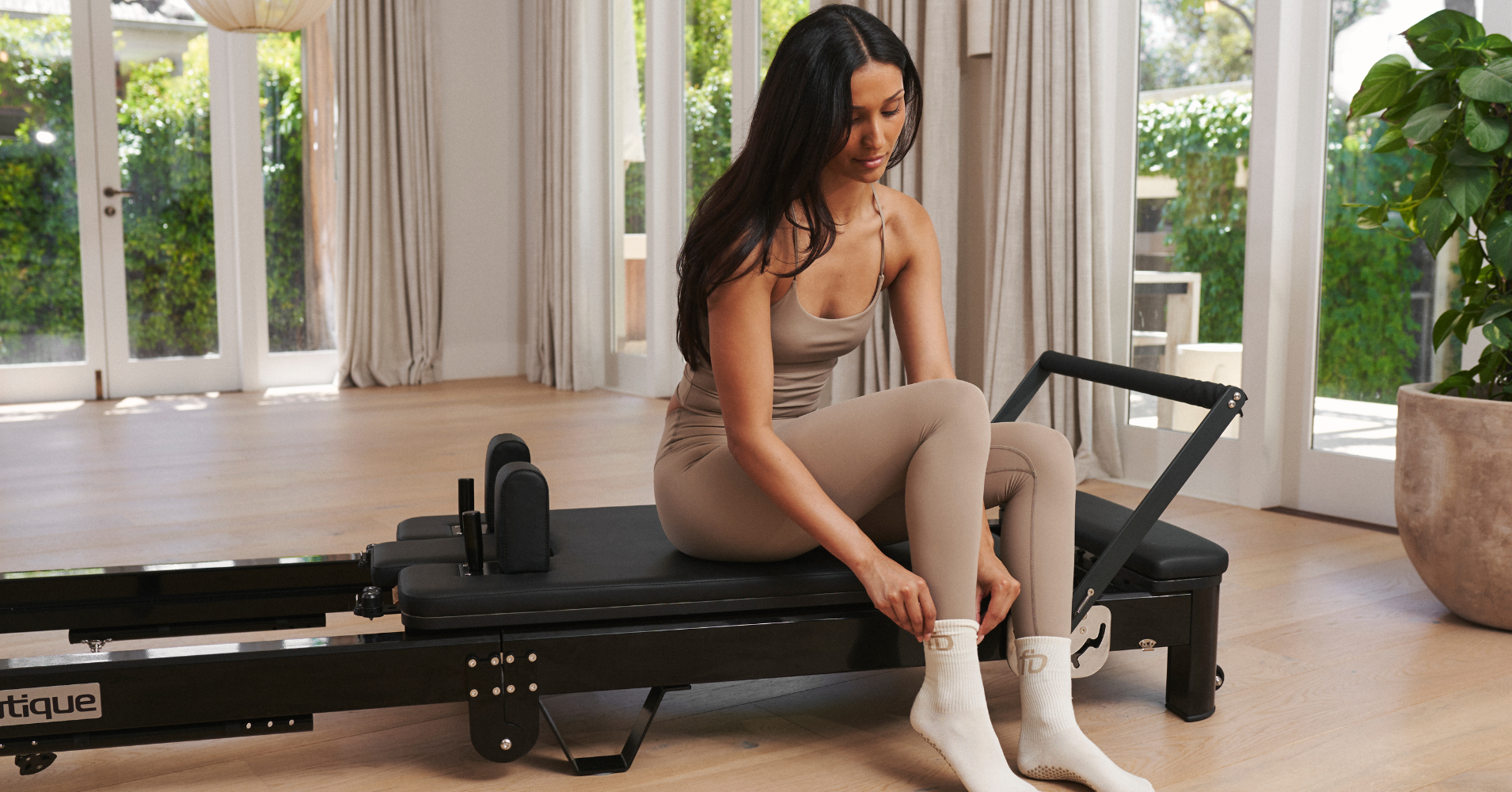
Reformer Pilates Once A Week
Once a week is the frequency almost nobody writes about honestly. Every timeline you read assumes 3 sessions, every studio package is sold in tens, and if you are doing one class a week you are left quietly wondering whether you are wasting your money.
You are not. But you do need to know what one session a week buys you and what it does not, because the answer is much better for some goals than others, and the gap between the two is where most of the disappointment lives.

In this article
Is once a week enough
Enough for what is the question, and I am going to answer it in the order people actually care about.
Once a week is enough to keep your body awareness, to keep your posture from sliding back, to hold on to mobility you already have and to feel noticeably better in your back and hips. For maintenance, it works.
Once a week is not enough to build much. Strength, visible tone, a shape change you can see in a photo, those need more frequent loading than your body gets from a single session followed by 6 days of nothing.
So if you came here hoping for permission, you have it, as long as your goal is on the first list. If your goal is on the second list, one session a week will get you there eventually, and eventually means a very long time.
What one session a week actually gives you
This is the part that gets undersold, so let me be specific about what a single weekly session genuinely delivers.
Posture that holds. Of everything the reformer does, posture responds fastest and fades slowest. One session a week is enough to keep your shoulders where they belong and to keep you out of the desk slump, even if it is not enough to build new strength.
Body awareness. The thing reformer Pilates teaches better than any other form of training is knowing where your body is and what it is doing. That skill is sticky. Once a week keeps it sharp.
Back and hip comfort. Plenty of people find their lower back complains less with one weekly session, because the muscles around the spine get a regular reminder to do their share. I say that carefully, because a reformer is not treatment, and an actual back problem belongs with a physio, not a blog.
Mobility you already own. Keeping range is far easier than building it. One session a week holds the line well.
A reason to keep going. Not nothing. Once a week for a year beats 4 times a week for a month, and I have watched that play out more times than I can count.
What it will not do
Muscle adapts to the load you give it and then waits for the next one. Give it one session and then 6 days off, and by the time the next session arrives your body has largely returned to where it started. You are repeating the same first session over and over rather than stacking on top of it.
In practice that means once a week will not give you visible tone in any reasonable timeframe. It will not move you up through spring loads. It will not change the shape of your glutes or your arms. And it will not produce the before and after photos that made you curious about the reformer in the first place, which almost always come from people training 3 or 4 times a week and not saying so.
If visible change is the goal, I wrote the honest timelines at each frequency in my piece on how long it takes to see results from reformer Pilates, and the frequency question in full in how many times a week you should do reformer Pilates.
How to make one session count
If once a week is what your life allows, then the job is to get as much out of that session as possible. These are the 5 things that make the biggest difference.
- Go full body, every time. Split routines make no sense at this frequency. If you train legs this week and arms next week, every muscle group is getting trained fortnightly. One session, everything, no exceptions.
- Warm up properly. With only one session, losing the first 10 minutes to warming up costs you a quarter of your week of training. Arrive warm or warm up before you start.
- Go heavier than you think. You have 6 days to recover, which is a luxury someone training 4 times a week does not have. Use the springs. A session you feel the next day is the point.
- Slow every repetition down. Momentum is what makes a session look like work and feel like nothing. Slow and controlled on moderate springs beats fast and loose on heavy ones every time.
- Write down your springs. At this frequency you cannot rely on memory across a whole week. A note on your phone of what you used and how it felt is the difference between progressing and repeating.

What to pair it with
The fix for once a week is rarely a second class. It is usually something at home on the other days that costs nothing.
Walking. Daily, unglamorous, and it does the part of the equation the reformer does not. If you only add one thing, add this.
Ten minutes of mat work. Two or 3 short sessions a week of the same movement patterns without the machine keeps the pattern fresh between reformer sessions. It is not the same stimulus, but it is far better than 6 blank days.
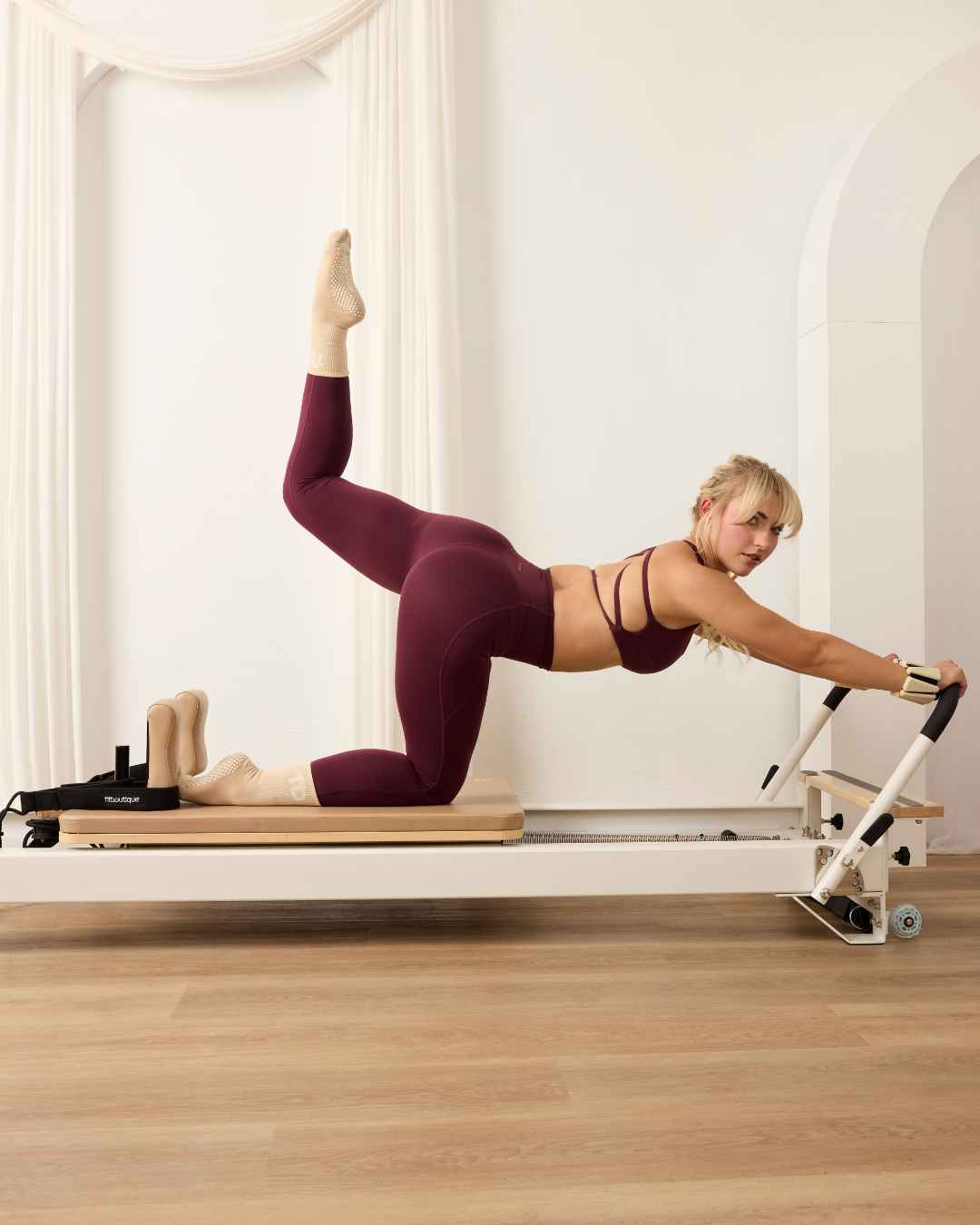
Ankle weights at home. A pair of ankle and wrist weights adds load to glute and arm work on the days you are not on a machine, and lives in a drawer.
Anything that loads your legs. Stairs, hills, carrying shopping. Your body does not know it is not a Pilates class.
When to go to twice a week
Twice a week is the honest floor for visible change, and the jump from 1 to 2 is the single biggest return on any change you can make to your training. Not because 2 is a magic number, but because it halves the gap between sessions, and it is the gap that undoes the work.
Go to twice a week when you notice any of these. You have stopped progressing your springs for a month or more. You finish every session feeling like you have just warmed up. You are consistently sore for a day after, which usually means your body is still treating each session as a shock rather than a routine. Or you have simply decided you want to see something rather than maintain something.
You do not need to go to 4. Two sessions a week, done properly for 3 months, will show you more than most people get from a year of one.
Why once a week is usually a logistics problem
Here is what I notice when I talk to people who train once a week. Almost none of them chose it. They chose a studio, a price and a timetable, and once a week is what came out the other end.
It is the drive, the class times that clash with work, the 10 pack that expires, the cost per session that makes 3 a week feel indulgent. None of that is about how much reformer Pilates you want to do. It is about how much friction sits between you and the machine.
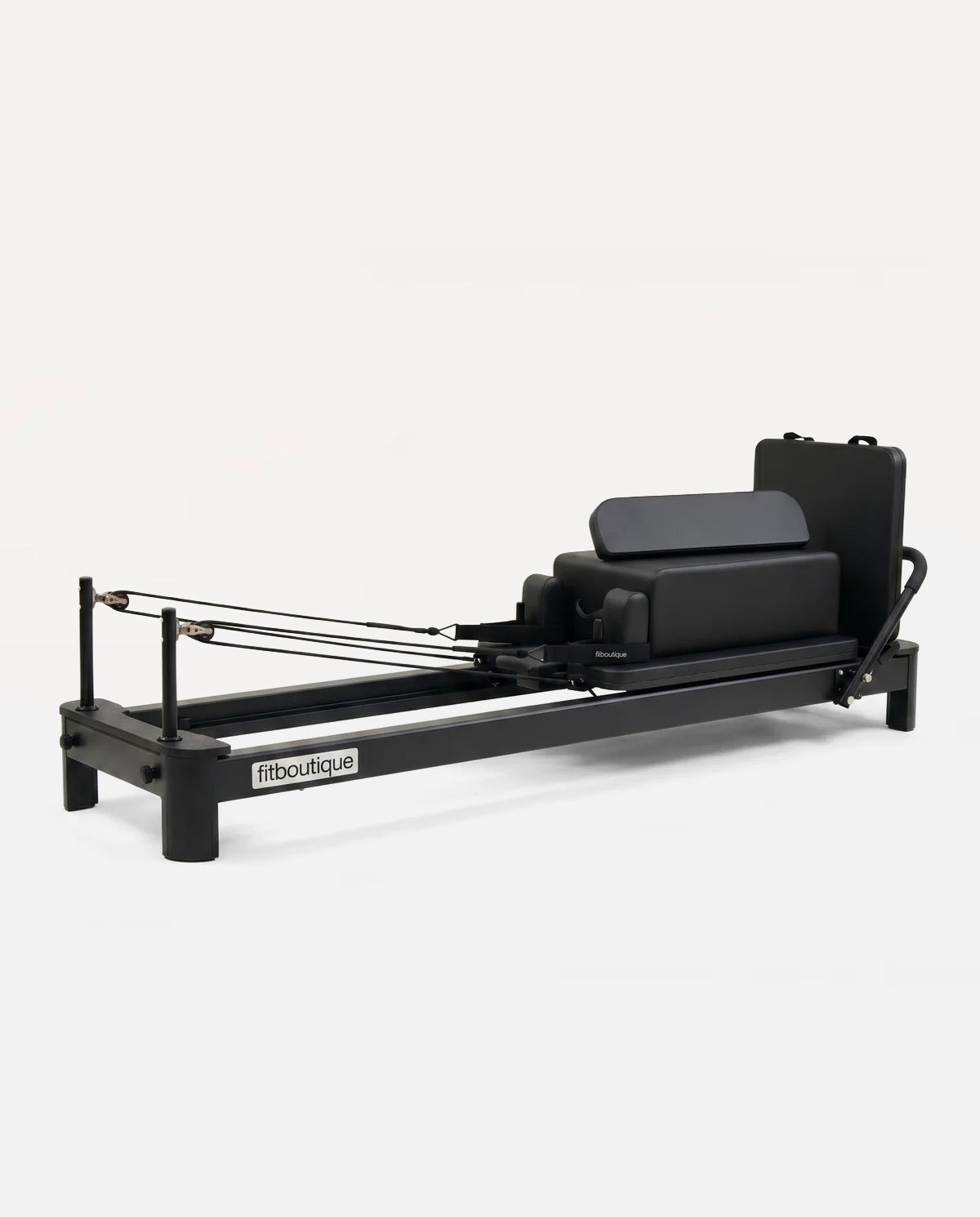
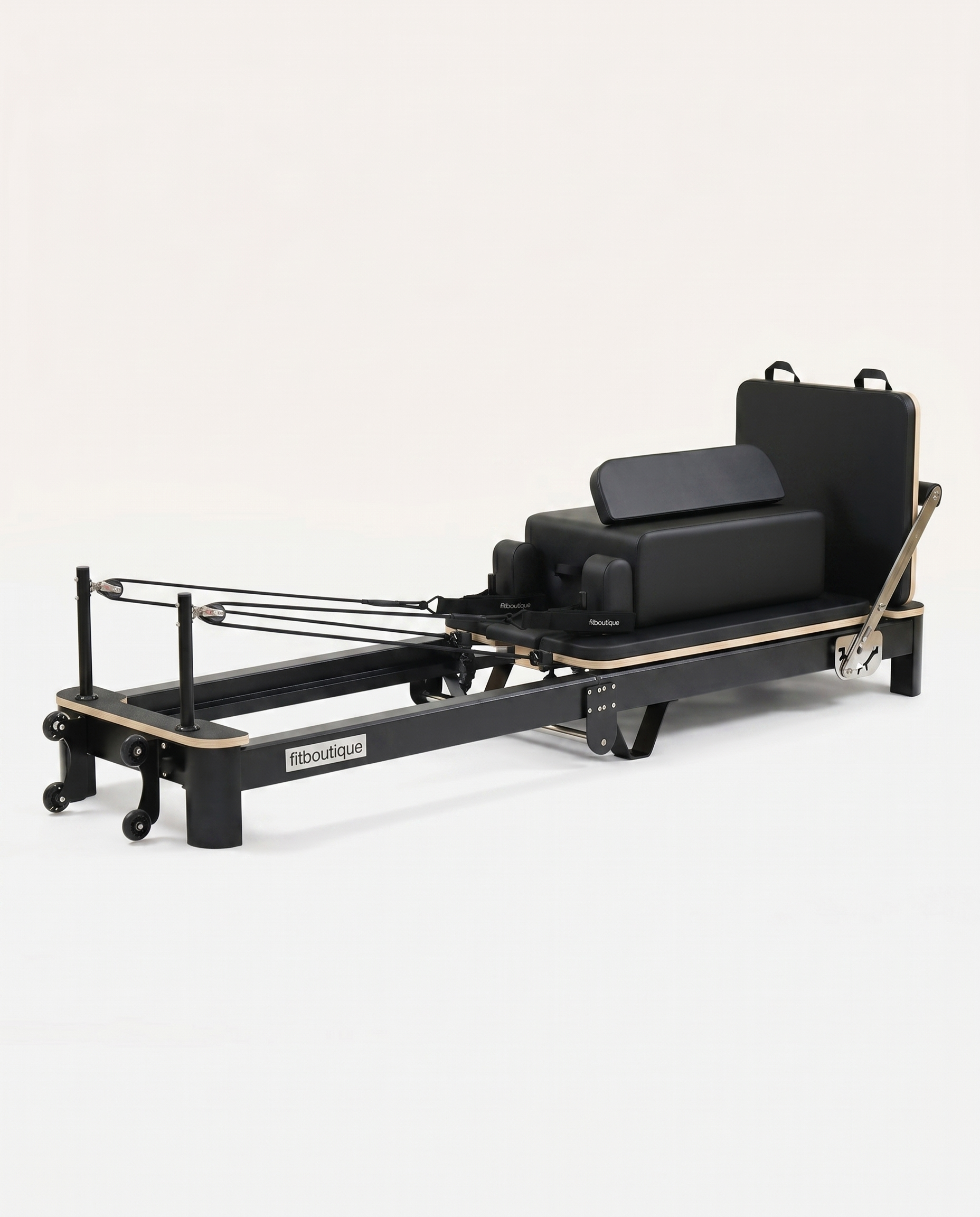
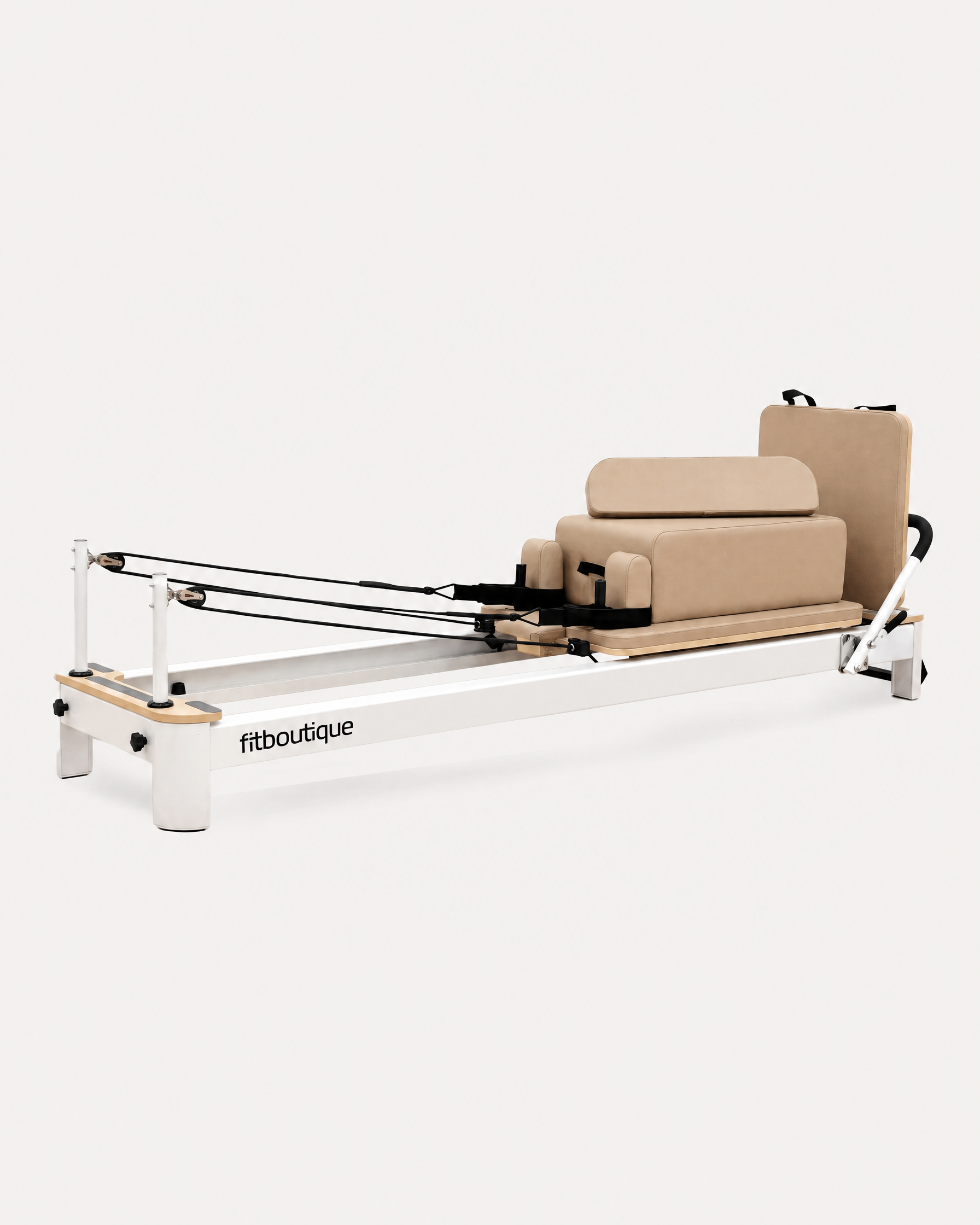
That is the honest reason a reformer at home changes the number. Not because the equipment is better, although I would argue ours is. Because a 40 minute session in the spare room at 6am has no drive, no booking and no timetable, and the people I know who own one train 3 times a week without ever making a decision to.
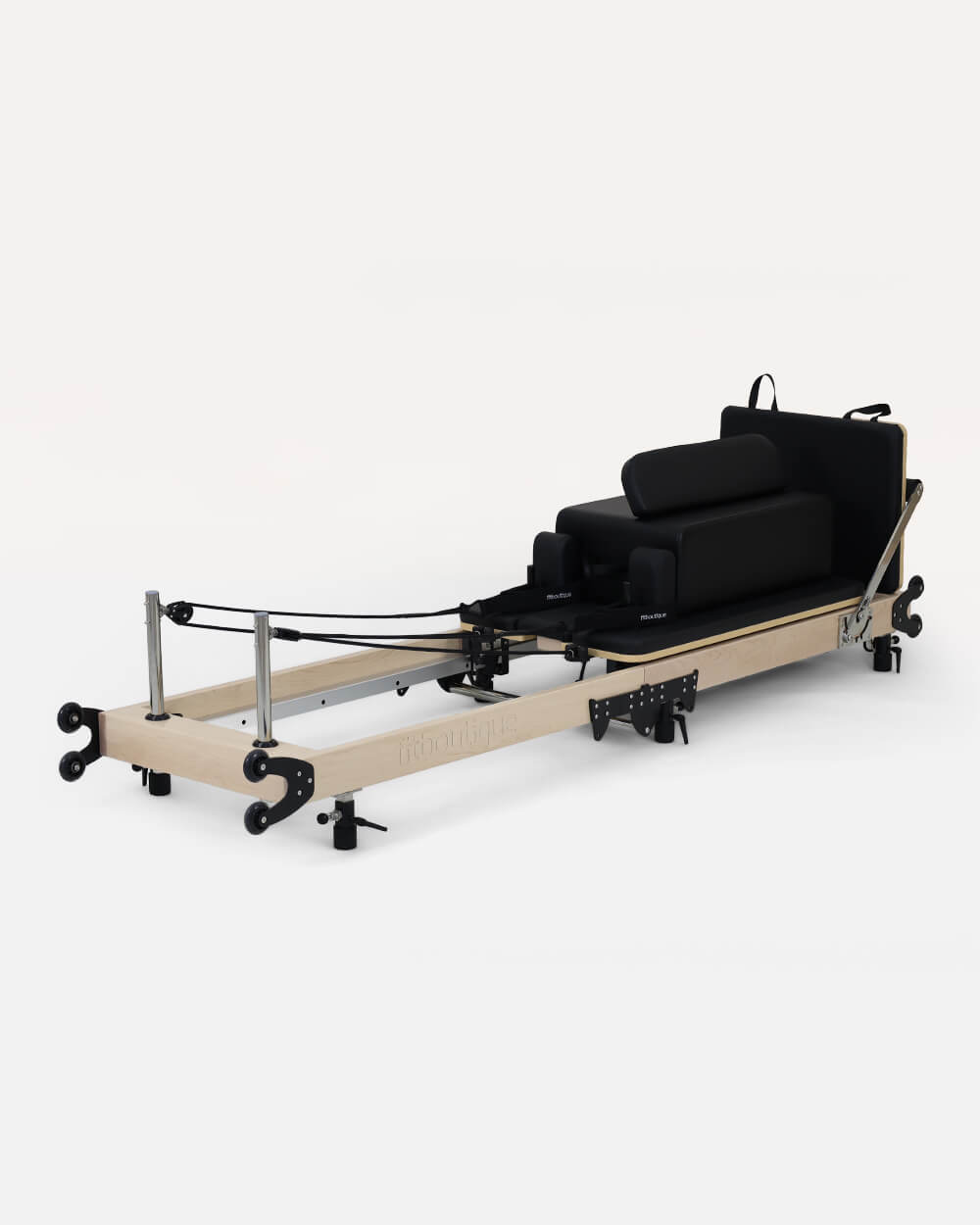
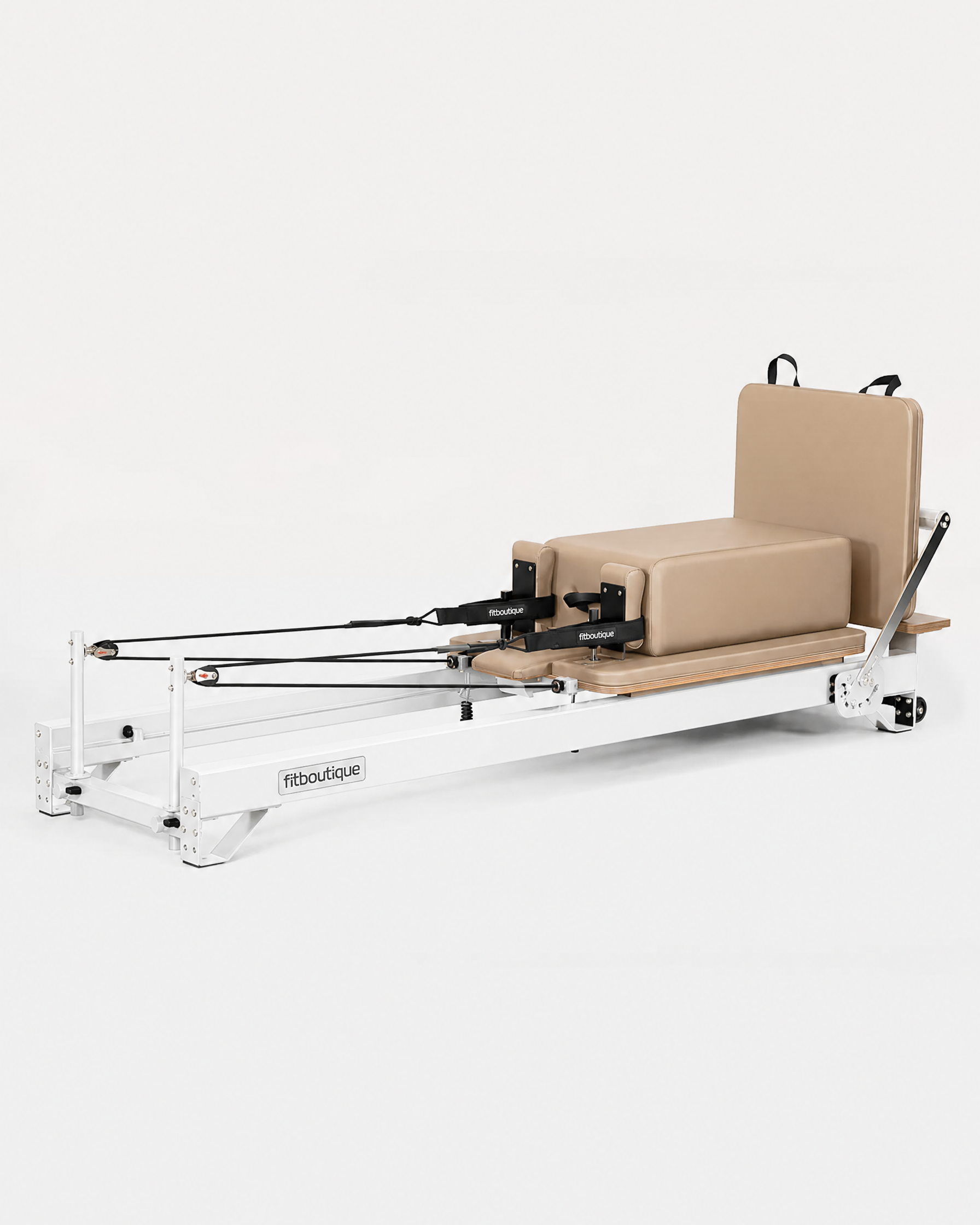
If that is where you are heading, I compare every model against space and budget in which reformer fits your space and budget, and the Onyx Fold Reformer is the one I point most people at when the room has another job during the day. If you are not sure, get in touch and I will tell you honestly whether it is worth it for your situation.
A Note From Ayrah
I trained once a week for about 8 months, and I want to be fair to that period, because I look back on it as wasted and it was not.
What I lost in that time was nothing. My back was better than it had been in years, I stood differently, and I stayed connected to training through a stretch of life where I would otherwise have done nothing at all.
What I gained was also nothing, and that was the part I could not see at the time. Same springs in month 8 as in month one. Same photos. I kept assuming I was building slowly and I was not building at all, I was holding.
When I finally added a second session, the difference showed up inside 6 weeks. Not because the second session was magic, but because the first one finally had somewhere to go.
So if you are on one a week, be clear with yourself about which of those two things you are buying. Both are worth having. They are just not the same purchase.
Frequently Asked Questions
Is reformer Pilates once a week enough?
It is enough to maintain posture, mobility and body awareness, and many people find their back and hips feel better on one session a week. It is not enough to build visible strength or tone in any reasonable timeframe, because your body has largely reset by the time the next session arrives. Twice a week is the realistic floor for visible change.
Will I see results from reformer Pilates once a week?
You will feel results, usually in posture and back comfort, within about a month. Visible results are a different matter and may take 6 months or more at this frequency, if they come at all. Most before and after photos come from people training 3 or 4 times a week.
Is once a week better than nothing?
Considerably better. One session a week for a year beats 4 sessions a week for a month, and consistency at a low frequency keeps you connected to training in a way that stop start intensity does not.
How should I structure a single weekly session?
Full body every time, never split. Warm up before you start so you do not lose a quarter of your training week to it, use heavier springs than you would at a higher frequency since you have 6 days to recover, slow every repetition down, and write down what springs you used so you can progress next week.
What should I do on the other 6 days?
Walk daily, add 2 or 3 short mat sessions of 10 minutes using the same movement patterns, and use ankle weights at home for glutes and upper body. None of it replaces a reformer session, but it closes the gap that undoes the work.
When should I move up to twice a week?
When you have stopped progressing your springs for a month or more, when every session feels like a warm up, or when your goal changes from maintaining to building. Going from 1 to 2 sessions is the biggest single improvement you can make to your training.
Can I do reformer Pilates once a week and still get stronger?
You will get slightly stronger at first as you learn the movements, then plateau. Real strength gains need the next session to arrive before the last one has worn off, which at one a week it generally does not.
Why do people with a reformer at home train more often?
Because the friction disappears. No drive, no booking, no class timetable and no cost per session. Most people who train once a week at a studio did not choose that number, it is simply what the logistics produced.
Make It Easier To Turn Up
Every FitBoutique reformer arrives assembled with 6 German made springs, a jumpboard and box included, free delivery Australia wide and a 5 year warranty.
Compare Every Reformer
Written by Ayrah Yuso
I'm part of the FitBoutique team and have a solid passion (and love) for all things exercise related, including Reformer Pilates




















Leave a comment