





How Long Does It Take To See Results From Pilates
Here is the honest answer, and then I will explain it. Training 3 times a week, you will feel different inside 2 weeks, you will see something around 6 weeks, and the change will be settled and yours at about 3 months. Train once a week and roughly double every one of those numbers.
That is the whole timeline. Everything below is about why those numbers move, because they move a lot, and most of the frustration I hear about reformer Pilates comes from people who were quoted the fast version and are living the slow one.

In this article
The short answer
Three checkpoints, assuming 3 sessions a week with decent form.
- About 2 weeks to feel it. Posture, balance, body awareness, a core that switches on by itself. Real, and completely invisible to anyone else.
- About 6 weeks to see it. Firmer glutes and thighs, a line in the arms, a bit more waist definition. Photos show it before the mirror does.
- About 3 months for it to stick. Strength you can measure in your springs, tone that survives a light week, everyday movement that is simply easier.
If you want to know what each of those stages feels like from the inside and how to tell it is working before the visible part, I wrote that separately in what changes first with reformer Pilates, week by week. This piece is about the numbers and what moves them.
How often you train changes everything
Every timeline you have ever read about Pilates results quietly assumes a frequency, and almost none of them say which one. So here is the same 3 checkpoint timeline at each of the frequencies people actually train at.
Once a week. Feel it at about a month. See something at 3 months if you are honest with yourself and consistent. Lasting change closer to 6 months. Once a week is enough to maintain what you have and to keep your body awareness, and I would never tell anyone it is worthless, but it is not enough to build much. The body has largely reset by the time the next session comes around.
Twice a week. Feel it in 2 to 3 weeks. See it at 8 to 10 weeks. Settled by about 4 months. This is the realistic floor for visible change, and it is where most people who train in a studio actually sit.
Three to 4 times a week. The timeline in the short answer above. Feel it in 2 weeks, see it at 6, settled at 3 months. This is the frequency that produces the results people post about, and it is far easier to hit at home than it is on a class timetable.
Every day. Not faster than 4 times a week in any way that matters, and often slower, because you stop recovering. Reformer Pilates is low impact but it is not no load, and muscle is built between sessions, not during them.
Timelines by what you are training for
The other thing that moves the numbers is what you mean by results. Different goals arrive at very different times, and if your goal is one of the slow ones you need to know that before you start so you do not quit during the wait.
Posture. The fastest result there is. Noticeable to you in 1 to 2 weeks, noticeable to other people in 4 to 6. It is the reason people get asked if they have lost weight when they have not.
Core strength and stability. Felt in 2 to 3 weeks. Measurable, meaning you can drop a spring and hold an exercise that used to shake, in 6 to 8. This one keeps improving for a year or more, which is what makes reformer work so different from a class you plateau in.
Muscle tone. Glutes and thighs first, usually around 6 weeks. Arms and back a little later, around 8 to 10. Waist definition last, because it depends on both the muscle underneath and what is sitting on top of it.
Flexibility. Faster than people expect, in the sense of moving more freely through daily life within a few weeks. Slower than people expect if the goal is a specific range, like touching your toes, which can take months and depends heavily on what you arrived with.
Back comfort. Many people find their lower back complains less inside a month. Not because anything has been fixed, but because the muscles around the spine are now doing their share. I say that carefully, because a reformer is not treatment and anyone with an actual back problem should be talking to a physio, not a blog.
Weight. Reformer Pilates is not a weight loss tool and I will not pretend it is. It builds muscle, which does not weigh less, and it improves how you carry yourself, which reads as leaner. People frequently look noticeably different at 3 months at exactly the weight they started. If the scales are the goal, the reformer is the support act and diet and walking are the headline.

What actually speeds it up
Turning up. I know that is not the answer anyone wants, but going from 2 sessions a week to 3 does more for your timeline than any other single change, and it is not close.
Progressing your springs. If you have been on the same footwork springs for 2 months, you are maintaining. Drop one when the carriage moves smoothly, add one when you are ready to build, and the timeline shortens because you are actually asking your body to change.
Slowing down. Momentum is the enemy on a reformer. A slow, controlled set on light springs does more than a fast set on heavy ones, and it is the difference between a session that felt like work and a session that caused adaptation.
Walking. Not cardio in the gym sense, just daily walking. It does not build muscle, but it does the fat side of the equation that the reformer does not, and the 2 together are where the visible results come from.
Protein and sleep. Muscle is built between sessions. If you are underslept and undereating, you are training well and then not giving your body what it needs to respond.
What quietly slows it down
Quitting at week 3. This is the single most common reason people never see results, and it is not because the reformer failed. Week 3 is when the novelty has worn off, the mirror has not moved, and the feeling is "I have been doing this for a month and nothing has changed". Something has changed. It is just not visible yet. The people who get to week 6 are mostly just the people who did not stop at week 3.
Rushing the exercises. Fast reps use momentum, and momentum bypasses exactly the small stabilising muscles the reformer exists to train.
Skipping the warm up. Without it, your first 3 exercises become the warm up, and you lose a quarter of every session. I wrote about that in my piece on warming up before reformer Pilates.
Judging progress on the scales. Covered above. It is the wrong instrument for this.
Studio logistics. Not the studio itself, which is a great place to learn, but the travel, the timetable and the cost per session, which together push most people from 3 sessions a week down to 1 or 2 without them ever deciding to.
What 6 months looks like
I include this because 3 months is where most timelines stop, and it undersells what happens next.
At 6 months of 3 sessions a week, the reformer has stopped being something you do and become something you are good at. You are on springs you could not have controlled in month one. Exercises that were the hard part of a session are now the warm up. Your posture is not something you correct, it is just how you stand.
Physically, the tone from month 3 has deepened rather than changed shape. What is different is durability. You can take 2 weeks off for a holiday and come back to almost the same body, which was not true at month 3. That is the point at which the results are yours and not on loan.
Why the home reformer timeline is shorter
Not because the machine is better, although ours are very good. Because of frequency.
Almost everyone I know who trains at a studio intends to go 3 times a week and actually goes twice, on a good week. Almost everyone I know with a reformer at home who intended to train 3 times a week does, because the machine is 10 metres from the kettle and a session is 40 minutes door to door with no door.
That gap, 2 sessions versus 3, is the difference between seeing results at 6 weeks and seeing them at 10. Over a year it is around 50 extra sessions. The reformer did not speed anything up. It just removed the reasons not to turn up.
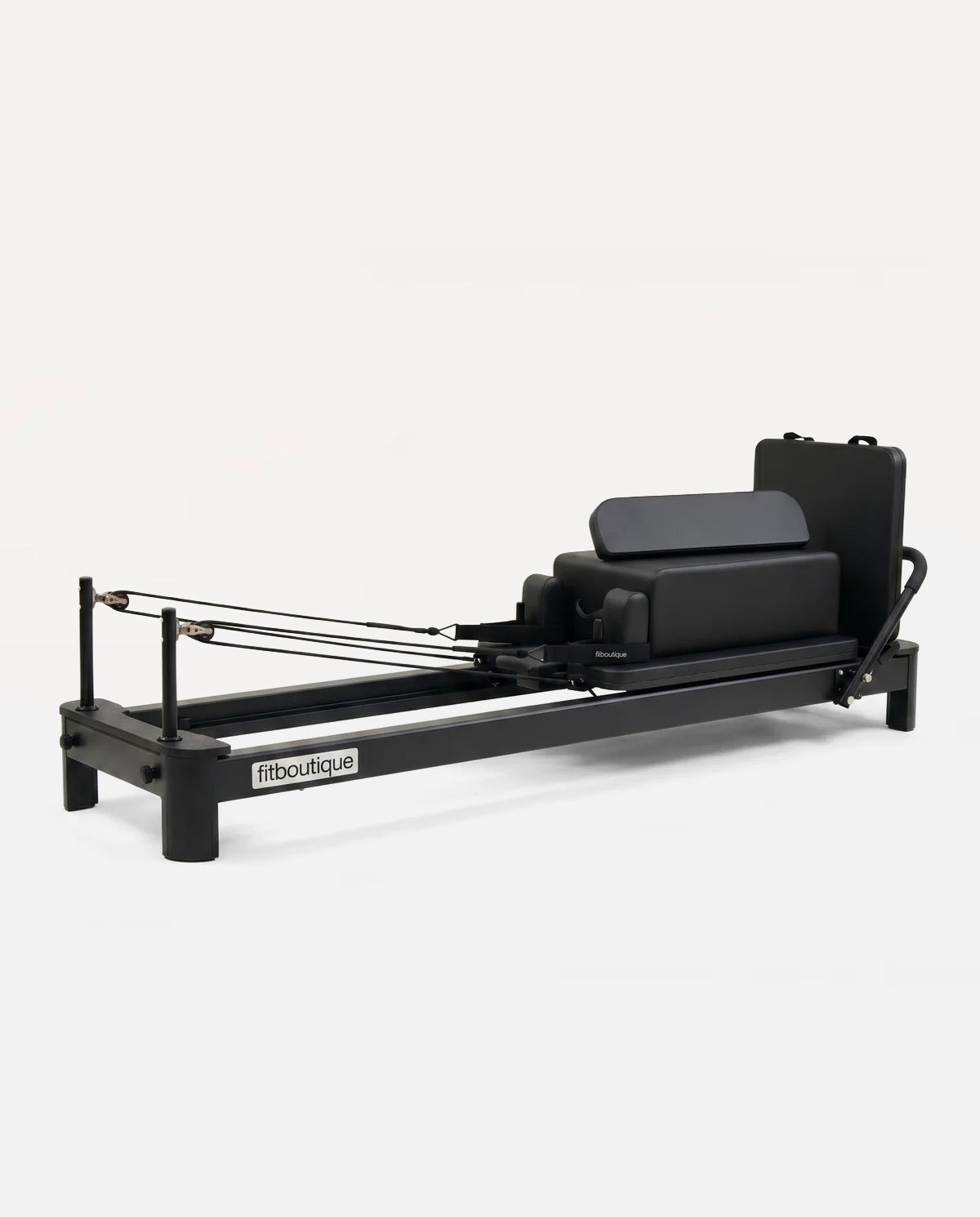
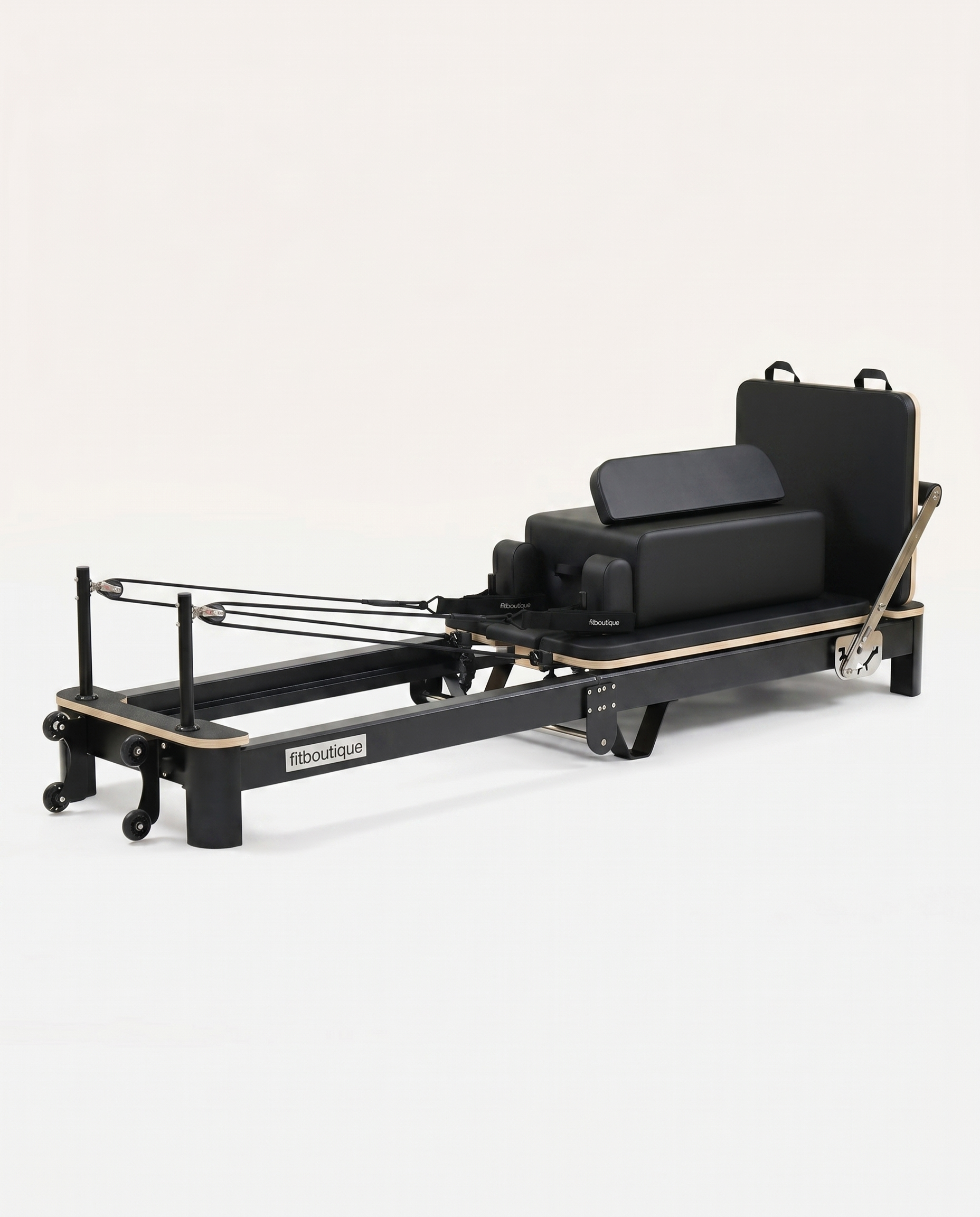
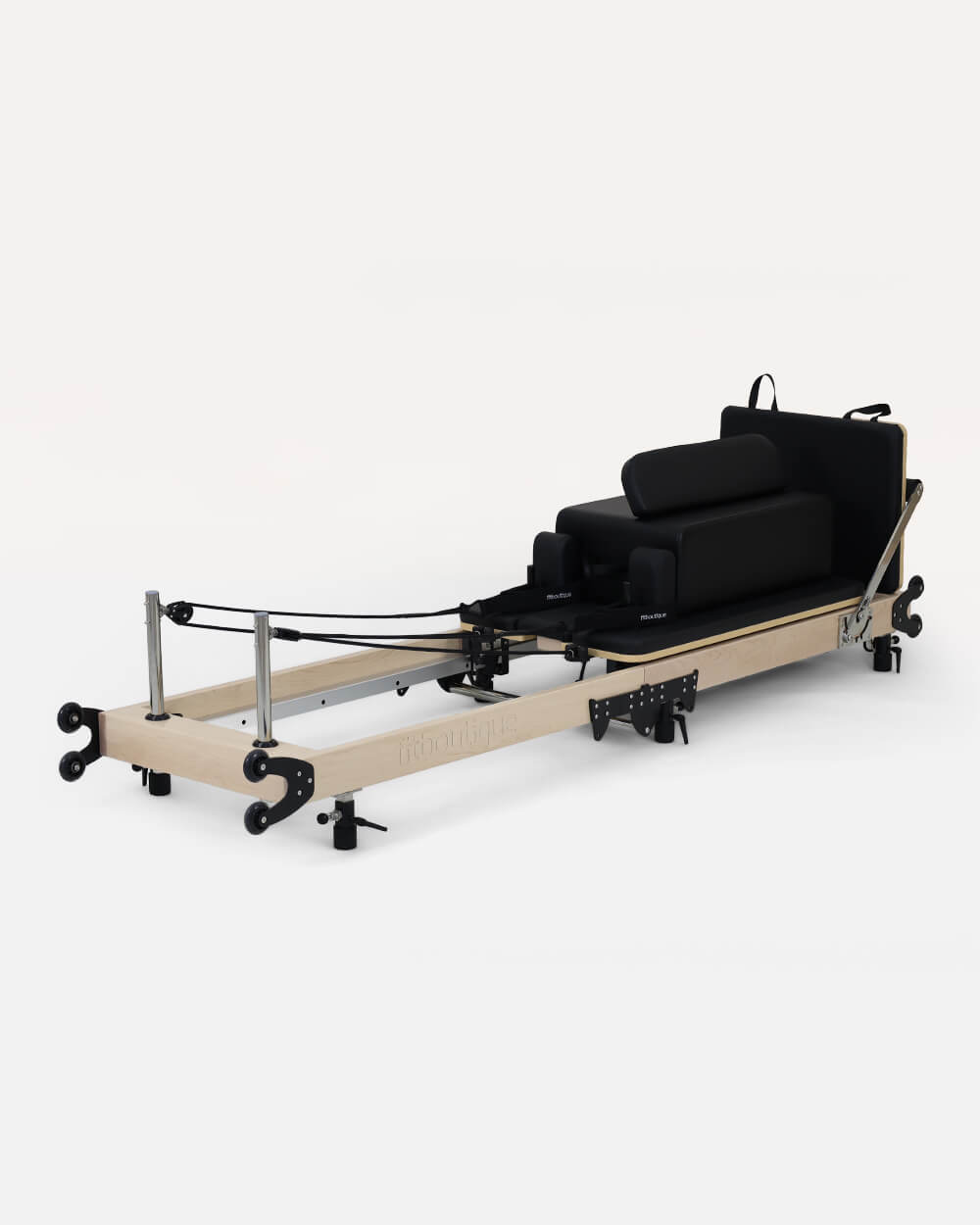
For what it is worth, my own timeline happened on an Onyx Fold Reformer in a spare room, and the folding is the reason it is still in the spare room rather than in the garage under a sheet. If you are choosing between models, I compare all of them in my guide to which reformer fits your space and budget, and if you want the full case for the practice itself, the benefits of reformer Pilates is the place to start. And if you are unsure which one suits you, get in touch and I will tell you honestly.
A Note From Ayrah
For my first 3 months I counted weeks, and I was miserable, because every article said 6 weeks and at 6 weeks I had nothing to show.
What I had not noticed was that I had trained about 9 times in those 6 weeks. Life, work, a cold, a week away. Nine sessions. The 6 week timelines I was reading were written for people doing 18.
When I started counting sessions instead of weeks, the whole thing made sense. My 18th session came at about week 11, and that is almost exactly when I saw what the articles had promised for week 6. Nothing was wrong with me or with the reformer. I was just reading someone else's calendar.
So if you are behind the timeline, count your sessions before you decide it is not working. You are probably not behind. You have probably just done fewer of them than the timeline assumed.
Frequently Asked Questions
How long does it take to see results from reformer Pilates?
Training 3 times a week, you will typically feel changes in posture and core control within about 2 weeks, see visible tone at around 6 weeks, and have settled, lasting change by about 3 months. At once a week, roughly double each of those. The single biggest variable is how many sessions you actually do, not how many weeks pass.
Can I see results from reformer Pilates once a week?
You will feel better, keep your body awareness and maintain what you have, but building visible strength or tone once a week is slow. Expect to feel a difference at about a month and see something at around 3 months, and only if you are consistent. Twice a week is the realistic minimum for visible change.
What results come first?
Posture, almost always. It is noticeable to you within 1 to 2 weeks and to other people within 4 to 6. Core stability follows, then muscle tone in the glutes and thighs at around 6 weeks, then arms, back and finally waist definition.
Will reformer Pilates help me lose weight?
Not directly. It builds muscle and improves posture, which makes you look leaner without the scales moving. If weight loss is the goal, treat the reformer as the strength and shape part of the plan, and pair it with daily walking and a diet that supports it.
Is training every day faster?
No, and it can be slower. Muscle is built between sessions during recovery, so training 3 to 4 times a week with rest days generally beats daily training. If you want to move every day, alternate reformer sessions with walking or gentle mobility work.
Why have I not seen results after 6 weeks?
Count your sessions. Most 6 week timelines assume around 18 sessions, and if life has meant you did 8 or 9, you are simply earlier in the process than the calendar suggests. Also check that you have been progressing your springs and not rushing the exercises, since both stall progress without feeling like they are.
Do I get results faster with a reformer at home?
Faster in practice, because people with a reformer at home tend to actually hit 3 sessions a week, while studio goers who intend to average closer to 2. Over 6 weeks that is the difference between 18 sessions and 12, and it shows up in the results.
How long until results from reformer Pilates are permanent?
Nothing is permanent without maintenance, but at around 6 months of consistent training the changes become durable. You can take a couple of weeks off and return to close to the same body, which is rarely true at 3 months.
Start Counting Sessions
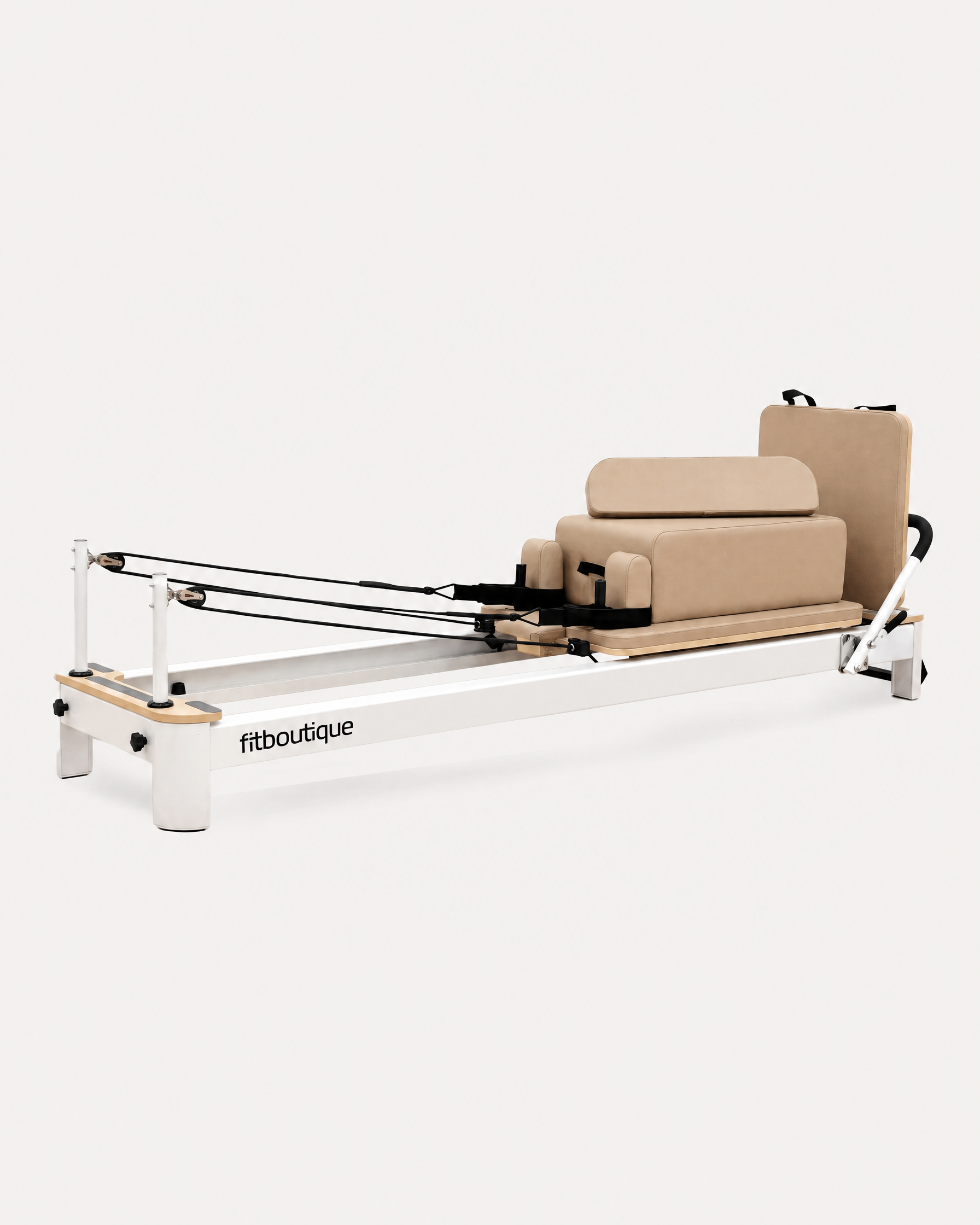
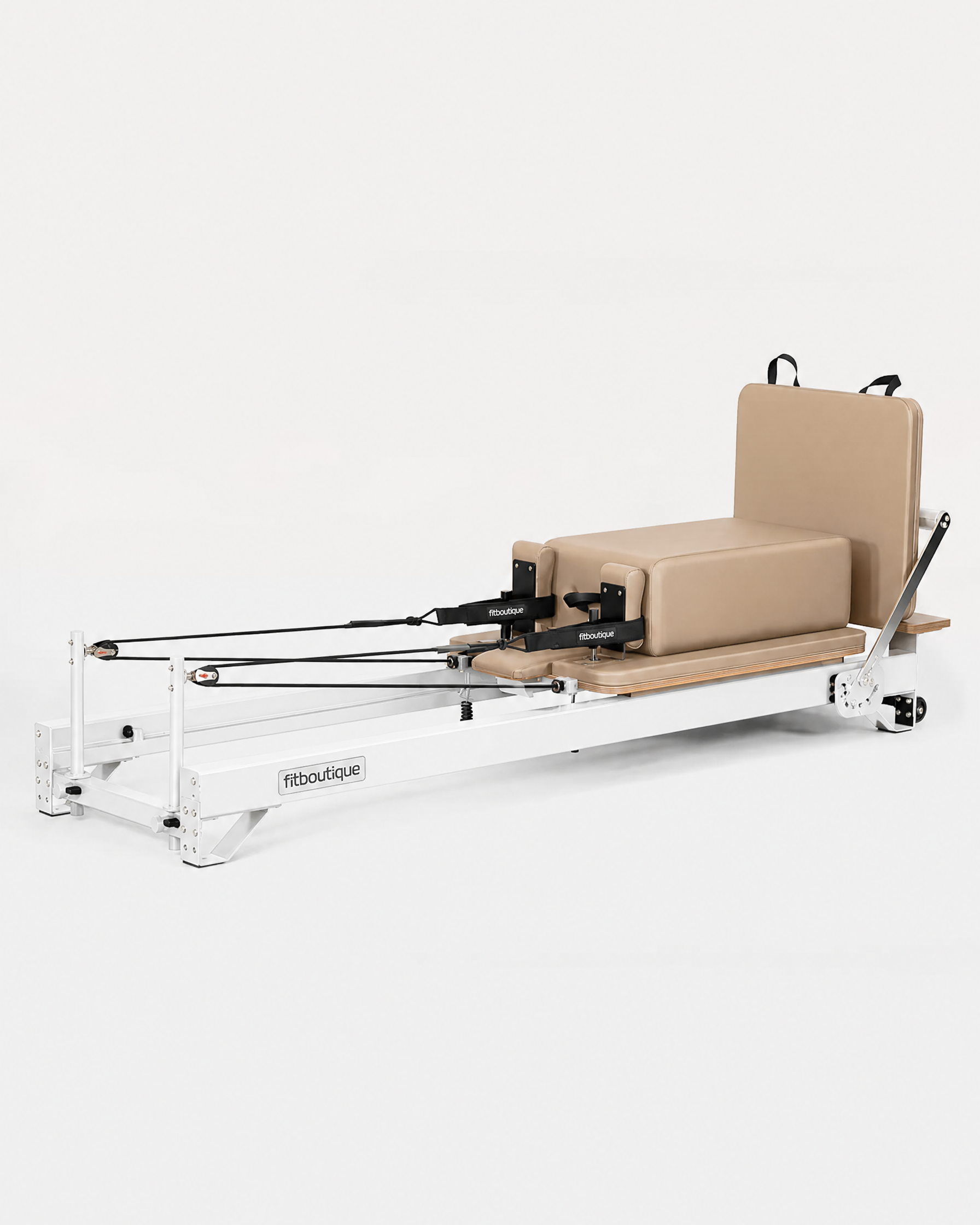
Every FitBoutique reformer arrives assembled with 6 German made springs, a jumpboard and box included, free delivery Australia wide and a 5 year warranty.
Compare Every Reformer
Written by Ayrah Yuso
I'm part of the FitBoutique team and have a solid passion (and love) for all things exercise related, including Reformer Pilates


















Leave a comment