




Pilates Reformer For Apartments
Most advice about reformers in apartments is really advice about small rooms, which is a different problem. A small room is about floor area. An apartment is about the person below you, the lift, the corridor turn outside your door, and whether you will still own this thing after your next move.
I have helped a lot of people work through this, and the room is almost never the part that goes wrong. Here is the apartment specific version.

In this article
Noise and the person below you
This is the first question everyone asks and the one with the best answer.
Normal reformer work is quiet. There is no impact, nothing is dropped, and a well made carriage running on good wheels makes very little sound. Compared with almost any other piece of home fitness equipment, a reformer is the polite option.
Three things make noise, and all of them are avoidable. A rough carriage, which is a machine quality problem rather than an apartment problem. Letting the carriage slam home at the end of a repetition, which you should be controlling anyway. And jumpboard work, which is the one genuinely percussive thing a reformer can do.
If you are above someone, keep the jumpboard for daytime and control your carriage returns. That is the whole noise management plan, and it makes you a better mover as a side effect.
Floors, and what to put underneath
Apartment floors are usually timber, engineered board or tile over concrete, and all of them are fine.
What you want is level and solid. A frame that rocks slightly because one corner sits on an uneven board will feel unstable, transmit more sound and annoy you every session. Check with a spirit level before you decide where it lives, and shim if you need to.
A mat underneath is worth it in an apartment even though it is optional elsewhere. It protects the floor if you are renting, it deadens a little of what travels downward, and it stops the machine walking on a polished surface.
What you do not need is a gym floor build. That is for dropped weights, and you are not dropping anything.
Getting it into the building
This is where apartment purchases actually go wrong, and it is entirely preventable with 10 minutes of measuring.
- Measure the lift. Internal depth, width and door opening. A reformer is long, and the door opening is usually the limit rather than the car.
- Measure the corridor turn outside your door. A long item needs room to pivot. A corridor that is wide enough to walk down is not always wide enough to swing a frame around a corner into a doorway.
- Count the stairs if there is no lift. Then check the landings, because the turn on a landing is the hard part, not the flight.
- Check your front door and any internal doorway. Including whether the door itself can be taken off if needed.
- Book loading dock access if your building requires it. Many do, and it is usually a form and a day of notice rather than a problem.
Our reformers arrive assembled, which saves you a build but means all of the above matters more, not less. If you send me your lift and corridor measurements through the contact page, I will tell you honestly whether a model will make it in.
Strata, leases and landlords
Usually nothing to worry about, with 2 things worth checking.
Strata by laws occasionally cover noise hours and the use of common property, which is relevant for delivery day more than for training. A quick read of the by laws, or a message to your building manager, settles it.
If you rent, a reformer is furniture. It is not a fixture, you are not attaching anything to the building, and nothing about it needs permission. The only thing worth doing is protecting the floor, which the mat covers.
Where it actually goes
In apartments, the reformer nearly always ends up in one of 4 places, and each has a catch.
Along a living room wall. The most common, and the reason folding matters. A machine that is permanently in the middle of a living room stops being welcome quite quickly.
In the bedroom, beside the bed. Works if there is a clear run along one side. Watch the clearance at the foot end, which is where beds and wardrobes usually interfere.
In the second bedroom or study. The best option if you have one, because it can stay set up and a set up machine gets used far more often.
On the balcony. Tempting, and I would not. Weather, salt air and direct sun are hard on upholstery and springs, and a machine that lives outside will not last the way it should.

What happens when you move
Worth thinking about before you buy, because apartment living usually involves moving more often.
A folding machine on wheels moves like a large piece of furniture. A full frame studio machine is a 2 person lift and a careful trip down a lift. Neither is a disaster, but one of them is a reason to choose folding even if your current apartment could take either.
Check the warranty travels with you too rather than being tied to an address. Ours is 5 years and follows the machine.
Which models suit apartments
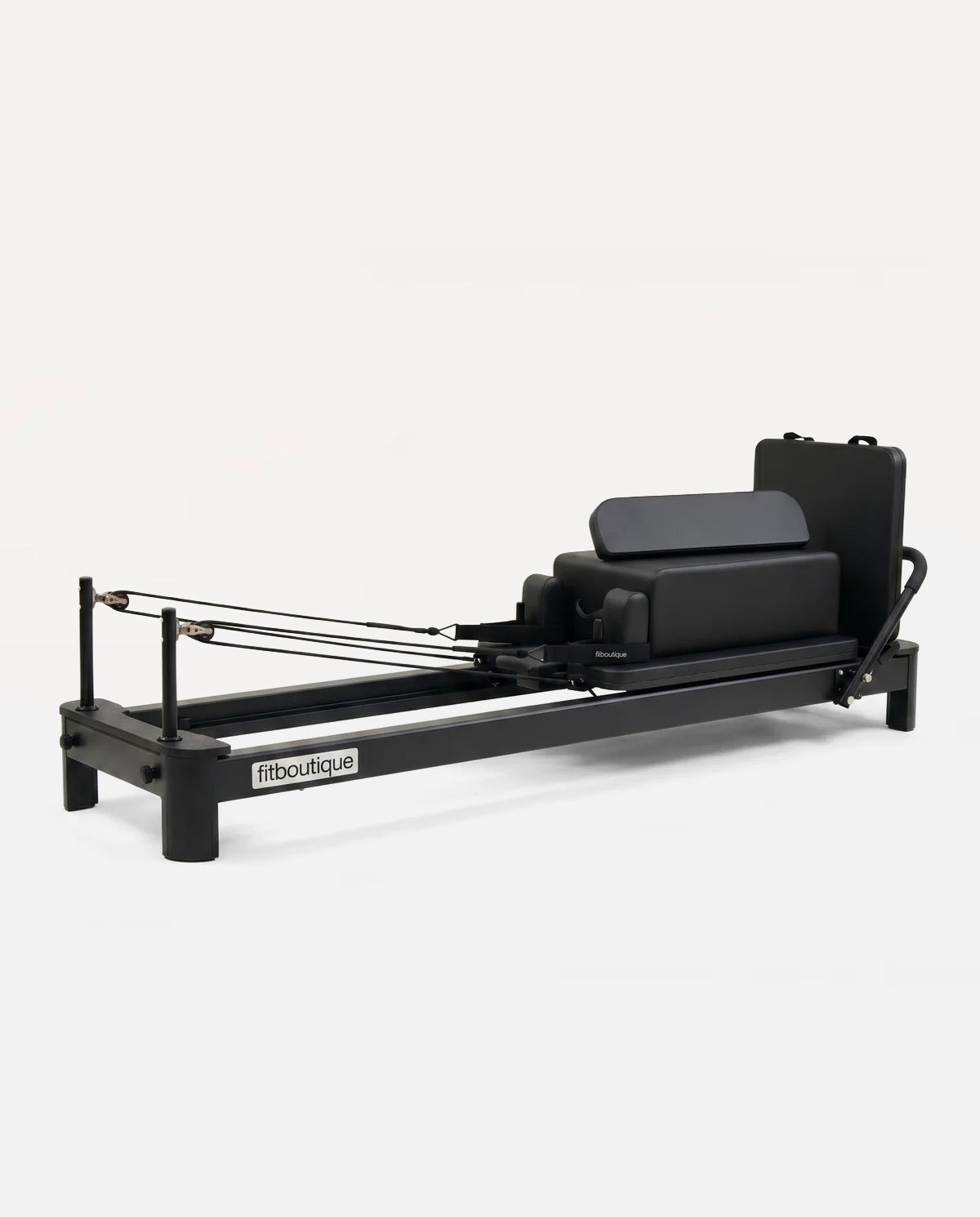
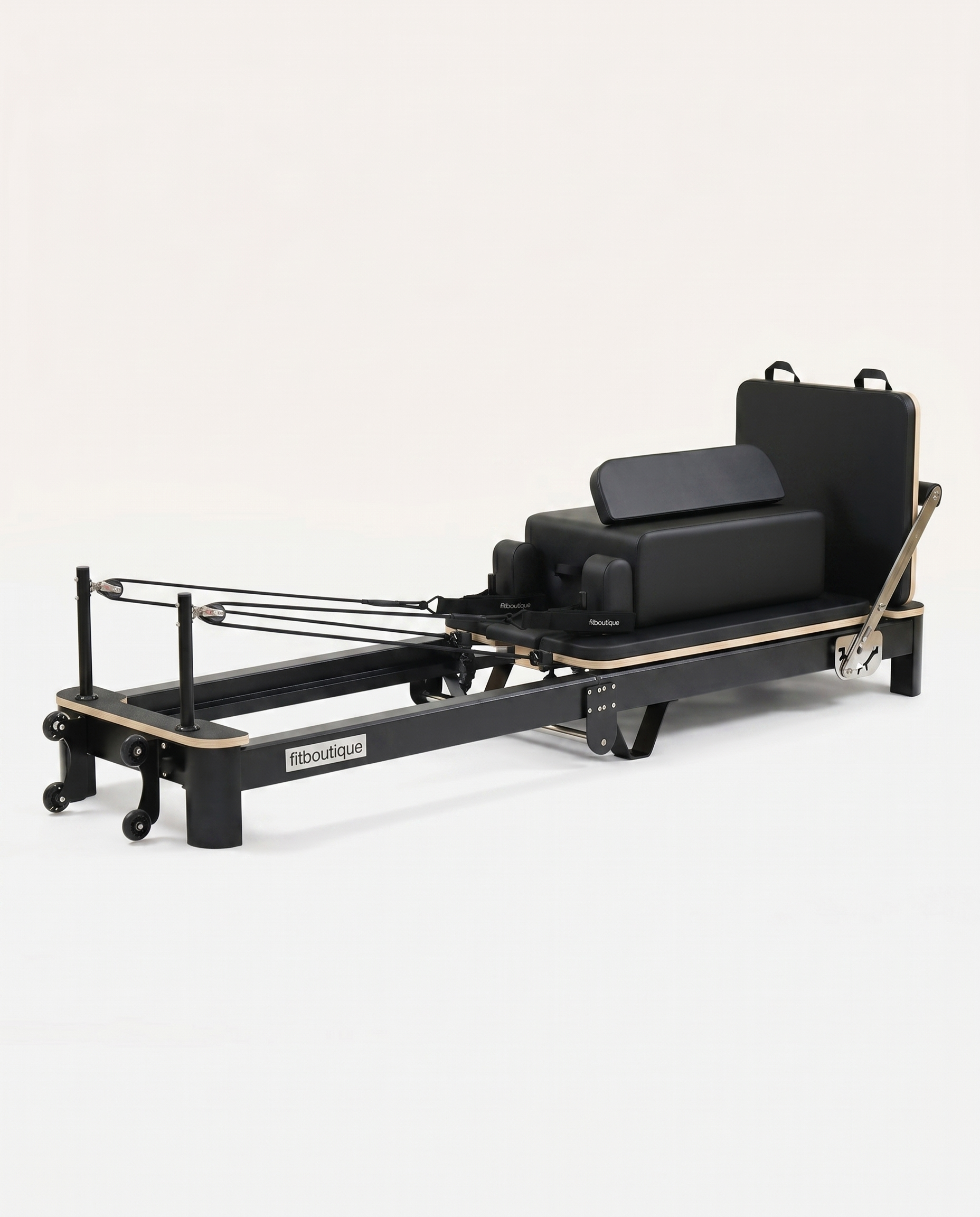
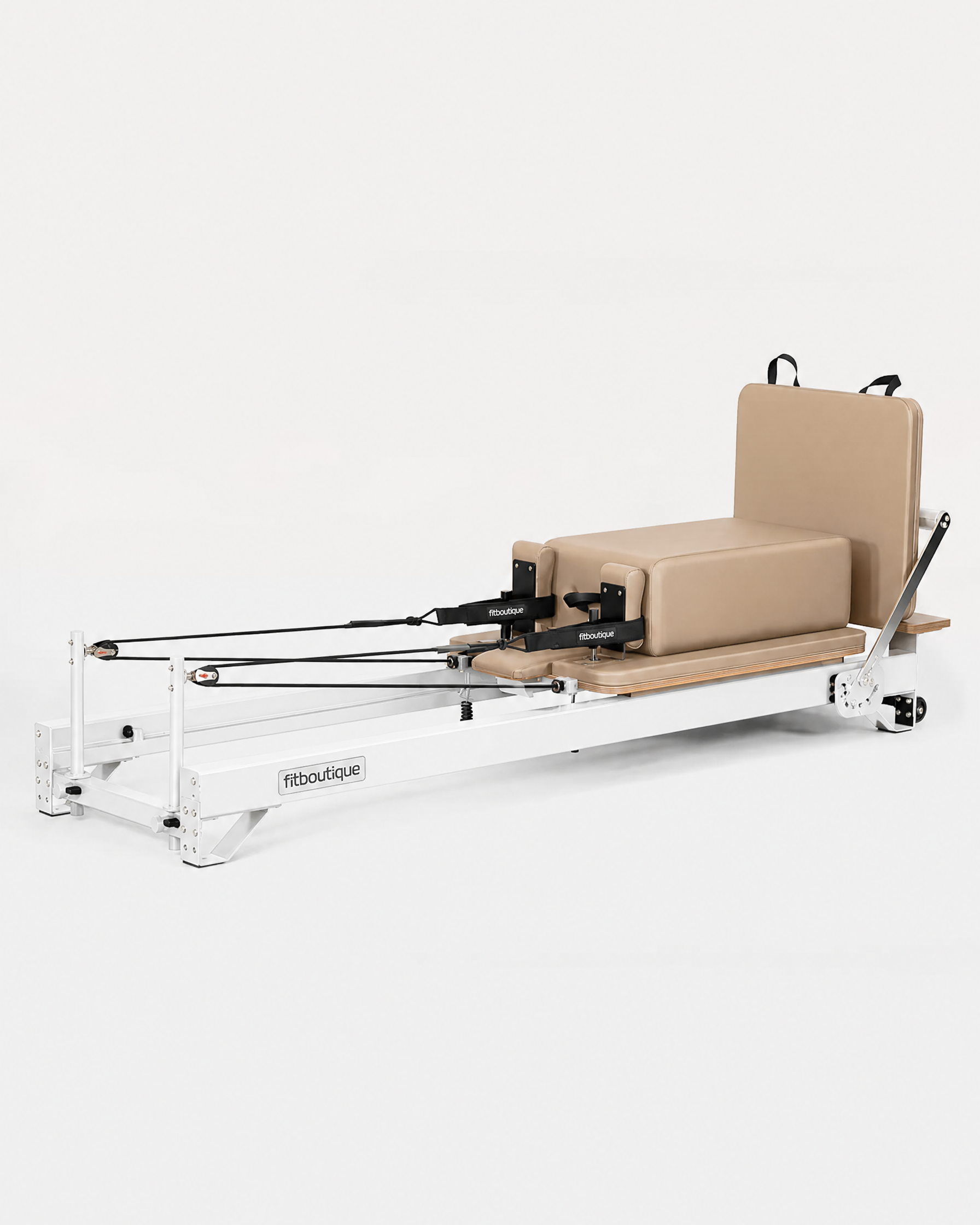
The Onyx Fold Reformer is the apartment answer most of the time. It folds upright, it moves on its wheels, it stores against a wall, and it does not look like gym equipment when it is put away.
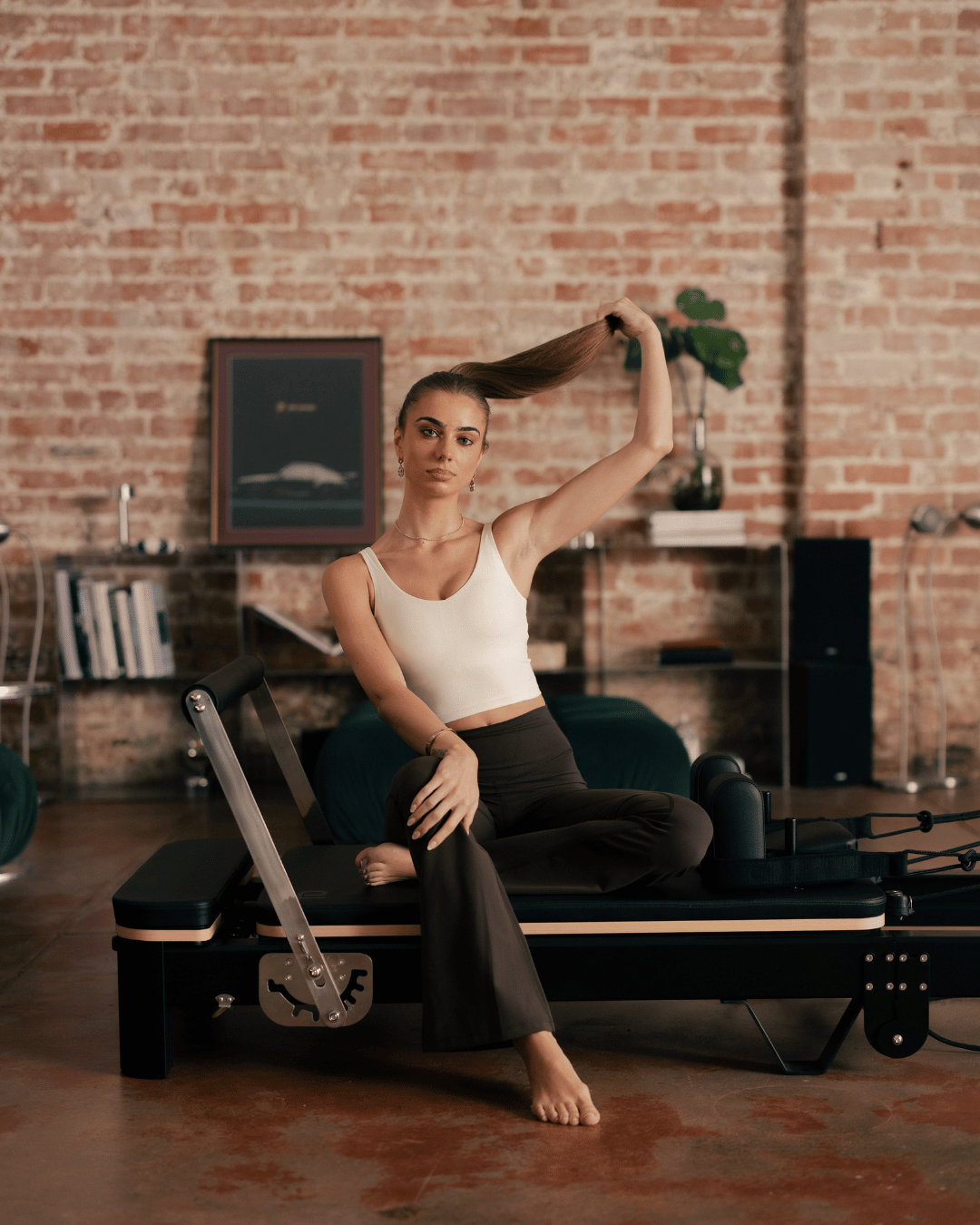
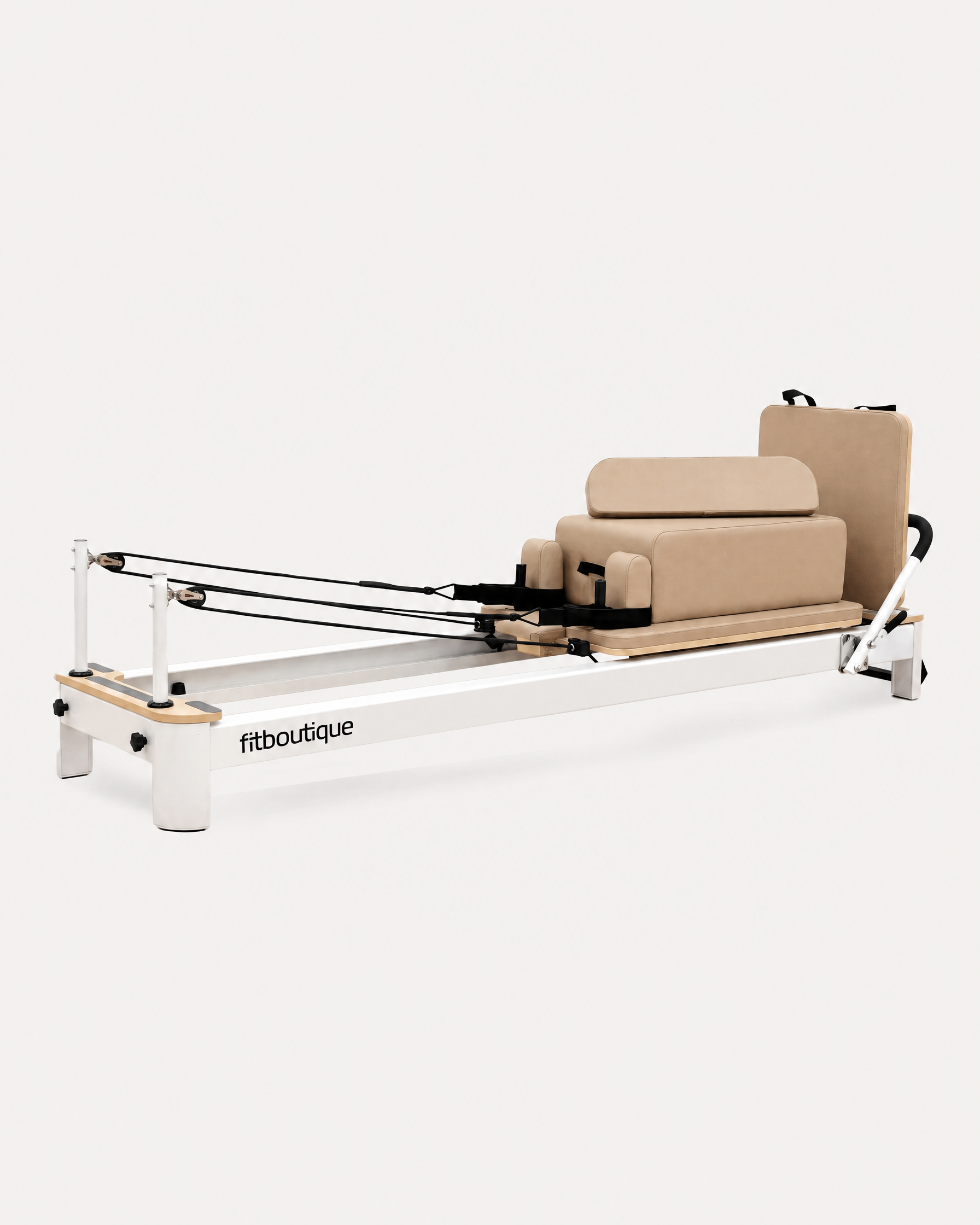
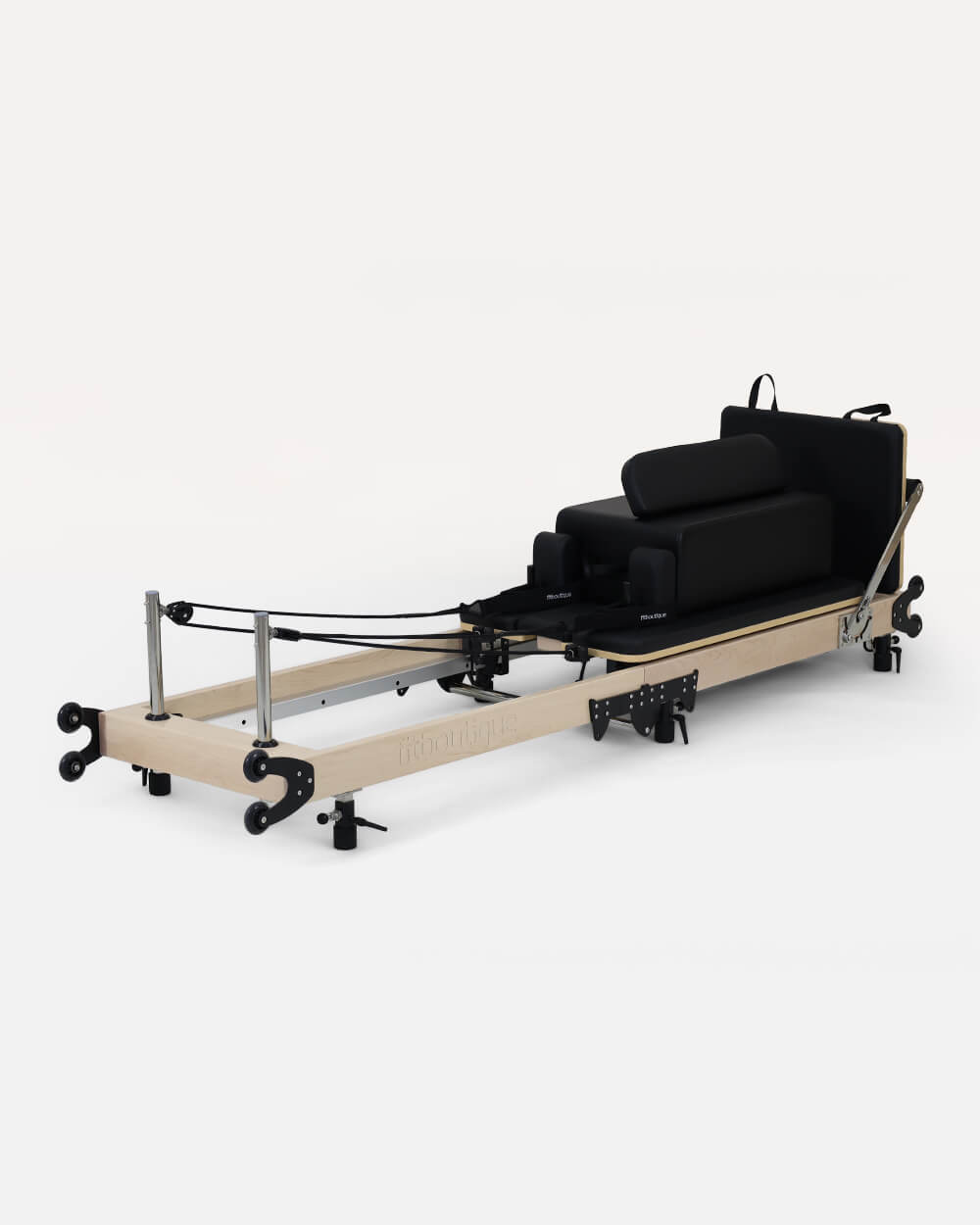
The Maple Crest Reformer is the one to look at if you have a second bedroom it can live in permanently and you want it to look like part of the home rather than equipment.
All of the folding models sit together in the foldable reformer collection. If you want the size question answered properly first, I wrote about what compact really means in the compact Pilates reformer guide, and the full range against room and budget in which reformer fits your space and budget.
A Note From Ayrah
The only genuine problem I have seen with a reformer in an apartment was a delivery, not a workout.
Lift was fine. Corridor was fine. The turn from the corridor into the front door was not, by a margin that a tape measure would have caught in about 90 seconds.
It worked out, because the door came off its hinges and everyone was patient about it, but it turned a 10 minute delivery into an afternoon.
So measure the turn, not just the doorway. It is the one number people never think to take, and it is the one that catches them.
Frequently Asked Questions
Can you use a Pilates reformer in an apartment?
Yes, and it is one of the better pieces of home equipment for apartment living. There is no impact and nothing is dropped, so normal reformer work is quiet. The things to plan are getting it into the building, the floor being level, and keeping jumpboard work to daytime if someone lives below you.
Is a reformer noisy for downstairs neighbours?
Not in normal use. The 3 things that make noise are a rough carriage, letting the carriage slam home at the end of a repetition, and jumpboard work. The first is a machine quality issue, the second you should be controlling anyway, and the third is easy to keep to daytime.
What do I need to check before delivery?
The lift internal size and door opening, the corridor turn outside your door, the stairs and landings if there is no lift, your own doorways, and whether your building requires loading dock access. The corridor turn is the measurement people forget and the one that most often causes a problem.
Do I need permission from strata or my landlord?
Generally no. A reformer is furniture, not a fixture, and nothing is attached to the building. It is worth a quick look at the by laws for noise hours and common property rules, which matter mainly for delivery day. If you rent, put a mat underneath to protect the floor.
What should I put under a reformer in an apartment?
A mat. It protects the floor, deadens a little of what travels downward and stops the machine moving on a polished surface. You do not need a gym floor build, since nothing is being dropped.
Can I keep a reformer on the balcony?
I would not. Weather, sun and salt air are hard on upholstery and springs, and a machine kept outside will not last the way it should.
Where is the best place for it in an apartment?
A second bedroom or study if you have one, since a machine that can stay set up gets used far more often. Otherwise along a living room wall with a folding model, so the room goes back to being a living room between sessions.
What happens when I move?
A folding machine on wheels moves like a large piece of furniture. A full frame studio machine is a 2 person lift and a careful trip down a lift. If you expect to move again, that is a good reason to choose folding even if your current place could take either.
Built To Fit Through The Door
Every FitBoutique reformer arrives assembled with 6 German made springs, a jumpboard and box included, free delivery Australia wide and a 5 year warranty.
See The Folding Range
Written by Ayrah Yuso
I'm part of the FitBoutique team and have a solid passion (and love) for all things exercise related, including Reformer Pilates

















Leave a comment