






Where To Put A Reformer At Home
People spend weeks choosing a reformer and about 5 minutes deciding where to put it. That is the wrong way round, because the room decides how often you use the machine, and how often you use it decides everything else.
This is the room by room version. What actually works, what quietly does not, and the 4 things worth checking before you commit to a spot.

In this article
The rule that decides it
Put the reformer where you will see it and where setting up costs you nothing.
Every failed home setup I have come across broke one of those. The machine was in a room nobody goes into, so it stopped existing. Or getting to it meant moving a chair, clearing a rug and finding an extension lead, and those 90 seconds turned into a reason not to bother on a tired day.
A slightly worse room you walk past every day beats a perfect room at the end of the house. That is the whole principle, and it overrules almost every other consideration below.
Room by room
The spare room. The obvious answer and usually the right one, with a catch. If the spare room is also where guests sleep, a permanently set up machine turns it into a Pilates room for good. Fine if everyone agrees. A source of friction if nobody discussed it.
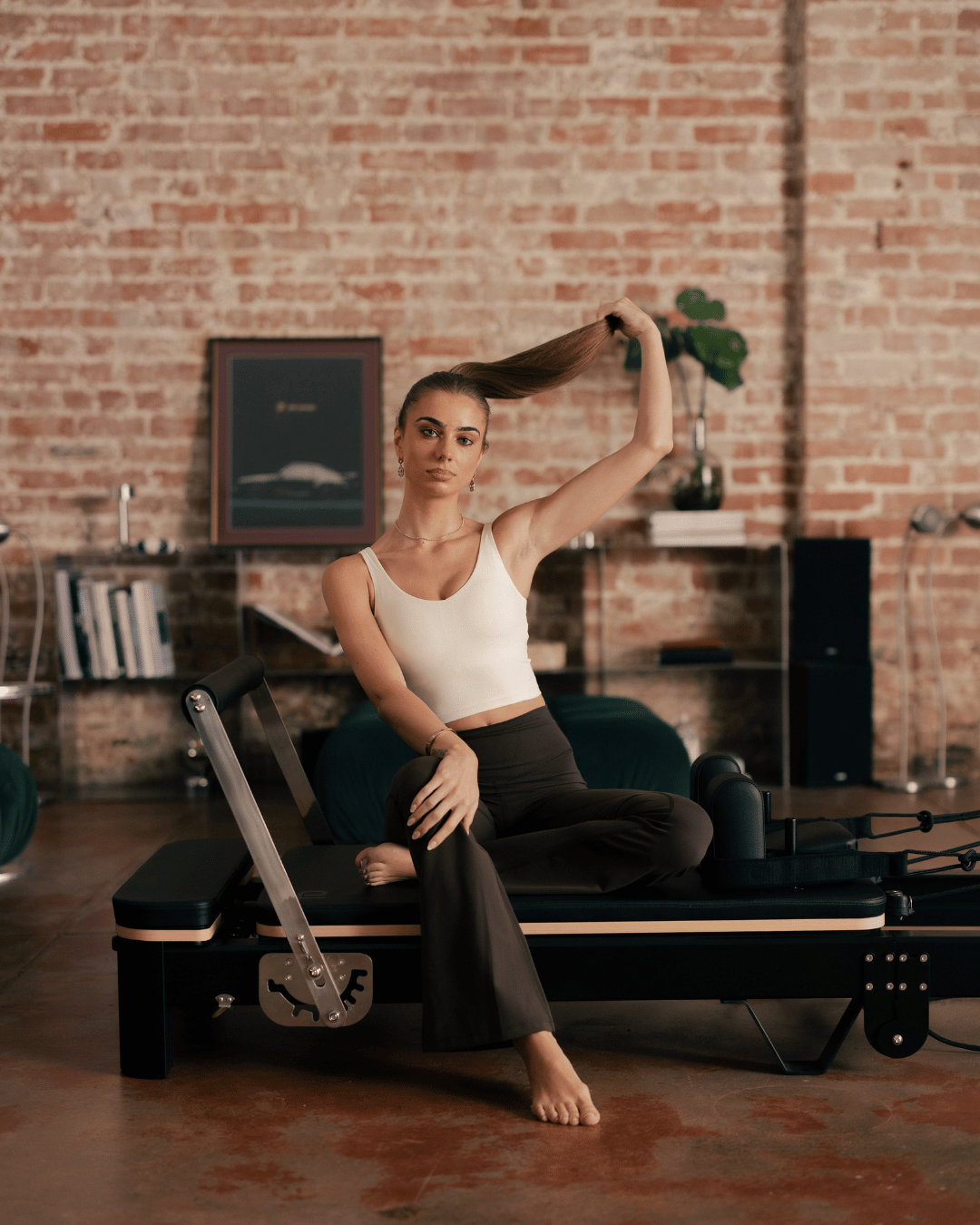
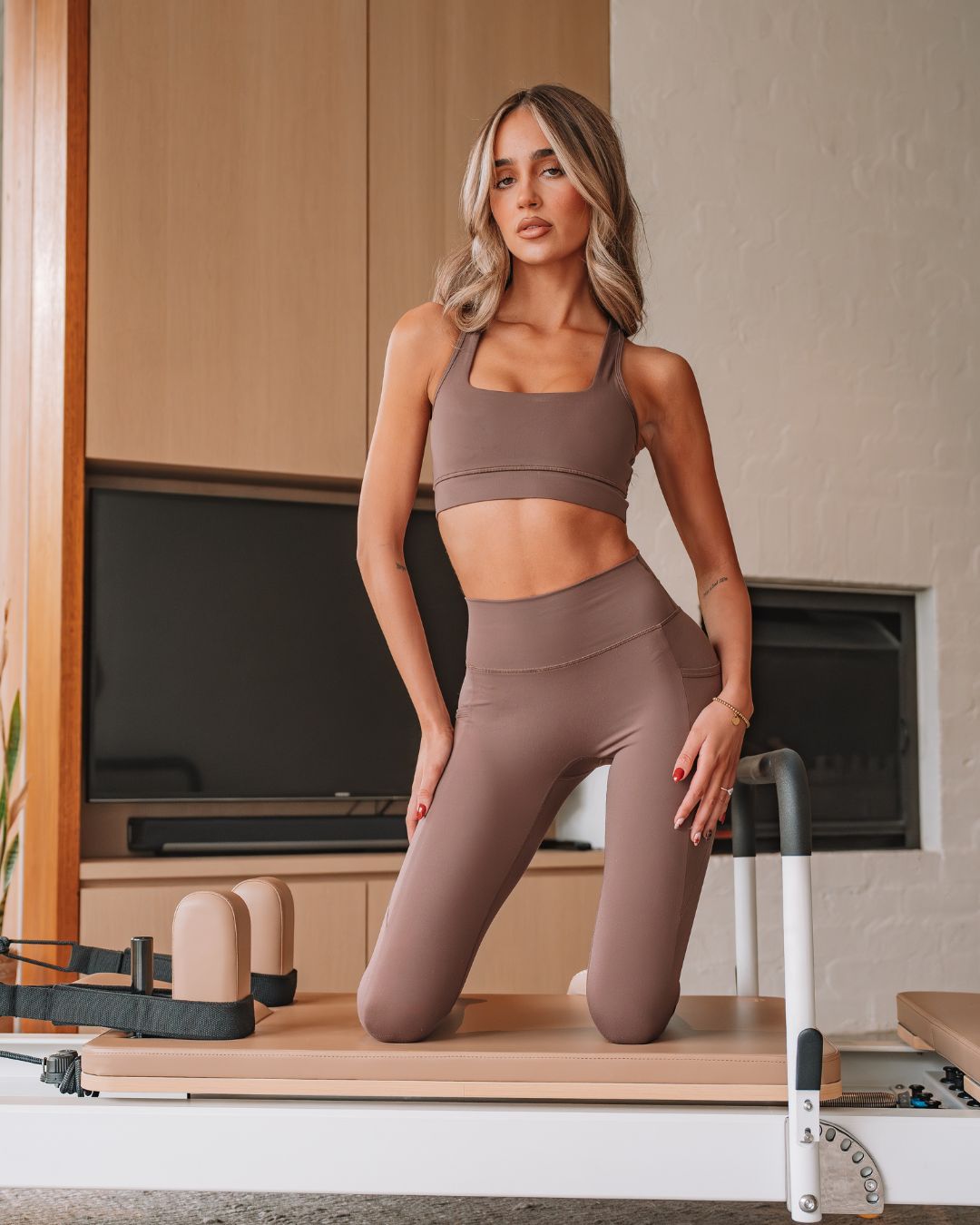
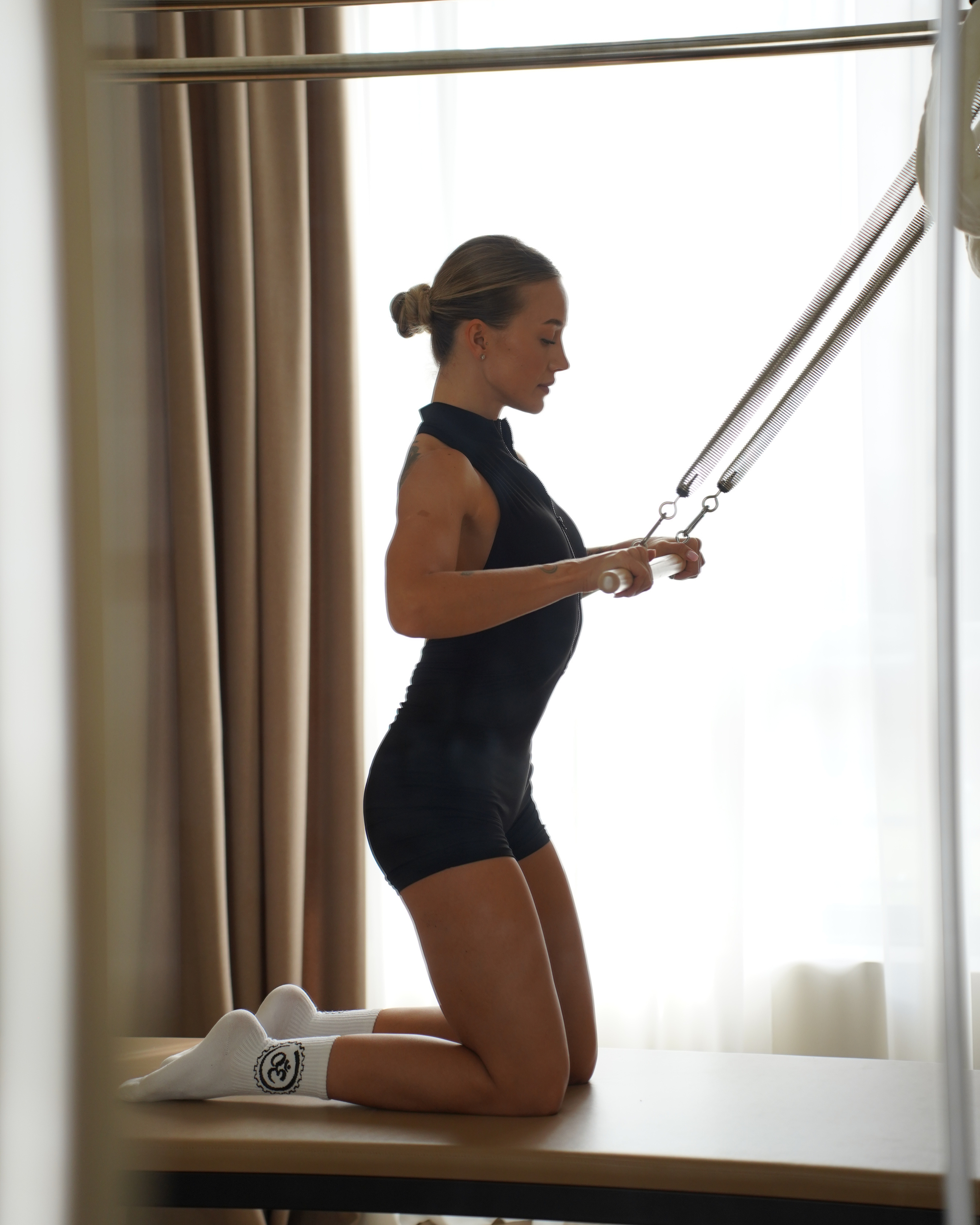
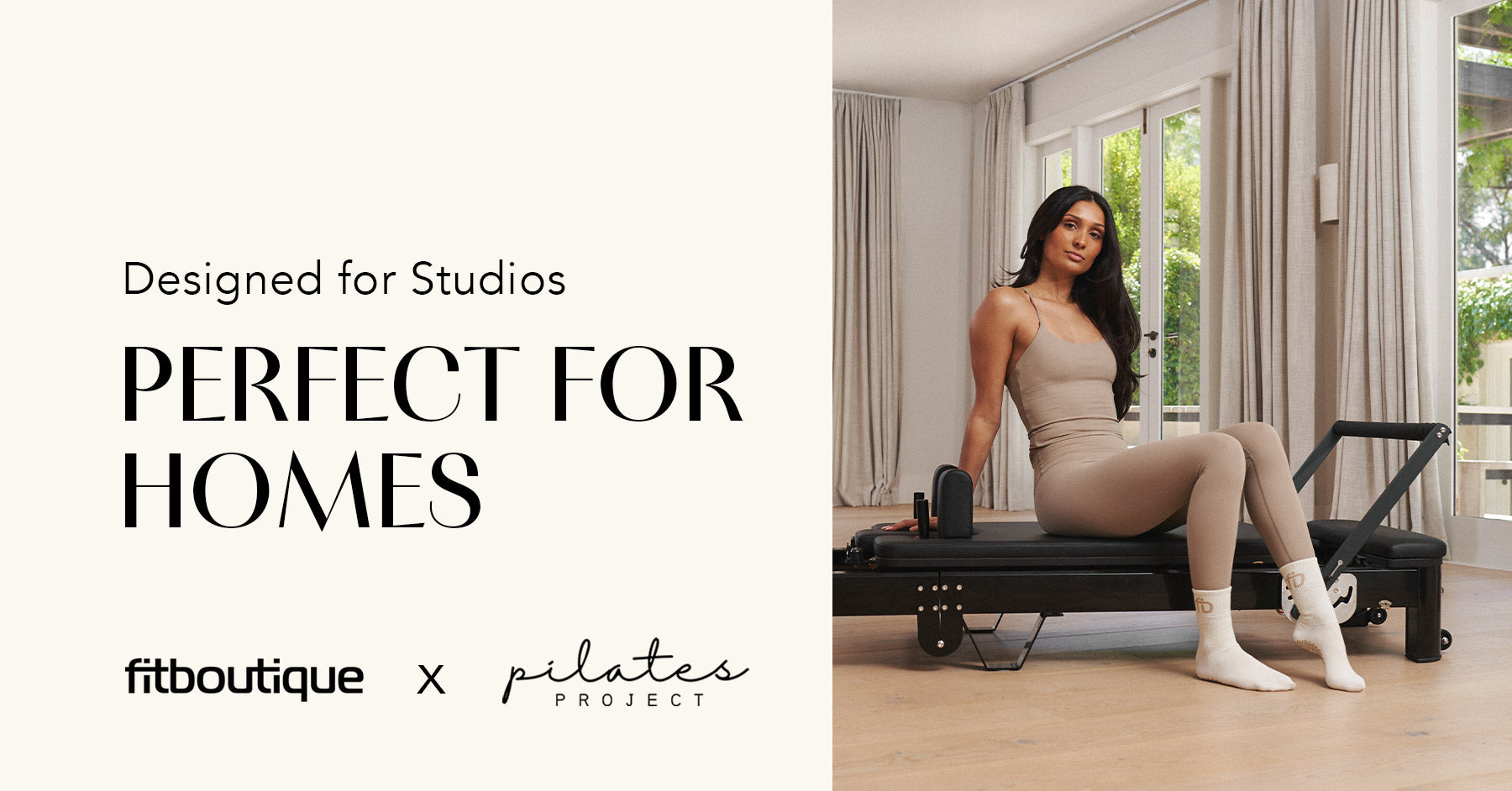
The lounge. Works far better than people expect, and it is the room with the highest chance of you actually using the machine, because you are in it. It only works with a folding model or a machine you genuinely like the look of, because it is on display permanently.
The bedroom. Good for early morning training and quite common. Watch the clearance along one long side, which is where beds and wardrobes interfere, and be honest about whether you want gym equipment in the room you sleep in.
The garage. The room people choose for space and then stop using. Cold in winter, hot in summer, dusty, usually poorly lit, and out of sight. If the garage is genuinely your only option, spend money on lighting and a rug before you spend it on anything else.
The study or office. Underrated. You are already in there, the light is usually decent, and a folding machine slides against a wall between sessions. The main constraint is floor area rather than anything else.
Under the house or an outdoor room. Only if it is fully enclosed and dry. Damp and salt air are hard on upholstery and springs, and a machine stored in a humid space will show it.
Four things to check
- Is the floor level. A frame that rocks because one corner sits on an uneven board feels unstable and will annoy you every single session. Check with a level before you commit, and shim if you need to.
- Is there clearance at the foot end. The carriage travels, so you want space behind it rather than a skirting board. About half a metre is comfortable.
- Can you get on and off from one long side. You need enough room to sit, kneel, stand and swing a leg out without hitting furniture. This is the clearance people forget.
- Is there light and air. Not an aesthetic point. A dark, stuffy corner is a room you avoid, and avoidance is the only real failure mode of a home setup.
Which way to face it
Along a wall, with the foot end pointing into the room rather than at the wall, is the layout that works in most homes. It keeps the carriage travel clear and gives you one open long side to work from.
Facing a window is lovely and worth doing if the option exists. Facing a television is the other genuinely useful option, and I am not going to be sniffy about it, because plenty of people follow guided classes on a screen.
What I would avoid is the middle of a room. It looks good in photographs and it means the machine is in the way of everything, which is how it ends up somewhere else.

What happens between sessions
This is the question that separates a setup that lasts from one that does not.
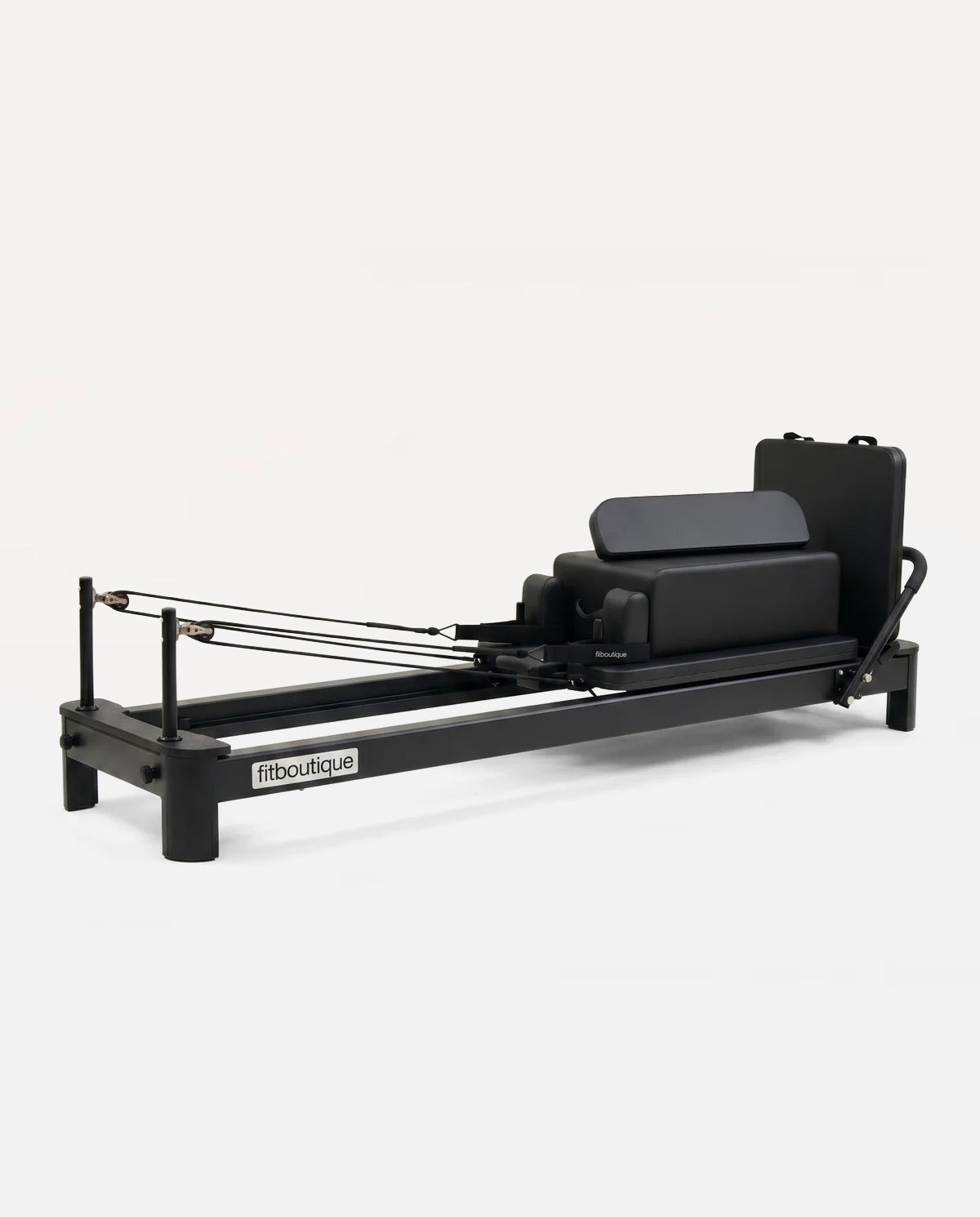
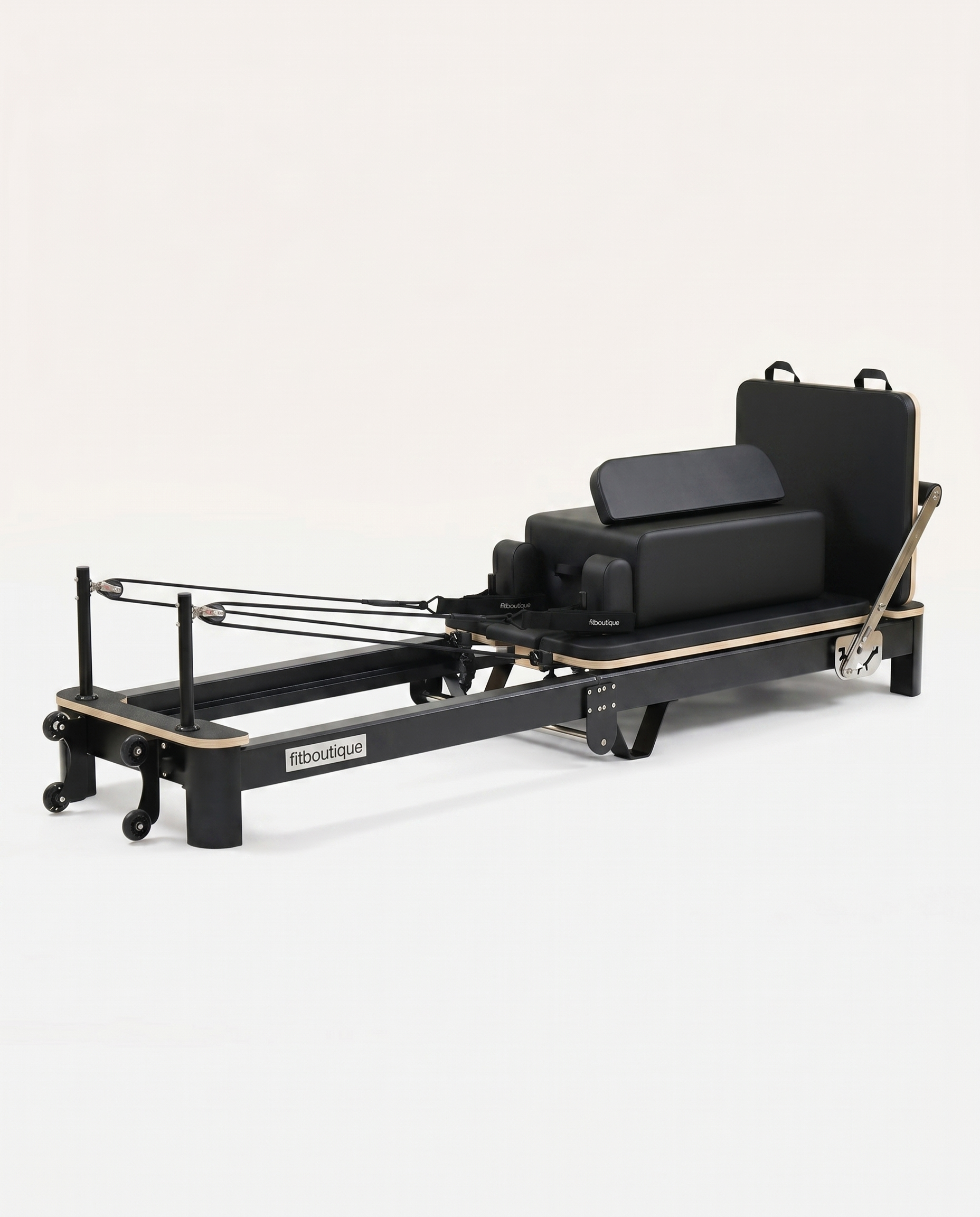
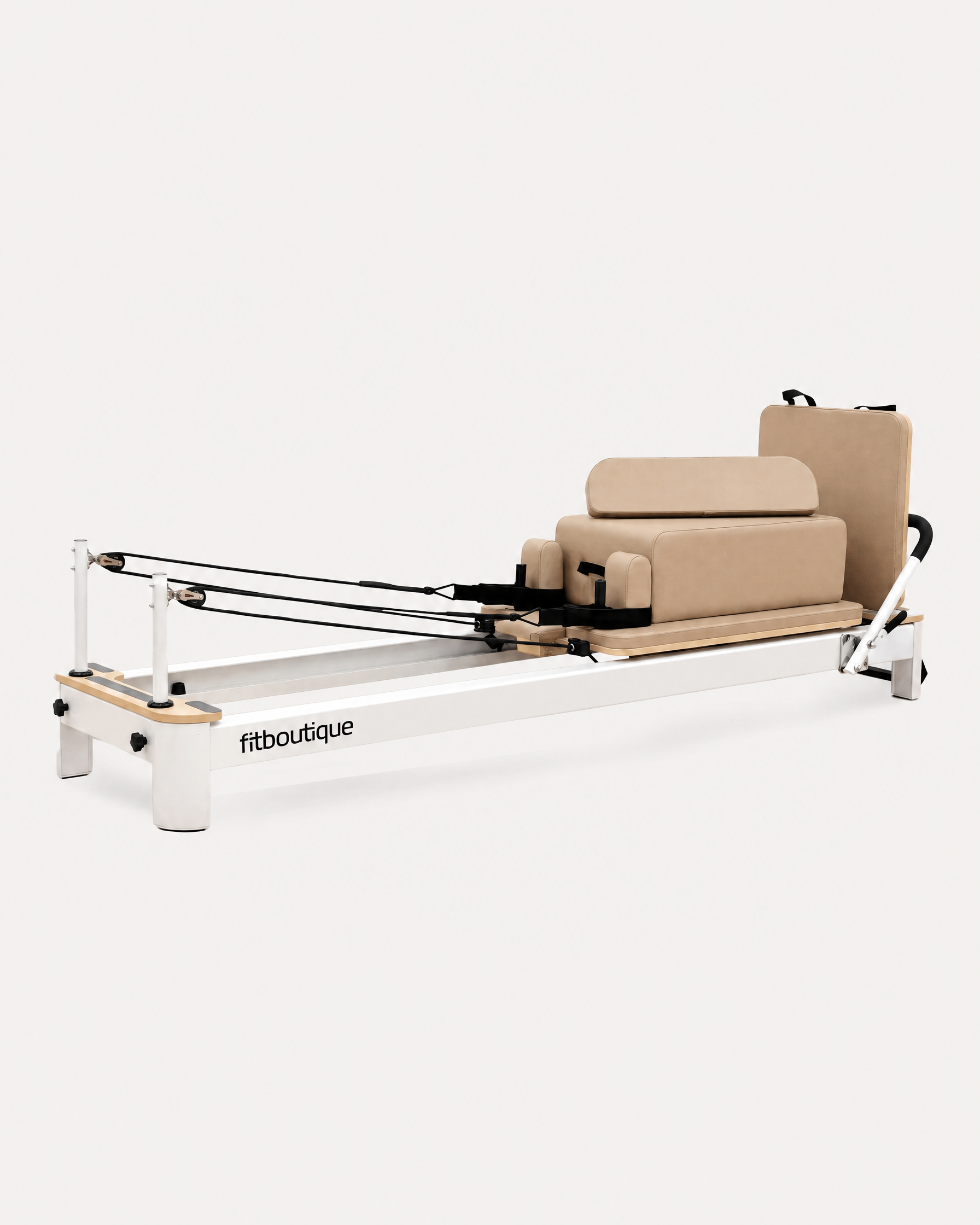
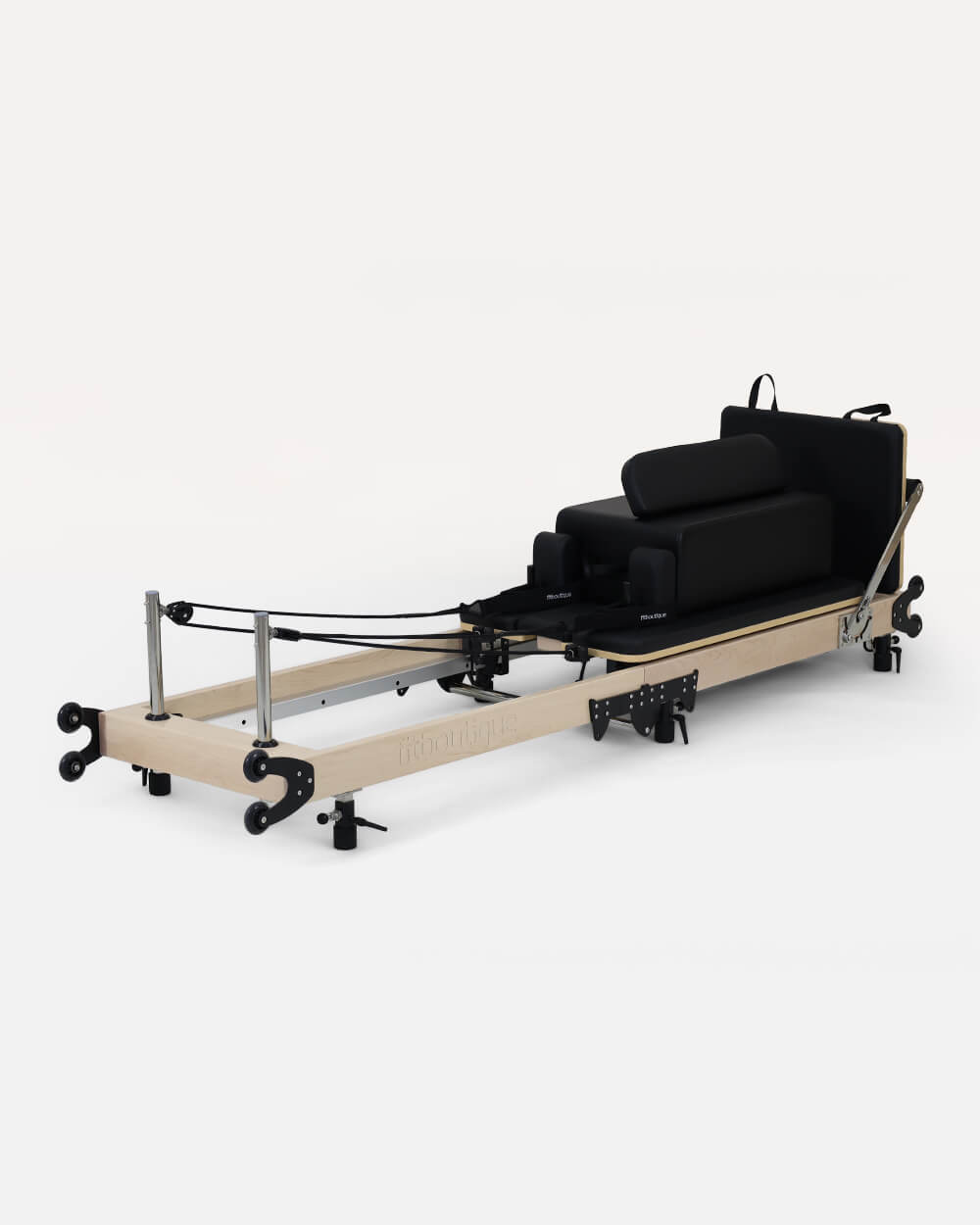
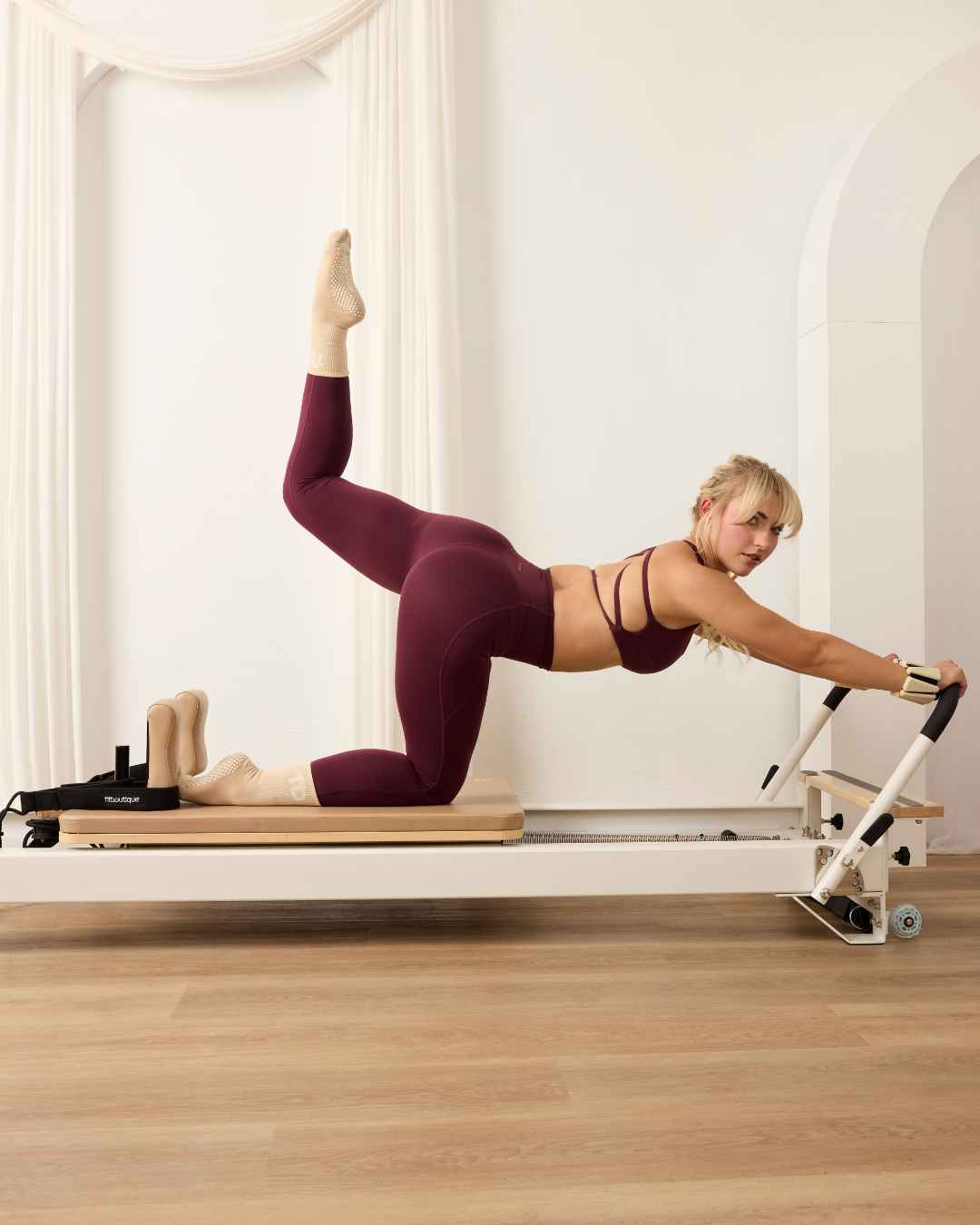
If the machine stays out, you need to be happy looking at it, and that is a real consideration in a lounge or a bedroom. A timber framed machine in a neutral tone reads very differently from black steel, which is most of the reason our range looks the way it does.
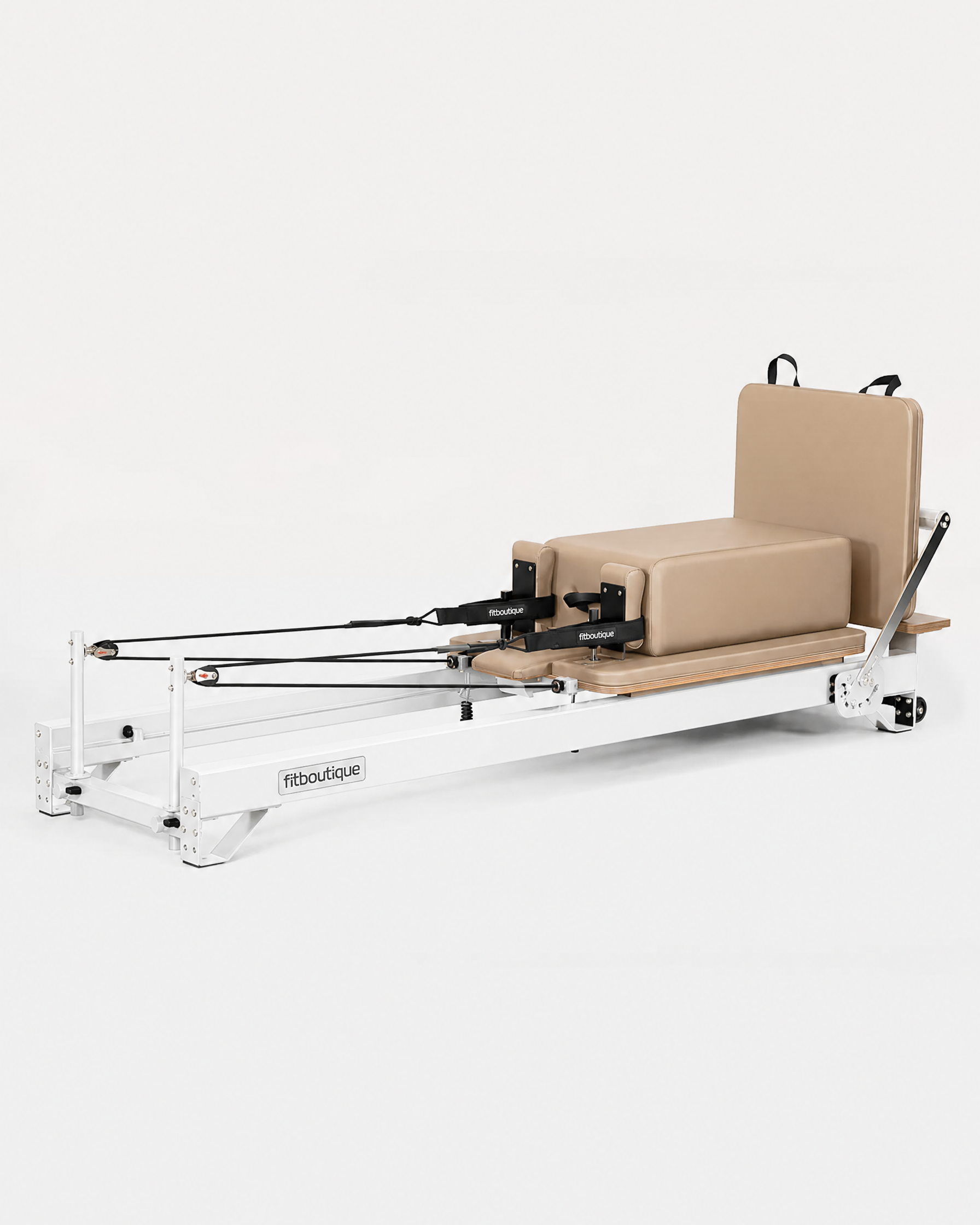
If the machine folds away, you need somewhere for it to go, and that place should be within a few steps. A folding reformer stored in another room is a folding reformer you stop folding.
Accessories want one home. A basket or a shelf within reach of the machine, holding the mat, the box attachment and anything else. Hunting for a strap is a small thing that becomes a reason to skip.
Making the spot work
Three cheap things that change how much a room gets used.
Light. A lamp in a dim corner does more for consistency than any accessory. Warm light in the evening, and open the blind in the morning.
A rug or a mat underneath. Protects the floor, stops the frame moving on a polished surface, and visually defines the space as a training area rather than a corner with a machine in it.
A speaker. Small, but a room with sound in it feels like a place you train, and a silent spare room does not.
If you have not chosen the machine yet, the room should influence that decision rather than the other way round. I compared the range against room size in which reformer fits your space and budget, and what compact really means in the compact Pilates reformer guide. For the full kit list, see building a home Pilates gym.
If you have already chosen wrong
Move it. That is genuinely the whole answer, and almost nobody does it.
If you have a machine you are not using, the most likely cause is not motivation, it is location. People treat the first spot as permanent because moving a reformer feels like a project, and then spend a year not training rather than an hour rearranging a room.
Folding models move on wheels. Full frame machines are a 2 person lift. Either way it is an afternoon, and it is the highest return afternoon available to you.
If you want a second opinion on where a machine should go in your place, get in touch with your room measurements and I will tell you what I would do.
A Note From Ayrah
My reformer spent its first 4 months in the best room in the house and I used it about twice a fortnight.
The room was lovely. It was also at the end of a hallway, behind a door that was usually closed, and I genuinely forgot the machine was there for days at a time.
I moved it into the lounge, against the wall where a bookshelf had been, expecting to hate how it looked. Training went from twice a fortnight to 3 times a week almost immediately, and I stopped noticing it within about a week.
Nothing about my discipline changed. The machine just stopped being somewhere I had to decide to go.
Frequently Asked Questions
Where should I put a reformer at home?
Somewhere you walk past daily and where setting up costs you nothing. A slightly worse room you see every day beats a perfect room at the end of the house, because the distance between deciding to train and starting to train is what determines how often you use it.
Can a reformer go in the lounge?
Yes, and it is often the room where people train most, because they are already in it. It works best with a folding model or a machine you genuinely like the look of, since it will be on display.
Is the garage a good place for a reformer?
It is the room people choose for space and then stop using. Cold, hot, dusty, usually dim and out of sight. If it is your only option, spend money on lighting and a rug before anything else.
How much clearance does a reformer need around it?
About half a metre at the foot end for the carriage to travel, and enough room along one long side to sit, kneel, stand and swing a leg out without hitting furniture. That side clearance is the one people forget.
Does the floor need to be level?
Yes. A frame that rocks because one corner sits high feels unstable, transmits more sound and will irritate you every session. Check with a level before you commit to a spot and shim if needed.
Which way should the reformer face?
Along a wall with the foot end pointing into the room, so the carriage travel stays clear and you have one open long side. Facing a window or a screen are both good. The middle of a room looks good in photos and gets in the way of everything.
Can a reformer live outside or under the house?
Only if the space is fully enclosed and dry. Damp and salt air are hard on upholstery and springs, and a machine kept in a humid space will show it before long.
I bought one and I am not using it. What now?
Move it. The usual cause is location rather than motivation, and people leave a machine in the wrong room for a year because moving it feels like a project. It is an afternoon, and it is the highest return afternoon available to you.
Put It Somewhere You Will Use It
Every FitBoutique reformer arrives assembled with 6 German made springs, a jumpboard and box included, free delivery Australia wide and a 5 year warranty.
Compare Every Reformer
Written by Ayrah Yuso
I'm part of the FitBoutique team and have a solid passion (and love) for all things exercise related, including Reformer Pilates

















Leave a comment