




The Benefits of Full-body Reformer Pilates VS Traditional Mat Pilates
Pilates has long been celebrated for its ability to build strength, improve posture, and enhance overall wellbeing. While traditional Mat Pilates remains a popular and accessible option, Full-Body Reformer Pilates has rapidly gained traction—particularly in professional studios and home studios seeking more targeted, versatile, and results-driven workouts.
So what’s the difference, and which option delivers the most benefits? Let’s explore how Full-Body Reformer Pilates compares to Mat Pilates and why many Pilates instructors and enthusiasts are making the switch.
What Is Traditional Mat Pilates?
Mat Pilates is performed on the floor using body weight as resistance. It focuses heavily on core strength, mobility, flexibility, and controlled movement. Minimal equipment is required, making it ideal for beginners or those looking for a simple, low-cost entry into Pilates.
Key benefits of Mat Pilates include:
- Improved core strength and stability
- Increased flexibility and mobility
- Better posture and body awareness
- Accessibility for all fitness levels
However, Mat Pilates can be limited when it comes to progression, resistance, and full-body engagement—especially for those seeking more strength-based or rehabilitative workouts.
What Is Full-Body Reformer Pilates?
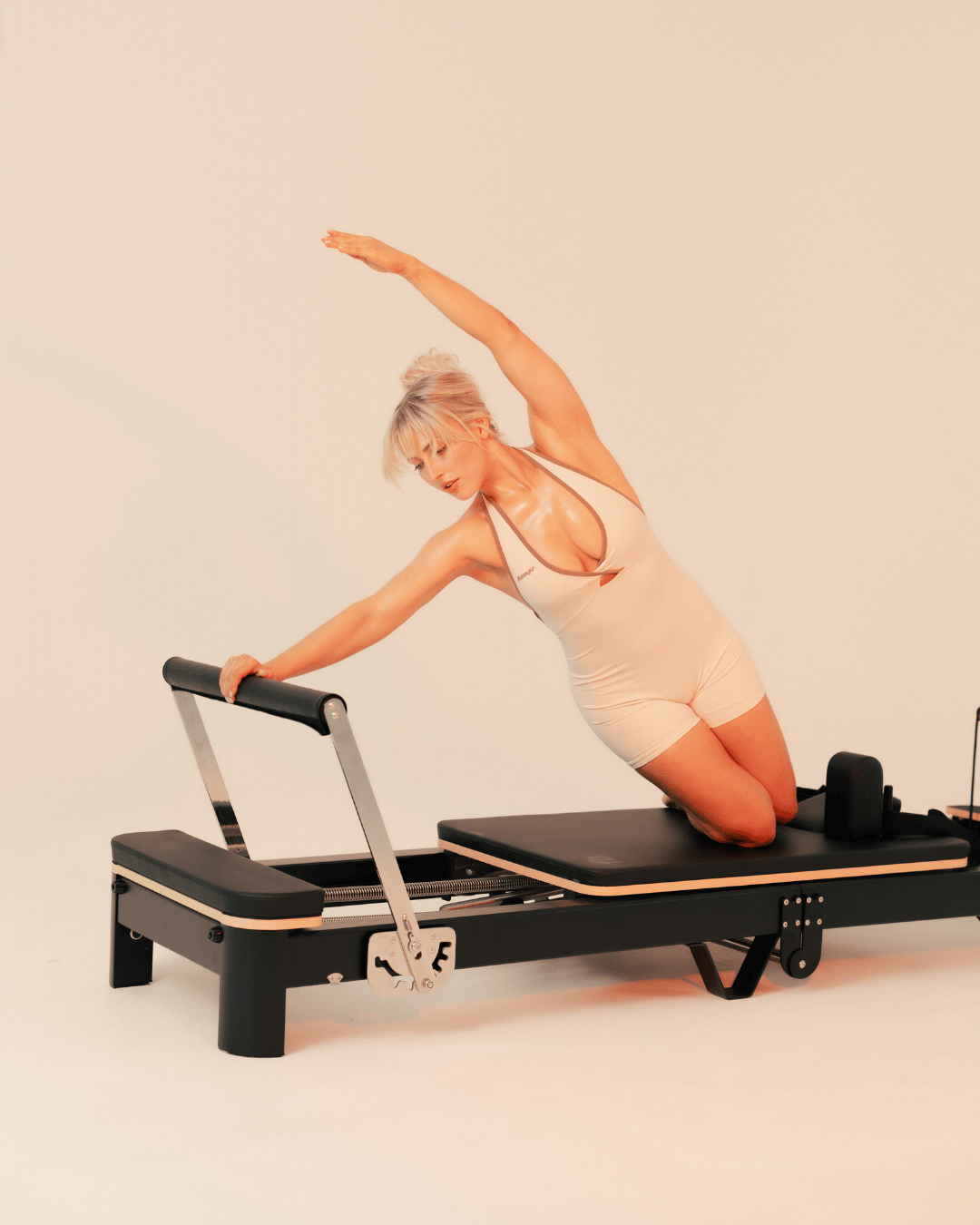
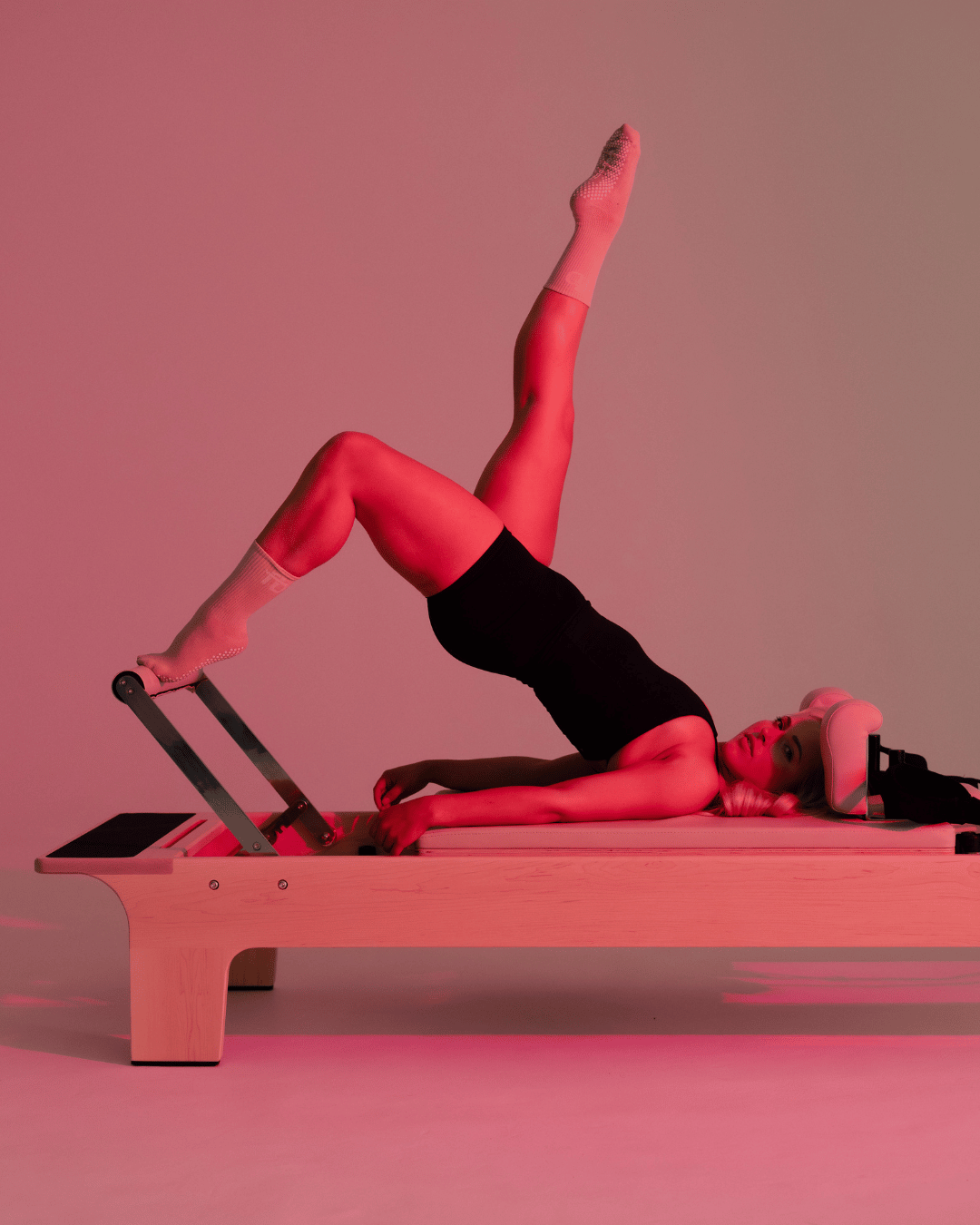
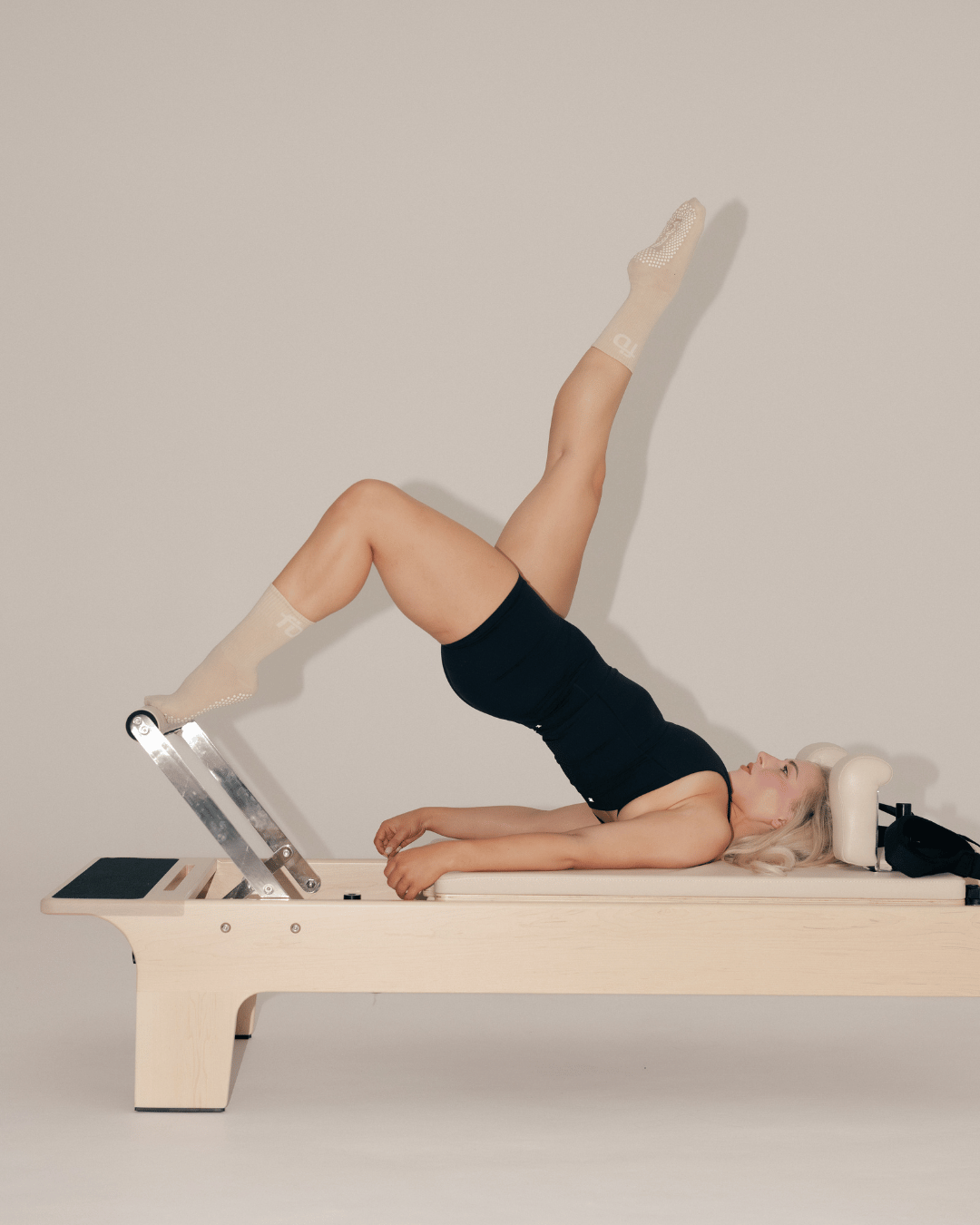
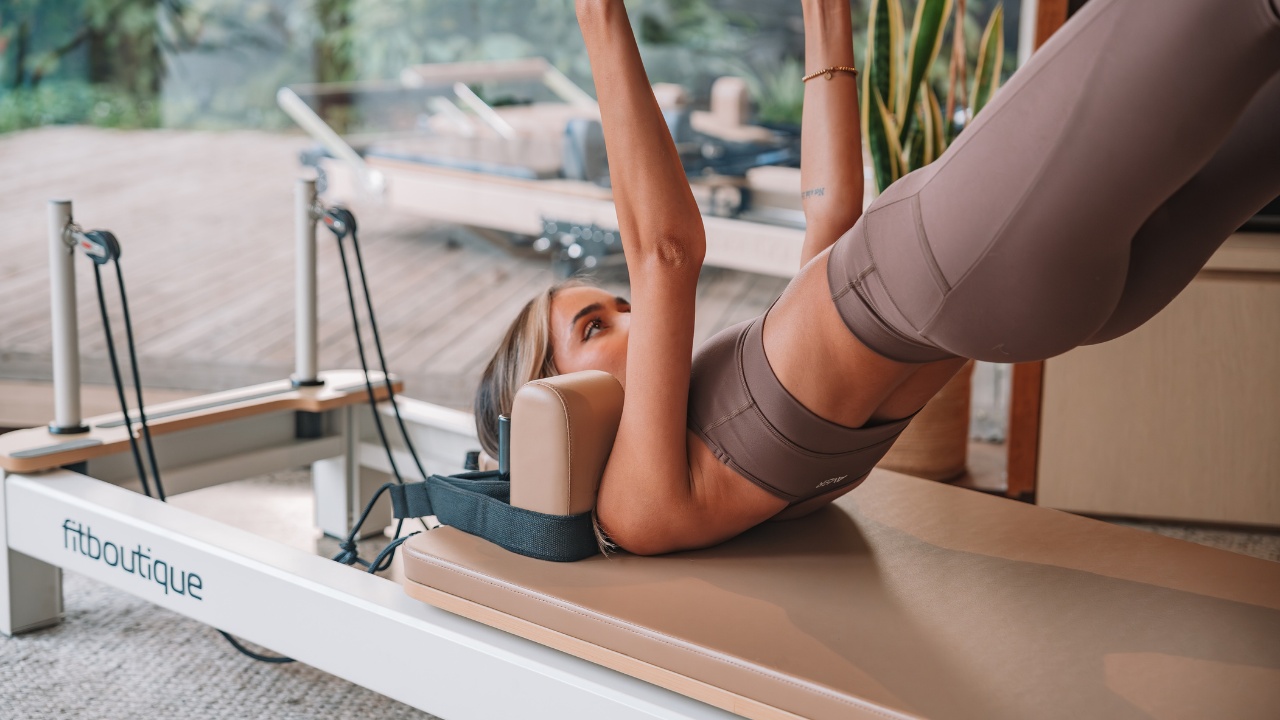
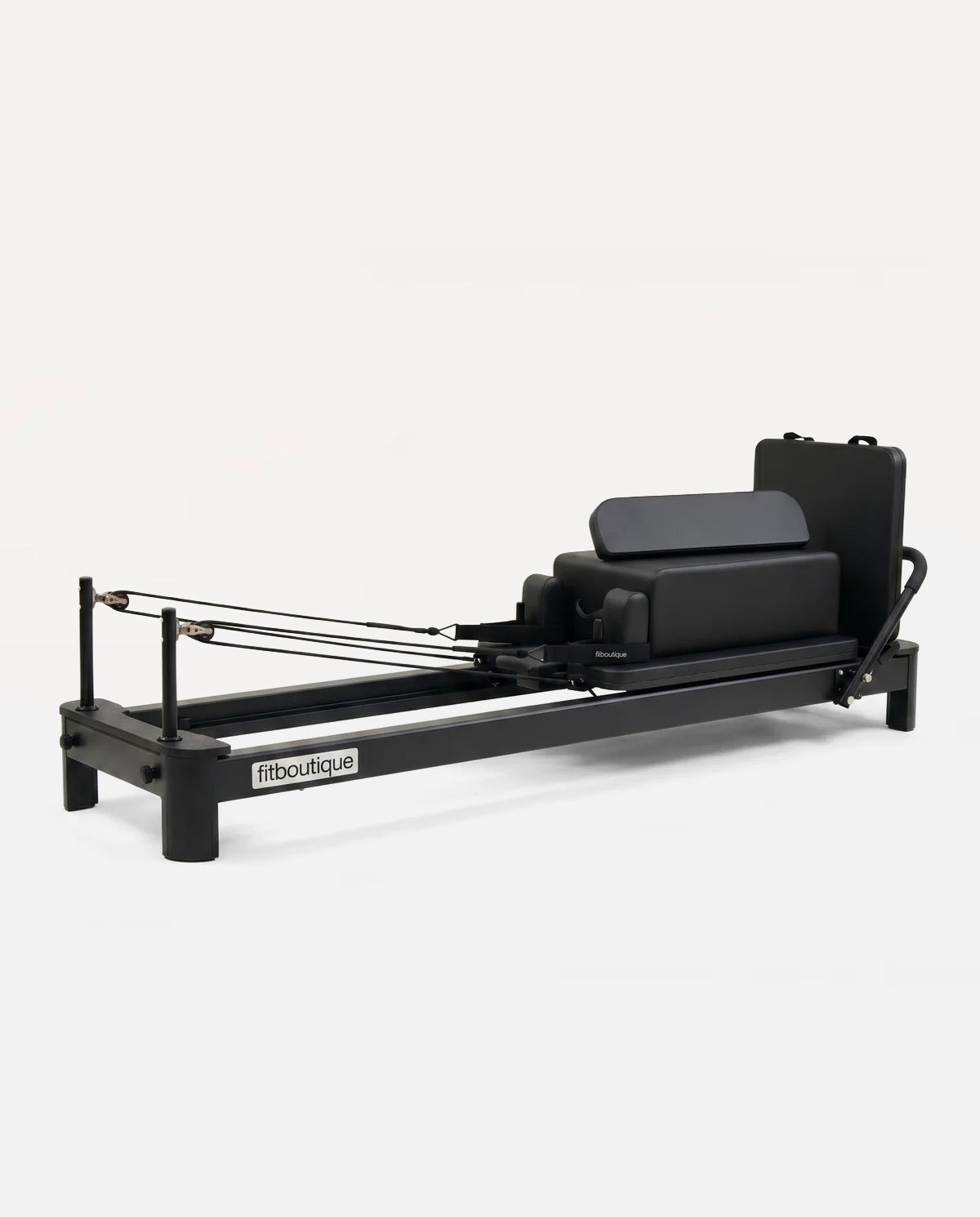
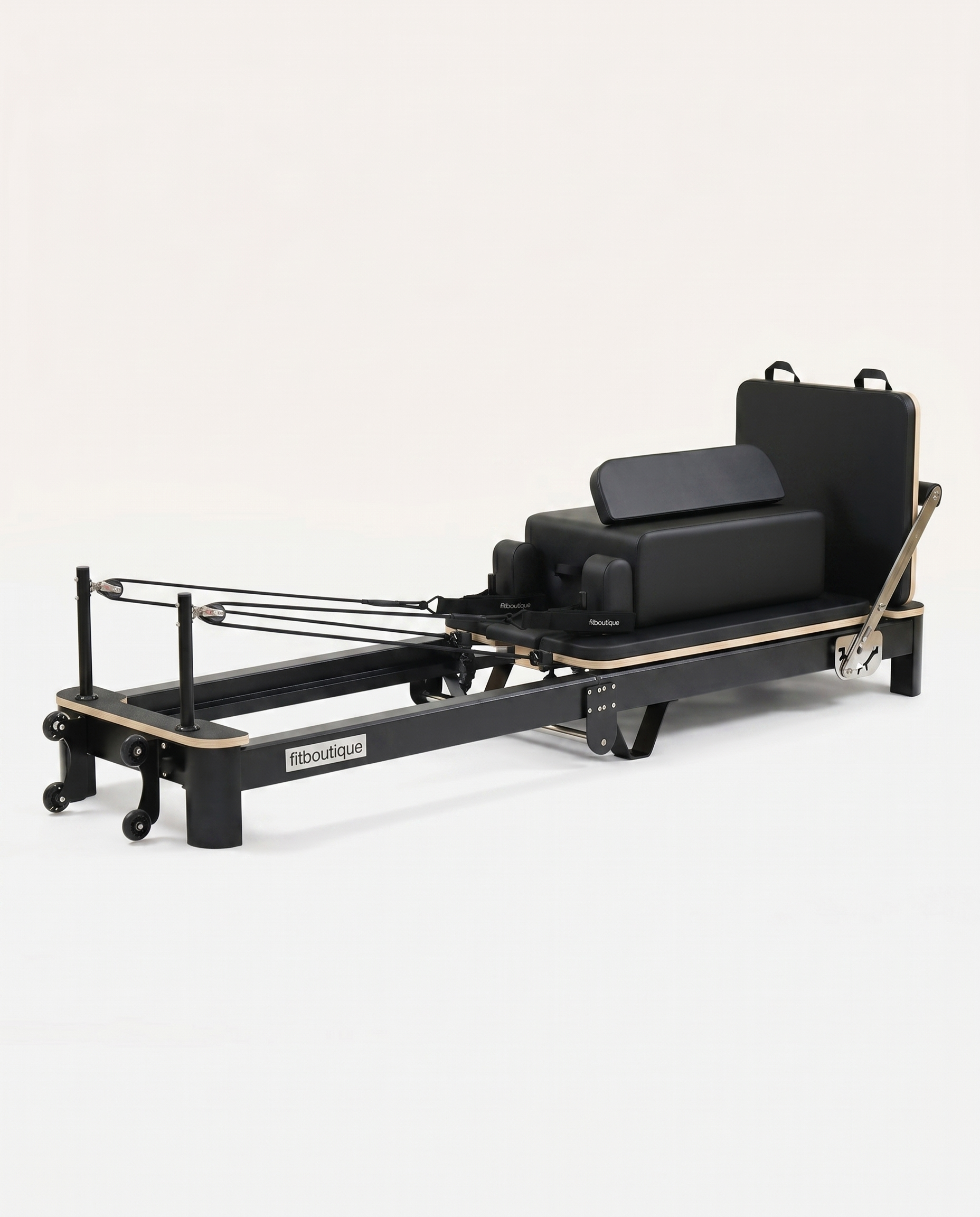
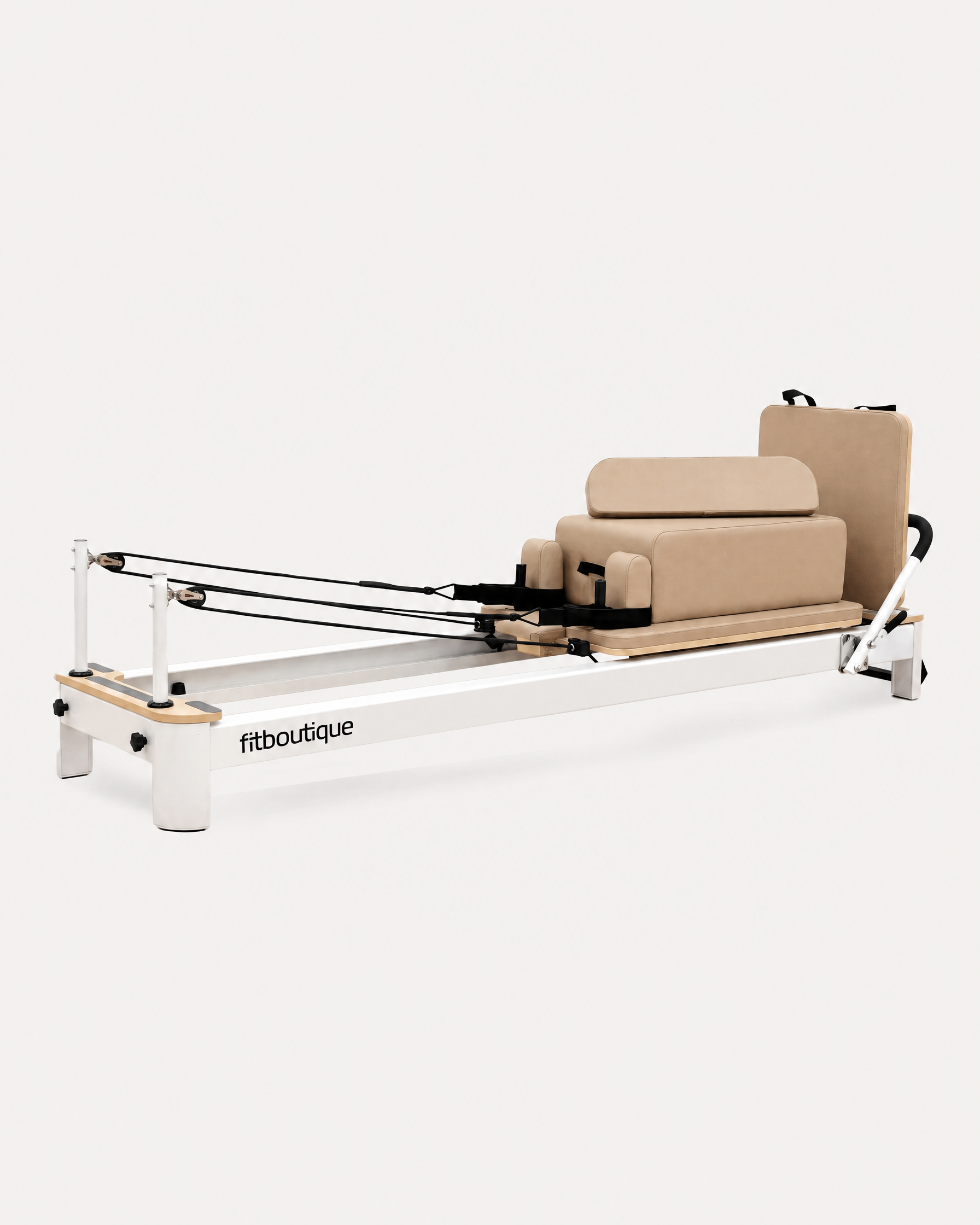
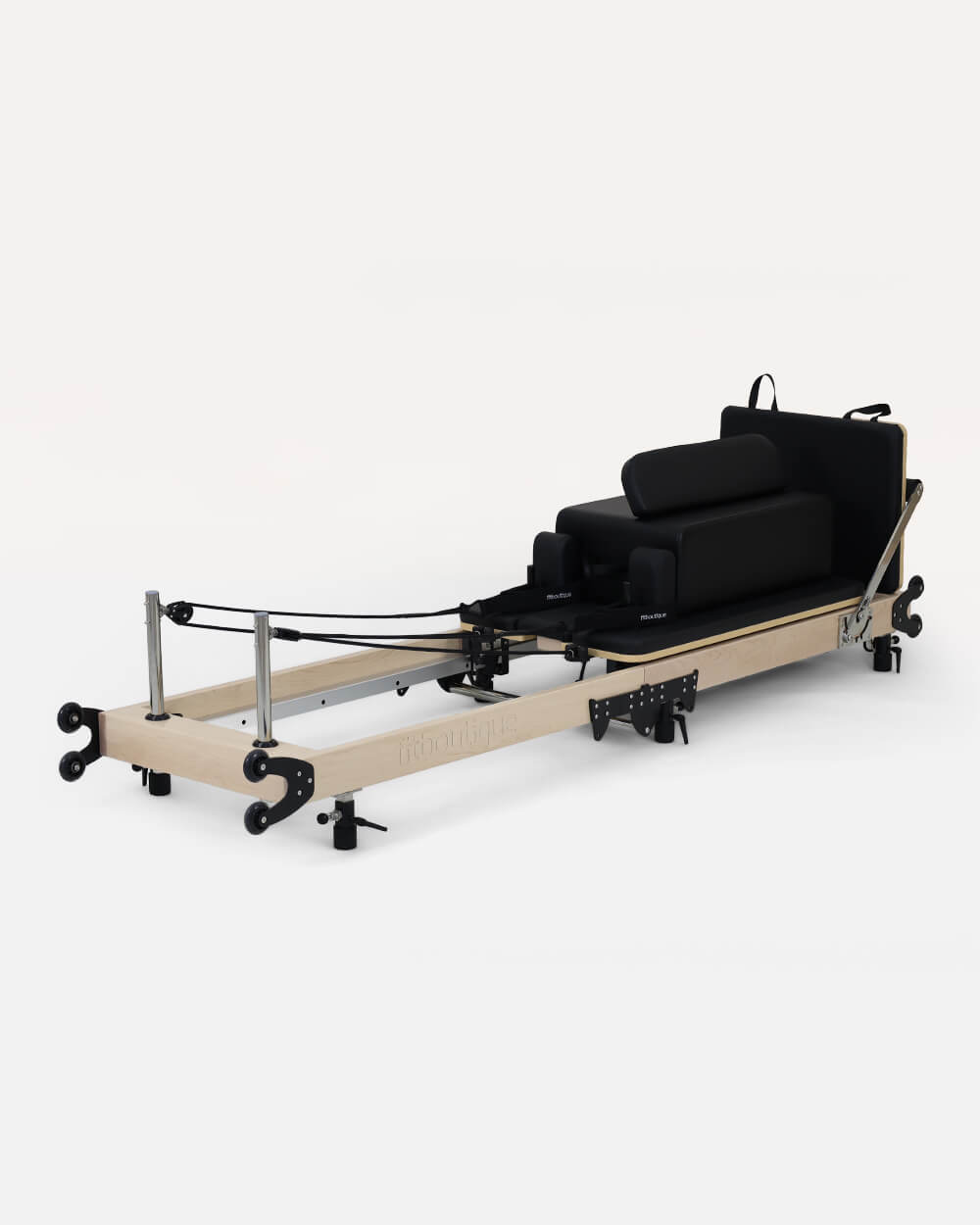
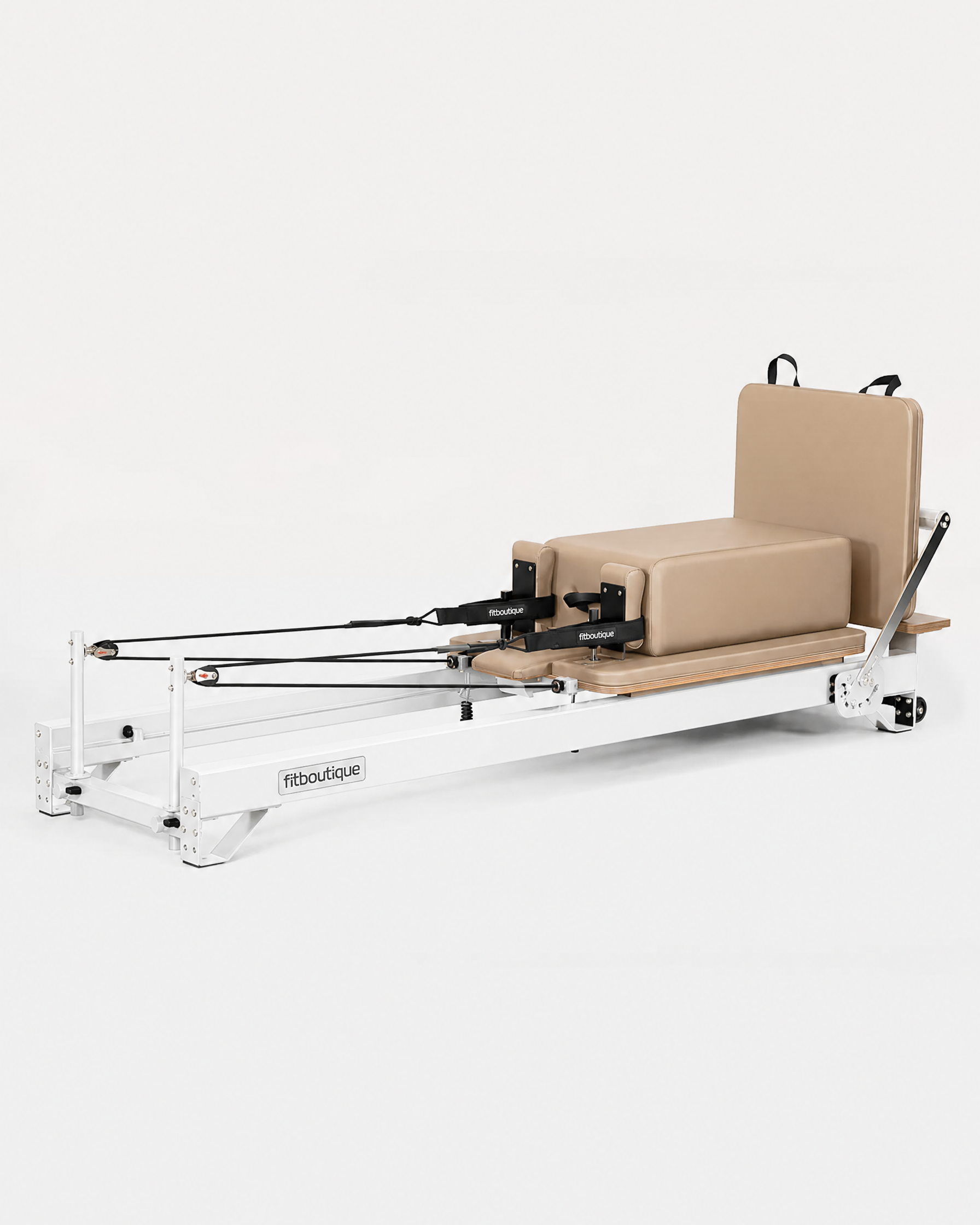
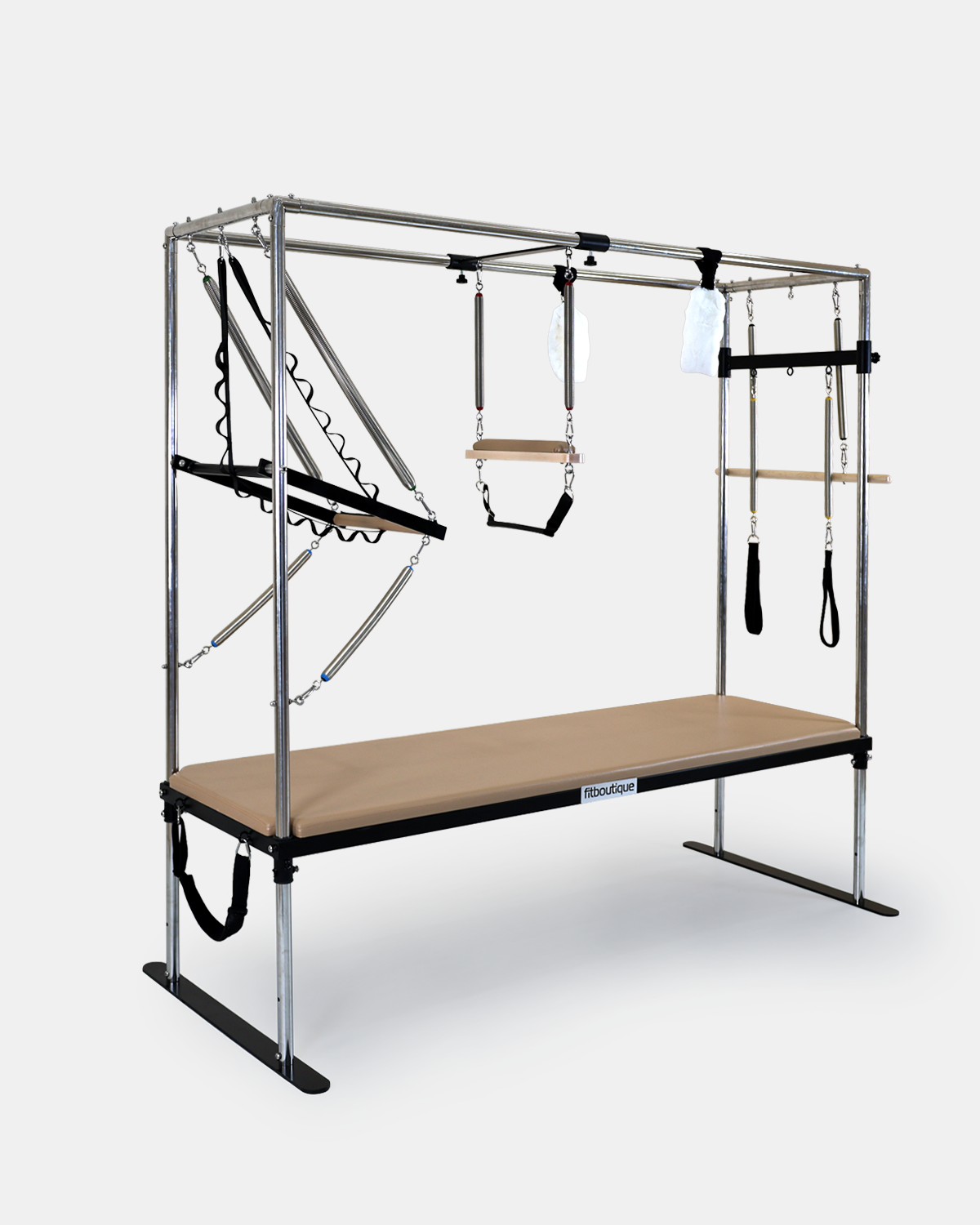
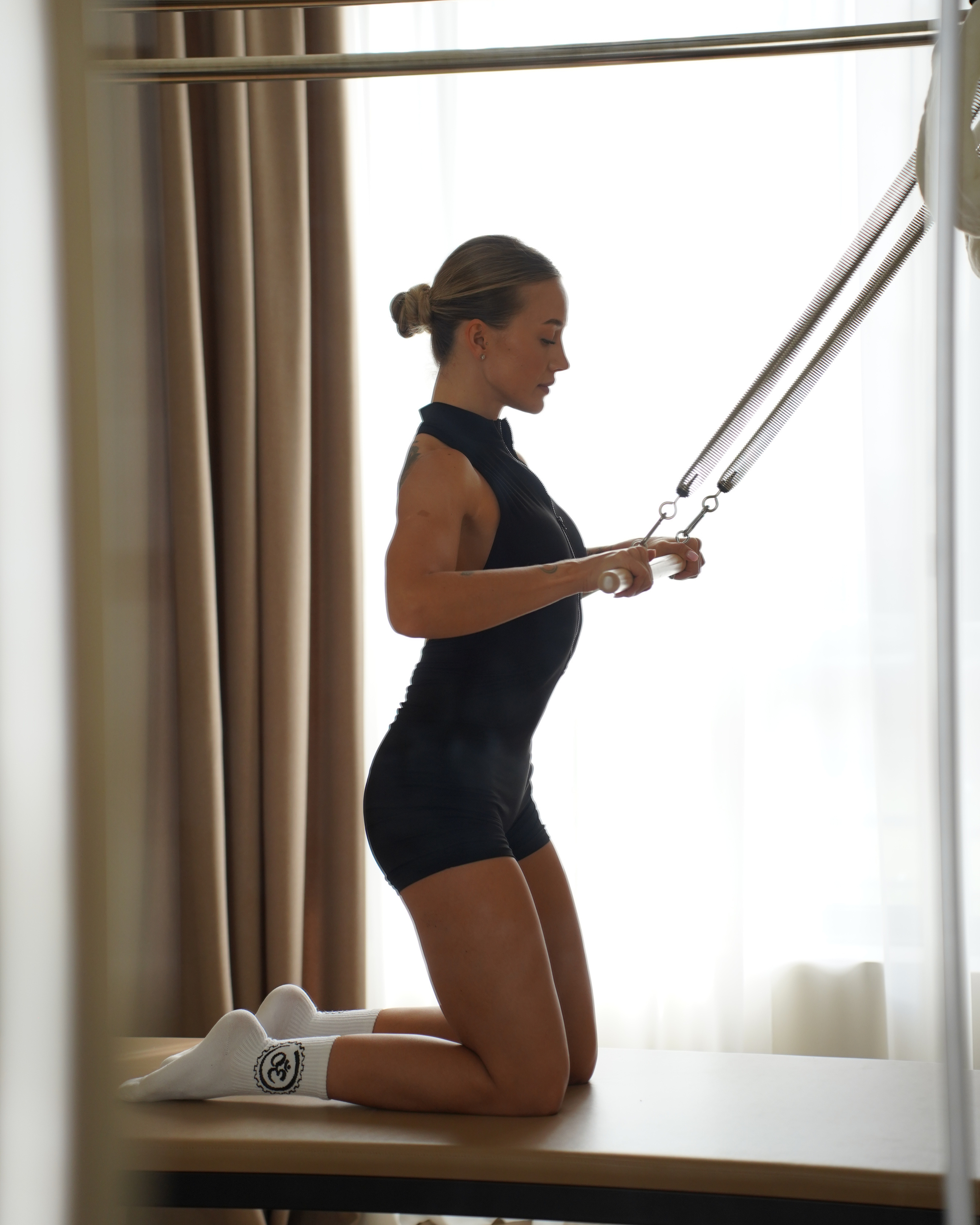
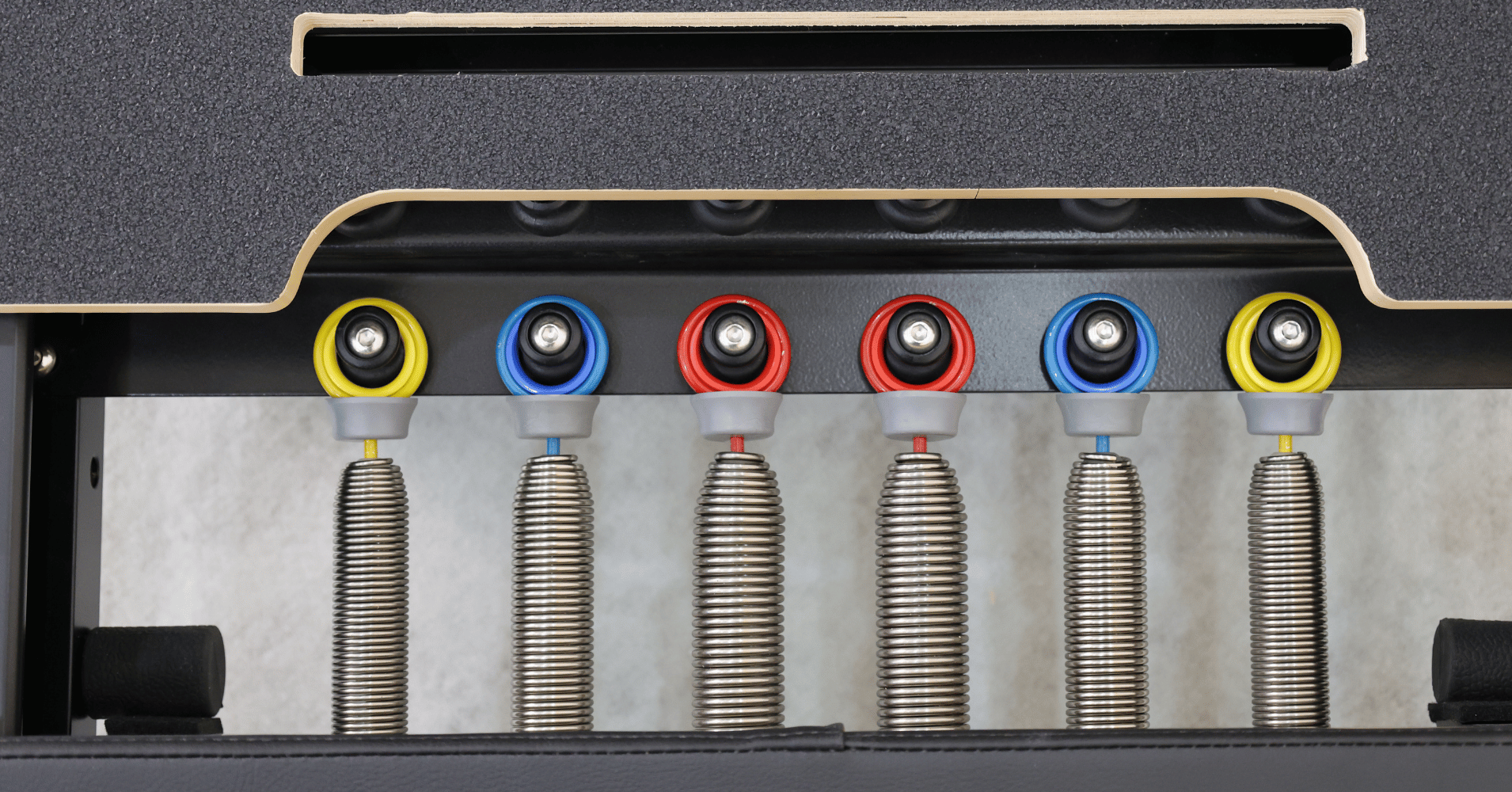
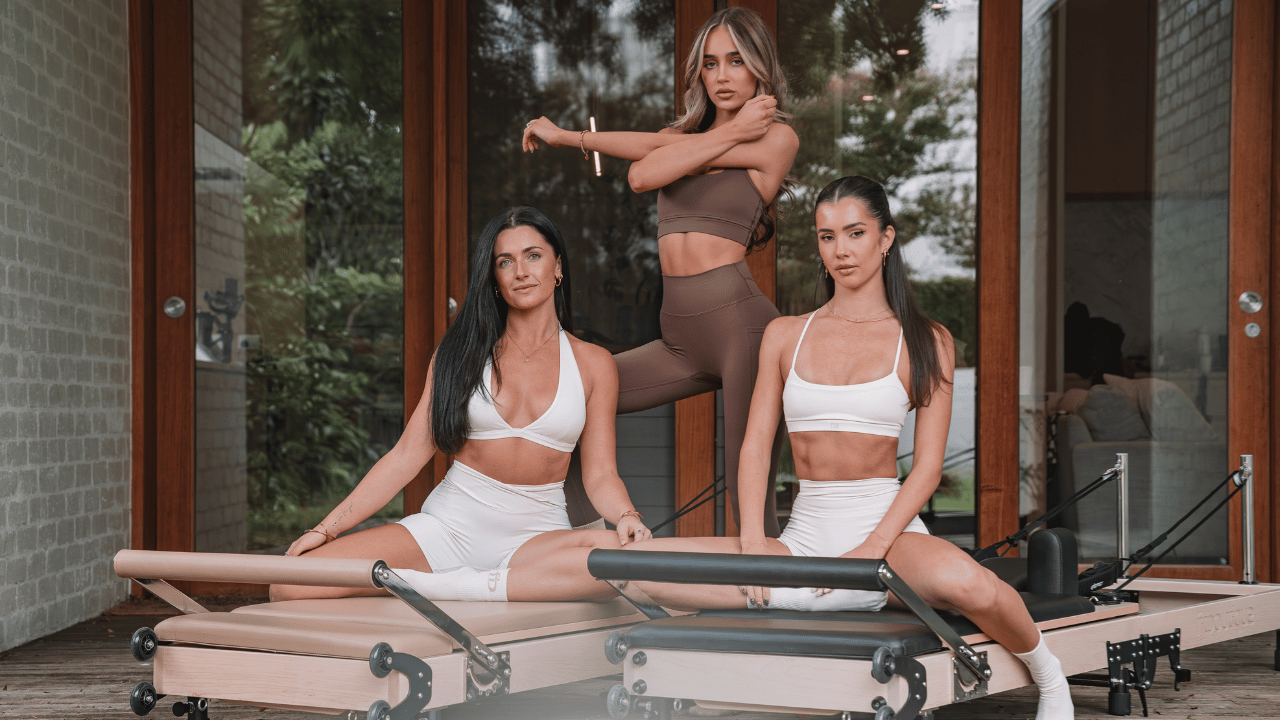
Reformer Pilates uses a specialised machine—known as a reformer—that incorporates springs, pulleys, straps, and a moving carriage. This setup allows exercises to be performed with adjustable resistance, supporting both strength building and controlled movement.
Full-Body Reformer Pilates targets every major muscle group while offering scalable resistance and support, making it suitable for beginners, advanced practitioners, and rehabilitation clients alike.
Key Benefits of Full-Body Reformer Pilates
Greater Resistance and Muscle Activation
Unlike Mat Pilates, the reformer provides adjustable spring resistance. This allows for deeper muscle engagement, improved strength gains, and progressive overload—essential for long-term results.
True Full-Body Training
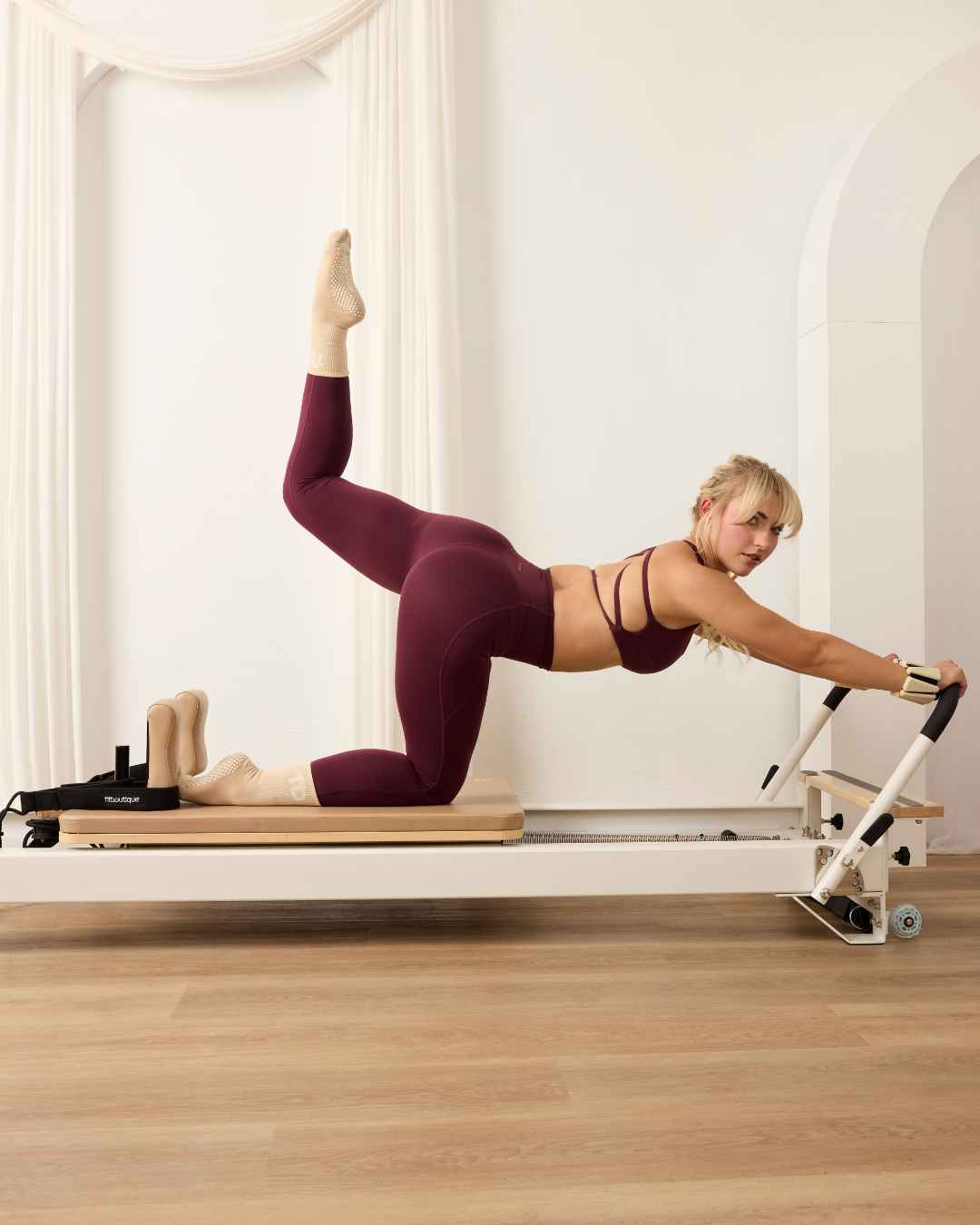
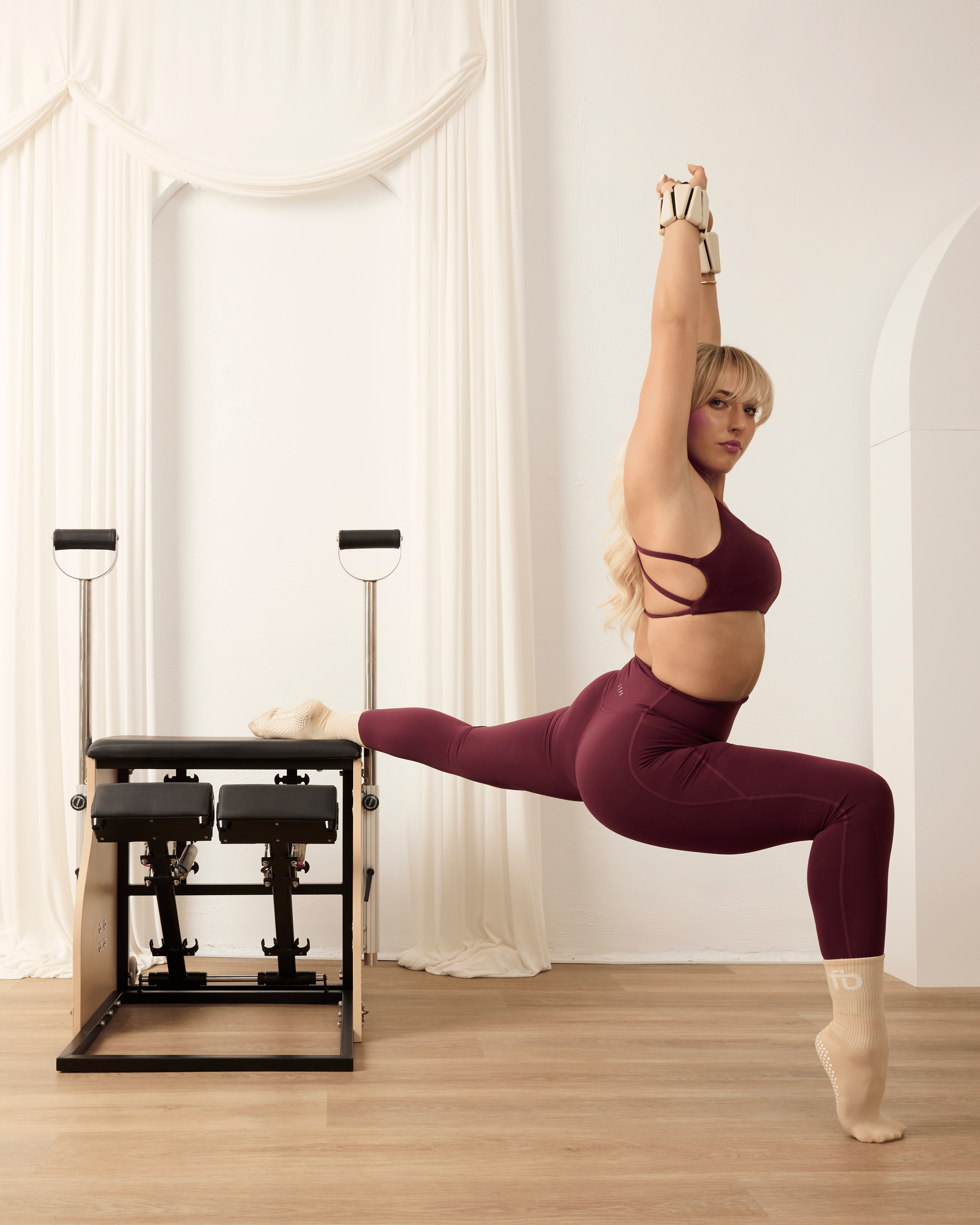
Reformer Pilates engages the upper body, lower body, glutes, and core in a single session. Exercises such as lunges, presses, pulls, and hip-focused movements ensure balanced, full-body conditioning.
Joint-Friendly and Low Impact
The reformer’s smooth, guided movement reduces joint strain while still delivering effective resistance. This makes it ideal for injury prevention, rehabilitation, and longevity-focused training.
Versatility for Studios and Home Studios
From beginners to elite athletes, reformer machines adapt to all levels. Pilates instructors can easily modify exercises, making them perfect for professional studios and premium home studios alike.
Faster, More Noticeable Results
Thanks to increased resistance and controlled movement patterns, many users experience faster improvements in strength, posture, and muscle tone compared to Mat Pilates alone.
Mat Pilates vs Reformer Pilates: A Quick Comparison
| Feature | Mat Pilates | Full-Body Reformer Pilates |
|---|---|---|
| Resistance | Bodyweight only | Adjustable spring resistance |
| Equipment | Mat | Reformer machine |
| Strength Building | Moderate | High |
| Full-Body Engagement | Limited | Comprehensive |
| Progression | Minimal | Highly scalable |
Why Reformer Pilates Is Ideal for Home Studios
With the rise of boutique fitness and at-home wellness, more Australians are investing in commercial-grade reformers for their home studio. High-quality machines allow users to enjoy studio-level workouts without leaving home.
Which Pilates Option Is Right for You?
Choose Mat Pilates if you’re new to Pilates, want a simple routine, or prefer minimal equipment.
Choose Full-Body Reformer Pilates if you want strength, variety, progression, and studio-quality results—whether you’re a Pilates instructor, studio owner, or serious home user.
Final Thoughts
Both Mat Pilates and Reformer Pilates offer valuable benefits, but Full-Body Reformer Pilates delivers a more dynamic, adaptable, and effective workout experience. For studios and home studios seeking premium performance, investing in a high-quality reformer can transform the way Pilates is practiced.

Written by Ayrah Yuso
I'm part of the FitBoutique team and have a solid passion (and love) for all things exercise related, including Reformer Pilates

















Leave a comment