




Reformer Pilates Terminology: A Beginner's Glossary
Your first few reformer Pilates sessions can feel like a new language, with instructors calling out carriage, footbar, long box and teaser. This beginner's glossary explains the key reformer Pilates terms so you can walk into any class, or follow any workout, with confidence.

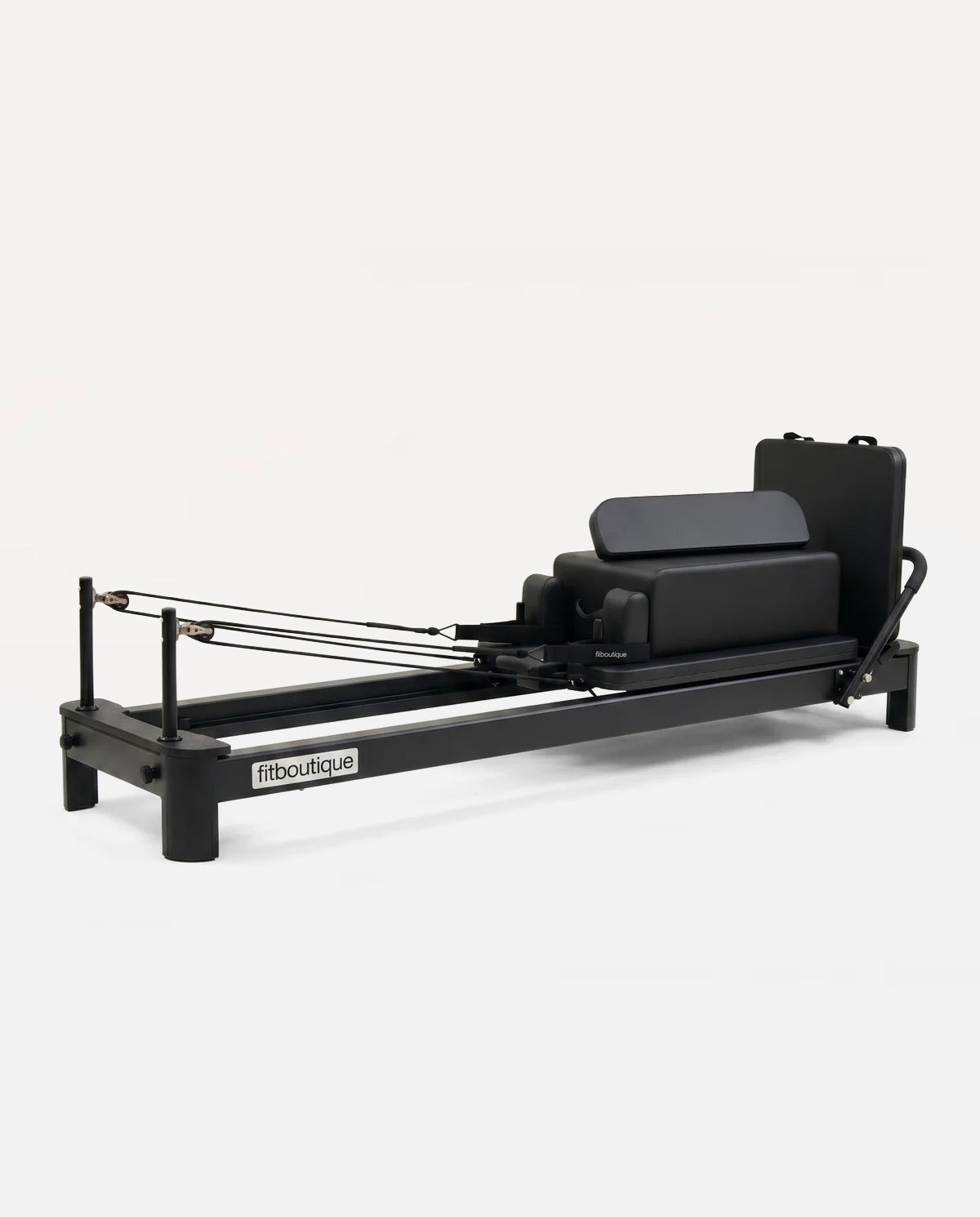
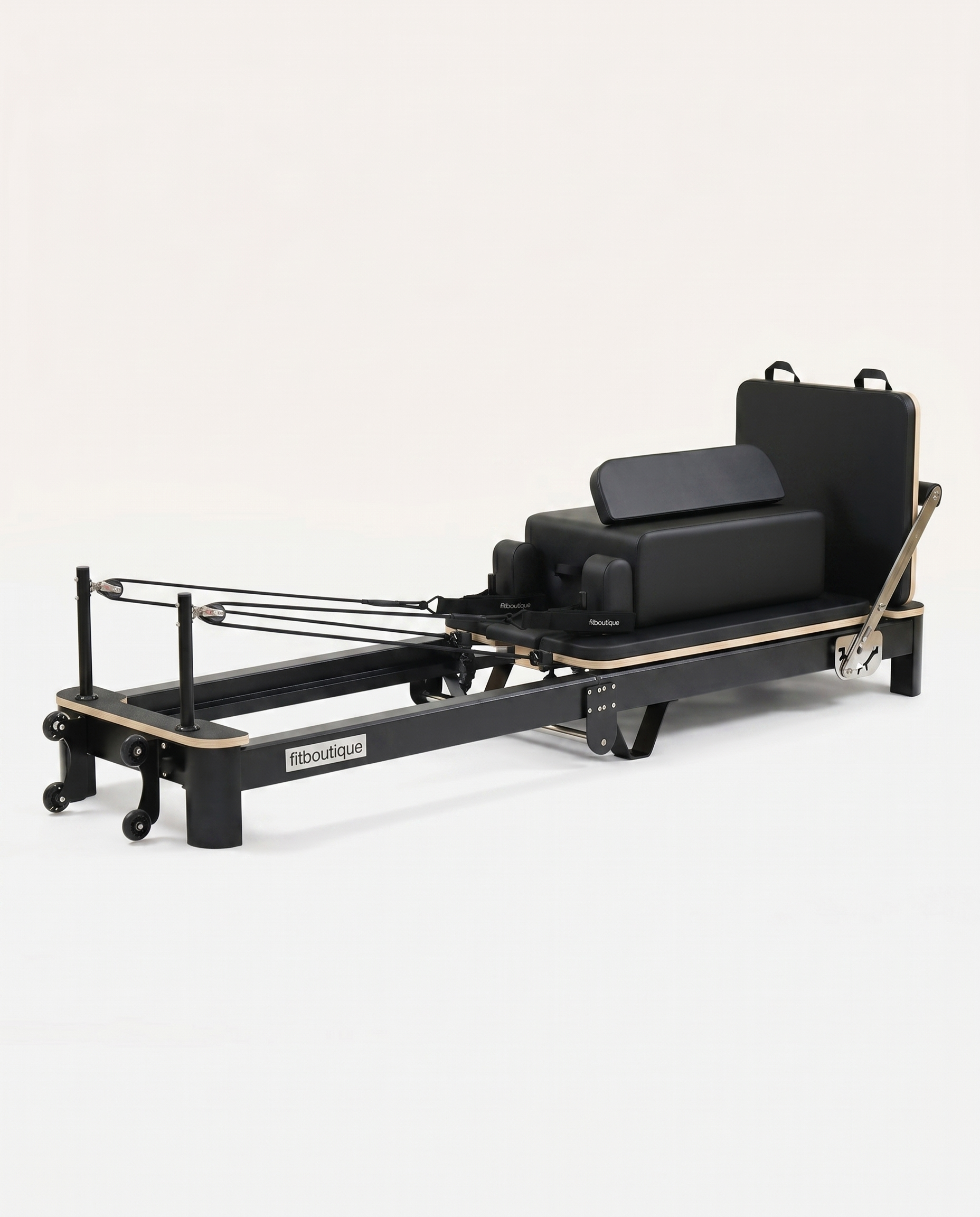
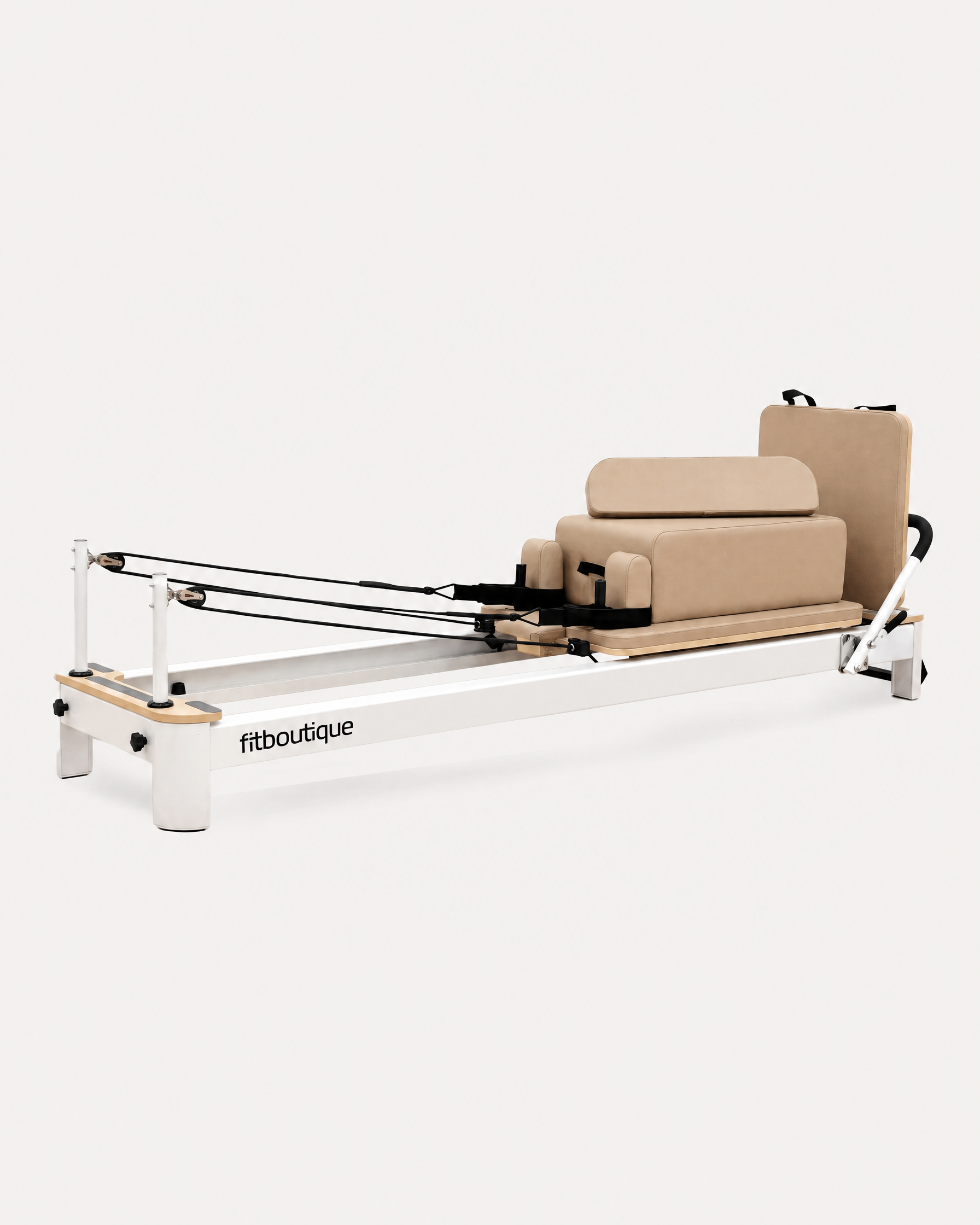
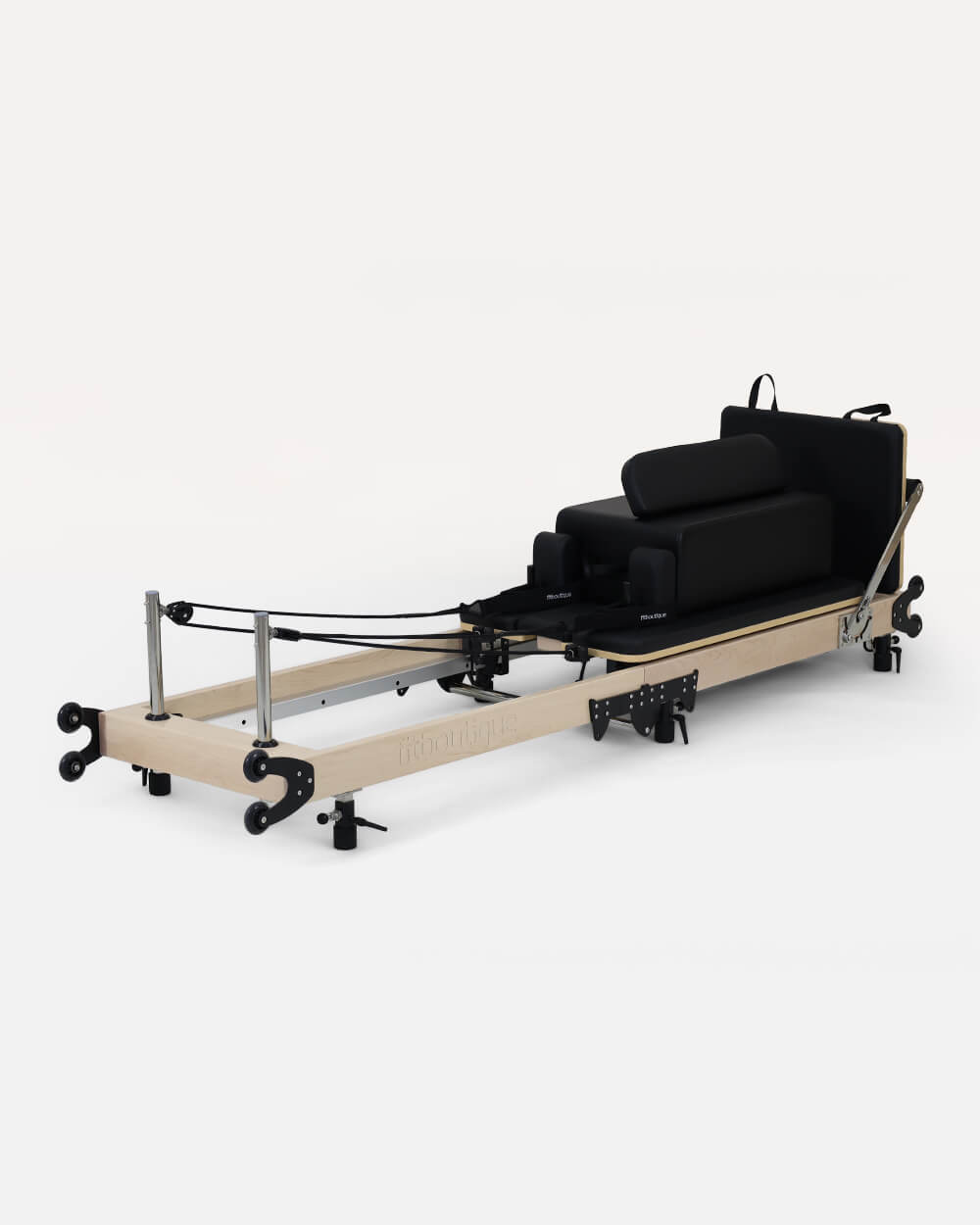
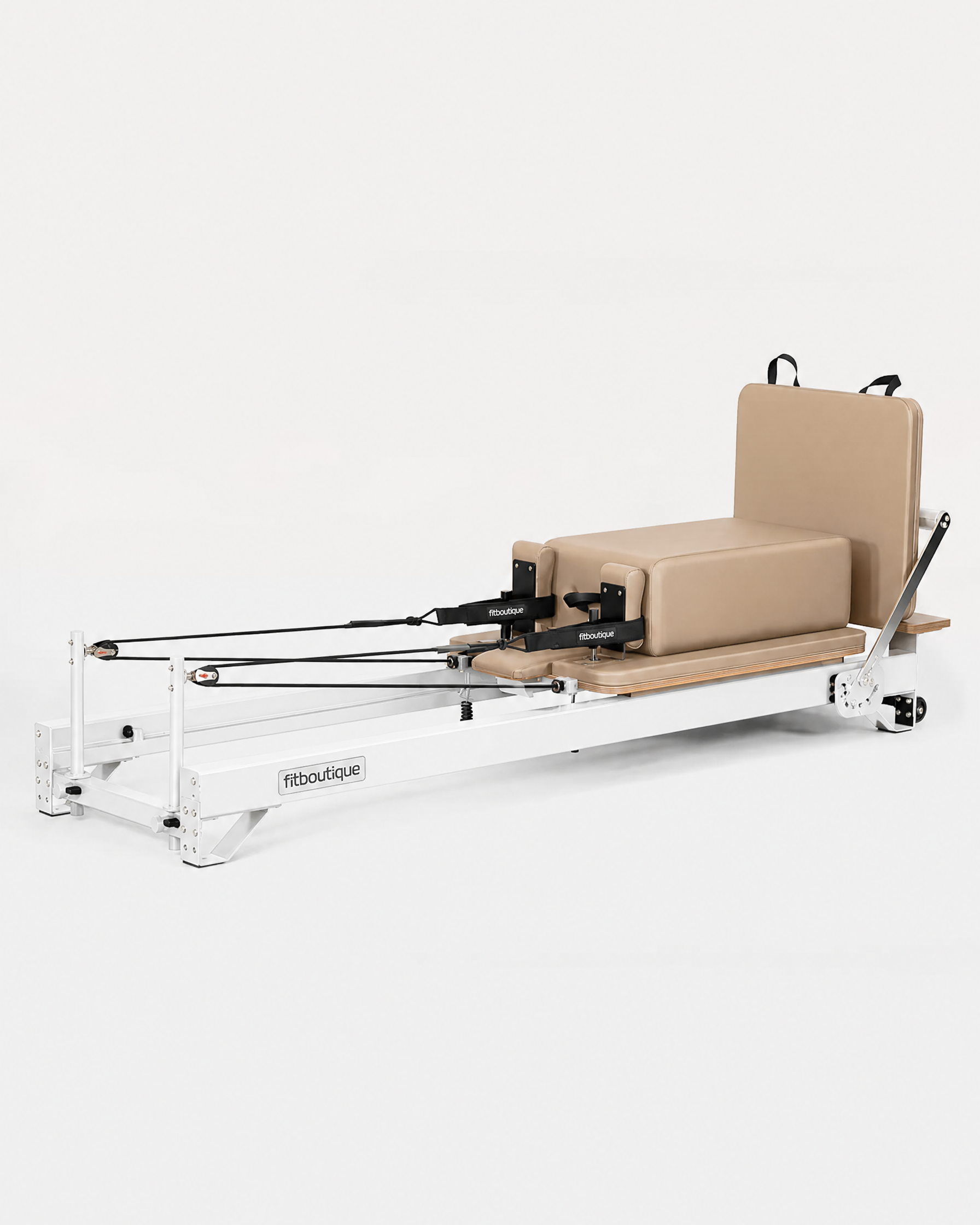
Parts of the reformer
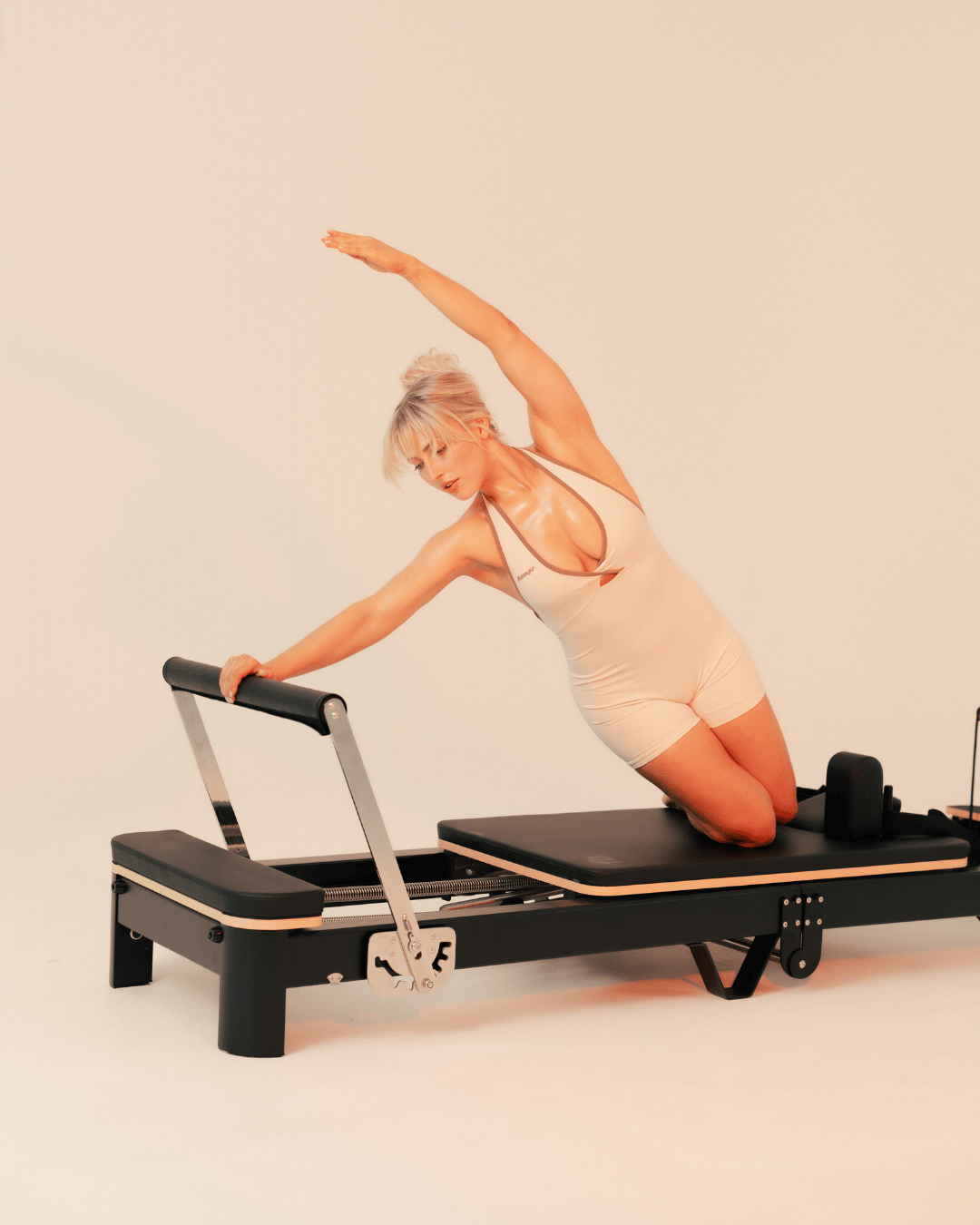
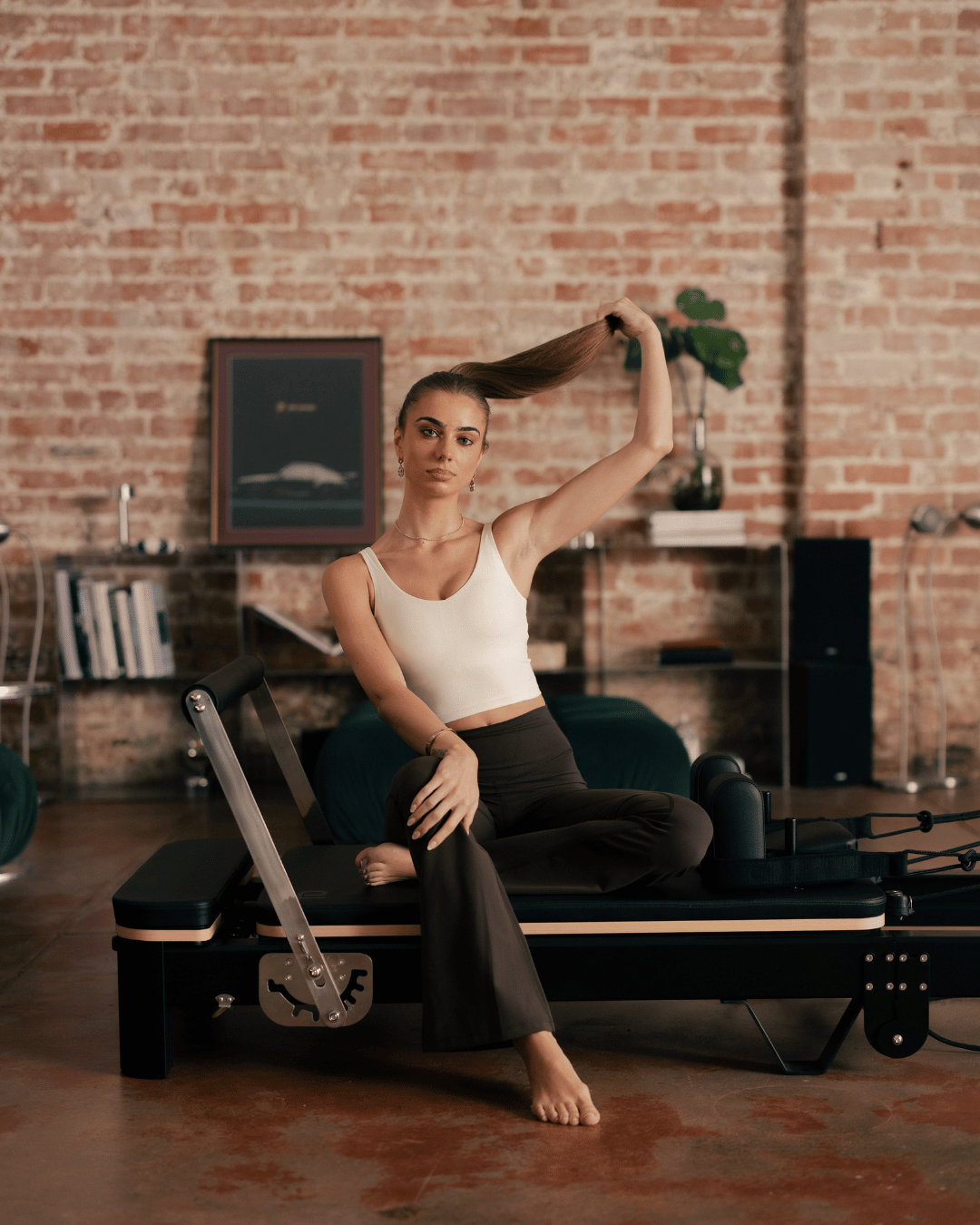
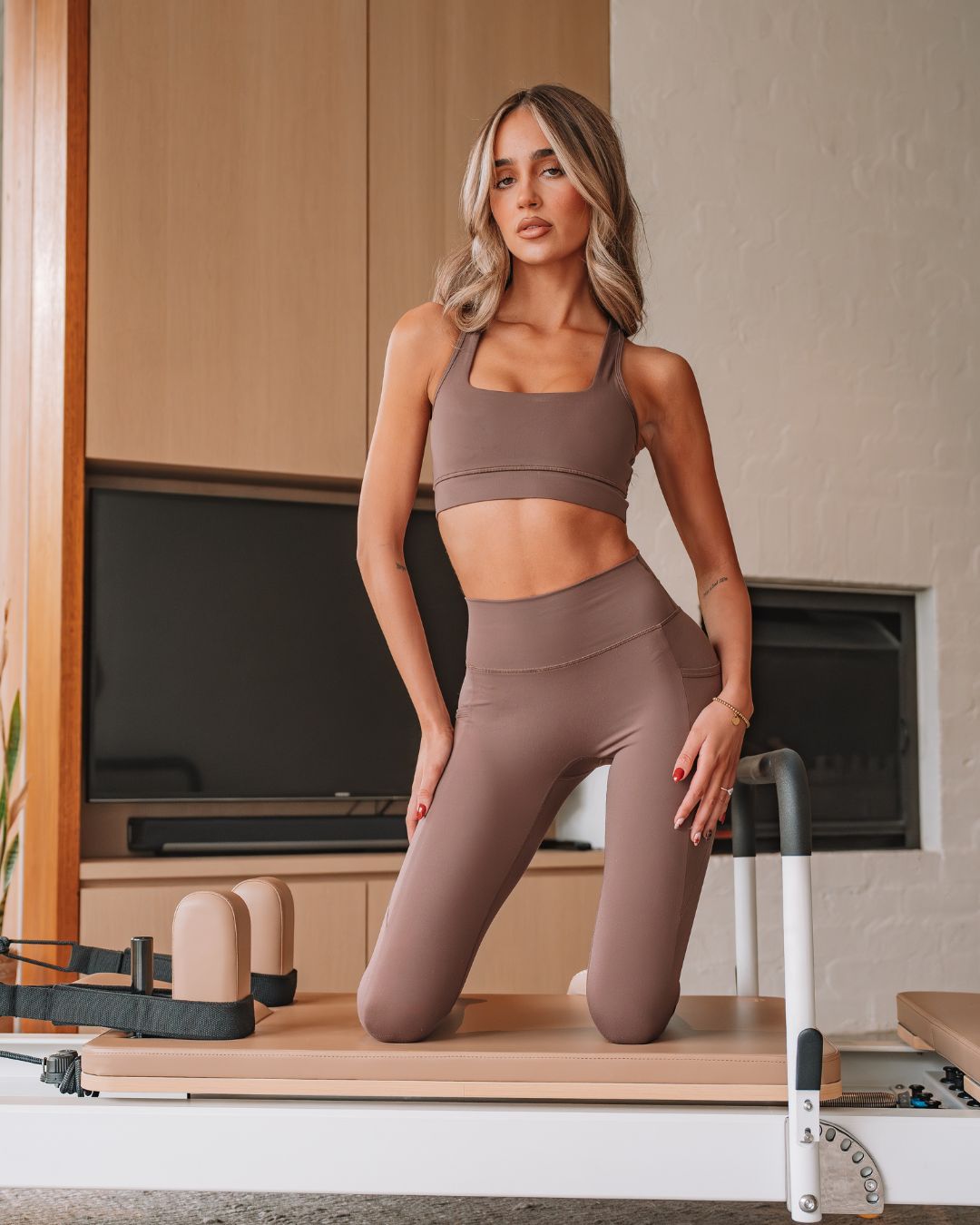
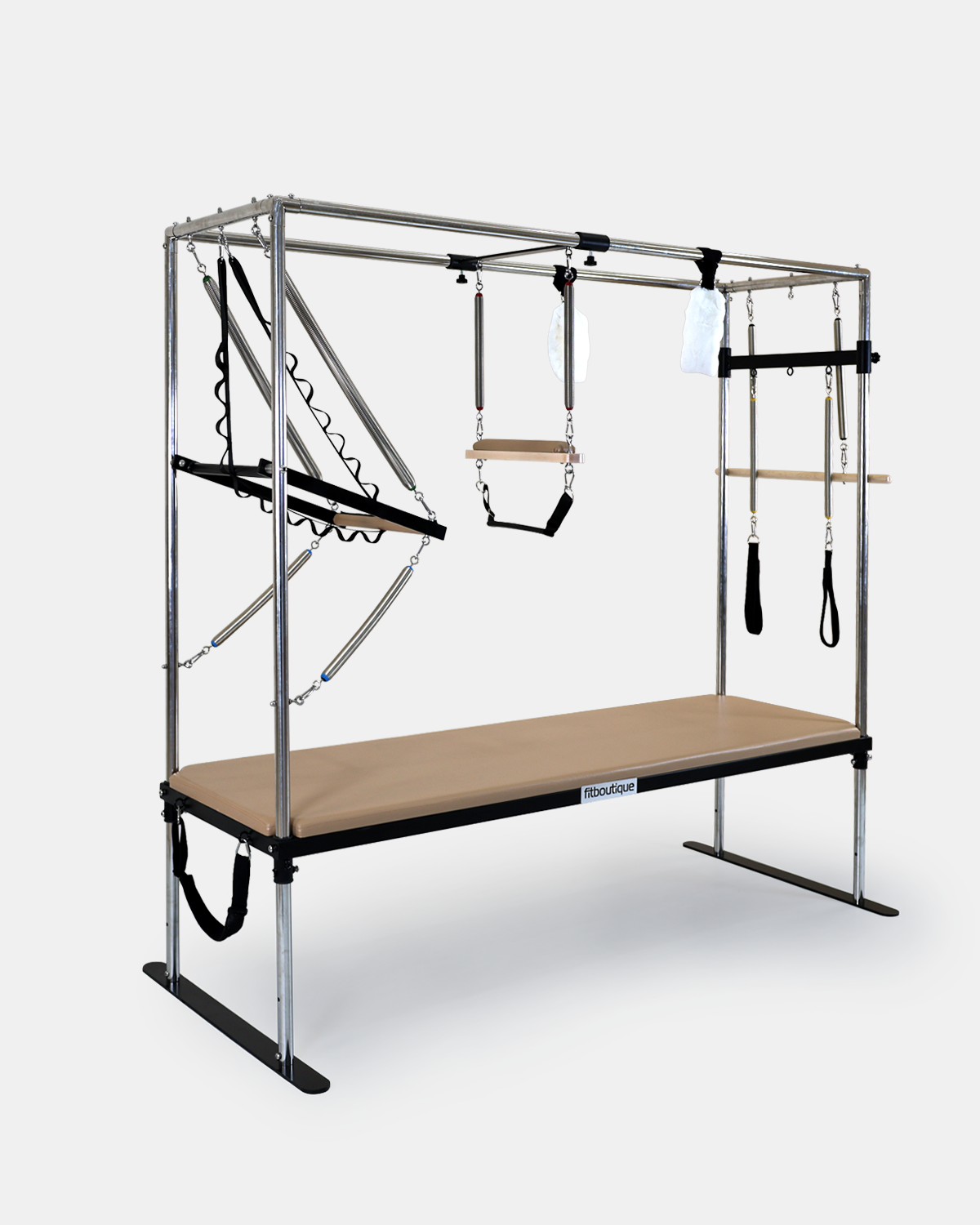
- Carriage: the sliding platform you lie, sit or kneel on.
- Footbar: the adjustable bar you press your feet or hands against.
- Springs: provide the resistance; combined to set the load.
- Straps and ropes: used for arm and leg exercises.
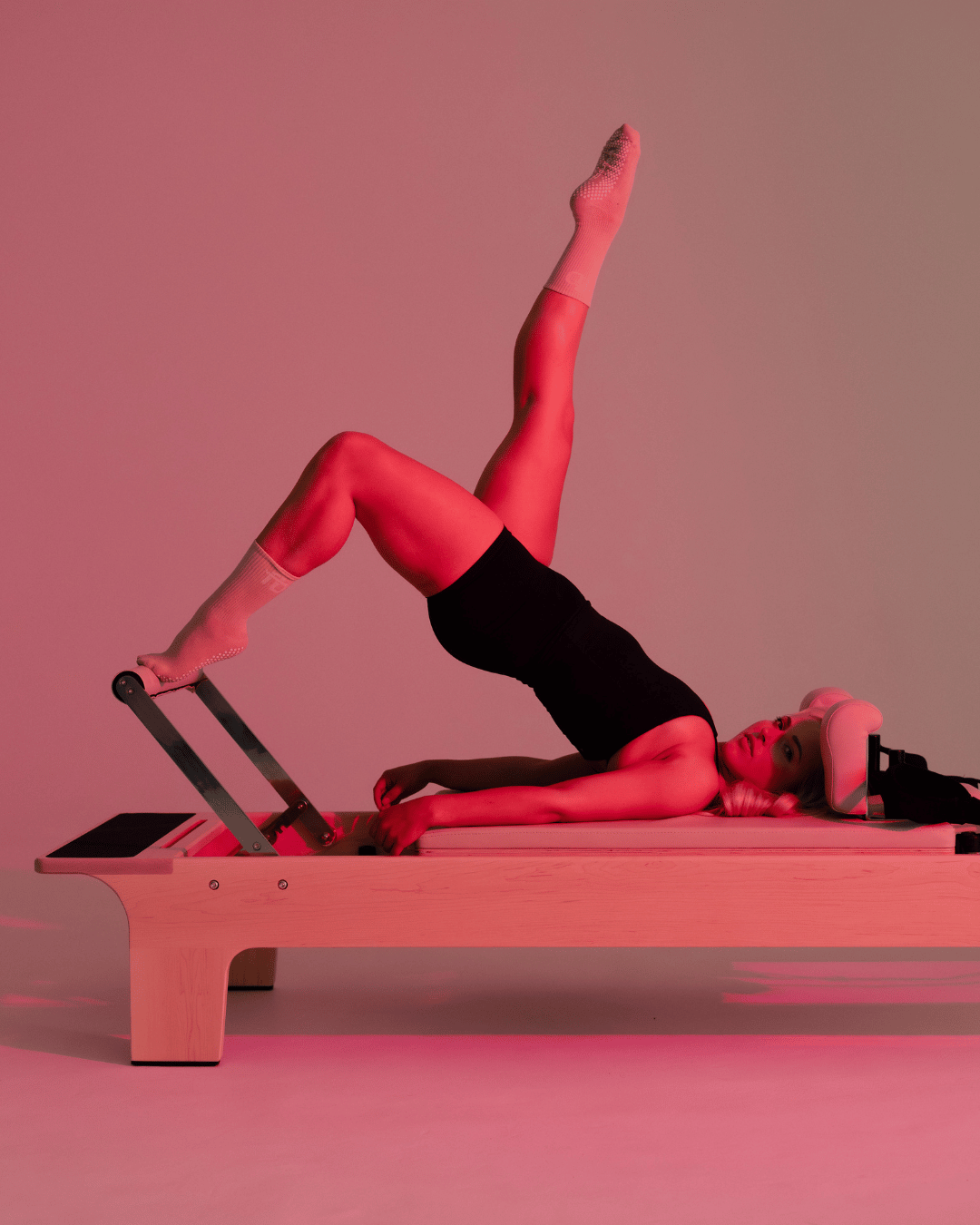
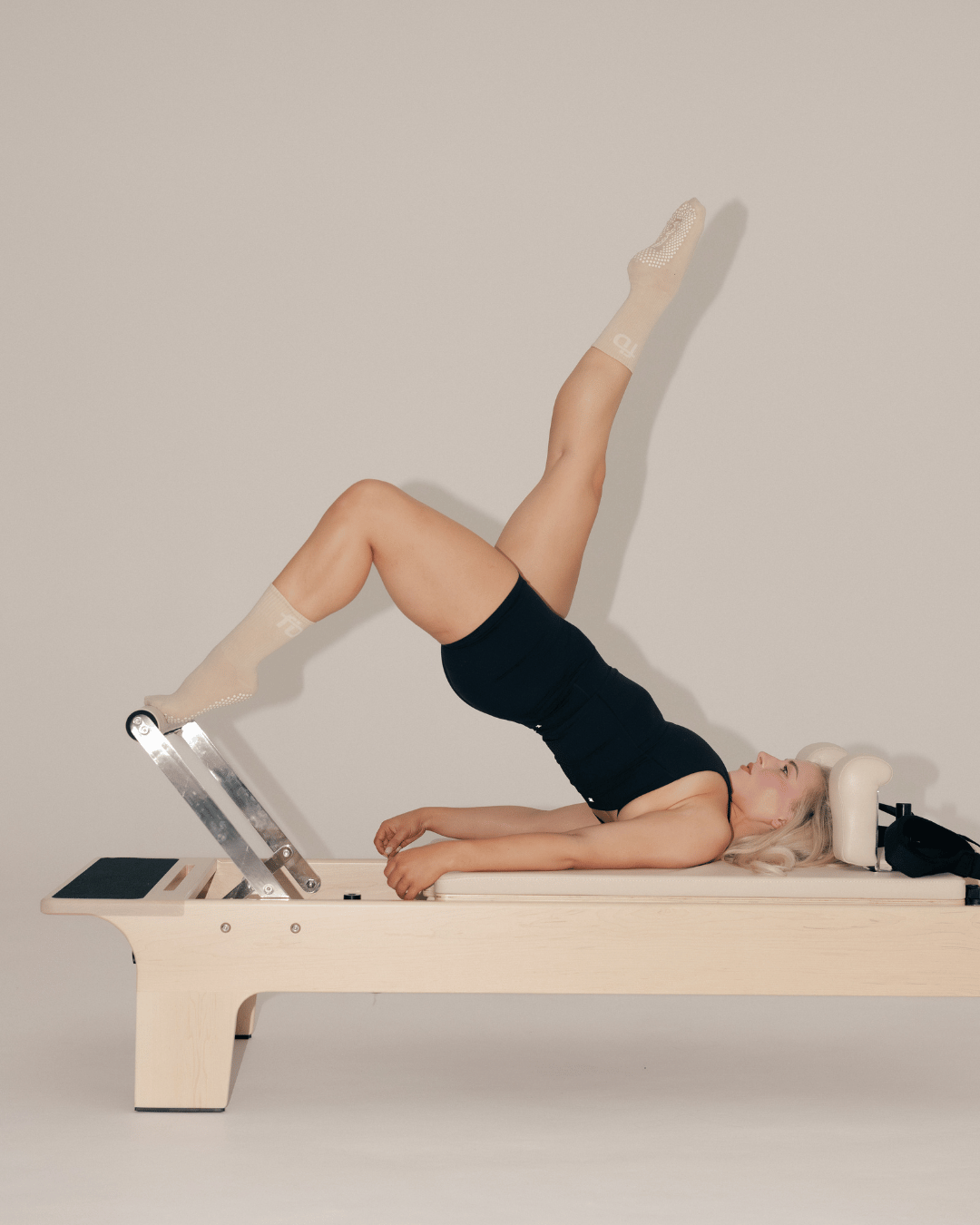
- Headrest: the adjustable support for your head, removable on every FitBoutique reformer.
- Shoulder rests: blocks that stop you sliding on the carriage.
Common exercise names

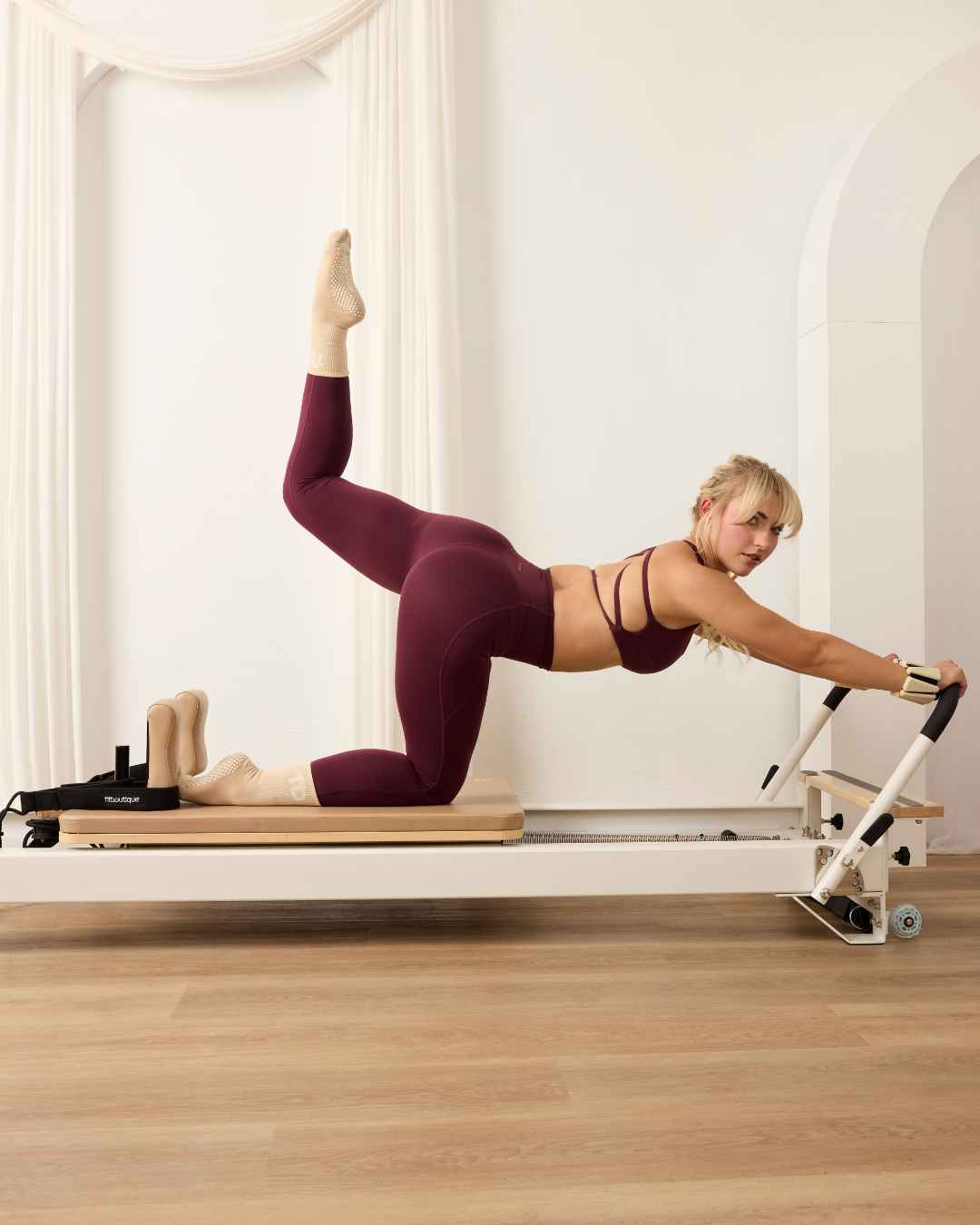
- Footwork: the foundational leg series at the start of class.
- The hundred: a classic core-warming exercise.
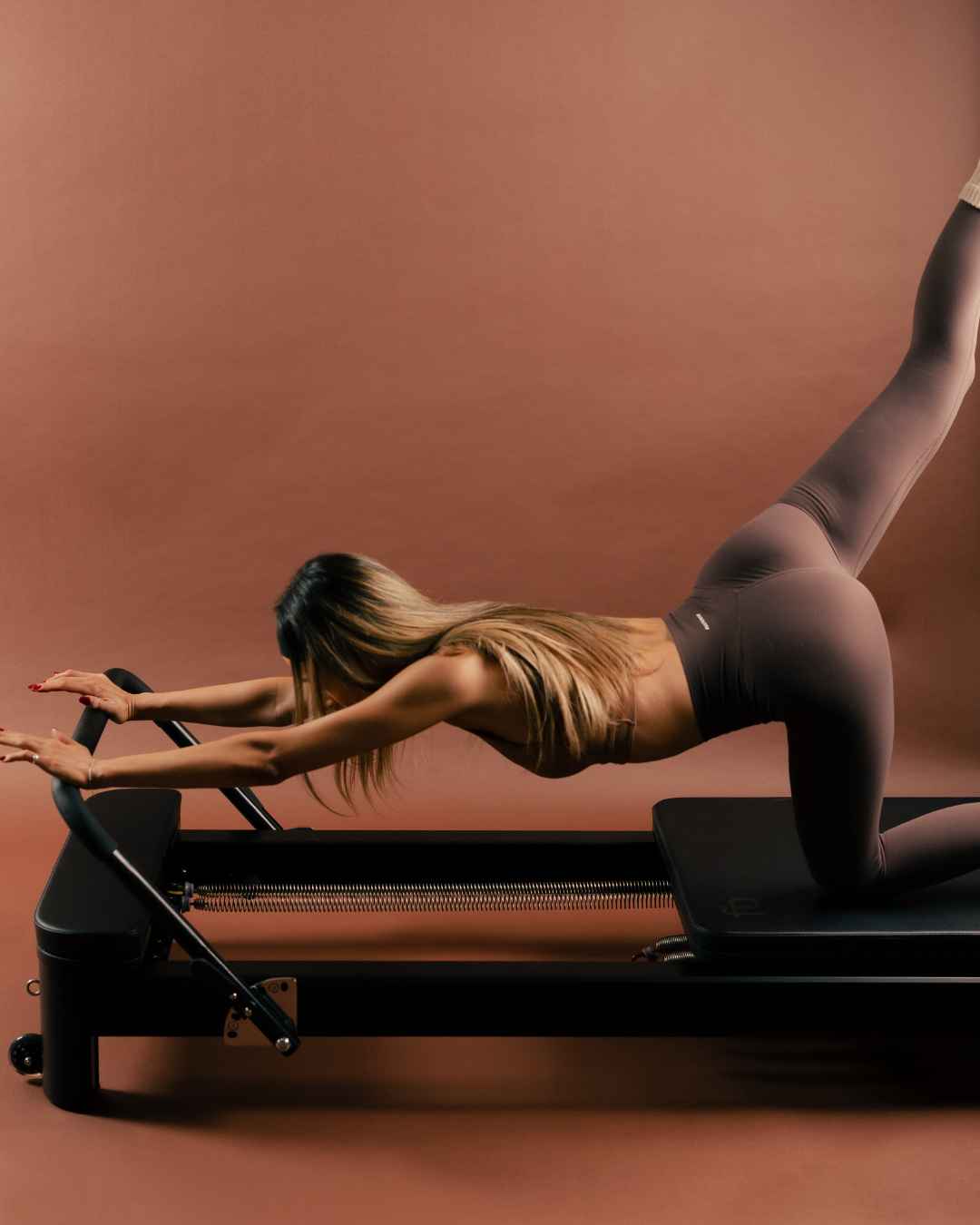
- Long stretch: a plank that moves with the carriage.
- Short box series: seated core work using the box.
- Teaser: an advanced V-shaped balance.
- Elephant and long box pulling straps: popular back and core moves.
Cues you will hear
Instructors often say things like draw your navel to your spine (engage the core), neutral spine (natural curve), and articulate the spine (move it one vertebra at a time). They are all about control and alignment.
Frequently asked questions
Do I need to know the terms before my first class?
No. Instructors guide you, but knowing the basics helps you feel more confident and follow along faster.
What is the carriage?
The carriage is the moving platform of the reformer that slides along the rails against spring resistance.
What does neutral spine mean?
It means keeping the natural curve of your lower back rather than flattening or over-arching it.
Start with confidence
Learn the ropes on your own reformer. Explore the reformer Pilates machine range with free Australia-wide delivery.

Written by Ayrah Yuso
I'm part of the FitBoutique team and have a solid passion (and love) for all things exercise related, including Reformer Pilates



















Leave a comment