





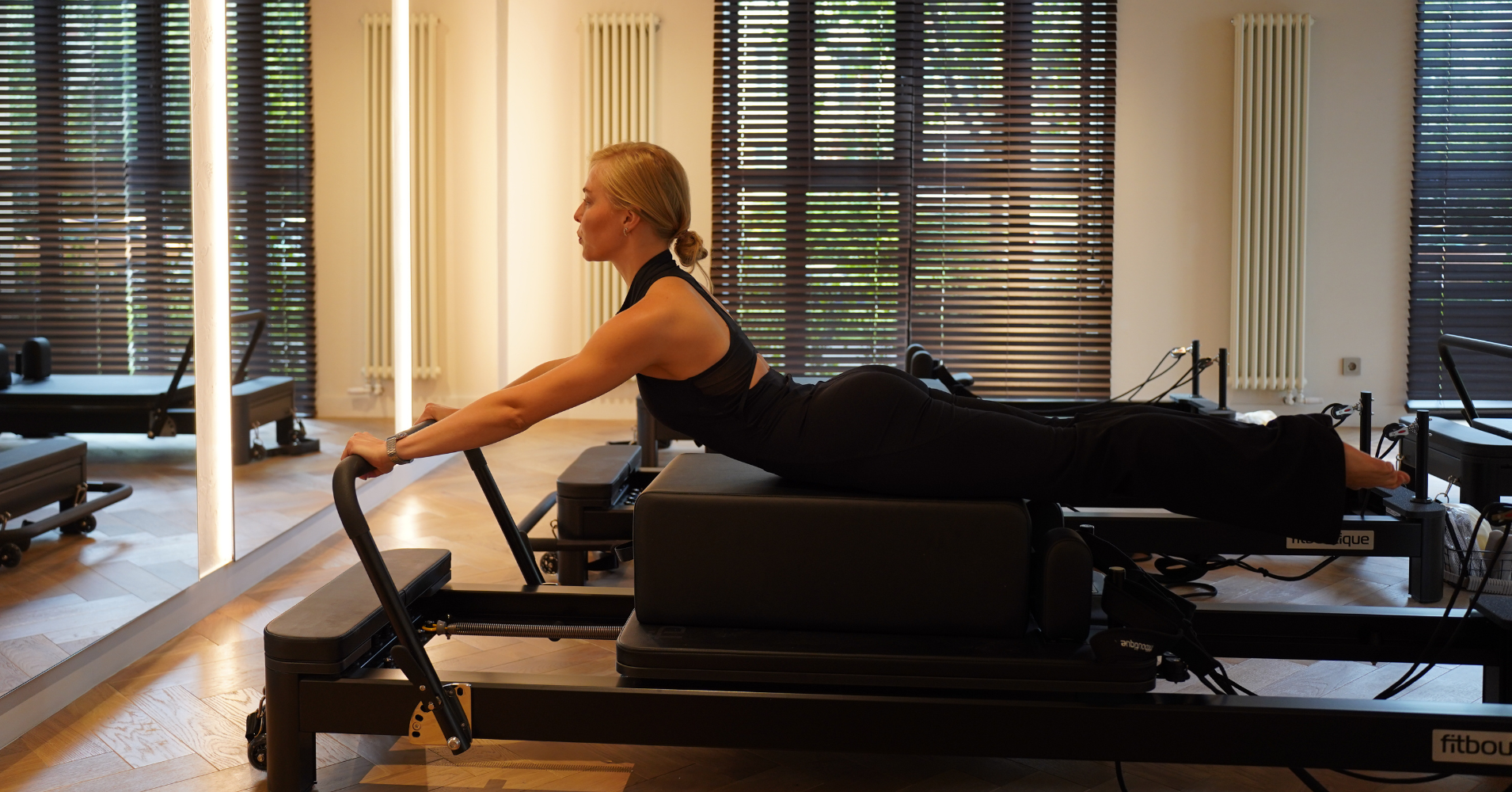
How to integrate yoga flows into your reformer training schedule
How to Integrate Yoga Flows Into Your Reformer Training Schedule
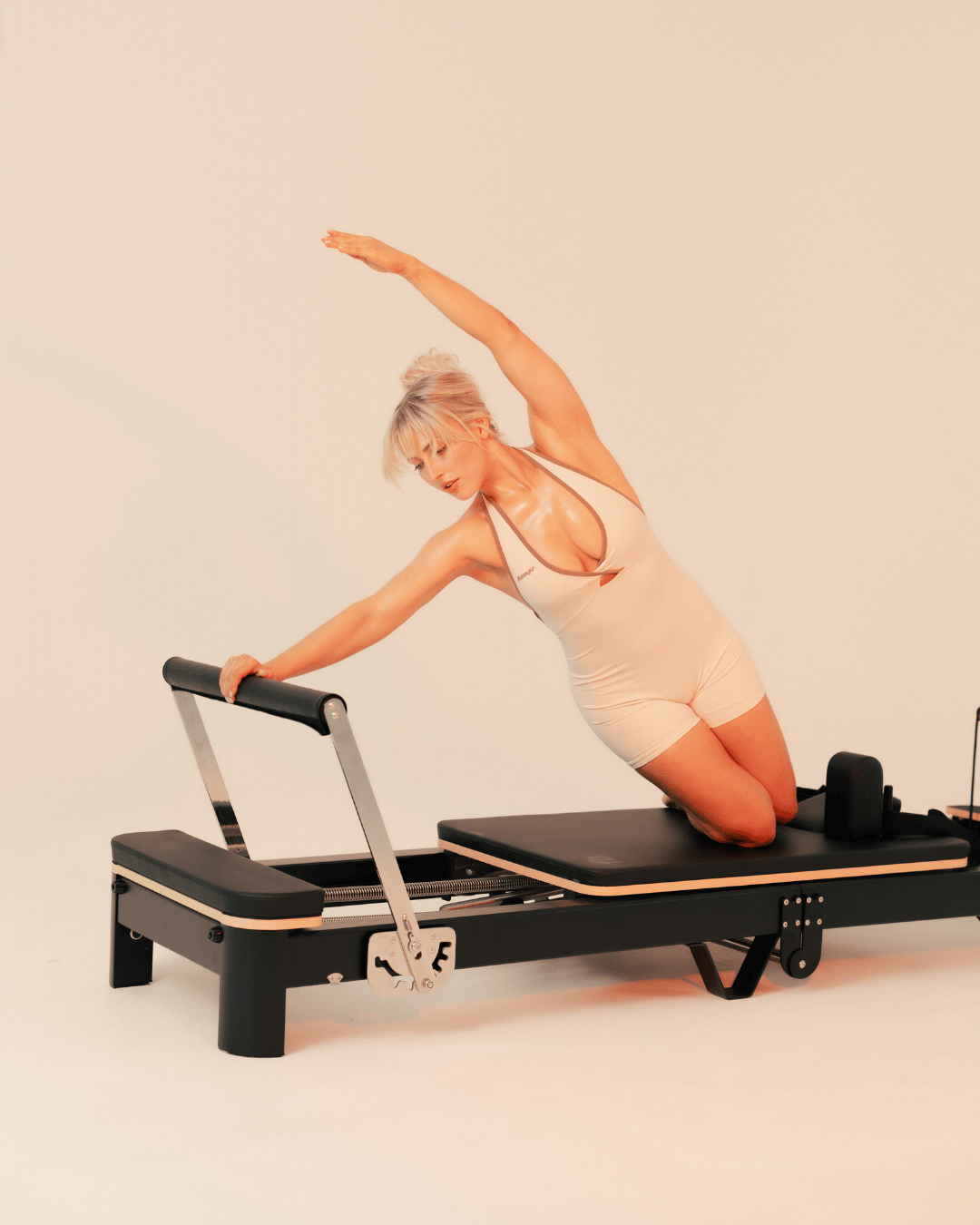
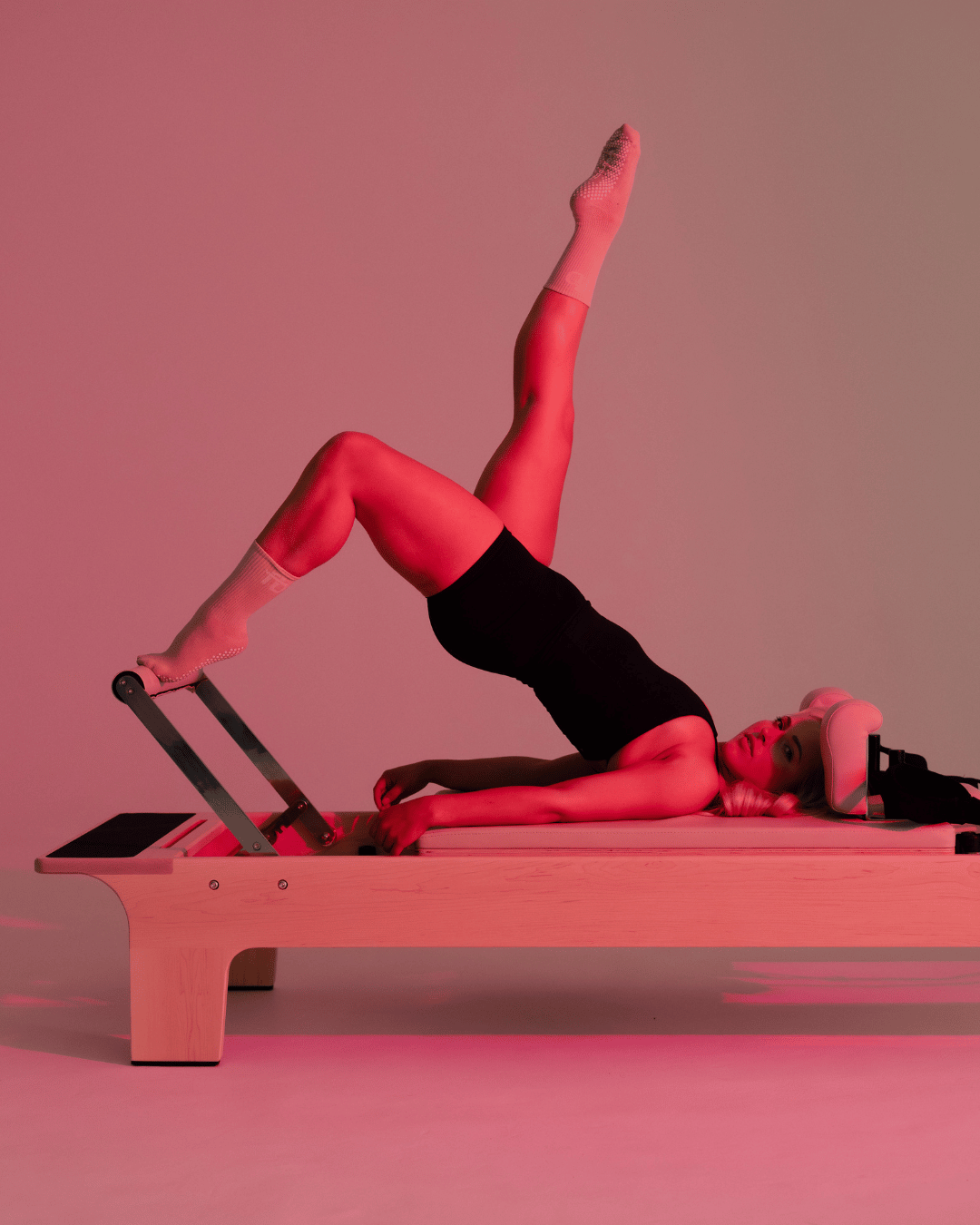
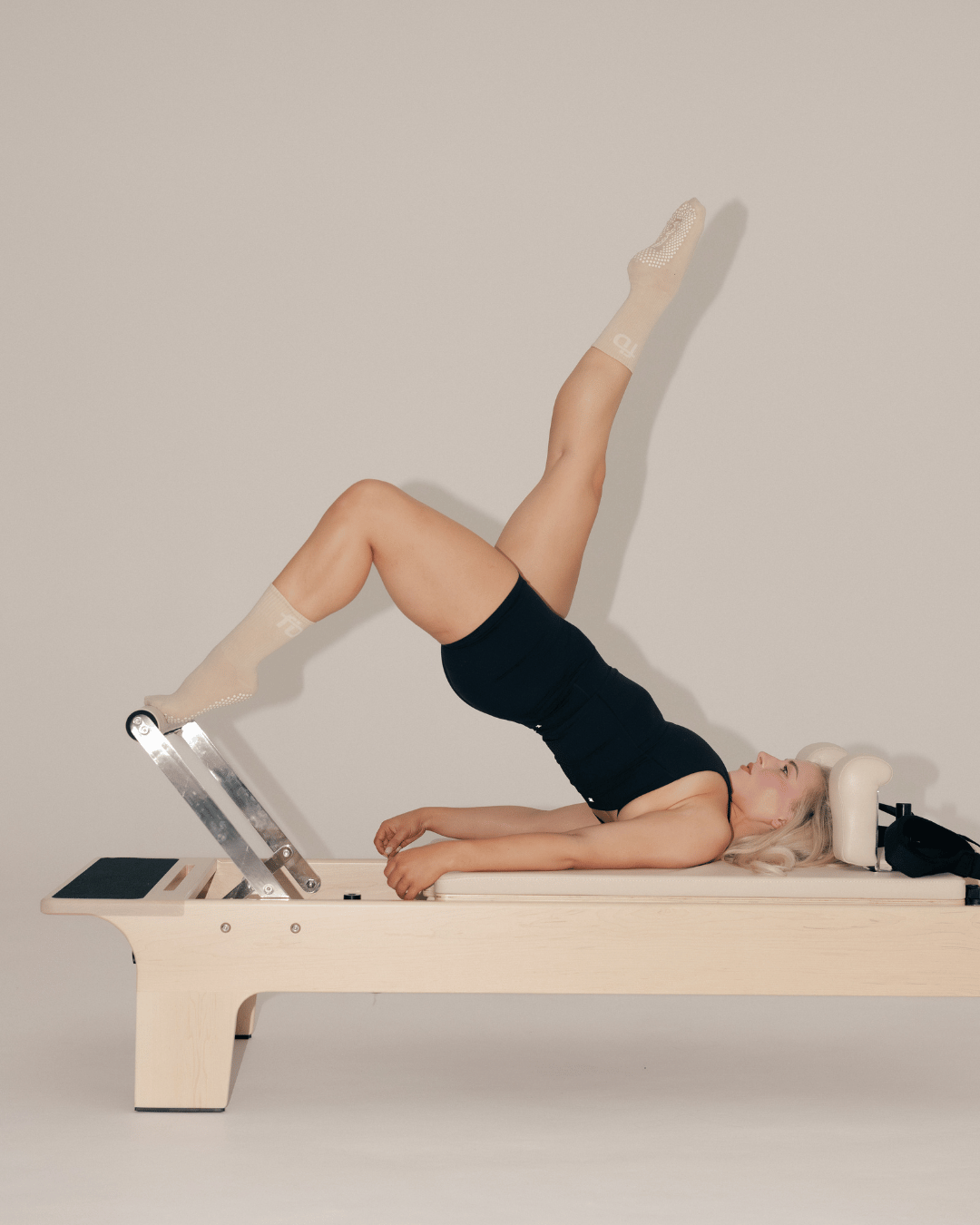
Blending yoga flows with Reformer Pilates is a smart way to build strength, mobility, and mindfulness—without overloading your body. Whether you’re a Pilates instructor, running a studio, or training in a home studio, integrating yoga-inspired movement can enhance recovery, improve flexibility, and elevate overall performance.
Why Combine Yoga and Reformer Pilates?
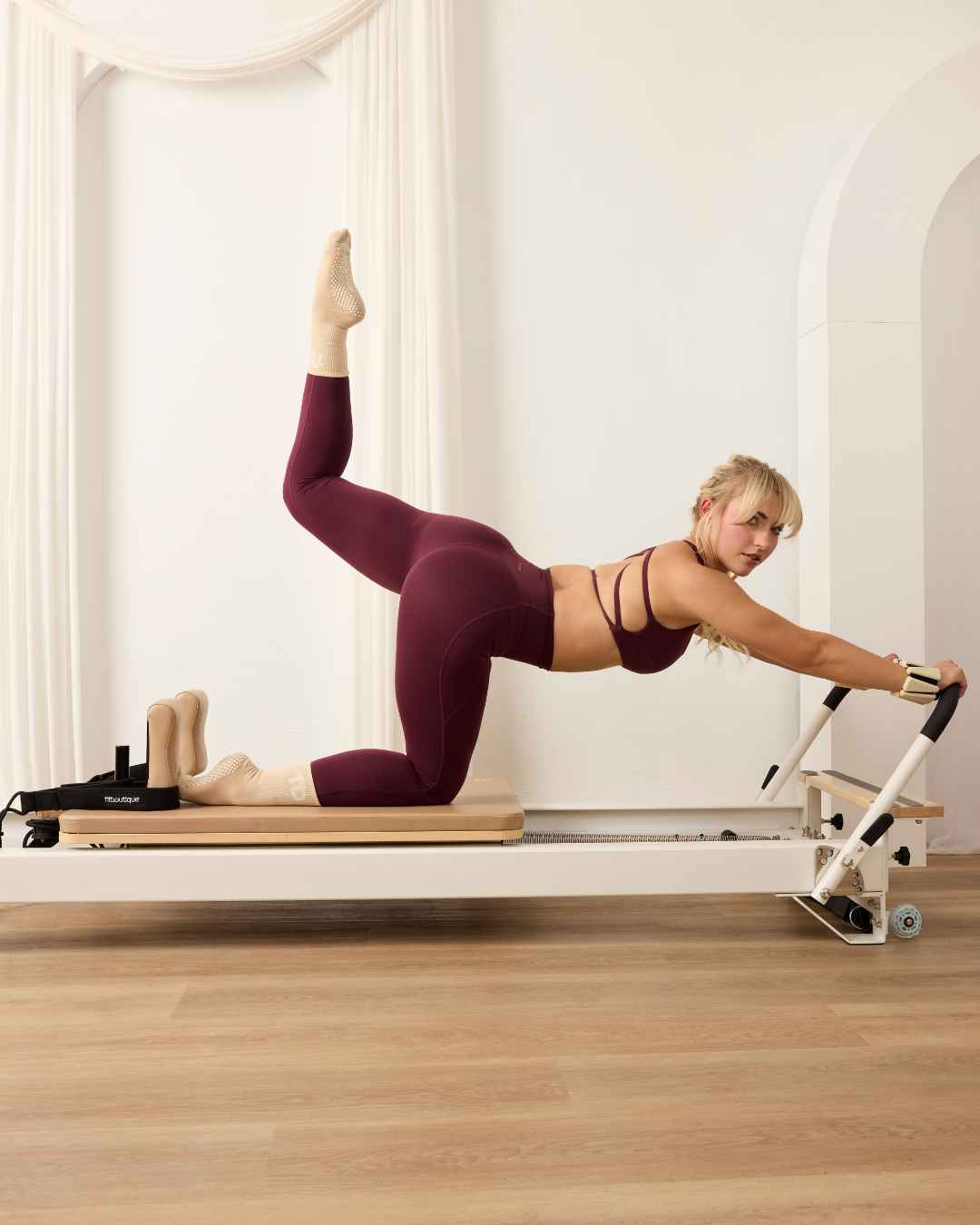
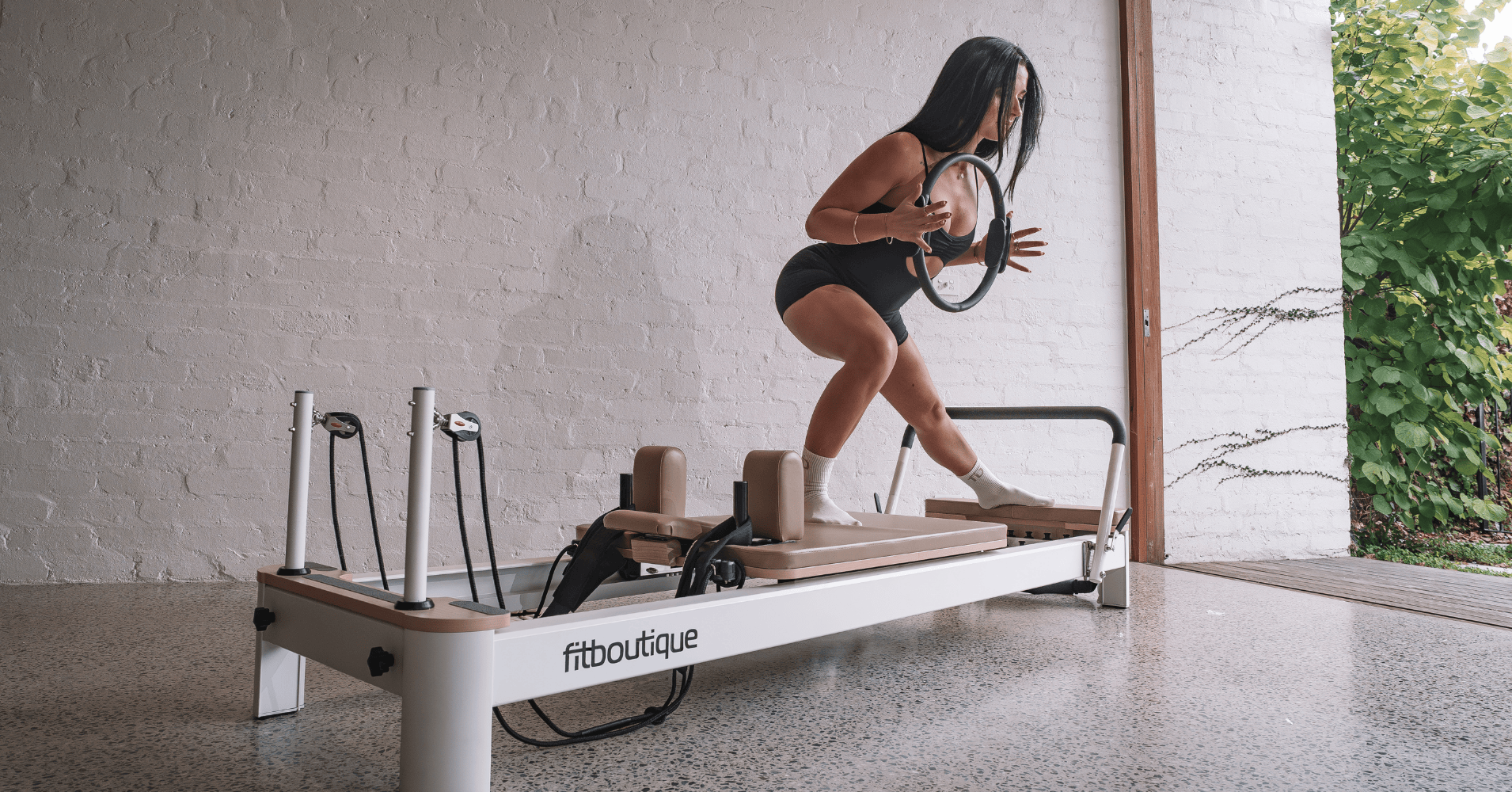
Reformer Pilates focuses on controlled, resistance-based movement, while yoga emphasizes breath, flow, and joint mobility. When combined, they create a balanced training approach that improves range of motion, supports injury prevention, enhances mind–body connection, and promotes active recovery between sessions.
Where Yoga Fits in Your Weekly Schedule
Yoga on recovery days: Use gentle flows to reduce muscle stiffness and improve circulation.
Yoga as a warm-up: Add 5–10 minutes of yoga-inspired mobility before Reformer training.
Yoga as a cool-down: Finish sessions with slow flows and breathwork to support nervous system recovery.
Best Yoga Styles to Pair With Reformer Training
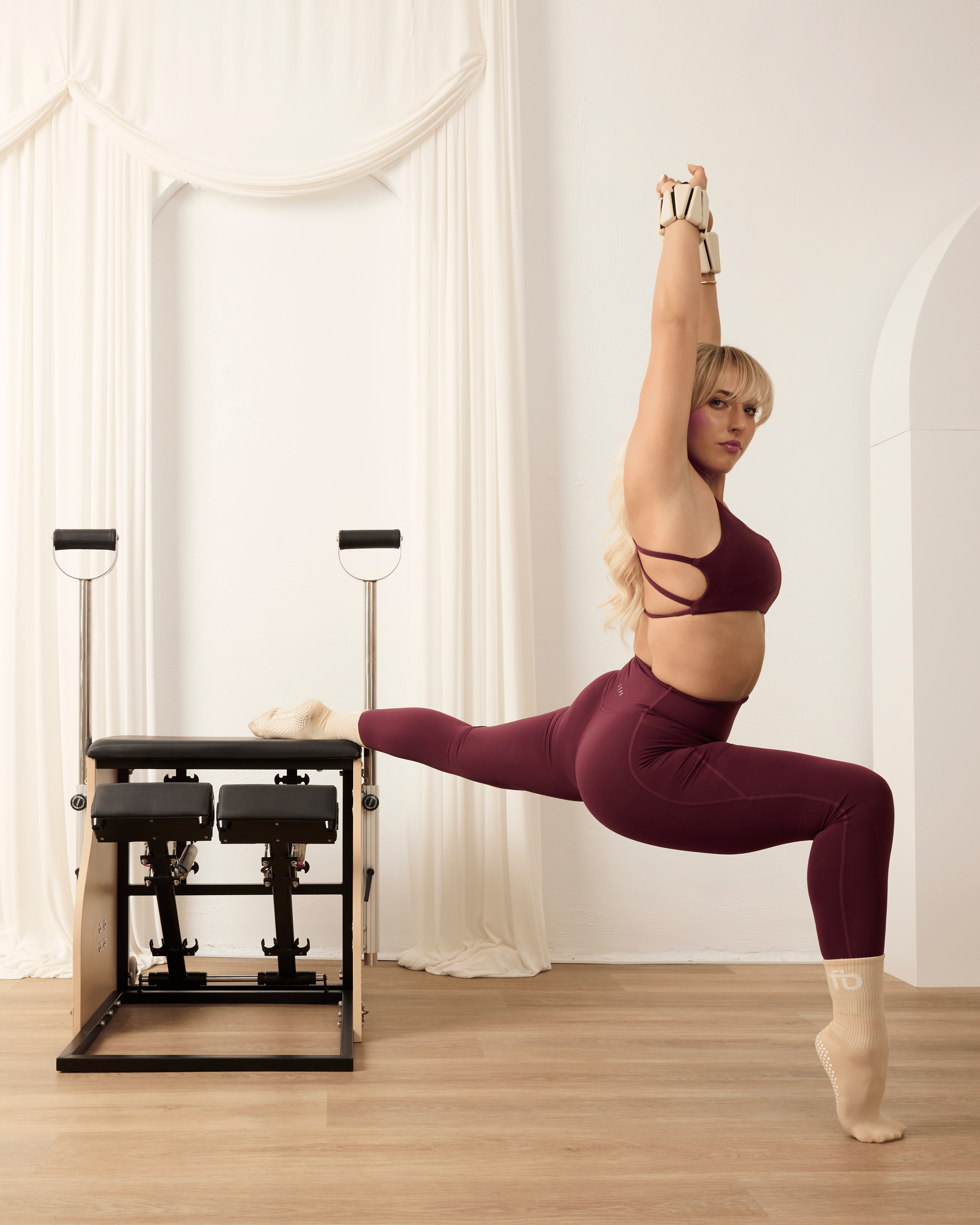
- Vinyasa Flow: Improves coordination and fluid movement
- Hatha Yoga: Supports alignment and postural awareness
- Yin Yoga: Encourages deep stretching after strength-based work

How Pilates Instructors Can Program Both
Pilates instructors and studios can integrate yoga flows by alternating Reformer and yoga days, offering hybrid Reformer + Flow classes, or using yoga-based movement for beginner and rehabilitation clients.
Home Studio Integration Tips
- Keep yoga flows equipment-free to balance resistance training
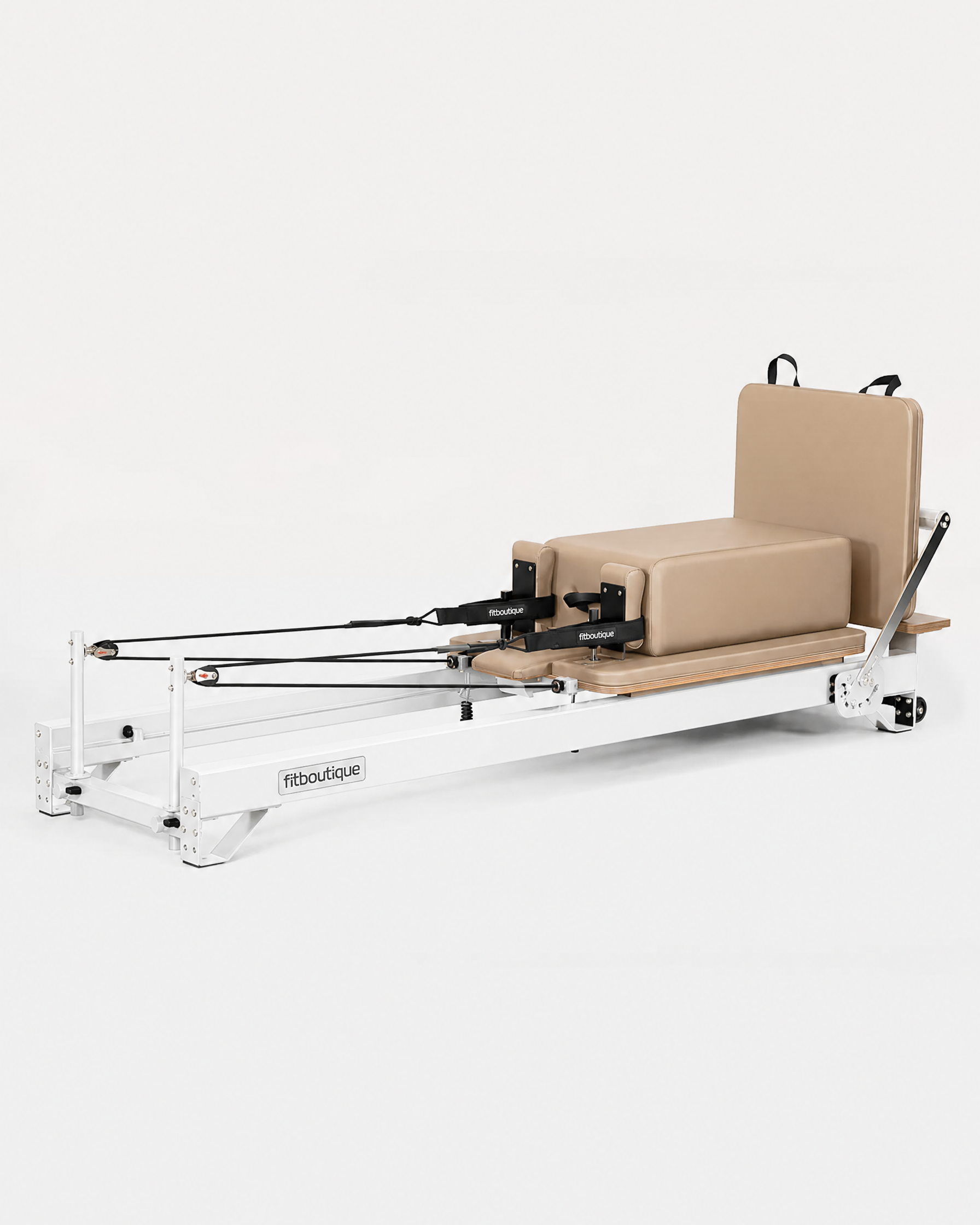
- Use your Reformer space for standing flows and mobility work
- Focus on breath-led movement to complement structured Pilates sets
Final Thoughts
Integrating yoga flows into your Reformer training schedule creates a more sustainable, balanced practice. By combining strength, mobility, and mindful movement, you support long-term performance and overall wellbeing—whether training at home or in a professional studio.

Written by Ayrah Yuso
I'm part of the FitBoutique team and have a solid passion (and love) for all things exercise related, including Reformer Pilates

















Leave a comment