




Pilates Franchise Cost
If you are looking at a Pilates franchise, the number you want is rarely the number you are given. Brands publish a franchise fee, which is the smallest part of what you will actually spend, and almost never publish the total.
So this is the honest breakdown. What the fee covers, what sits on top of it, what you keep paying every month once the doors are open, and the one comparison nobody selling you a franchise will make for you.

In this article
What is actually published
Very little, and that is worth knowing before you start comparing.
Club Pilates publishes its Australian numbers openly. A franchise fee of 60,000 dollars, then an ongoing 8 per cent royalty on gross sales and a further 2 per cent of gross sales into the marketing fund. Those figures are on the franchise section of their own Australian site.
Most other brands do not publish. KX Pilates, for example, refers prospective owners to a financial model provided during the application process rather than putting figures on the public page. That is normal in franchising, and it is also the reason so many first time enquiries end up comparing one brand that publishes against several that do not.
The practical consequence is that you cannot compare Pilates franchises by reading websites. You compare them by getting the disclosure document for each, which you are entitled to, and reading the fee schedule in all of them side by side.
What the franchise fee covers
Broadly the same things across brands, and none of them are the studio.
The right to use the brand in a defined territory. Initial training, usually a structured program for the owner and often for the first instructors. The operations manual and systems. Site selection support. Launch marketing materials and some level of opening support.
What it does not cover is the lease, the fit out, the equipment, the staff, the stock, the insurance, the software or the money you need to live on while the studio fills. All of that is separate, and all of it is yours.
What sits on top of the fee
This is where the real total lives, and it is the part you have to build yourself because it depends almost entirely on your site.
Lease costs. Bond, first month, and in many cases a personal guarantee. Location drives this more than anything else on the list.
Fit out. Flooring, mirrors, lighting, sound, reception, changing space, signage and whatever the brand mandates. Franchise fit outs are usually more expensive than independent ones, because the specification is not yours to trim.
Equipment. Reformers first, then everything around them. This is the largest single equipment line and the one most within your control, which I come back to below.
Working capital. The money the studio loses while memberships build. Underestimating this closes more new studios than any other single factor, and it is the number brands are quietest about.
Professional costs. A franchise lawyer to read the agreement, an accountant to model it. Both are non negotiable and both are cheap relative to what they protect you from.
What you pay every month forever
The fee is once. This part is not.
A royalty, typically a percentage of gross sales rather than profit. Club Pilates publishes 8 per cent. A marketing levy on top, published at 2 per cent in that case. Software and booking platform fees. And in many agreements, a requirement to spend a further amount on local area marketing yourself.
Run those percentages against your own revenue forecast before you do anything else. Ten per cent of gross sales is a meaningful share of a boutique studio margin, and because it is charged on revenue rather than profit, you pay it in the quiet months too.

Franchise versus independent
I am not going to tell you one is better, because the answer depends on what you are buying.
A franchise gives you a brand people already search for, a proven class format, a fit out specification you do not have to design, training systems and a group to call when something goes wrong. If you have not run a studio before, that is genuinely valuable and it is what you are paying the royalty for.
Independent gives you the same revenue with no royalty, no marketing levy, no mandated fit out and no territory restrictions. It also gives you every problem to solve yourself, including the hardest one, which is getting people through the door before anyone has heard of you.
The honest maths is this. Over 5 years, the royalty and levy on a busy studio add up to a very large number. Whether that number is worth it comes down to whether the brand actually fills your timetable faster than you could yourself. In a suburb where nobody knows the brand either, it may not.
If you are weighing up the independent route, I broke the full startup picture down in how much it costs to open a Pilates studio.
Questions to ask before you sign
- What is the total investment range, not the franchise fee. Ask for the low and high end, and ask what drives the difference. If the answer is vague, that is information.
- How much working capital do your studios actually need. Then ask how many months it typically takes a new studio to break even, and ask to speak to 2 owners who opened in the last 18 months.
- Is the equipment specified, and can I source it myself. Some agreements mandate a supplier. Some mandate a specification. Those are very different positions to be in.
- What happens at renewal. Renewal fees, mandated refits and the cost of both. A refit clause 5 years out is a real liability today.
- What is my territory, and what protects it. Get the boundary in writing and get the conditions under which it can change.
- What can I sell it for. Ask what franchises in the network have resold for and how long they took. An exit you cannot price is not really an asset.

Where the equipment sits in all this
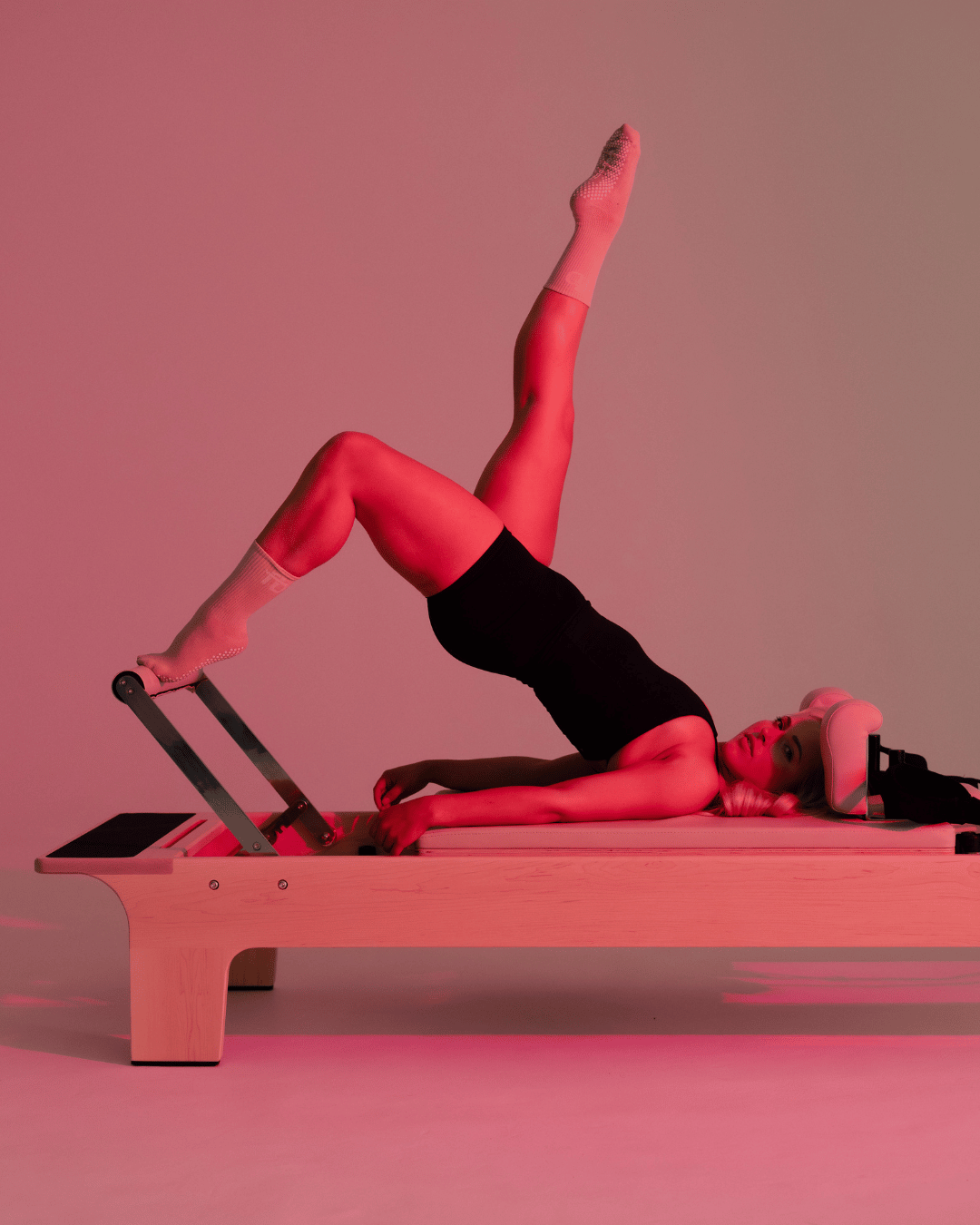
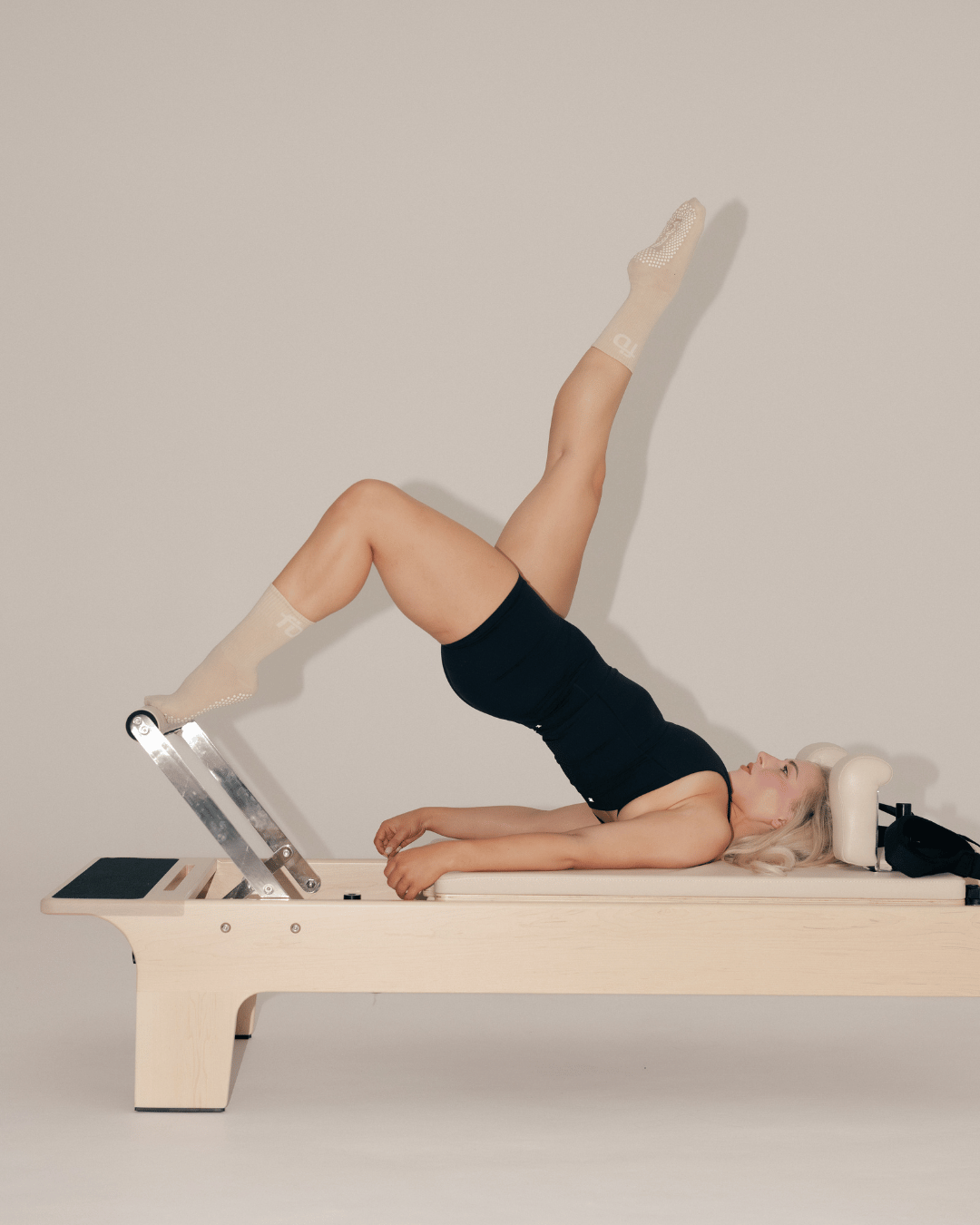
Reformers are usually the largest capital line after the fit out, and unlike rent and royalties, they are a cost you can control.
Two things matter. The first is whether the machines hold up under studio use, because a reformer running 8 classes a day is doing something quite different from one in a spare room, and the cost of a machine that fails is never just the machine. The second is whether you are free to choose, which comes back to question 3 above.
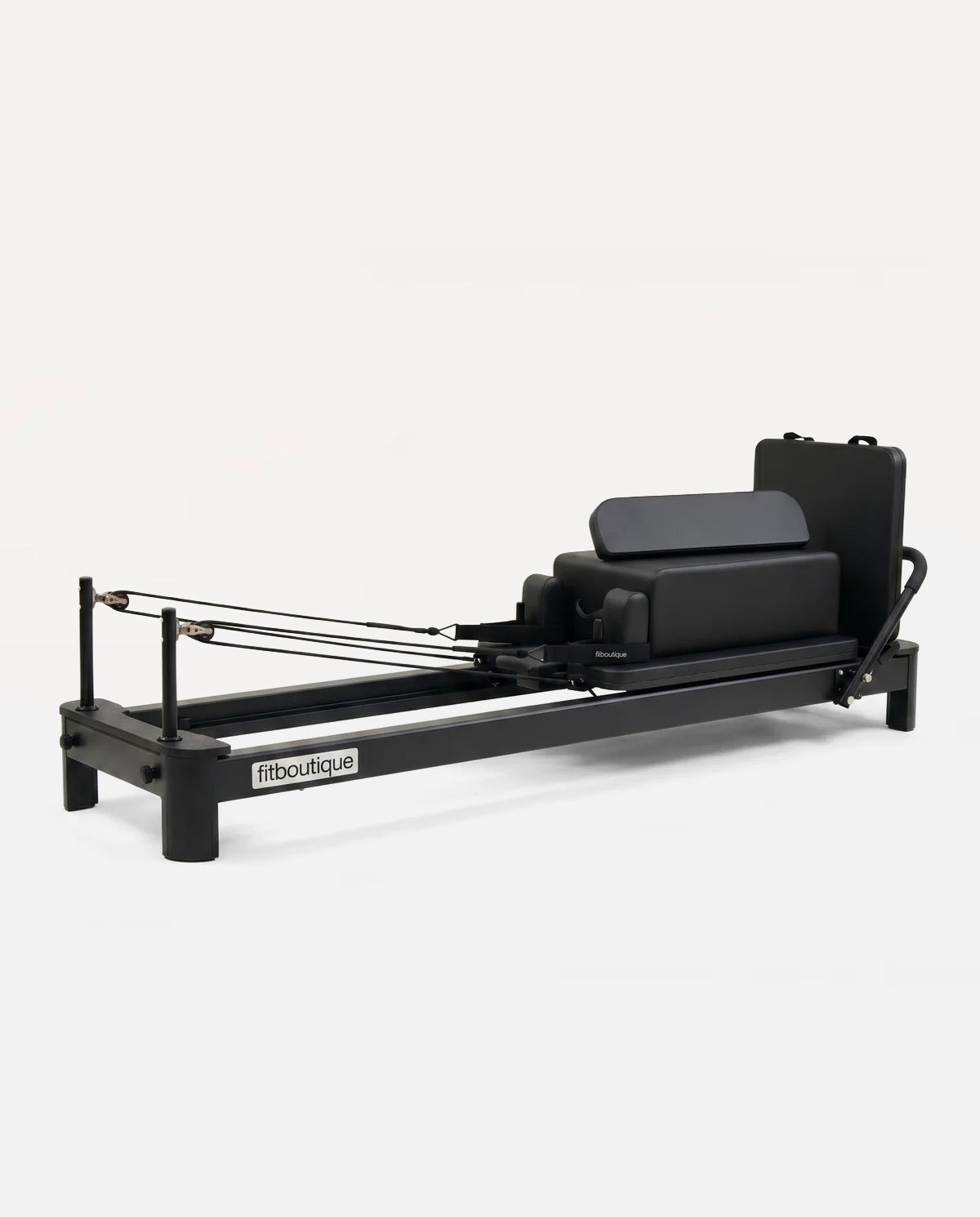
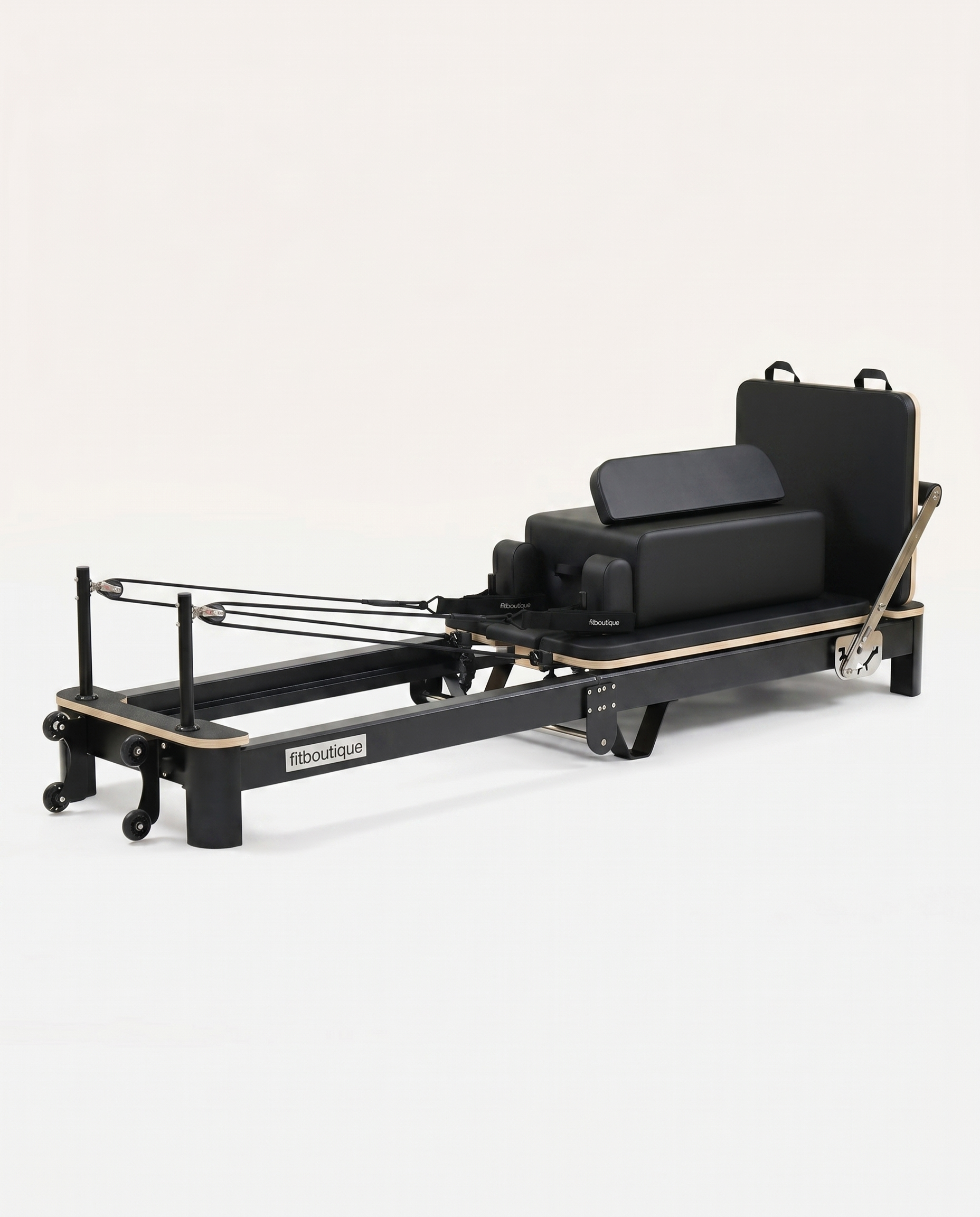
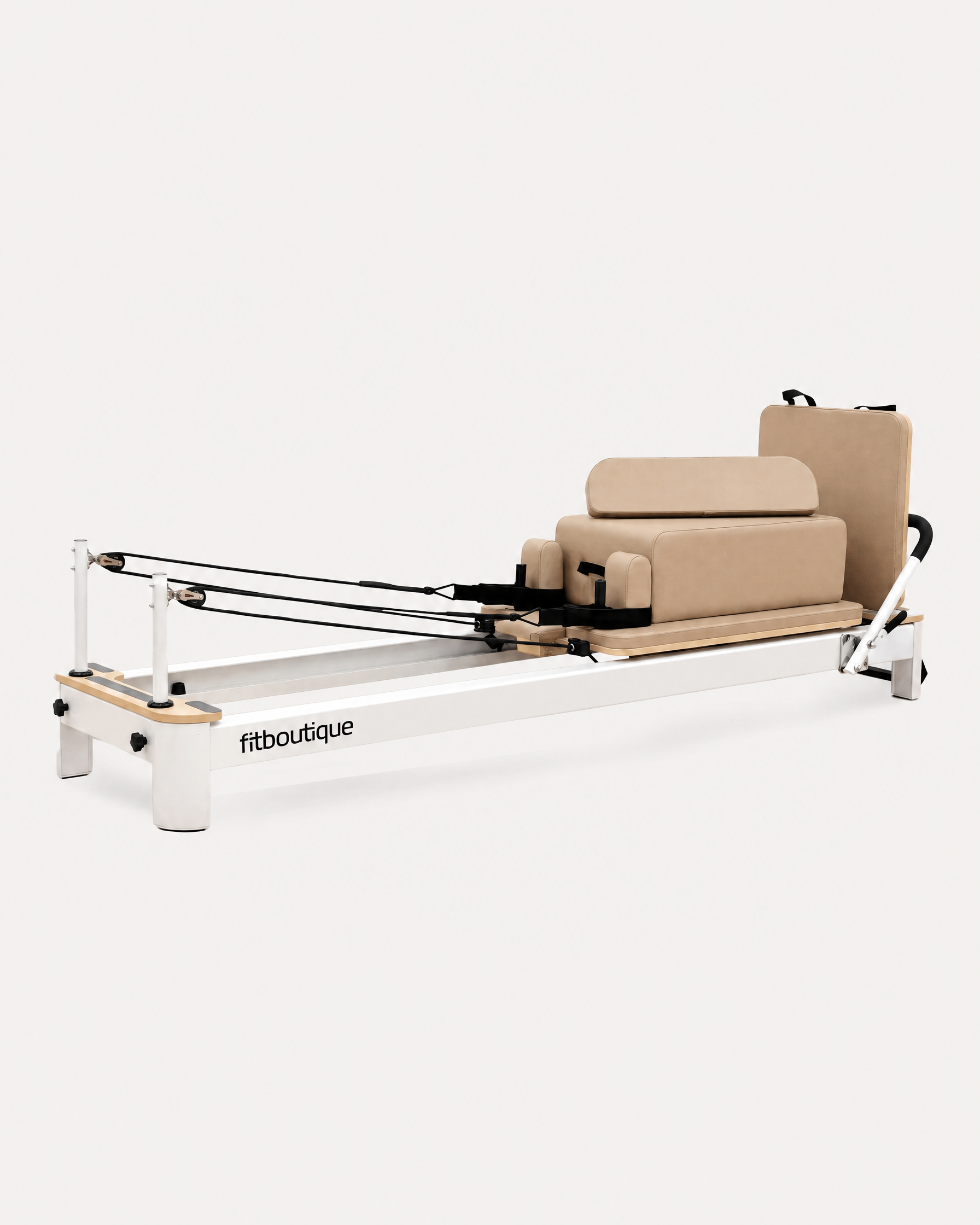
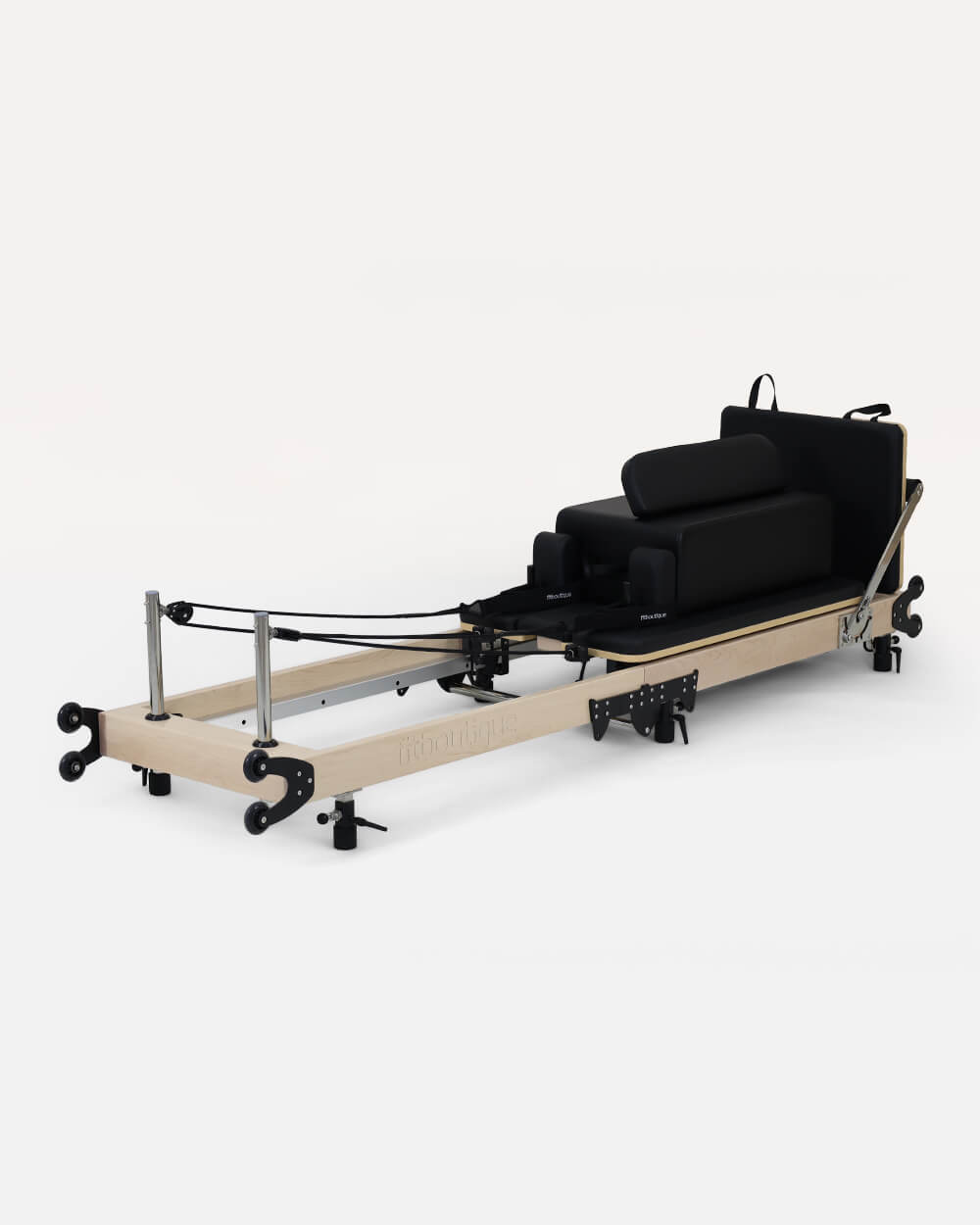
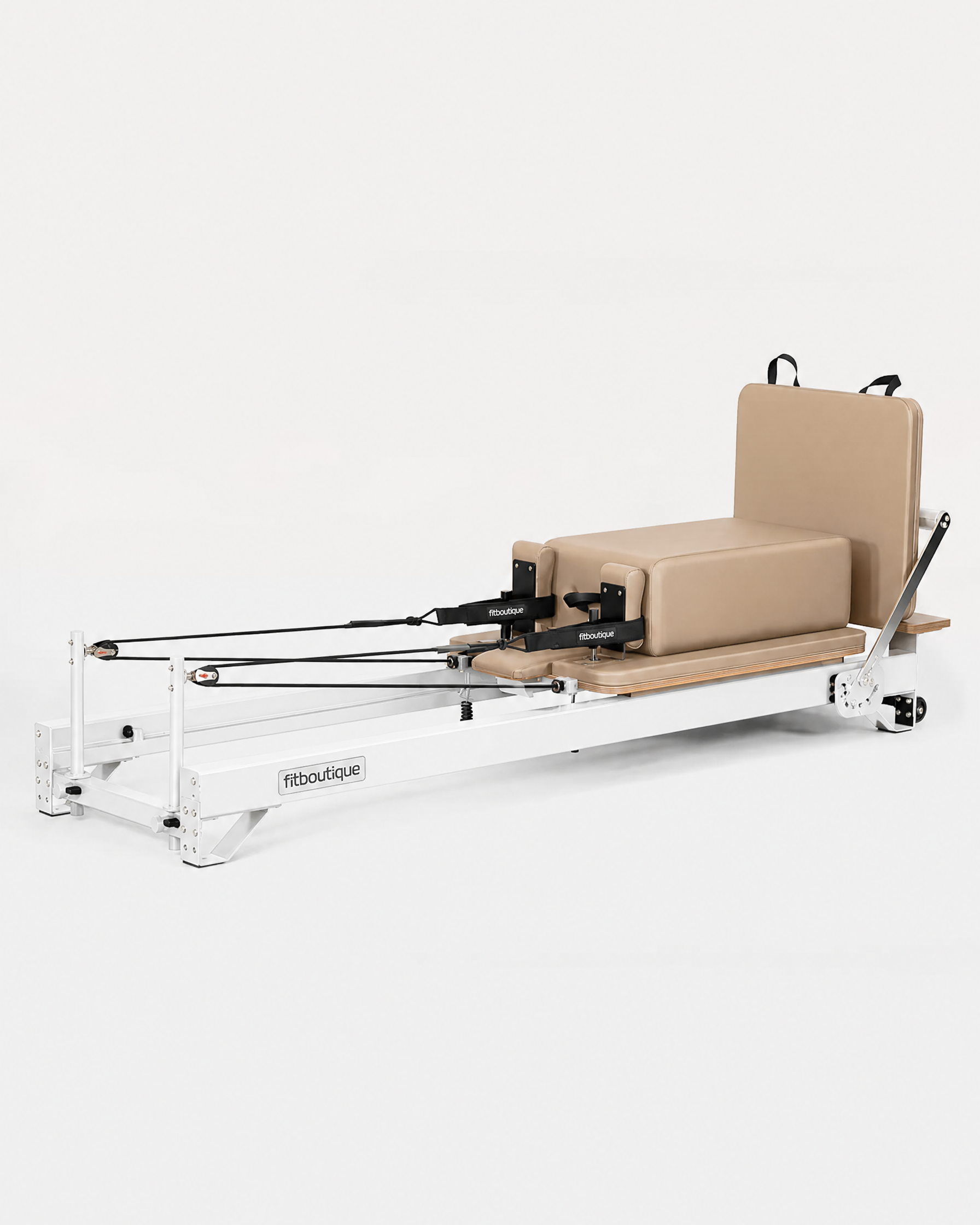
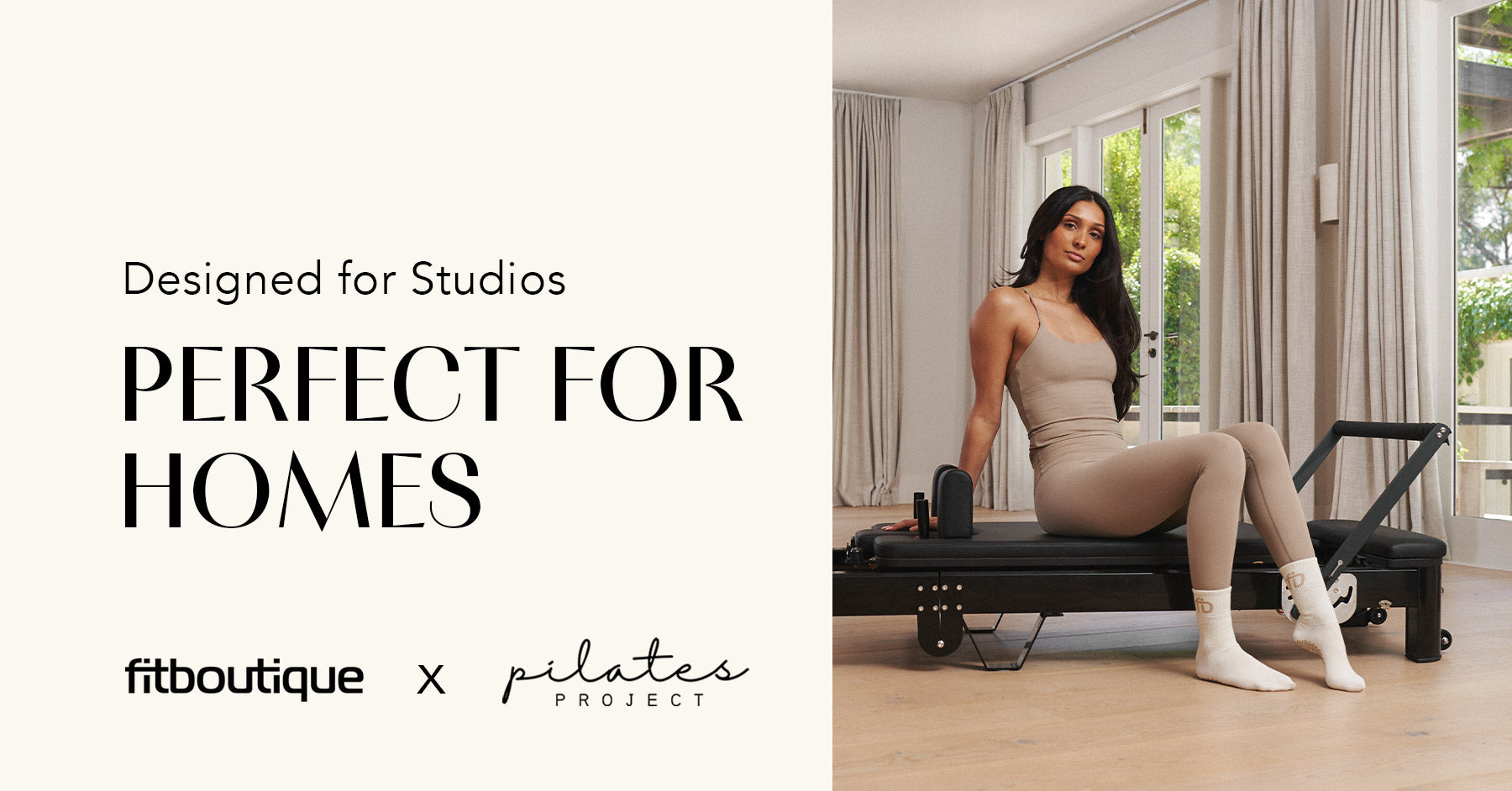
Our commercial range is built for that daily load, comes assembled with 6 German made springs, a jumpboard and box included, free delivery Australia wide and a 5 year warranty. If you are fitting out a floor, I went through the selection properly in the best Pilates reformers for studios, and you can see the commercial range on our studio fit out page.
If you want a tailored equipment list against your floor plan and class model, get in touch and we will build one with you.
A Note From Ayrah
The thing that surprised me most when I started talking to studio owners is how many of them could tell me their franchise fee to the dollar and could not tell me their break even month.
One number is written on a website. The other decides whether you still own the business in 2 years, and you have to build it yourself from rent, staff, royalty and how quickly your timetable fills.
If you do one thing before you sign anything, build that forecast. Put the royalty and the levy in as a percentage of revenue rather than a fixed cost, so you can see what they do to a slow quarter.
It is not a fun afternoon. It is considerably less painful than finding out in month 9.
Frequently Asked Questions
How much does a Pilates franchise cost in Australia?
The franchise fee is the only figure most brands publish, and it is a small part of the total. Club Pilates publishes an Australian franchise fee of 60,000 dollars plus an 8 per cent royalty and a 2 per cent marketing fund contribution on gross sales. On top of the fee you fund the lease, fit out, equipment, staff and working capital, which together are far larger. Most other brands do not publish figures and provide them during the application process.
What does the franchise fee actually cover?
The right to use the brand in a territory, initial training, the operations manual and systems, site selection support and launch materials. It does not cover the lease, the fit out, the equipment, the staff or the working capital.
What are the ongoing fees?
A royalty and a marketing levy, both usually charged as a percentage of gross sales rather than profit. Club Pilates publishes 8 per cent and 2 per cent. Software and booking platform fees sit on top, and some agreements also require you to spend a set amount on local marketing.
Is a Pilates franchise better than opening independently?
It depends on what you are buying. A franchise gives you a known brand, a proven class format, systems and support, which is worth a lot if you have not run a studio before. Independent means no royalty, no levy, no mandated fit out and no territory limits, but every problem is yours. The deciding question is whether the brand fills your timetable faster than you could yourself in your specific suburb.
How much working capital do I need?
Enough to cover the studio losing money while memberships build, which is the number brands are quietest about. Ask the franchisor how long their recent studios took to break even and speak to owners who opened in the last 18 months rather than relying on a model.
Can I choose my own reformers in a franchise?
Sometimes. Some agreements mandate a specific supplier, some mandate only a specification, and the difference matters because equipment is the largest capital line you can still control. Ask directly and get the answer in writing before you sign.
Where do I find the real numbers?
In the disclosure document, which you are entitled to receive. Get it for every brand you are considering and read the fee schedules side by side, because public websites will not let you compare them.
What should I check about renewal?
Renewal fees and any mandated refit at the end of the term. A refit clause 5 years away is a real liability you are taking on today, and it should be in your forecast now rather than a surprise later.
Fitting Out A Studio Floor
Commercial reformers built for daily studio use, assembled, with 6 German made springs, a jumpboard and box included, free delivery Australia wide and a 5 year warranty.
See The Studio RangeWritten by Ayrah Yuso
I'm part of the FitBoutique team and have a solid passion (and love) for all things exercise related, including Reformer Pilates
















Leave a comment