





How Athletes Use Reformers to Stay Injury Free
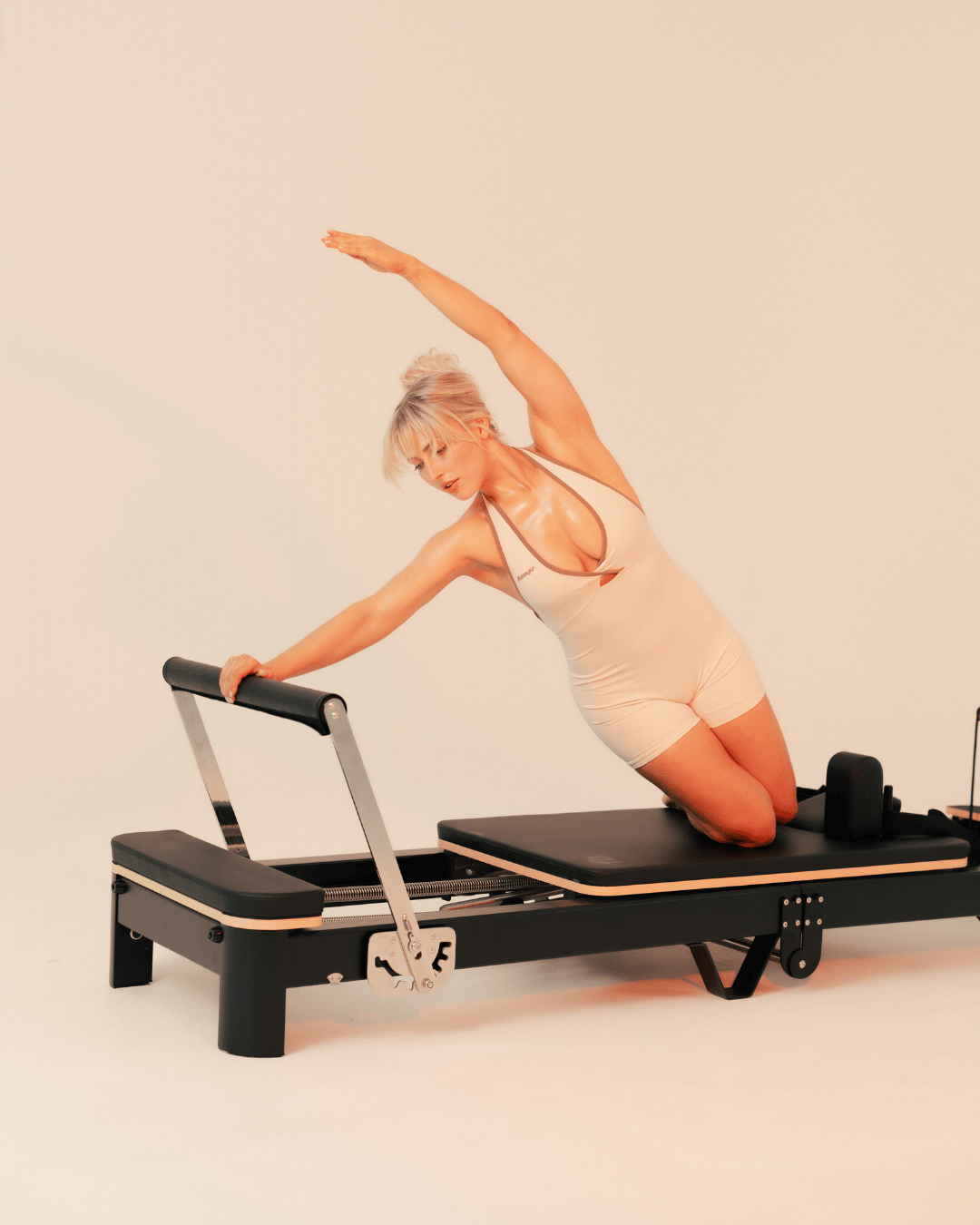
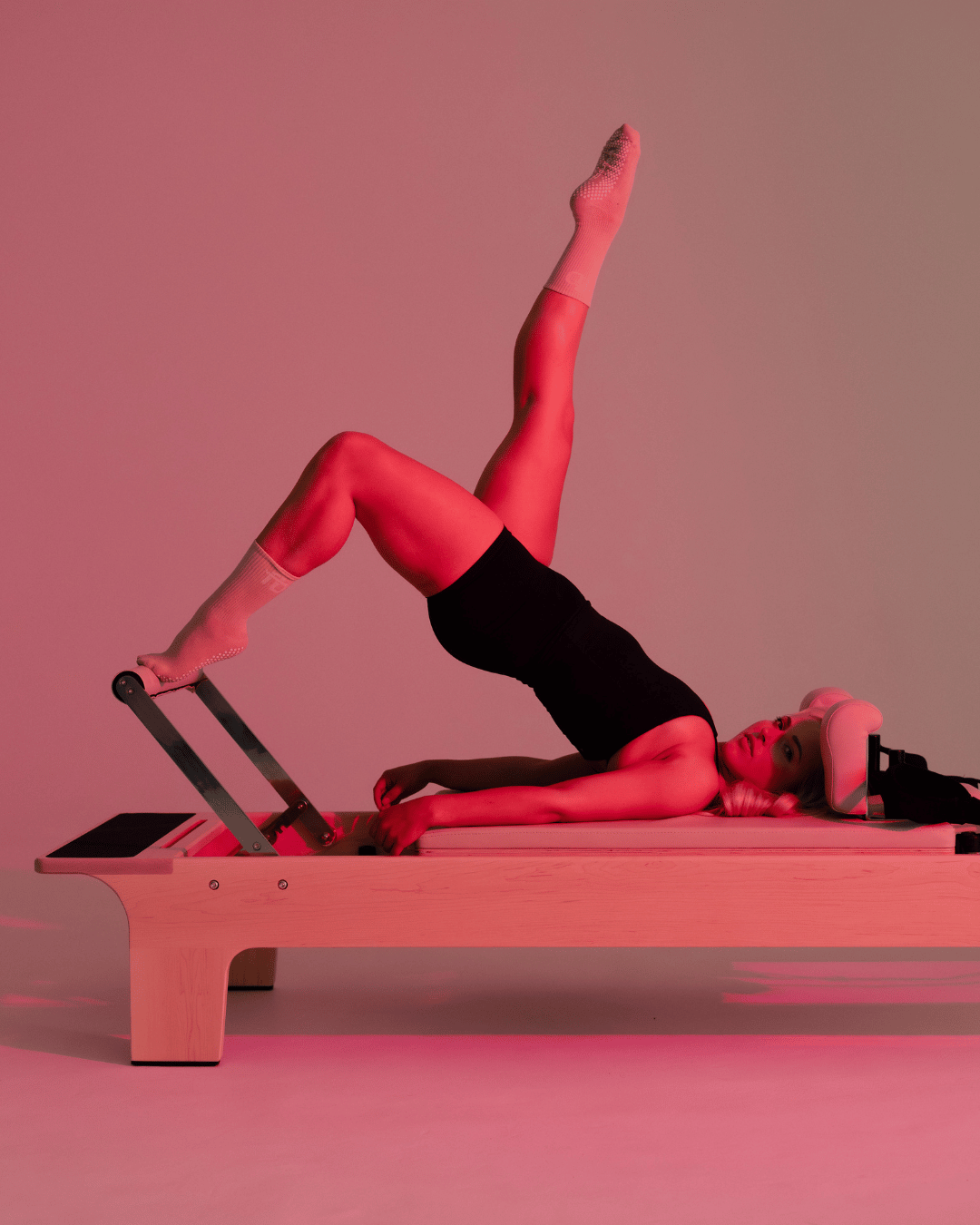
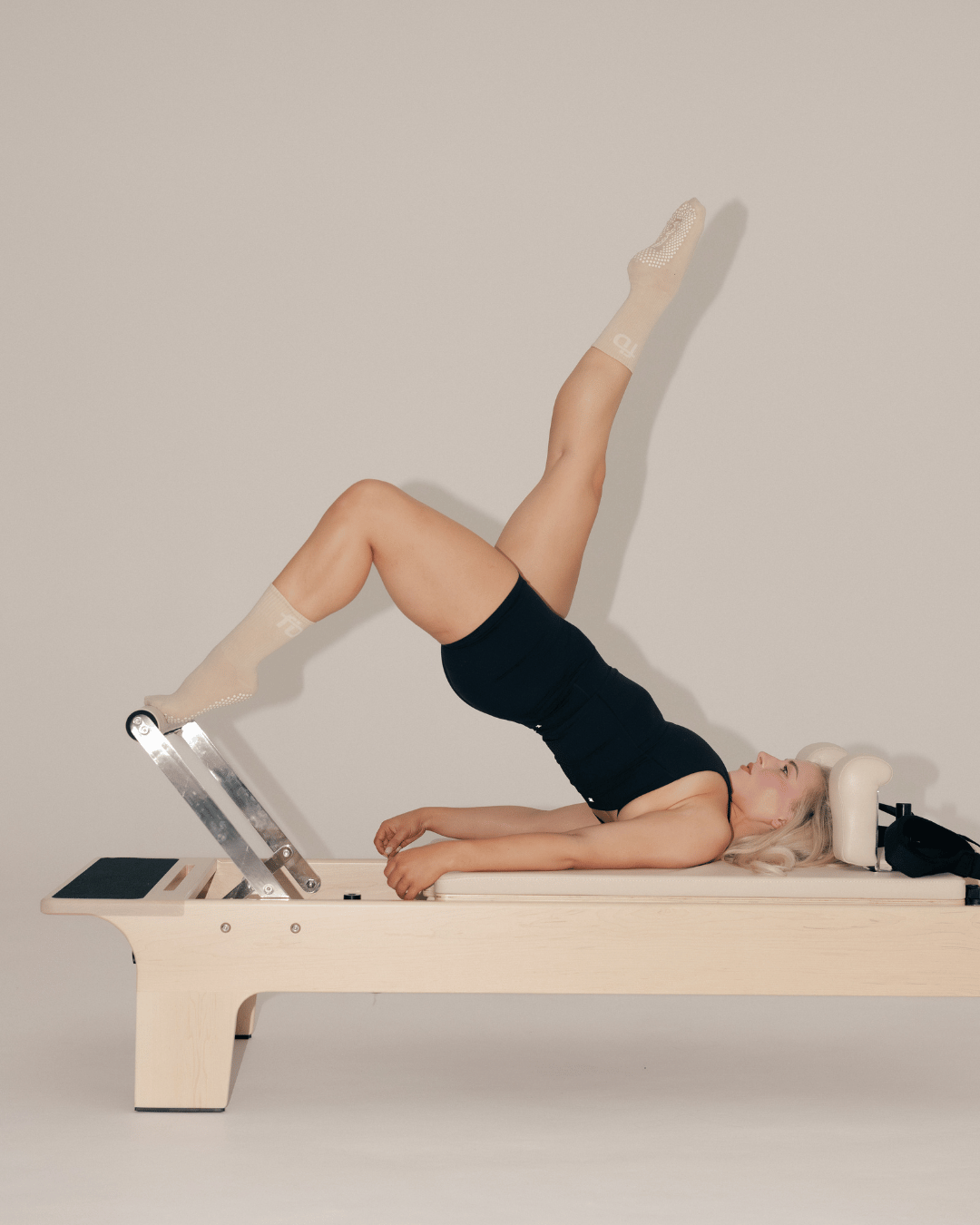
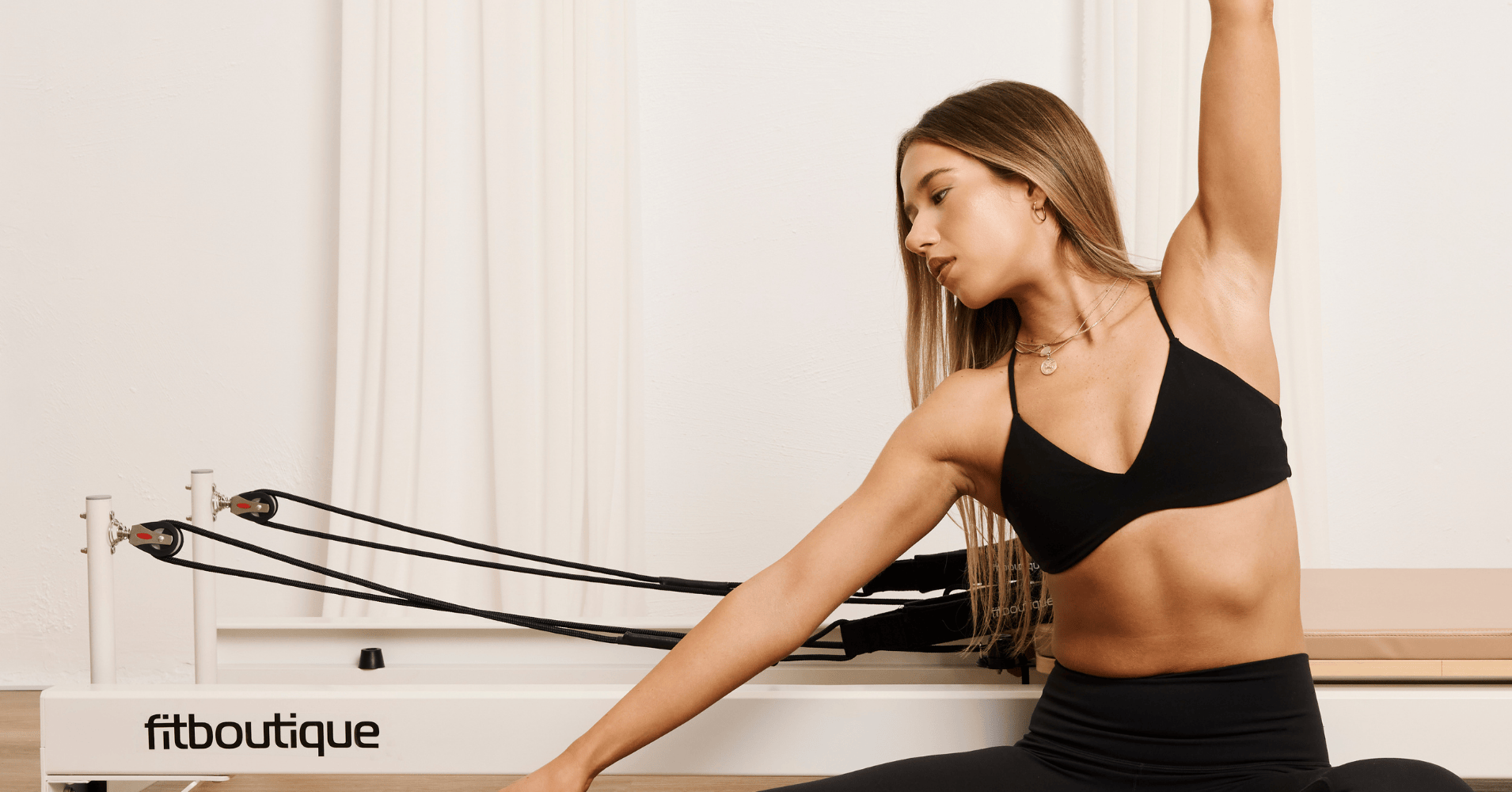
Athletes put their bodies under constant physical stress. Whether it’s running, lifting, jumping, or repetitive sport-specific movements, the risk of injury is always present. That’s why more athletes are turning to Reformer Pilates as a key part of their training and recovery routine. Using a reformer helps athletes build strength, improve mobility, and protect their bodies from common injuries—without overloading the joints.
Why Injury Prevention Matters for Athletes
Injuries often occur due to muscle imbalances, poor movement patterns, limited mobility, or weak stabilising muscles. Traditional training can sometimes reinforce these imbalances, especially when athletes focus only on power or endurance. Pilates on the reformer addresses the body as a whole, helping athletes move better, not just harder.
Building Balanced Strength
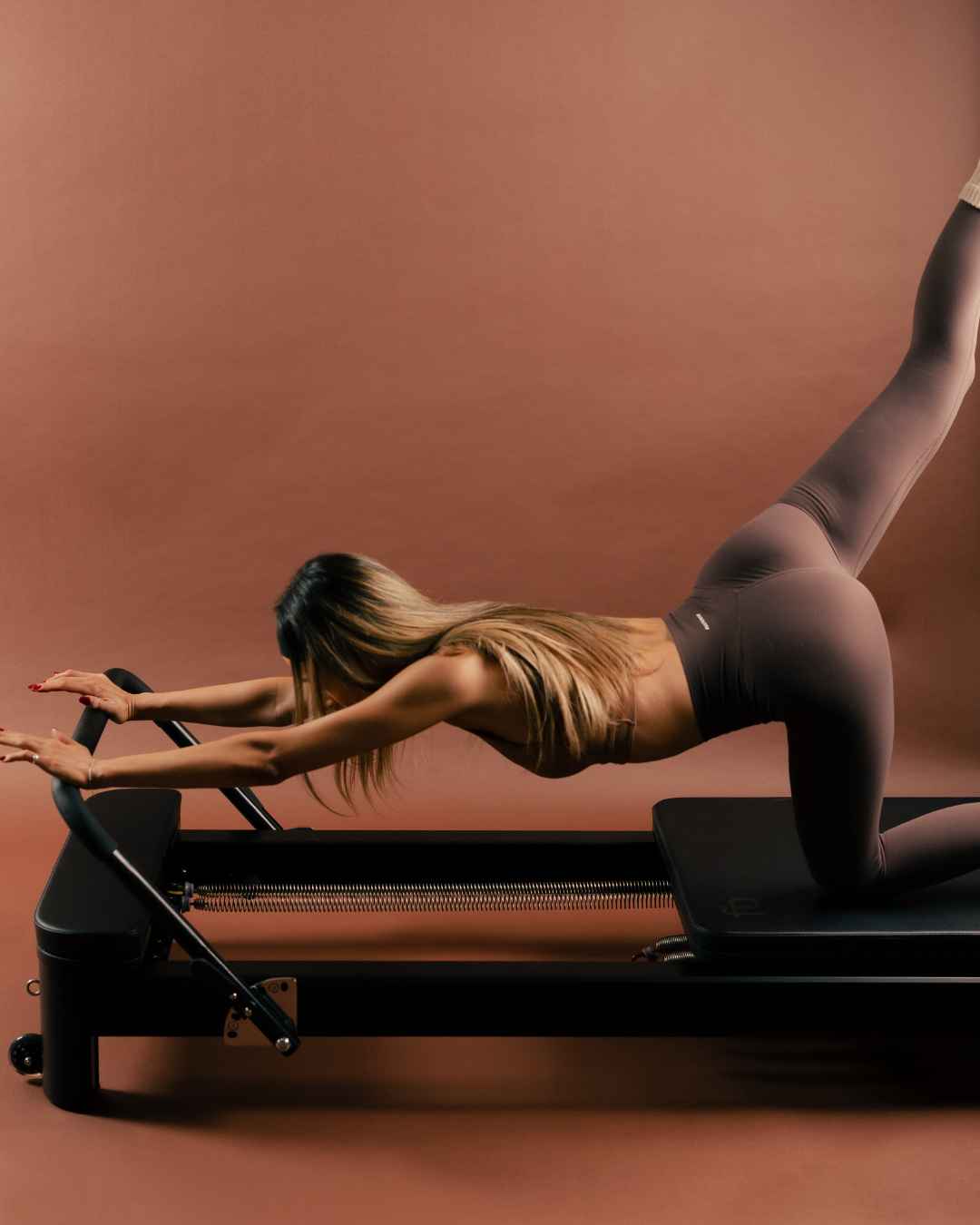
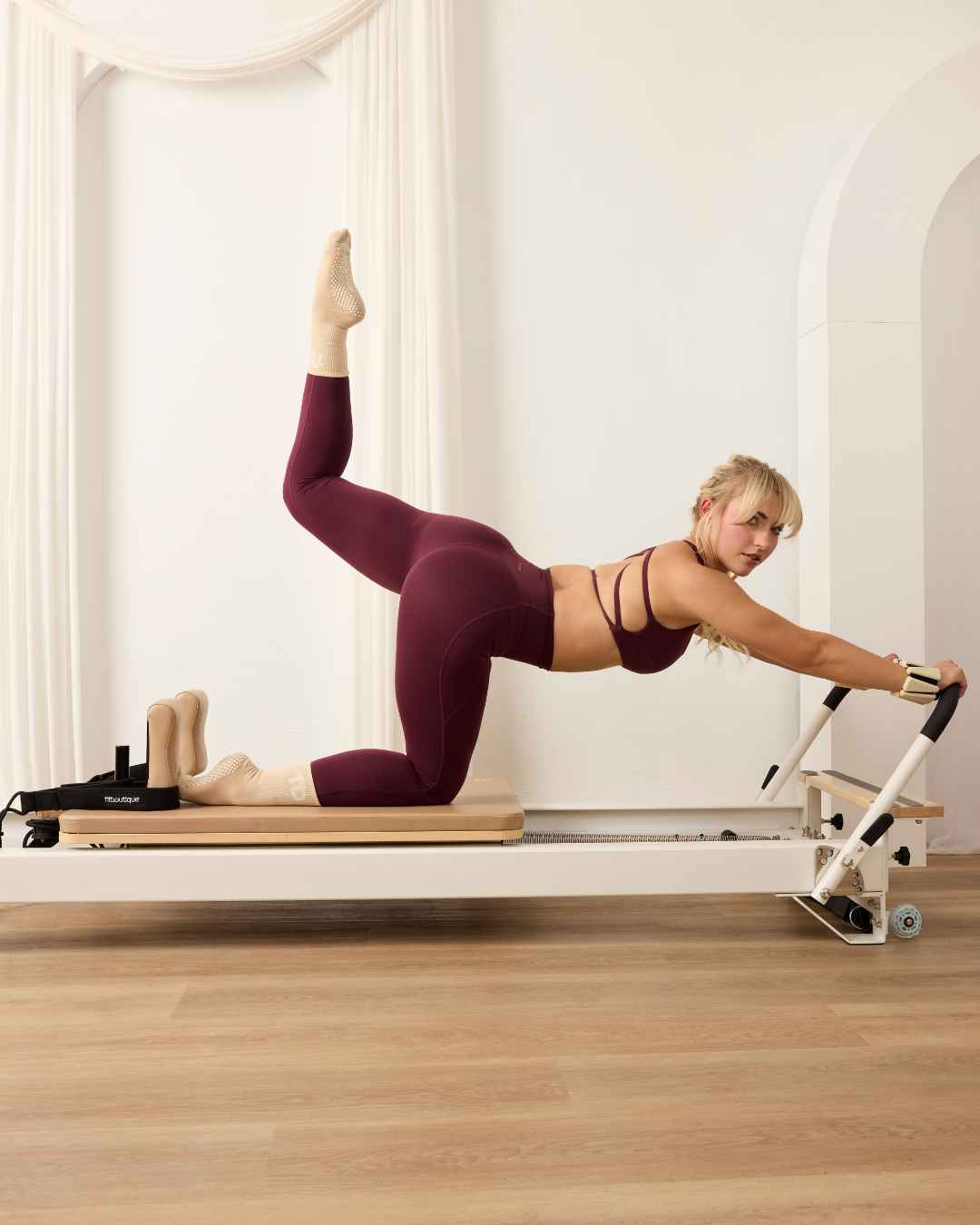
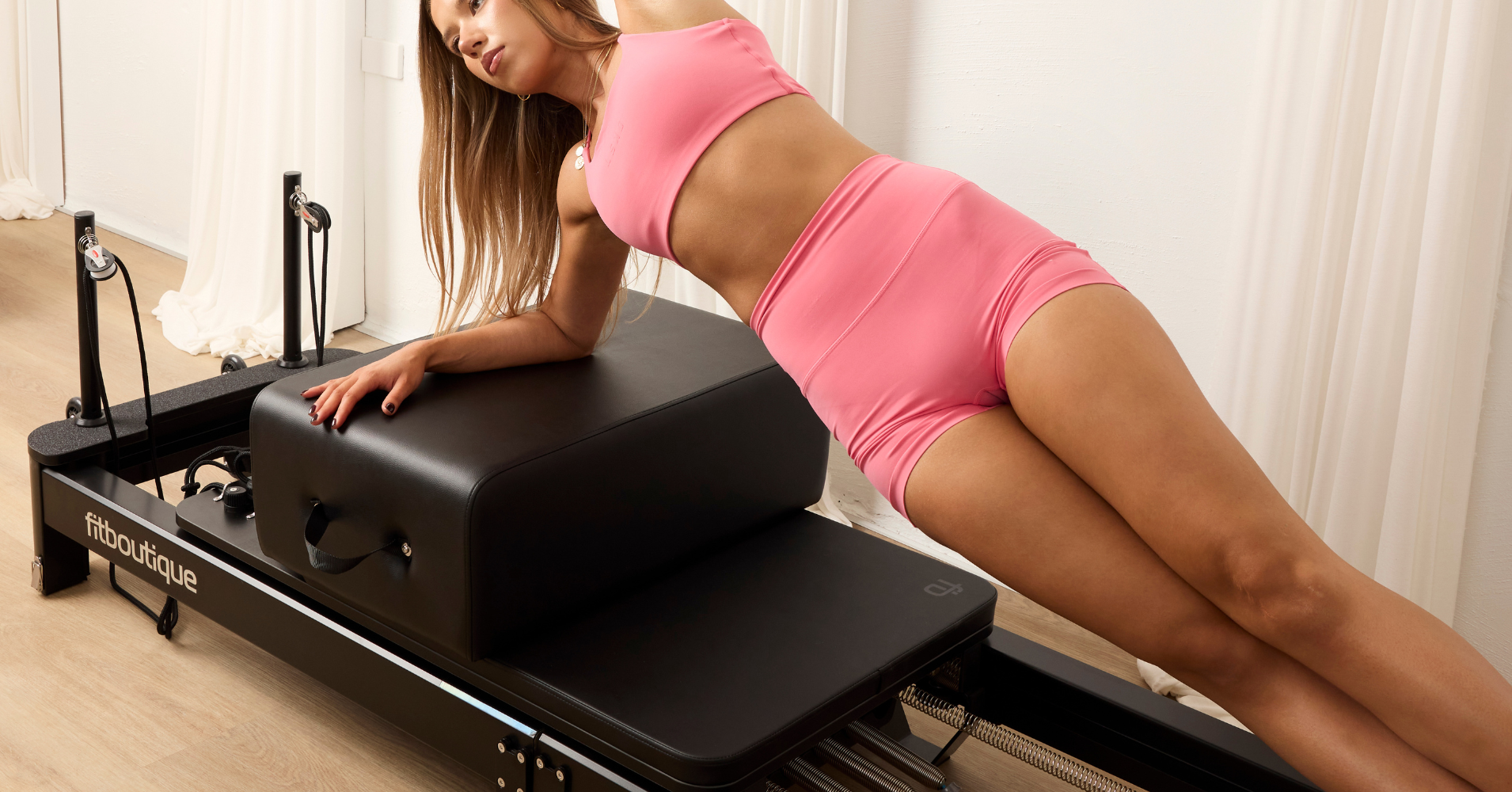
One of the biggest benefits of reformer training is balanced muscle development. Athletes often have dominant muscle groups that compensate for weaker ones, increasing injury risk. The reformer uses controlled resistance through springs, encouraging precise and symmetrical movement. This helps strengthen smaller stabilising muscles that protect the joints, particularly around the knees, hips, shoulders, and spine.
Improving Core Stability and Control
A strong core is essential for injury prevention. The reformer challenges core stability in nearly every exercise, requiring athletes to maintain control while moving their arms or legs against resistance. This deep core engagement improves posture, spinal alignment, and overall movement efficiency—reducing strain during high-impact or high-load activities.
Enhancing Mobility Without Losing Strength
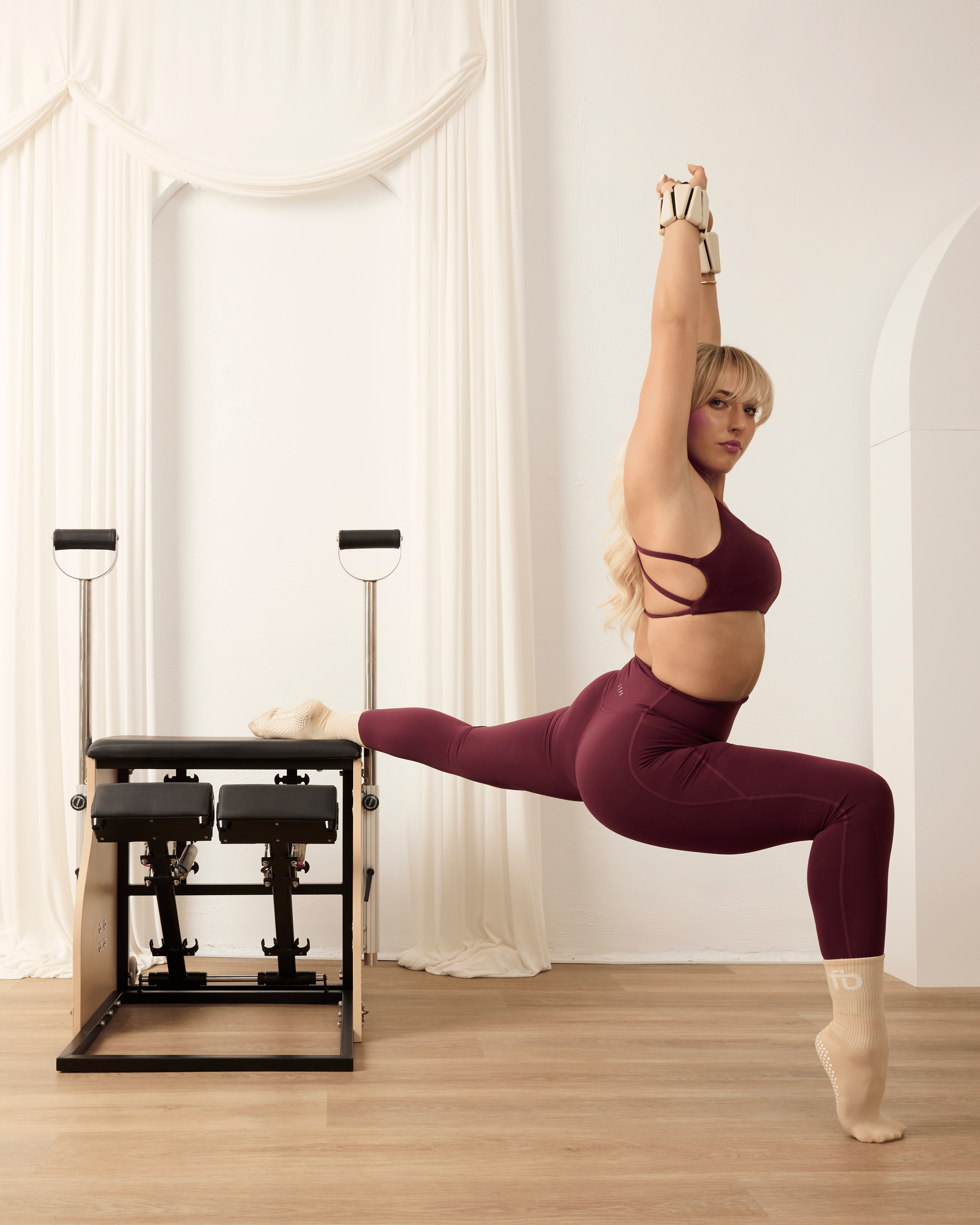
Athletes need mobility, but not at the expense of strength. Reformer Pilates combines both. The flowing movements encourage joint mobility and muscle flexibility while maintaining resistance, which helps prevent muscle tightness and joint stiffness—two major contributors to injury. This makes reformer training especially valuable during both the competitive season and recovery phases.
Low-Impact Training for Longevity
Reformer Pilates is low impact, making it ideal for injury prevention and rehabilitation. Athletes can train intensely without excessive stress on the joints, tendons, or ligaments. This allows consistent training even during rest days or active recovery periods, helping athletes stay strong while reducing overuse injuries.
Why Pilates Instructors and Studios Choose Premium Reformers
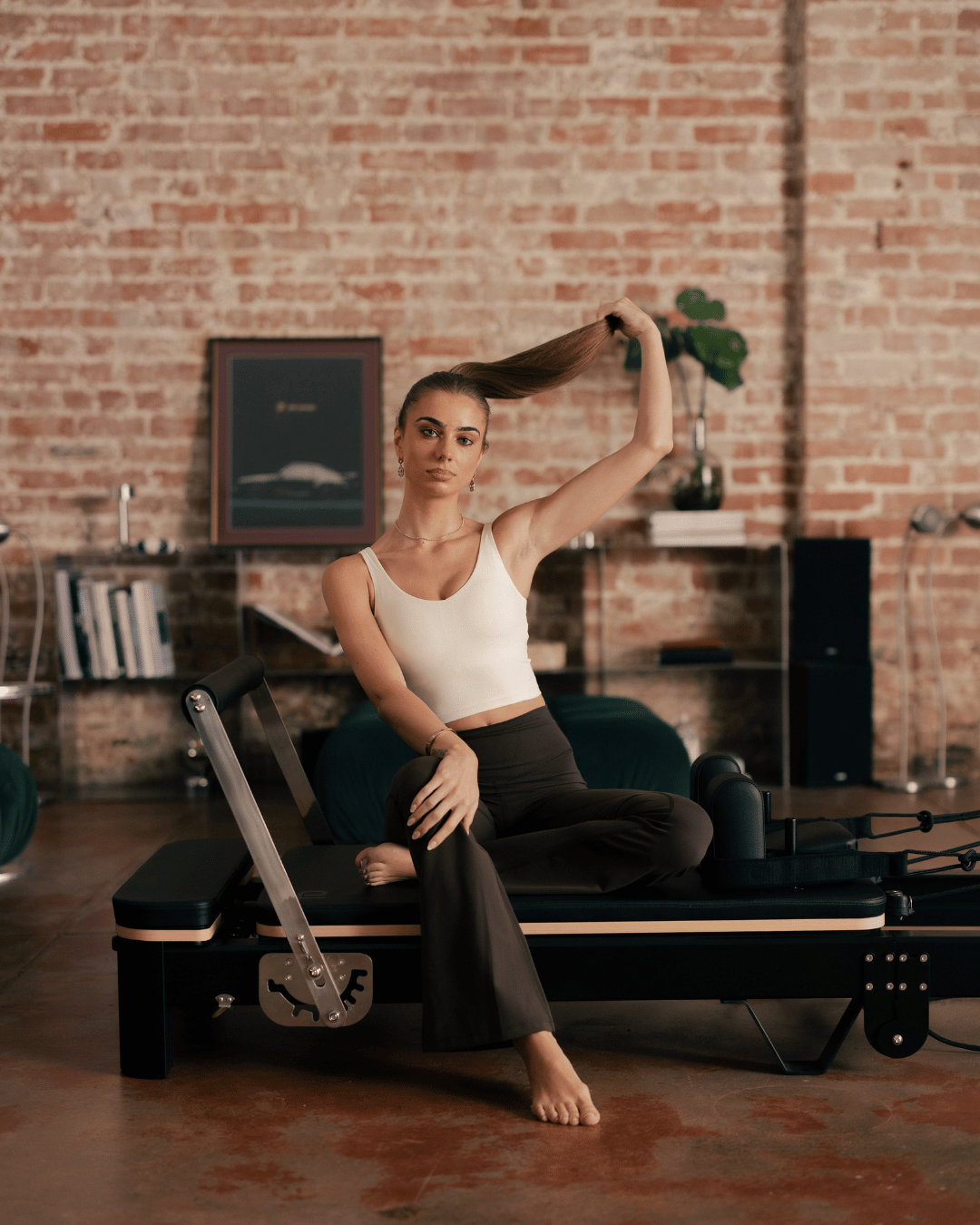
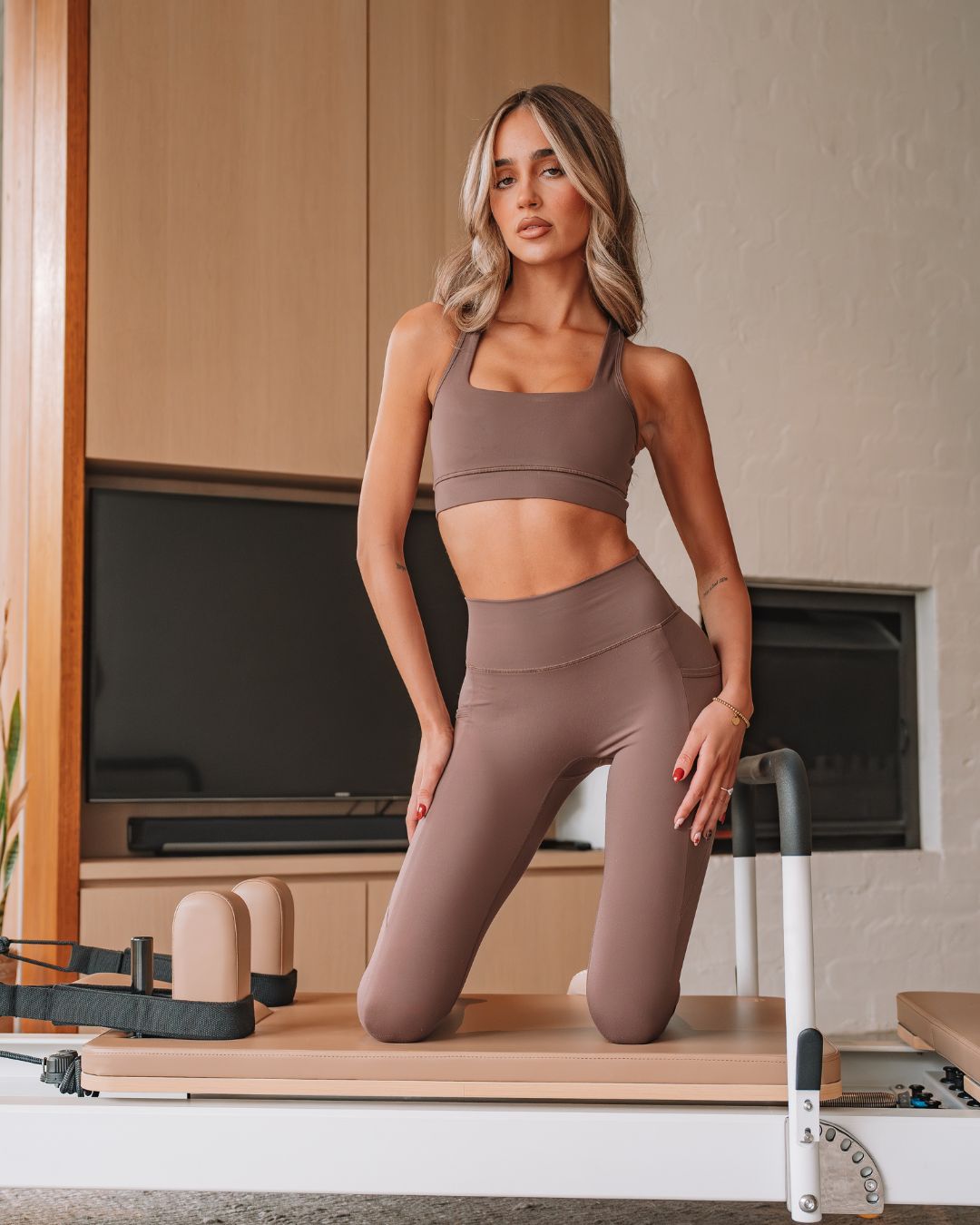
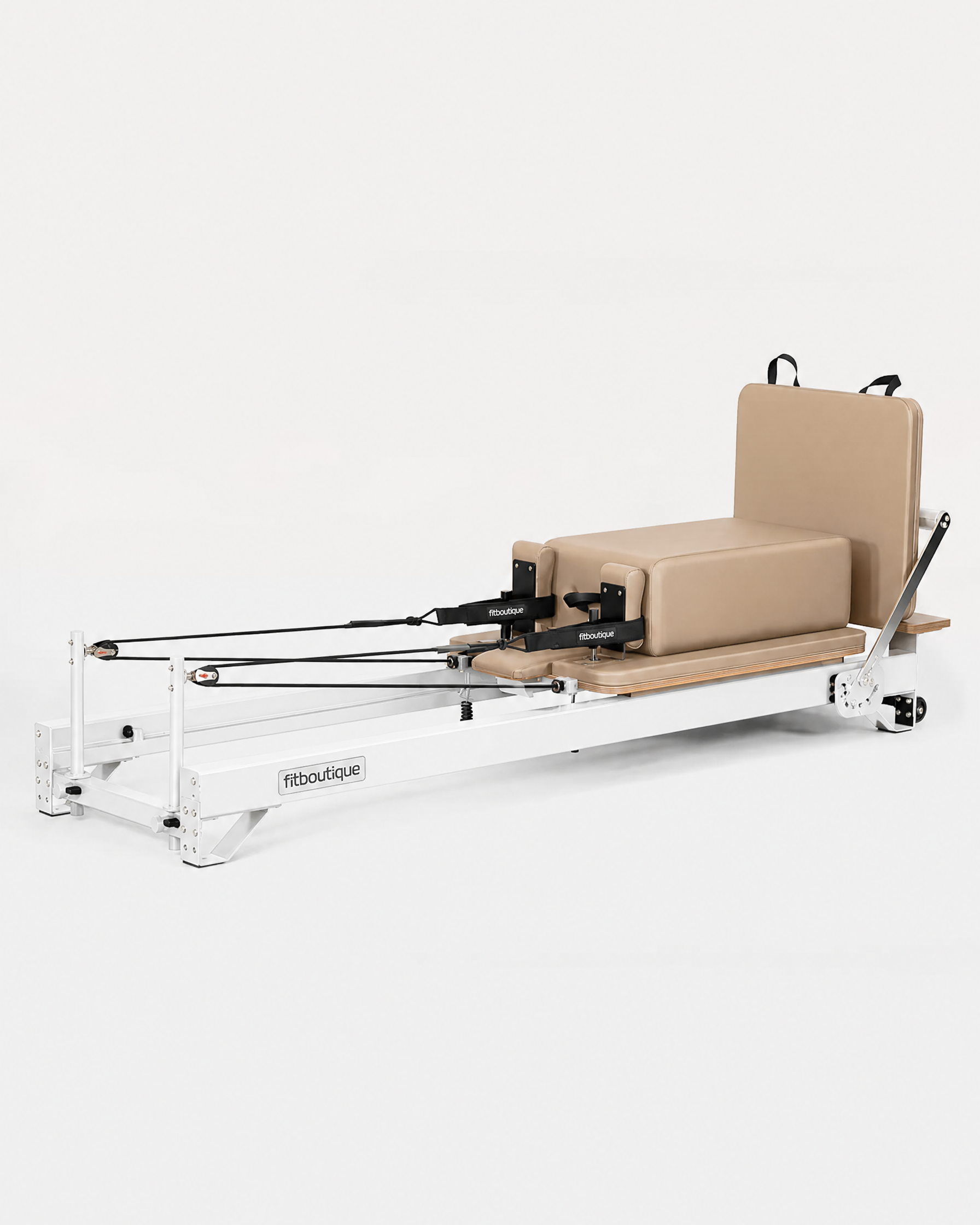
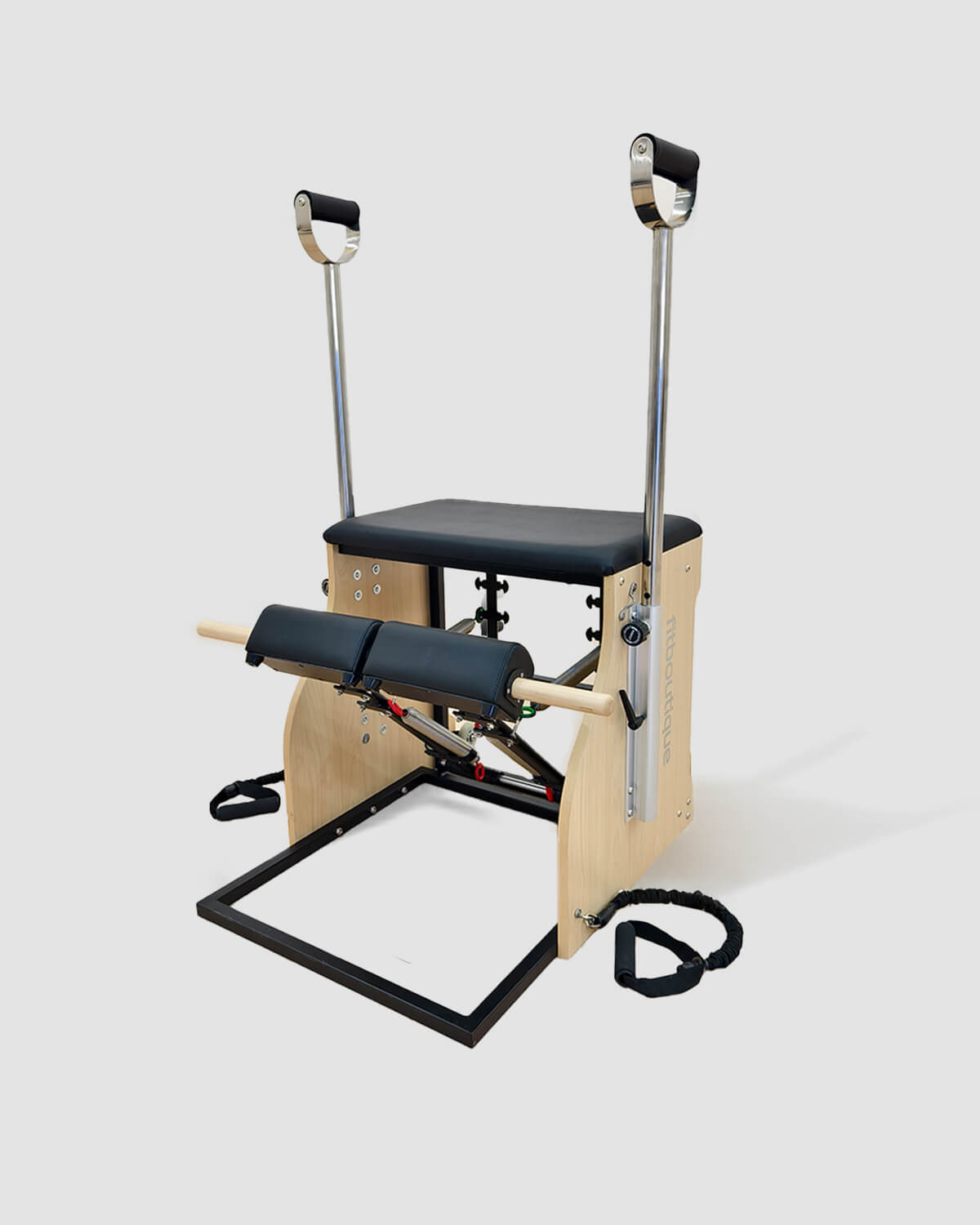
Professional pilates instructors and studios rely on high-quality equipment to safely support athletes of all levels. Commercial-grade reformers provide stability, smooth carriage movement, and adjustable resistance—essential for precise athletic training. FitBoutique’s reformers are designed to meet these demands, offering durability and performance trusted by both studios and home users.
Training at Home with Studio-Level Equipment
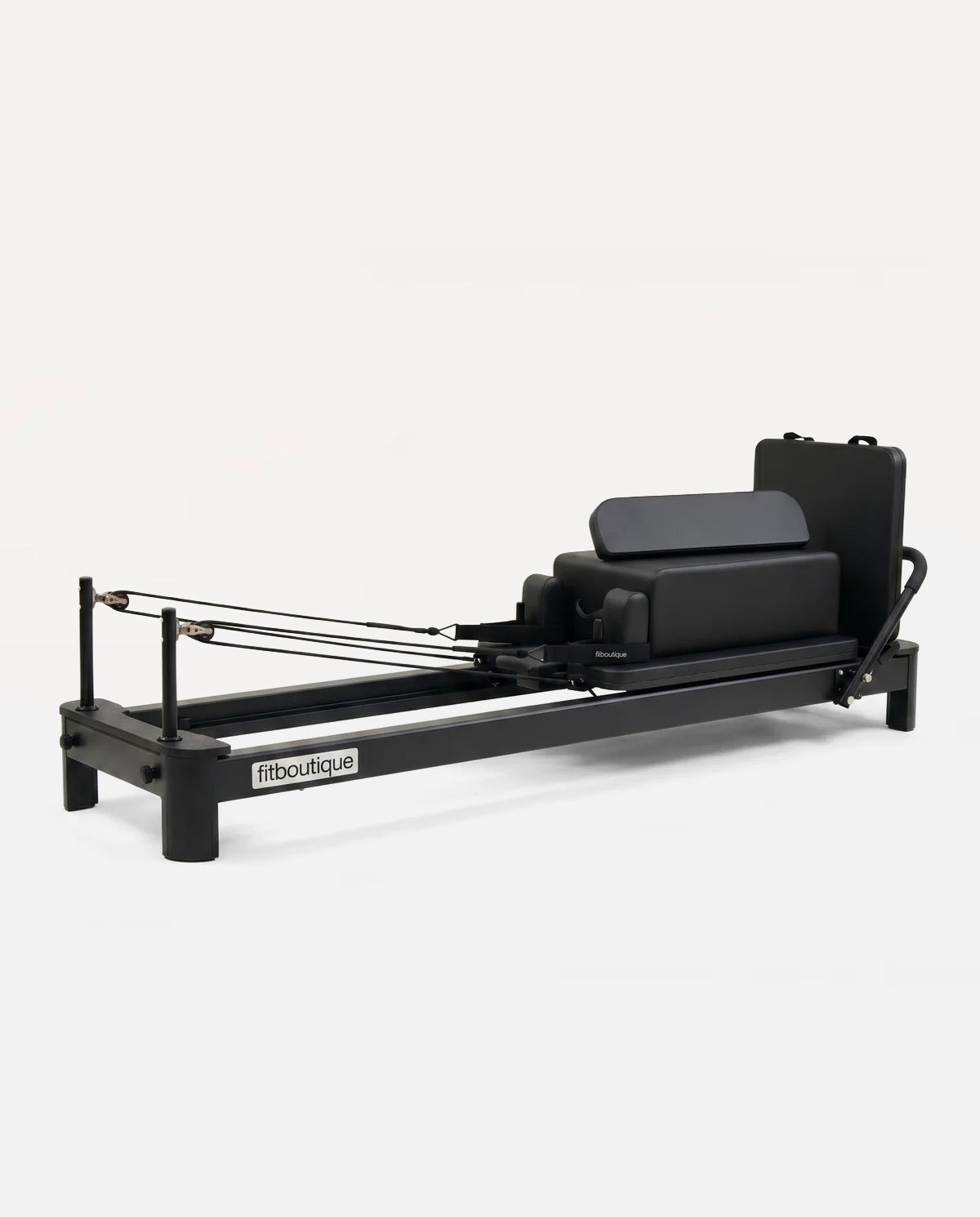
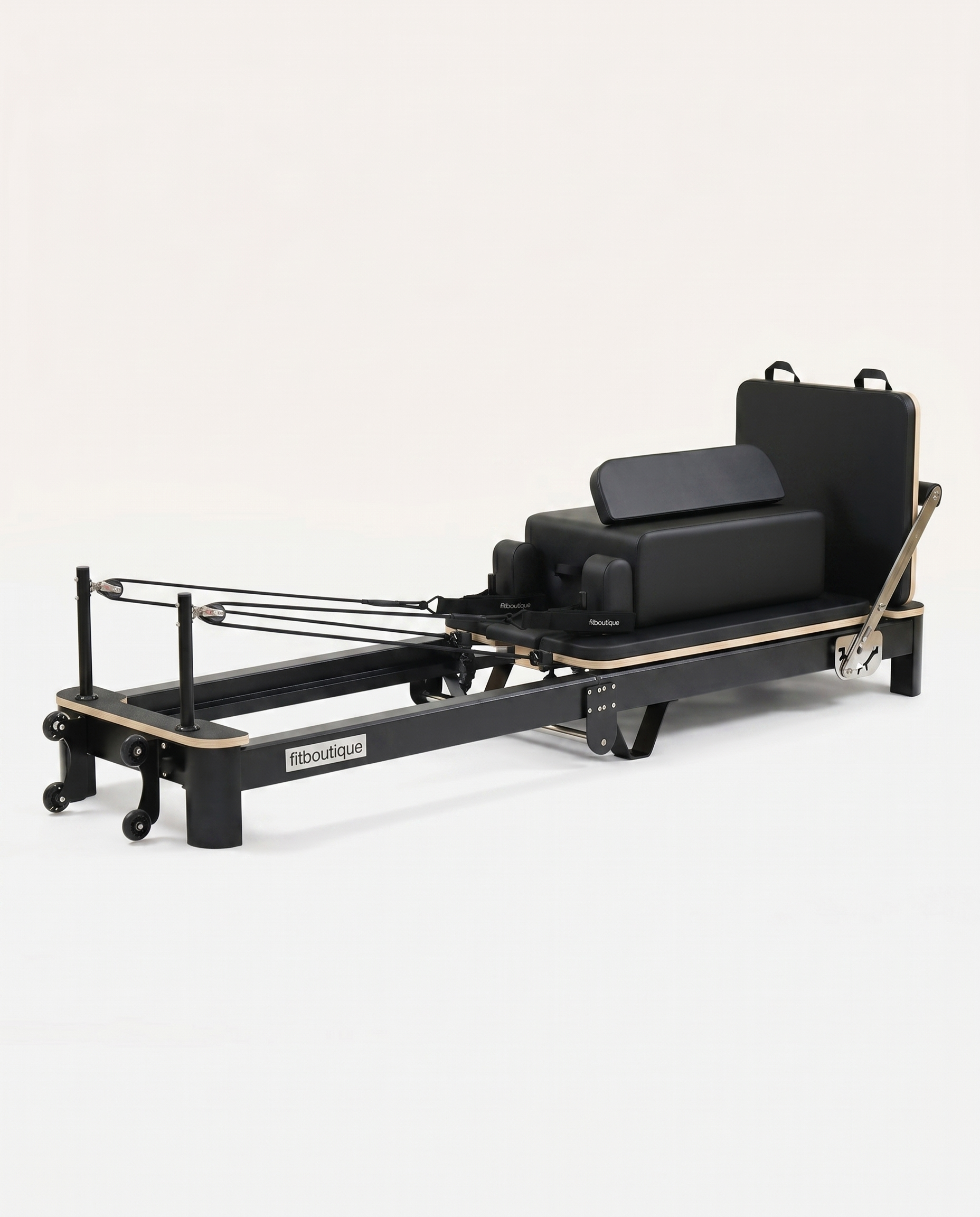
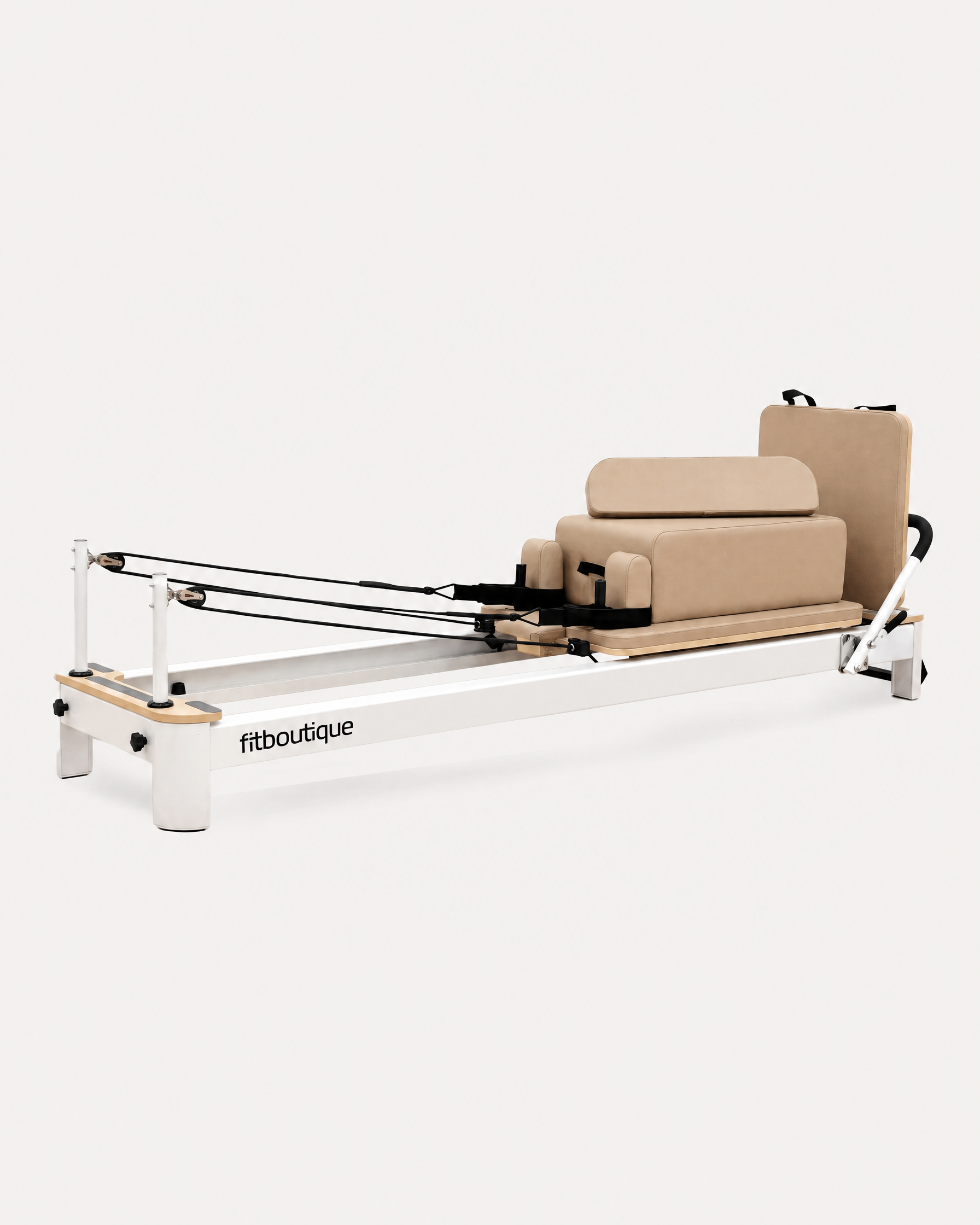
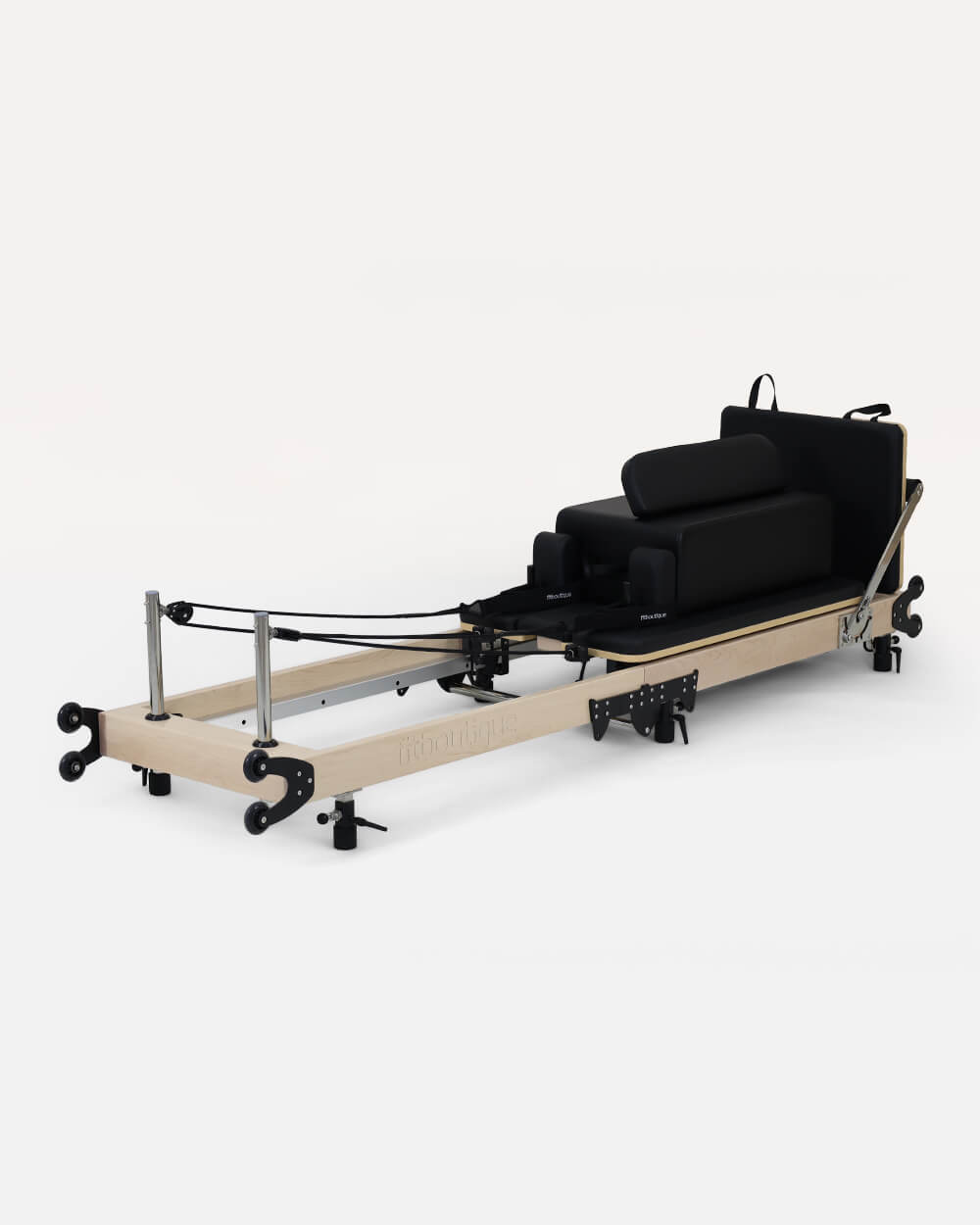
More athletes are now incorporating reformer workouts into their home studio setups. With foldable and space-efficient designs like the Ivory Reformer and Onyx Fold Reformer, athletes can maintain their Pilates practice without sacrificing space or quality. This consistency plays a major role in long-term injury prevention.
Staying Strong, Mobile, and Injury Free
Reformer Pilates is no longer just a supplementary workout—it’s a strategic tool athletes use to stay injury free. By improving strength, mobility, control, and body awareness, reformer training supports longevity in sport and everyday performance. Whether used in a professional studio or a home setup, the reformer remains one of the most effective ways for athletes to protect their bodies while continuing to perform at their best.

Written by Ayrah Yuso
I'm part of the FitBoutique team and have a solid passion (and love) for all things exercise related, including Reformer Pilates


















Leave a comment