




Common Reformer Pilates Mistakes and How to Fix Them
Reformer Pilates is a fantastic way to build strength, improve flexibility, and enhance posture. However, even experienced practitioners can make mistakes that reduce the effectiveness of their workouts—or worse, lead to injury. Whether you’re working out in a professional studio or a home studio with your FitBoutique reformer, knowing how to avoid these mistakes is essential.
1. Poor Alignment
Mistake: Many users overlook proper body alignment, which can cause strain on the neck, back, and shoulders.
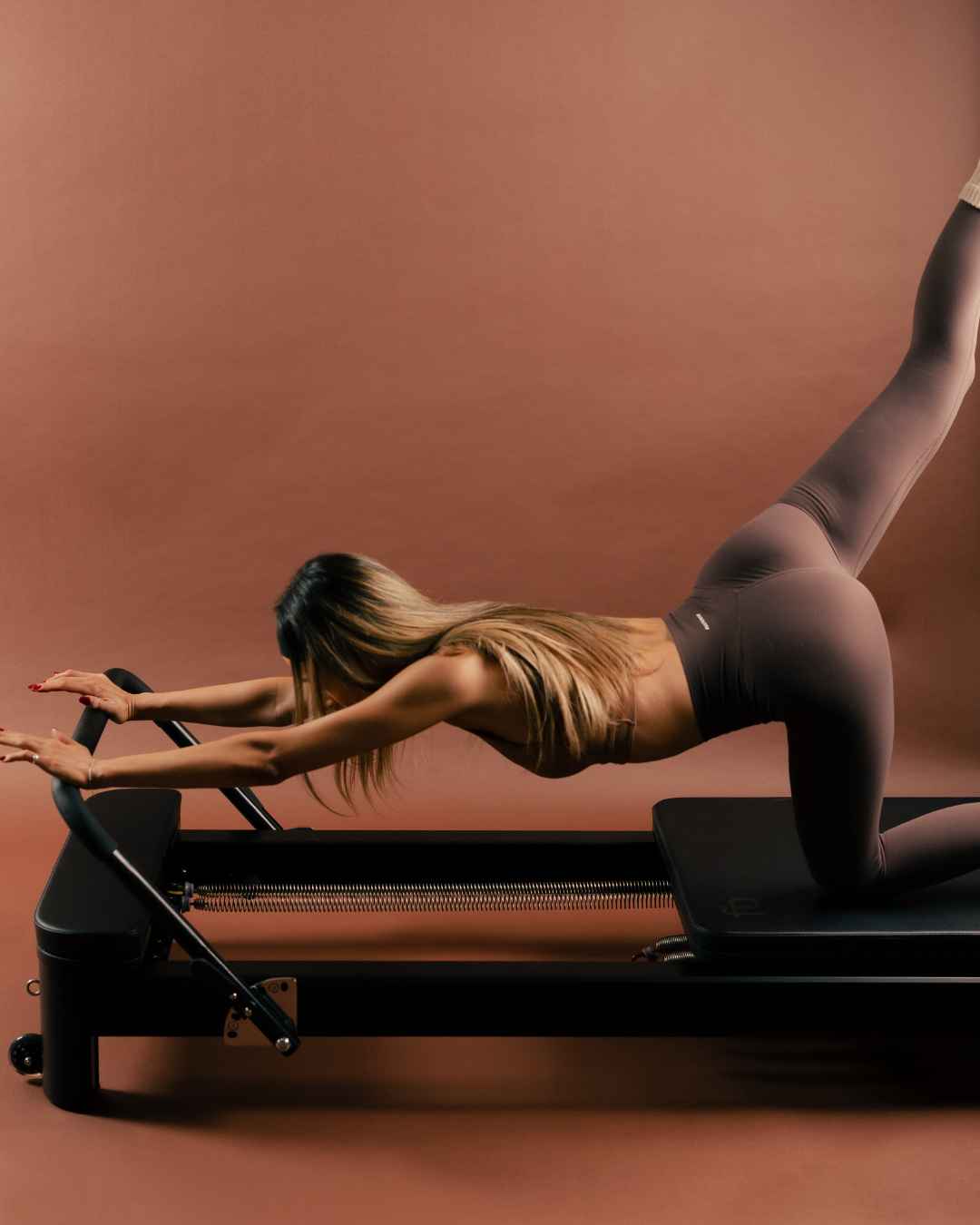
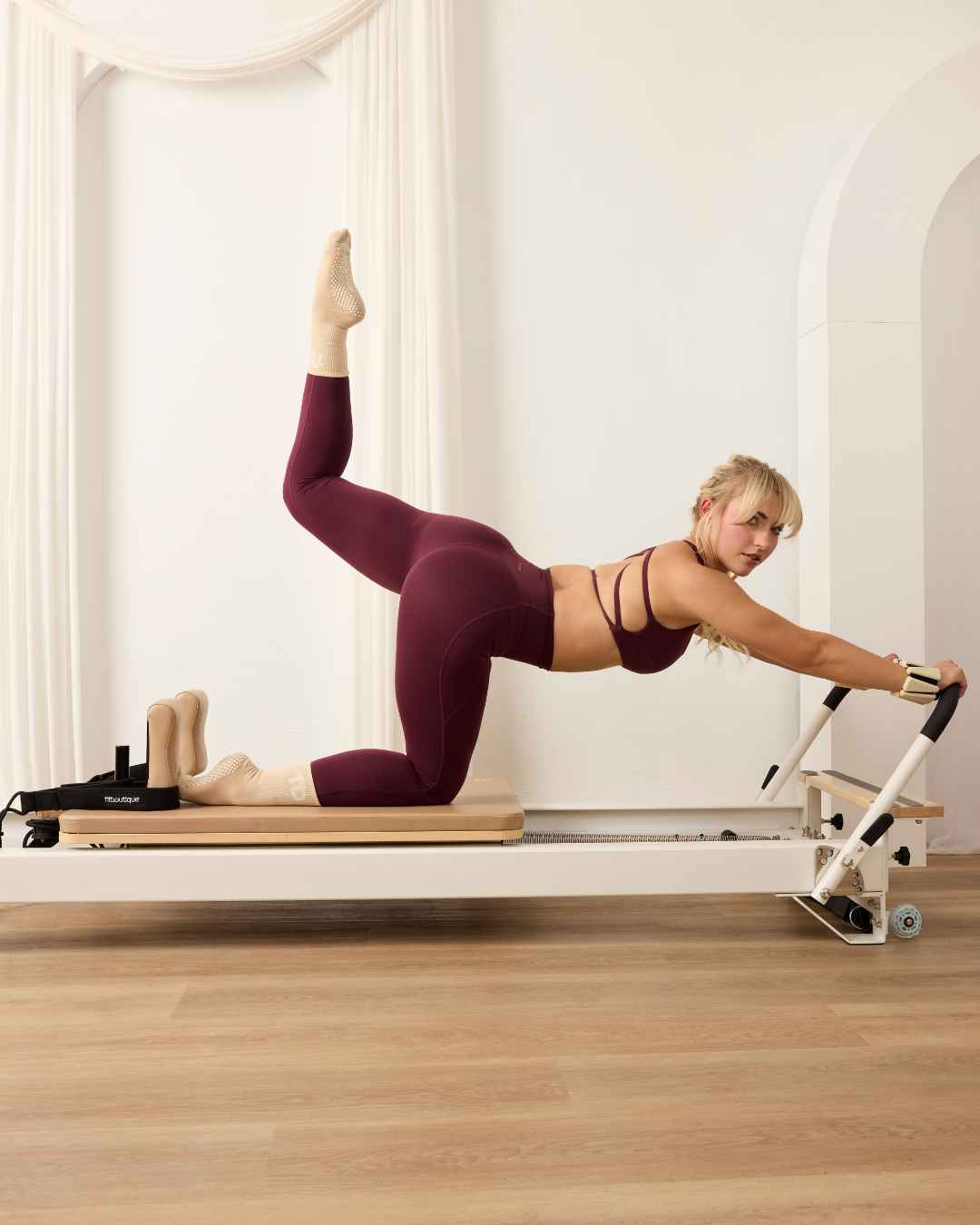
Fix: Always ensure your spine is neutral and shoulders are relaxed. Engage your core and maintain correct posture throughout each movement. Consider using mirrors or filming yourself to check your alignment.
2. Overusing the Arms and Legs
Mistake: It’s common to rely too heavily on arms or legs to move the carriage, rather than engaging the core and stabilizing muscles.
Fix: Focus on controlled movements. Let your core initiate the motion, and keep limbs long and strong without collapsing into joints. Reformer Pilates is about quality over speed.
3. Incorrect Resistance Settings
Mistake: Using springs that are too tight or too loose can compromise your workout and increase the risk of injury.
Fix: Adjust your reformer’s springs according to your strength and experience level. Beginners should start with lighter resistance to learn proper form before progressing to heavier springs.
4. Holding Your Breath
Mistake: Forgetting to breathe properly is a common Pilates error, especially when concentrating on challenging movements.
Fix: Coordinate your breath with each movement. Inhale to prepare, exhale to exert. Controlled breathing supports core engagement and improves overall performance.
5. Rushing Through Exercises
Mistake: Performing exercises too quickly reduces their effectiveness and can compromise form.
Fix: Slow down. Focus on precision and control for each repetition. Quality movement engages muscles correctly and maximizes results.
6. Neglecting Flexibility and Mobility
Mistake: Skipping warm-ups or ignoring stretching can limit your range of motion and increase injury risk.
Fix: Start every session with gentle mobility work. Incorporate stretches and mindful transitions to enhance flexibility and protect joints.
Maximize Your Pilates Experience with FitBoutique
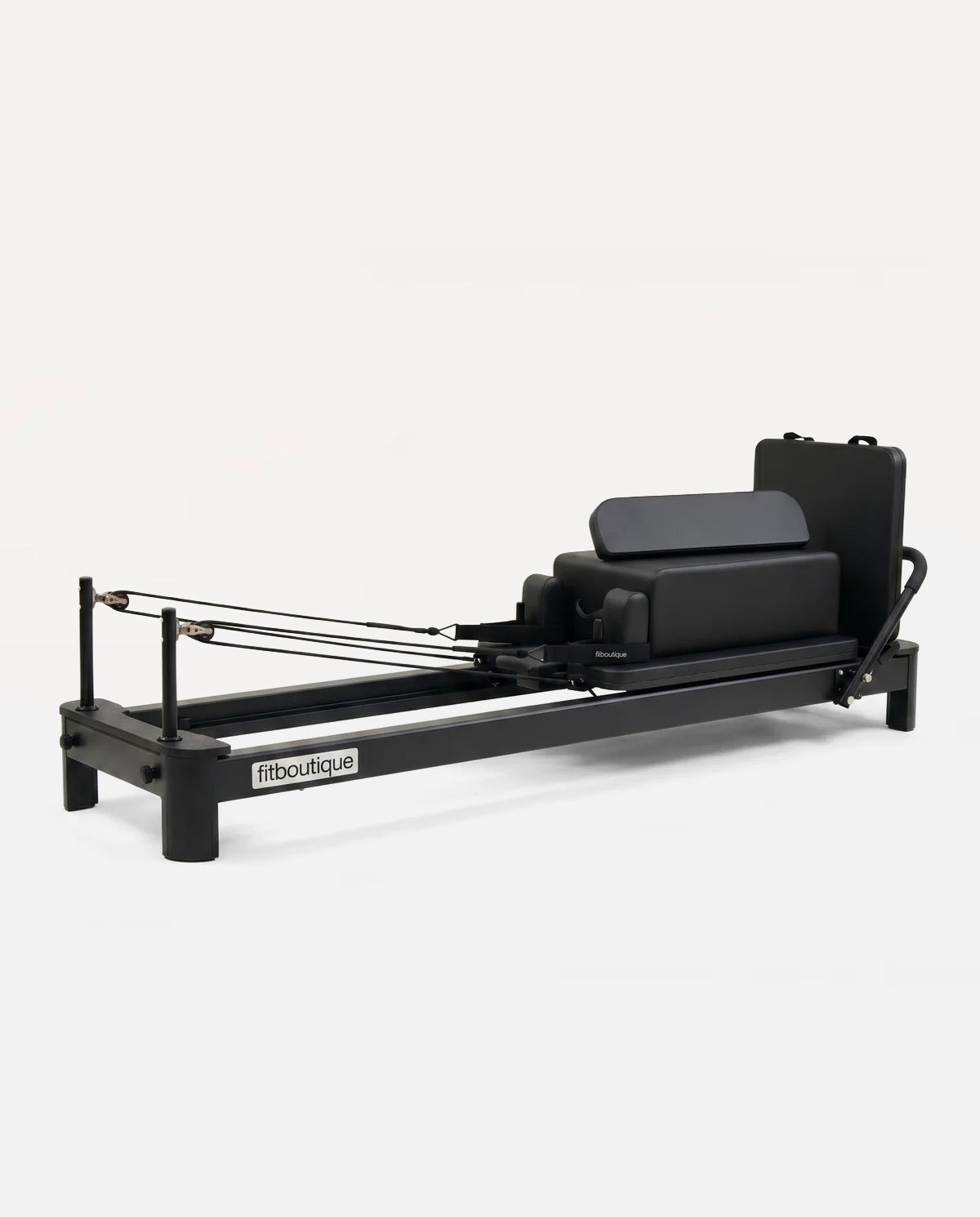
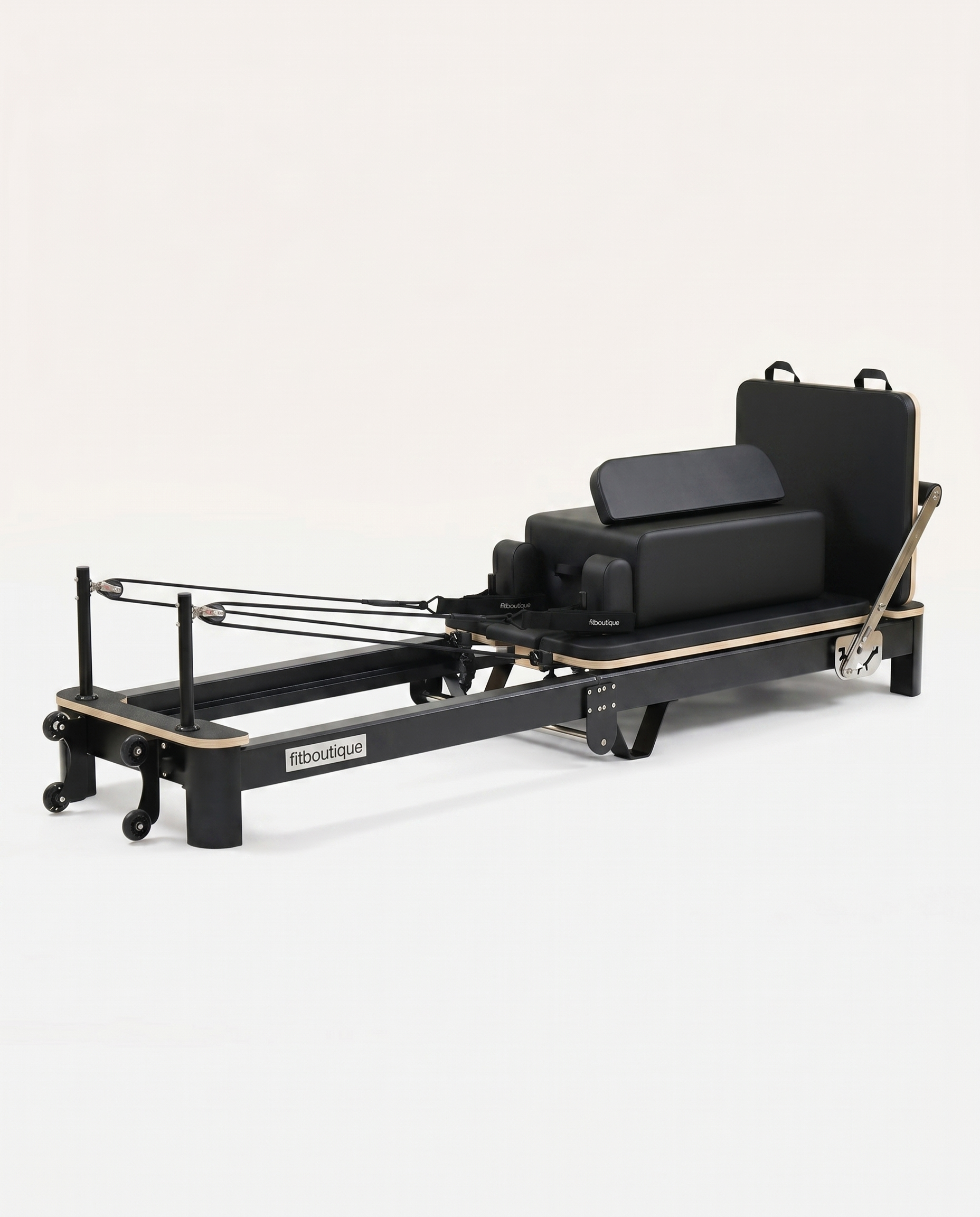
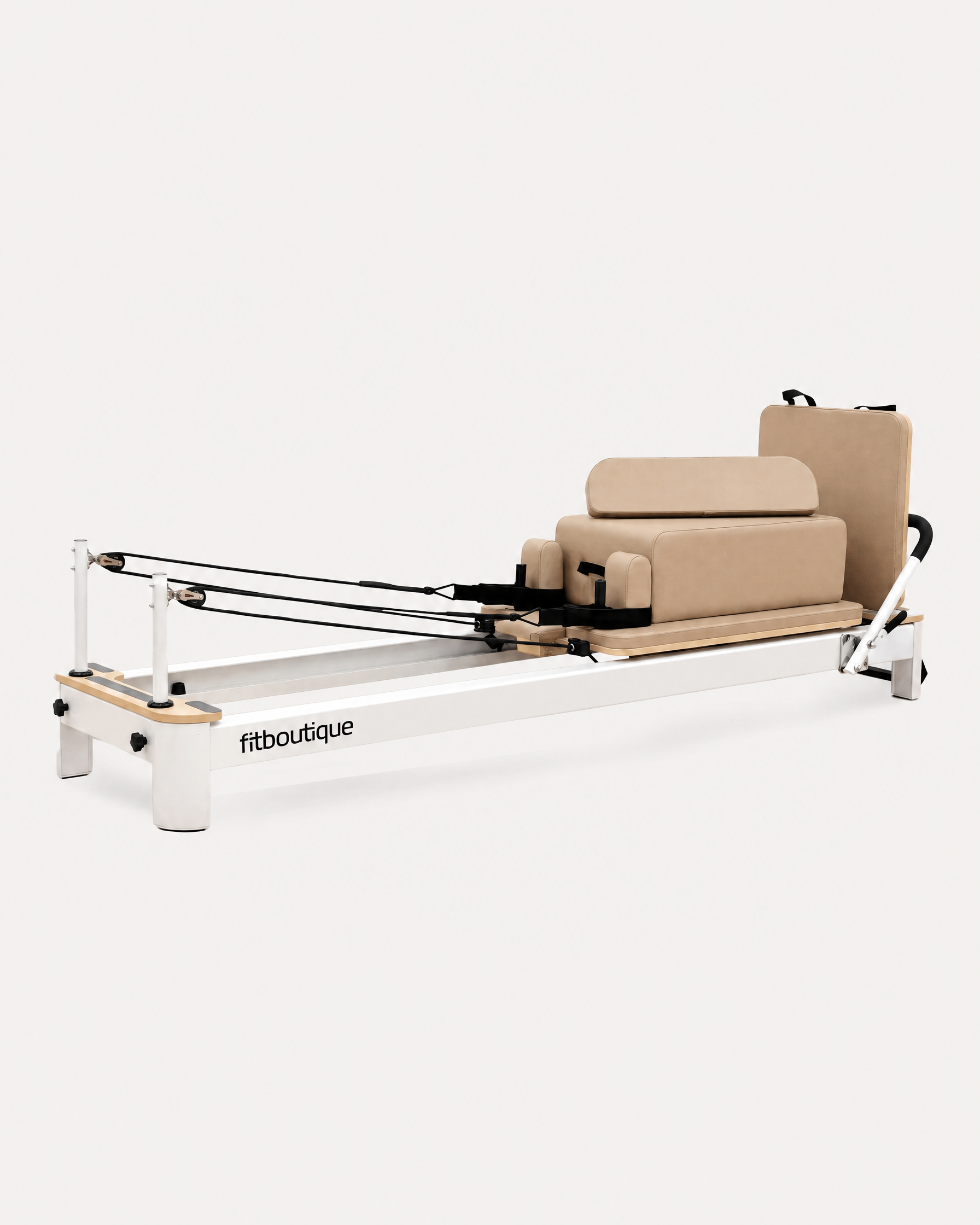
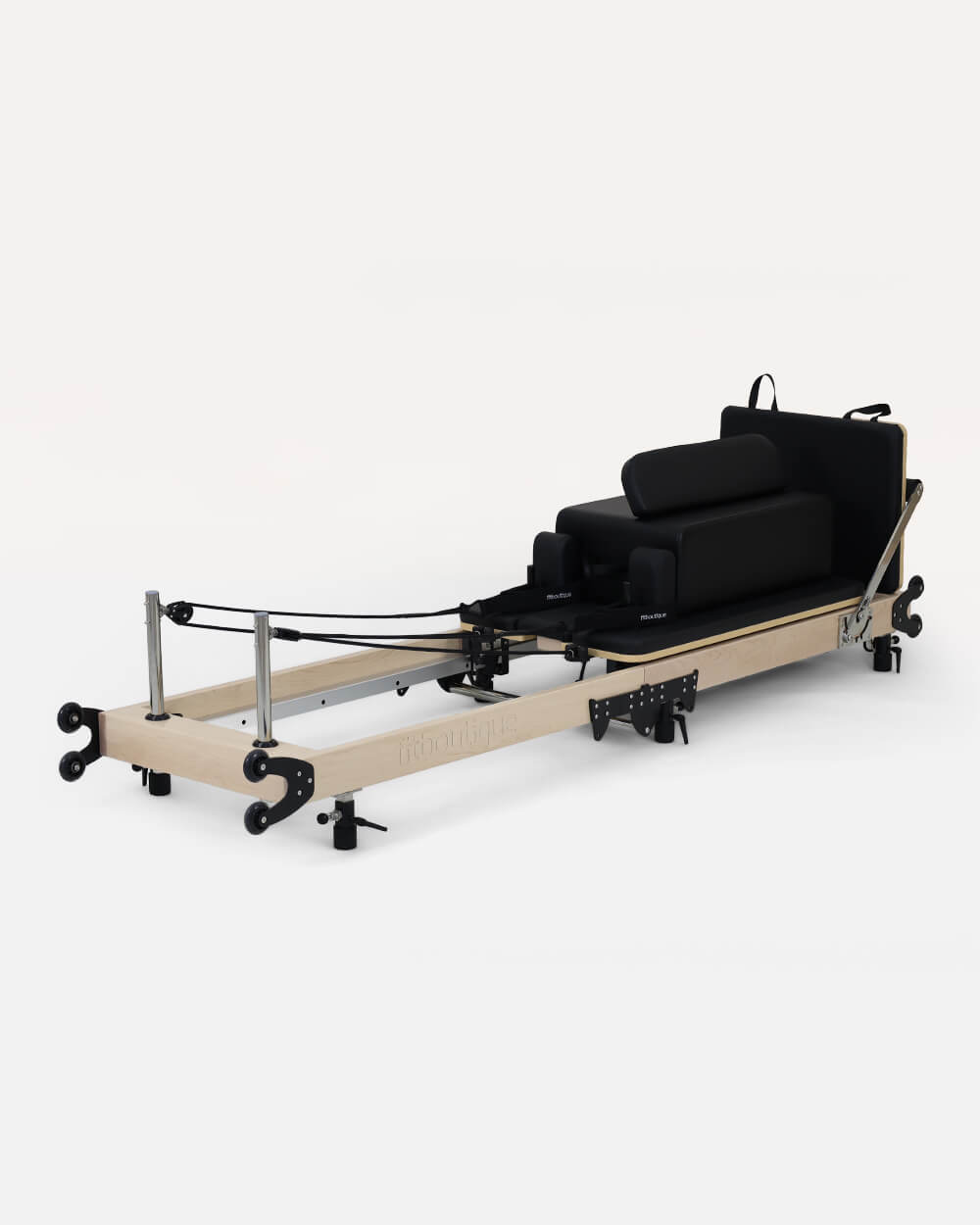
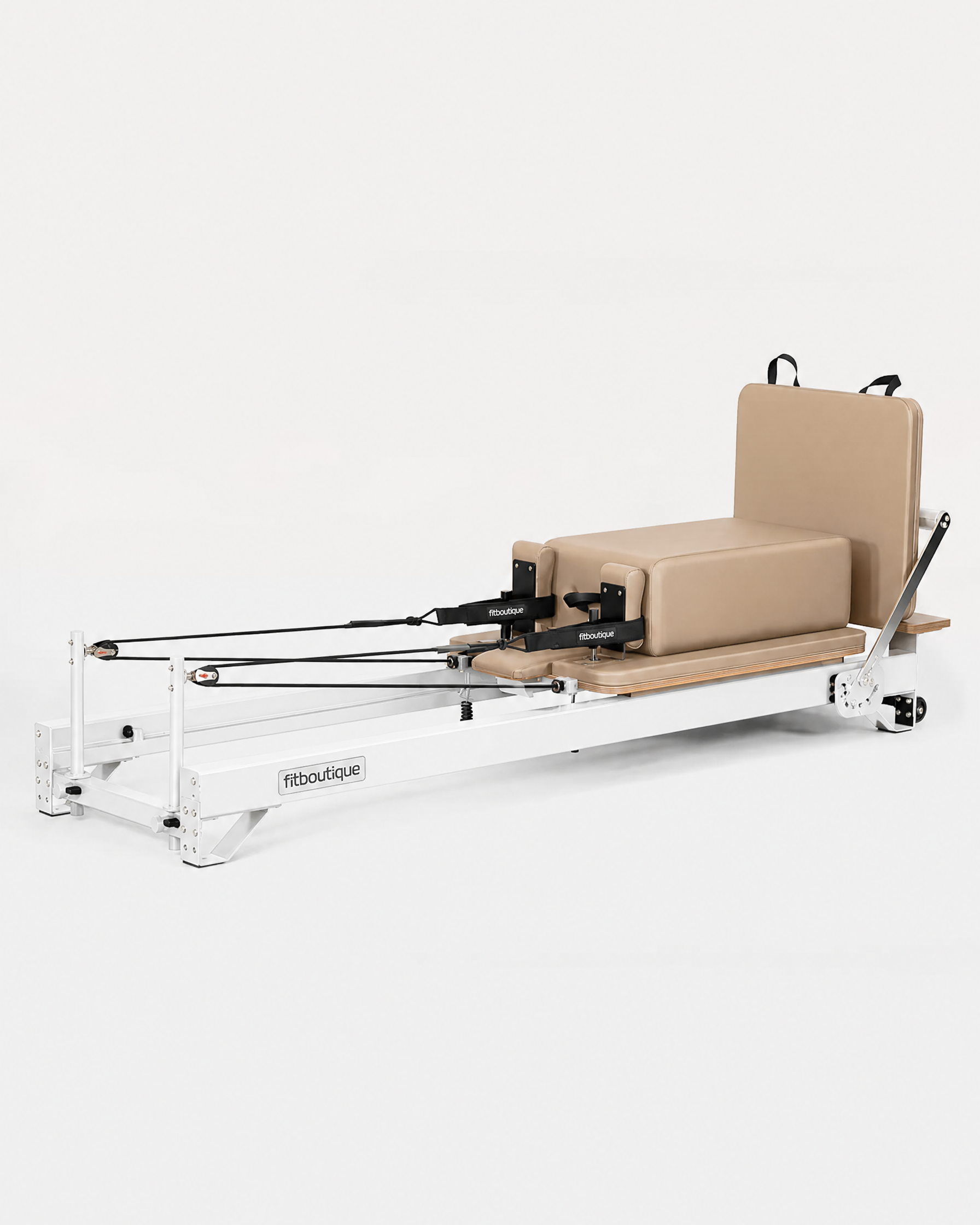
Investing in a premium Reformer from FitBoutique—like the Ivory Reformer, Onyx Reformer, or upcoming Sienna and Maple Crest models—ensures stability, comfort, and precision in every session. Designed for home users and professional studios alike, these commercial-grade reformers allow you to focus on proper form without compromise.
FitBoutique also offers equipment to enhance your glute workouts, including hip thrust machines and power bands, all backed by free Australia-wide delivery and flexible payment options, including 24 months interest-free via Zip Pay.
Conclusion
Avoiding these common mistakes will help you get the most from your Reformer Pilates practice, whether at home or in a studio. Prioritize alignment, control, proper resistance, and breathing, and you’ll see improvements in strength, flexibility, and overall wellness.
For more advice or to explore FitBoutique’s premium Pilates equipment, visit their Contact Page today.

Written by Ayrah Yuso
I'm part of the FitBoutique team and have a solid passion (and love) for all things exercise related, including Reformer Pilates

















Leave a comment