





Best Yoga Mat For Pilates
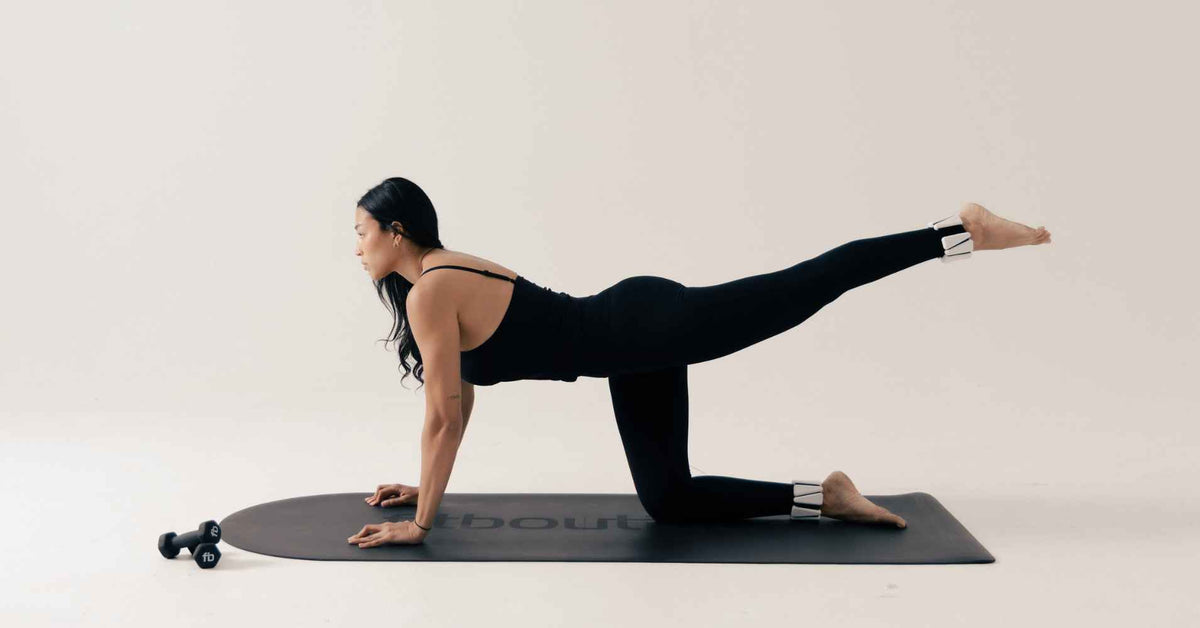
The best yoga mat for Pilates is one with enough cushioning to protect your spine when you roll, enough grip that your hands and feet stay put when you sweat, and a firm enough surface that you feel stable standing on it. For most people that means a mat around 5 to 6mm thick with a grippy natural rubber or PU surface. Thinner yoga mats are built for balance, not for rolling on your spine, and that is where most people go wrong.
I have trained on more mats than I can count, cheap and expensive, and the differences that matter are not the ones most product pages talk about. Here is how to choose a mat that actually suits Pilates, what each material is really like to live with, and how to make it last.
In this article
Is a Pilates mat different from a yoga mat
They overlap, but the priorities are different.
Yoga spends a lot of time standing and balancing, so yoga mats are often thinner and firmer to keep you connected to the floor. Pilates mat work spends most of its time lying down, rolling through the spine, kneeling and working on your side, so it needs more cushioning under the bony parts of the body: the spine, tailbone, knees and hips.
That is why a very thin travel style yoga mat can feel fine in a yoga class and genuinely uncomfortable in a Pilates one. Rolling like a ball, roll ups and anything kneeling all press bone straight into the floor.
The good news is you do not need 2 mats. A mat in the middle ground, cushioned enough for rolling but firm enough for standing work, handles both well.

How thick should a mat for Pilates be
This is my rule of thumb after a lot of trial and error.
Under 4mm. Fine for yoga and travel, too thin for most Pilates. You will feel your spine on the floor during rolling work.
5 to 6mm. The sweet spot for most people. Enough cushioning for spine and knee work, still stable enough for standing and balance.
8mm and above. Very comfortable for lying down, especially on hard floors or for sensitive joints, but it can feel wobbly when you stand, kneel on 1 knee or balance. Some people love it for mat Pilates only.
Your floor matters too. On carpet, a 5mm mat feels plush. On tiles or concrete, you may want the upper end of that range.
Mat materials compared
Material decides how a mat grips, how heavy it is, how it smells, how long it lasts and how you clean it. These are the main ones you will see.
- Natural rubber. Excellent grip and a dense, supportive feel that does not compress flat. It is heavier than most other materials and can have a rubbery smell when new that fades with airing. It is also sensitive to sunlight, so it should be stored out of direct sun. Natural rubber contains latex, so it is not suitable if you have a latex allergy.
- PU surface. PU, or polyurethane, is often used as a top layer bonded to a rubber base. It has a smooth, almost leather like feel and grips very well even when your hands are damp, which is why it is popular for hot classes and sweaty sessions. It shows marks more easily and needs gentle cleaning.
- TPE. Light, soft and usually inexpensive. A good starter or travel option, but it tends to compress and wear faster, and grip can drop off as it ages.
- PVC. Durable and widely available, with a slightly sticky grip when new. It is usually the cheapest material and less breathable, and grip varies a lot between mats.
- Cork. A natural surface that many people like for its texture. The feel is quite different from rubber, so it is worth trying one before you buy.
For Pilates, I lean towards natural rubber with a PU top. The rubber gives the dense support you want under the spine and the PU surface keeps you from sliding when it gets warm. That is the combination we chose for our Premium Studio Mat.
If you have a latex allergy, avoid natural rubber altogether. The Australasian Society of Clinical Immunology and Allergy advises people with latex allergy to avoid latex in all its forms, and natural rubber is latex. Look for a TPE, PVC or cork mat instead.
Size, weight and grip
Length. Most standard mats are around 180cm long. That suits most people, but if you are tall, lie down on it before you buy. Your head and heels should both be on the mat during roll ups and leg work.
Width. Wider mats are noticeably more comfortable for side lying work and arm circles. Anything around 65cm and above feels generous.
Weight. Natural rubber mats are heavy. That is part of why they stay flat and do not slide, but it matters if you carry your mat to classes. If you mostly train at home, heavier is usually better.
Grip. Grip is about the surface, not the thickness. Press your palm onto the mat and push it forward. If it slides easily when dry, it will slide a lot more when you sweat.
Our Premium Studio Mat is 183cm by 68cm and 5mm thick, natural rubber with a PU surface, and it comes with 1 month free on our Fit by FitBoutique app so you have mat Pilates and yoga classes to follow from day 1.

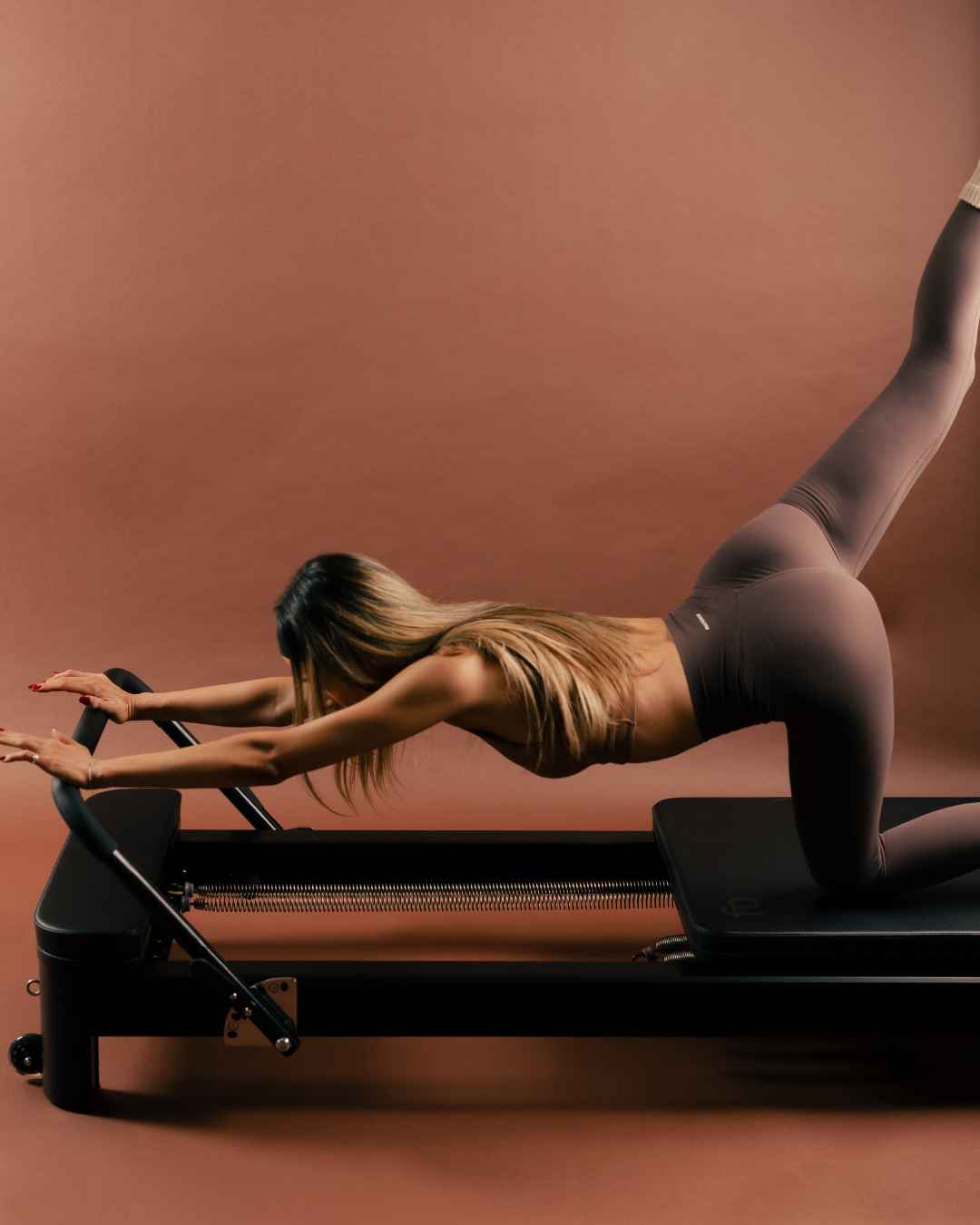
Do you need a mat if you have a reformer
Yes, and it gets more use than people expect.
Warm ups and mat work. A few minutes of floor work before getting on the reformer, and full mat Pilates sessions on days you want something lighter. Our list of the top 10 mat Pilates core moves is a good place to start.
Standing and kneeling work beside the machine. Some exercises use the floor next to the reformer, and a mat gives you grip and cushioning there.
Stretching after a session. Far more comfortable on a mat than on a hard floor.
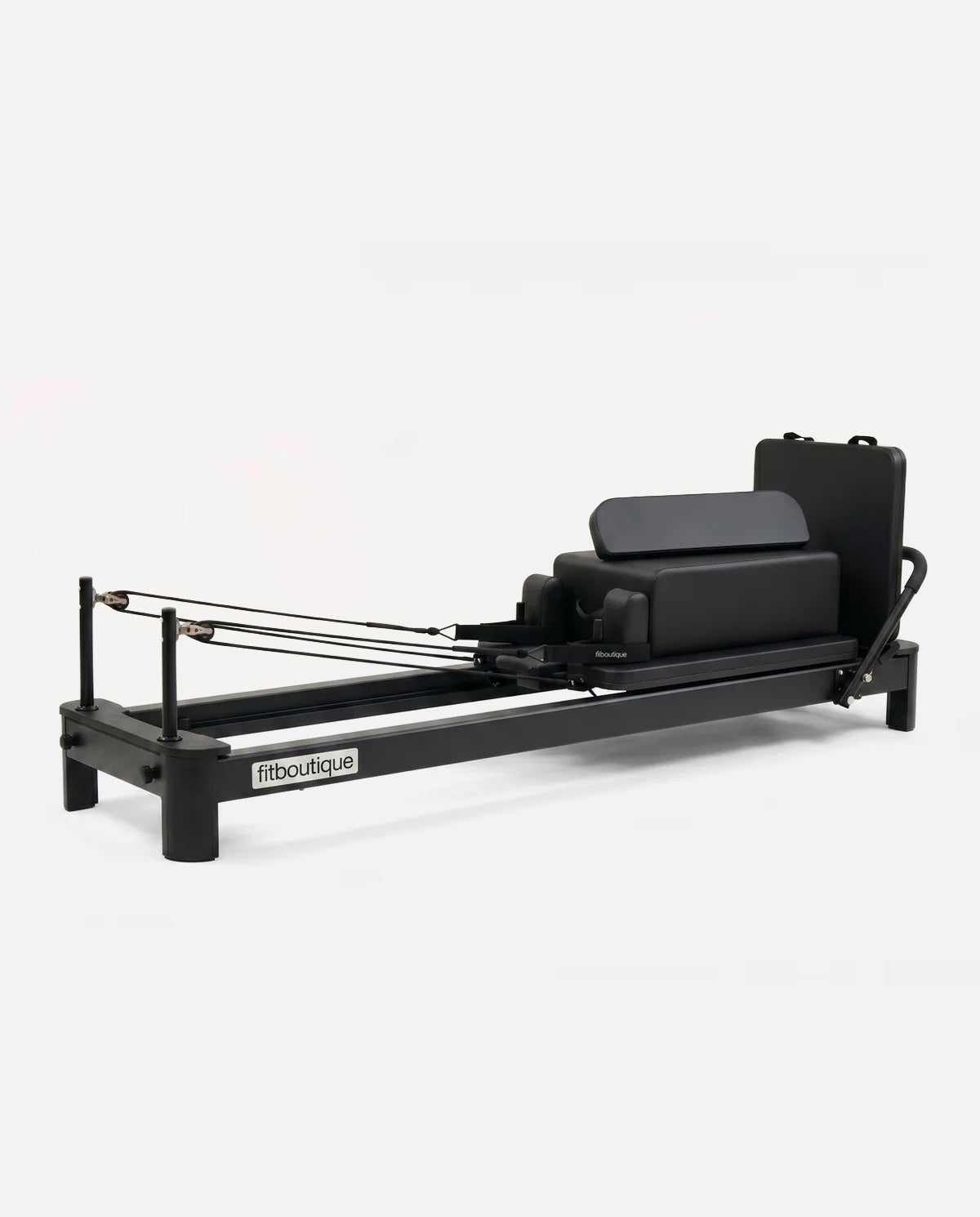
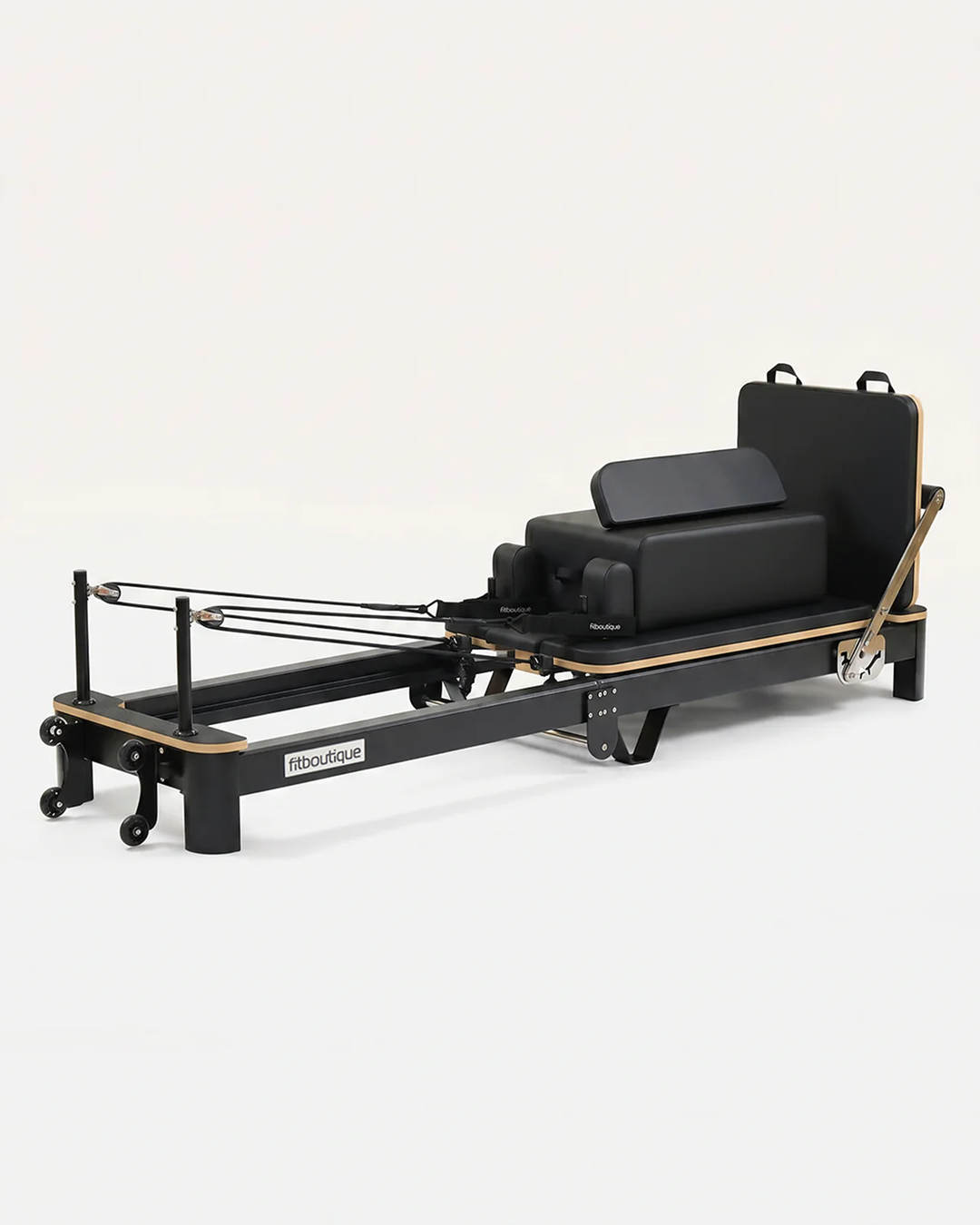
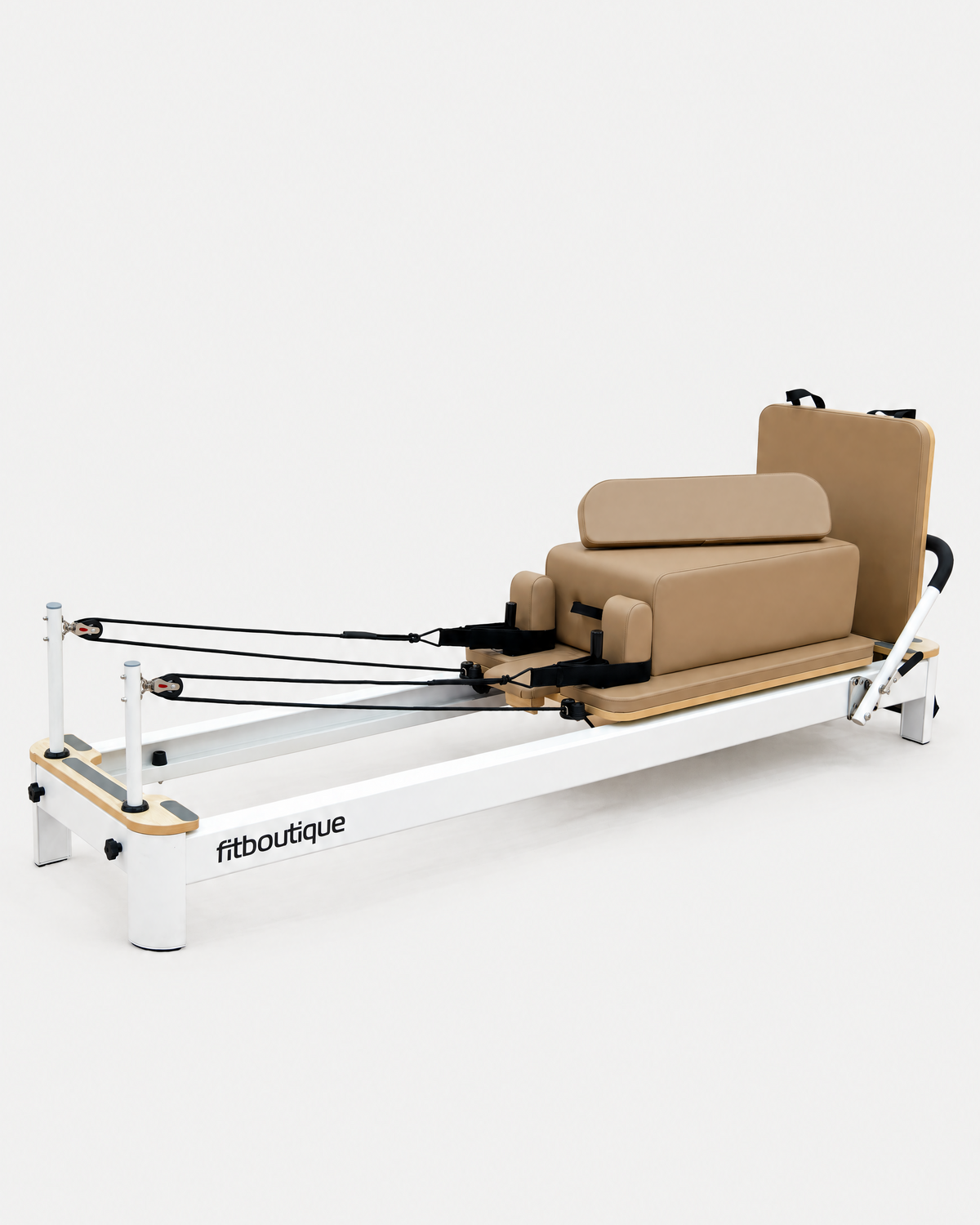
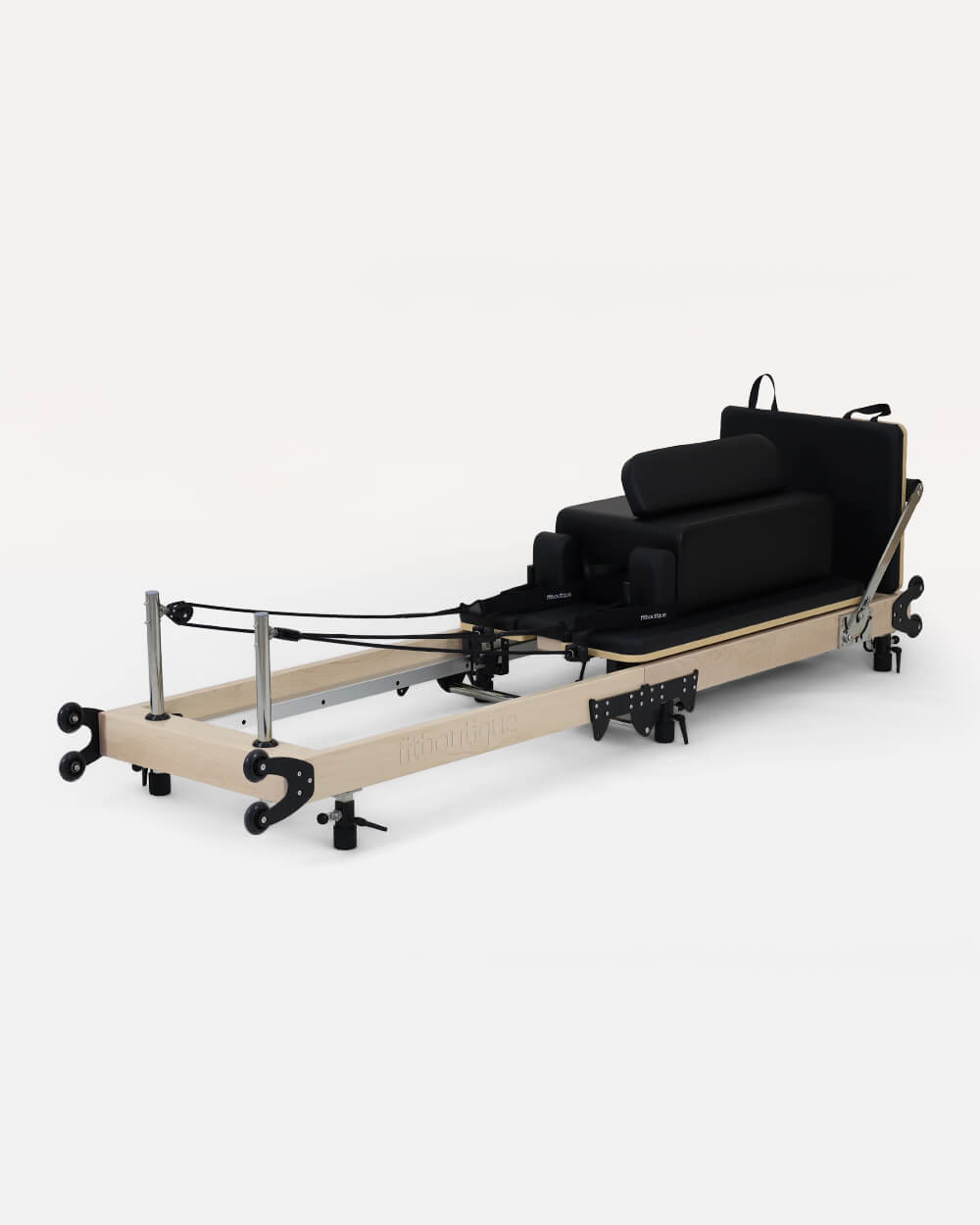
What I would not do is put a yoga mat under your reformer. A soft mat under the frame lets the machine shift and can mark or tear the mat. If you want to protect your floor, use a firm equipment mat designed to sit under machines.
If you are still deciding between mat and reformer Pilates, our guide to mat vs reformer Pilates compares them properly, and our round up of the best reformer Pilates accessories covers what else is worth having.
How to care for your mat
A good mat lasts years if you look after it, and a few minutes of care makes a big difference.
Wipe it down after each session. A damp cloth with a little mild detergent, then let it air dry fully before rolling it up.
Skip harsh cleaners. Strong sprays, alcohol heavy wipes and essential oils can break down rubber and PU surfaces over time.
Keep it out of the sun. Natural rubber in particular can dry out and crack if it is left in direct sunlight, including in a hot car.
Roll, do not fold. Folding creates creases that never quite lie flat again. Roll it loosely with the top surface facing out.
Use it with clean hands and feet. Hand cream and sunscreen are the fastest way to make a grippy mat slippery.
A Note From Ayrah
The test I use before buying any mat for Pilates takes about 10 seconds. Lie down on it and do a slow rolling like a ball.
If you feel each bump of your spine knock against the floor as you roll back, the mat is too thin or too soft for Pilates, however good it looks or however much it costs. If you roll smoothly and feel supported from your tailbone to your shoulders, it will work.
Most mats fail this test without anyone noticing in the shop, because people stand on them to check the grip and never lie down.
Frequently Asked Questions
What is the best yoga mat for Pilates?
One around 5 to 6mm thick with a grippy surface, such as natural rubber with a PU top. It needs enough cushioning to protect your spine during rolling work and enough firmness to feel stable when you stand or kneel.
Can I use a yoga mat for Pilates?
Yes, as long as it is thick enough. Very thin yoga mats under about 4mm are uncomfortable for rolling and kneeling exercises. A mid thickness mat works well for both yoga and Pilates.
How thick should a Pilates mat be?
For most people, 5 to 6mm is the sweet spot. Go thicker on hard floors or for sensitive joints, but very thick mats over 8mm can feel unstable for standing and balance work.
Is natural rubber or PU better for a yoga mat?
Natural rubber gives dense support and strong grip, while a PU surface grips especially well when your hands are damp. Many mats combine both, with a rubber base and PU top. Avoid natural rubber if you have a latex allergy.
Do I need a mat if I own a reformer?
It is worth having one for warm ups, mat Pilates days, stretching and any floor work beside the machine. Do not put a soft yoga mat under the reformer itself.
How do I clean a natural rubber yoga mat?
Wipe it with a damp cloth and a little mild detergent after each session, let it air dry fully, store it rolled loosely and keep it out of direct sunlight.
Why is my yoga mat slippery?
Usually because of hand cream, sunscreen or sweat on the surface, or because the material has worn. Clean it, use clean dry hands, and if it still slides when dry, the surface may be past its best.
A Mat Made For Pilates
Natural rubber with a PU surface, 5mm thick, 183cm by 68cm, with 1 month free on the Fit by FitBoutique app.
Shop The Studio Mat
Written by Ayrah Yuso
I'm part of the FitBoutique team and have a solid passion (and love) for all things exercise related, including Reformer Pilates





















Leave a comment