






What To Look For When Buying a Pilates Reformer
Almost every week somebody emails me about a reformer they already own and no longer use. The machine is not broken. It is just wrong for them, and it was wrong on the day it arrived.
That is a solvable problem, because the mistakes people make buying a reformer are remarkably consistent. I have seen the same 7 over and over, and the expensive ones are not the obvious ones. Price is the thing everyone agonises over and it is rarely what goes wrong.
Here is what to actually look for, in the order it matters.

In this article
- The 2 things that decide everything
- Mistake 1: measuring the machine, not the room
- Mistake 2: buying a foldable you will never fold
- Mistake 3: counting springs instead of checking them
- Mistake 4: not pushing the carriage
- Mistake 5: buying for who you are today
- Mistake 6: ignoring what happens in 3 years
- Mistake 7: choosing the finish first
- The checklist
- Frequently asked questions
The 2 things that decide everything
Before the mistakes, the 2 parts that separate a machine you will still be using in 5 years from one you will resell at a loss.
The springs, because they create the resistance in every single repetition. Good springs hold their tension evenly for years. Cheap ones soften unevenly, so the same exercise on the same setting feels different from one month to the next, and you lose the only honest progress marker you have.
The carriage glide, because it decides whether you are working or bracing. A good carriage runs silently from end to end with no catch and no side to side play. A carriage that hesitates makes you stabilise against the machine instead of against the exercise, and you will feel it in your shoulders within a fortnight.
Everything else, the colour, the frame material, whether it folds, is format and taste. Those 2 are quality, and no finish compensates for getting them wrong.
Mistake 1: measuring the machine, not the room
This is the most common expensive mistake by a wide margin, and it is entirely preventable.
People read that a reformer is 244 centimetres long, find 244 centimetres of floor, and order. Then it arrives and there is nowhere to stand beside it.
What you actually need is a zone of about 2 by 3 metres. That covers the machine, room to get on and off from either side, and space for the footbar end and the rope end to be reachable. You can compress it, and plenty of people do, but under about 2 metres of width you will be climbing over the frame every session, and a machine that is annoying to get onto is a machine you will use less.
Three things people forget entirely. Ceiling height, because standing and kneeling work on the carriage puts your head roughly 40 centimetres higher than you expect. Door width, because the machine arrives assembled. And where the jumpboard and box live when they are not on the machine, which is a metre of floor nobody plans for.
I measured all of this out properly in how much space do you need for a reformer. Do that before you choose a model, not after.
Mistake 2: buying a foldable you will never fold
This one costs less money but it costs performance, and almost nobody warns you about it.
A fixed frame reformer sits lower and wider and has no hinge in the rails, which makes it the steadier platform under fast or loaded movement. A foldable adds a hinge, which is a compromise, and it is a compromise worth making only if you will actually use the folding.
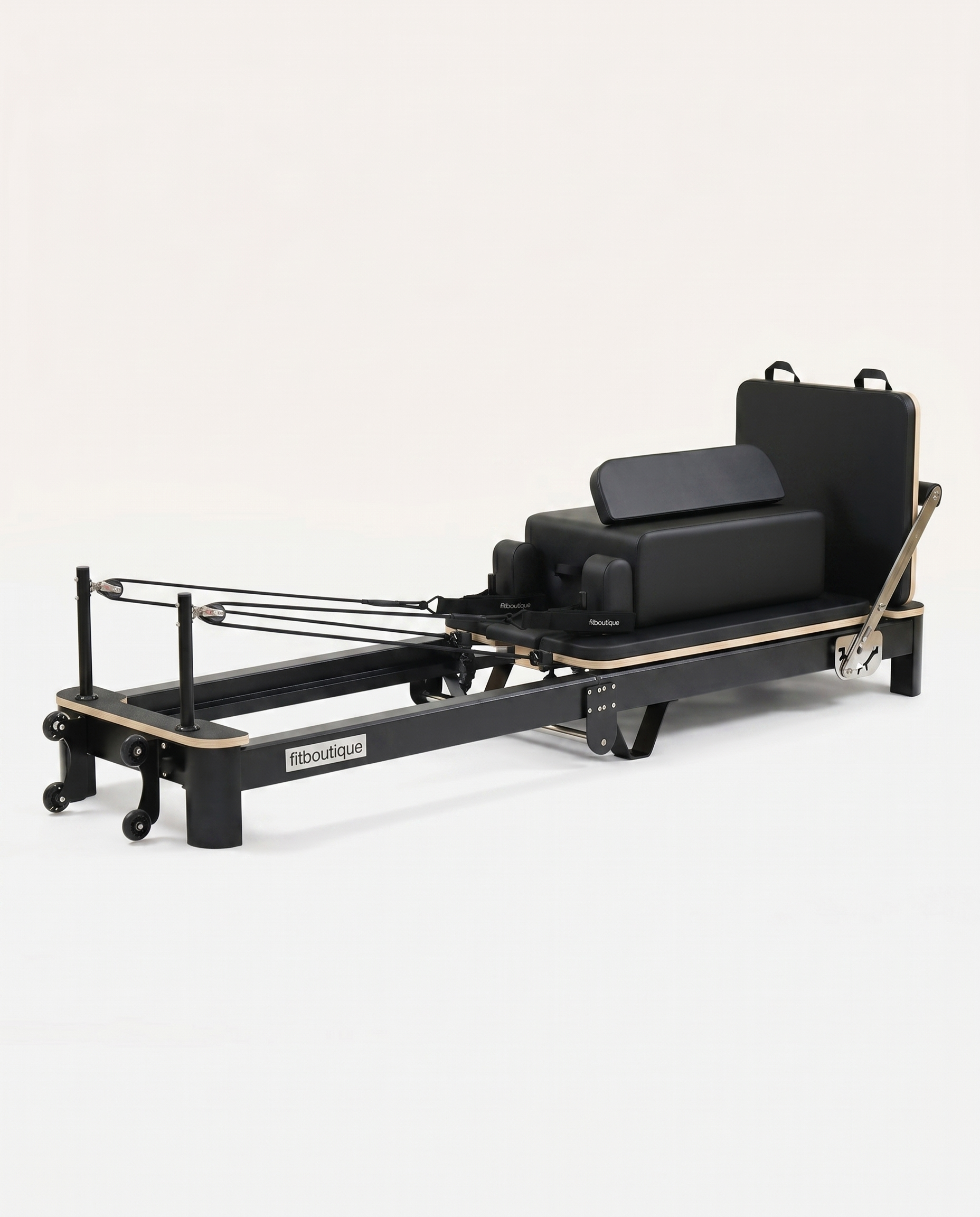
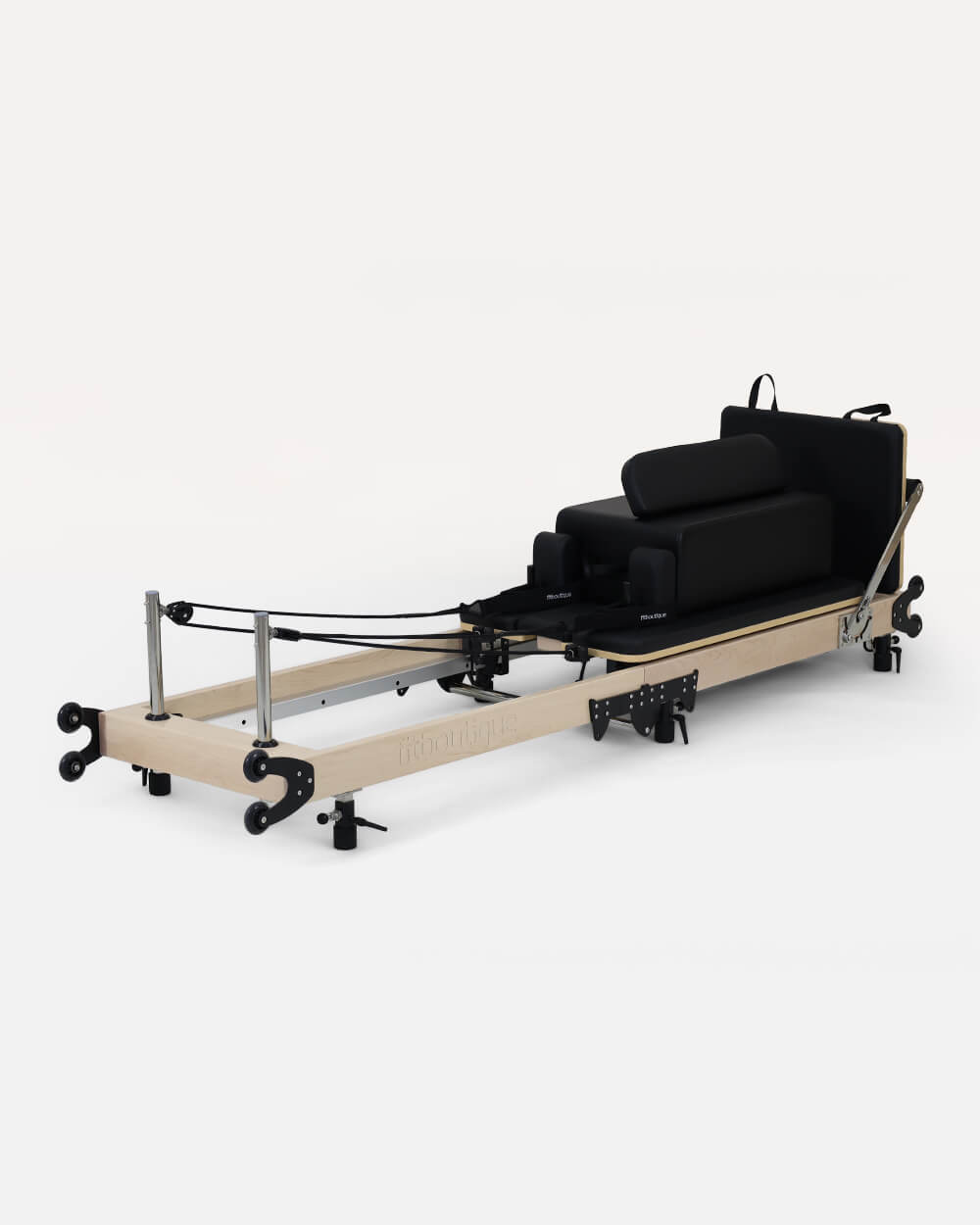
So be honest with yourself. If the machine is going into a dedicated room and it will never move, buy a fixed frame. The Onyx Reformer at $2,799 is the one I would point you at, or The Studio Reformer and Space Black at $2,999 if you want the wider commercial frame.
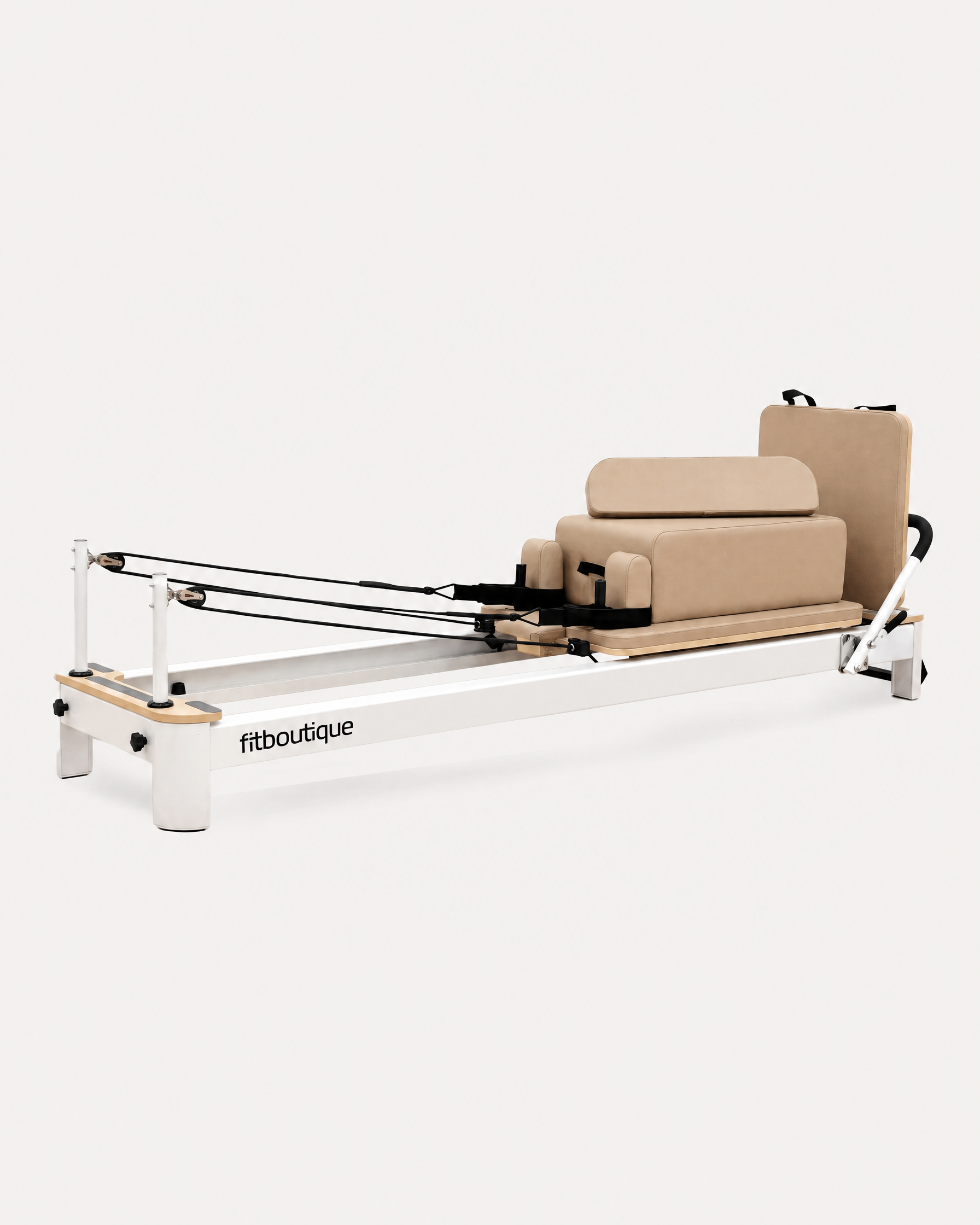
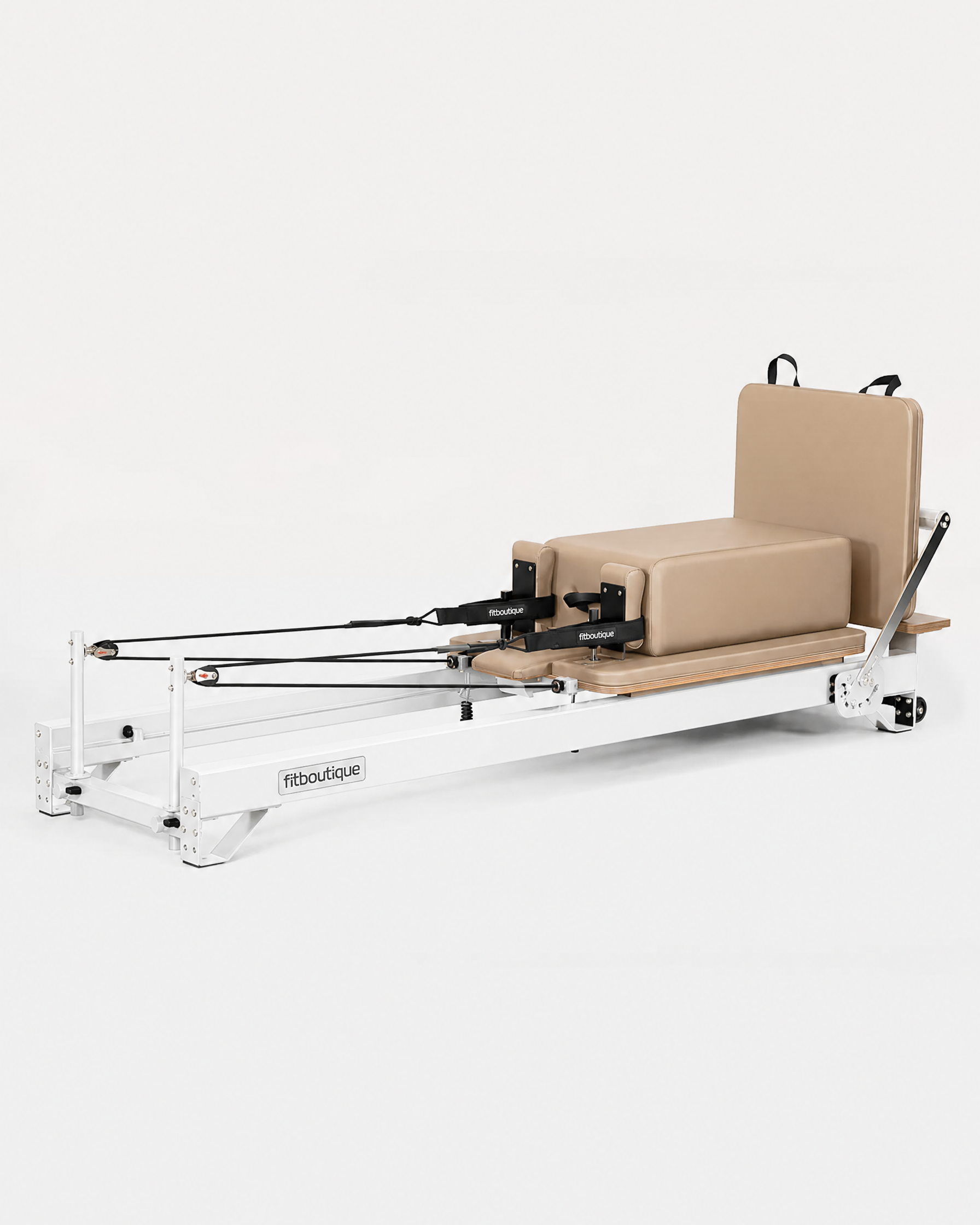
If the room does 2 jobs, a foldable is genuinely the right answer and not a downgrade. The Onyx Fold Reformer and Ivory Reformer at $2,499 fold to 130 centimetres and stand upright on their wheels, and one person can move them.
What you should not do is buy the foldable because it sounds more flexible, put it in a spare room, and never once fold it. You have paid for a hinge you do not use.
Mistake 3: counting springs instead of checking them
Spring count is the number every listing shouts about and it is close to meaningless on its own.
More springs gives you more range at the heavy end. It does not make the machine better. What affects every session you ever do is spring quality: whether the tension is consistent across the set, whether it stays consistent over years, and whether replacements are available.
Ours are German made and come as a set of 6 across every model, 2 light, 2 medium and 2 heavy, because a graduated set is what lets you make small adjustments. Three identical springs looks like 3 springs and behaves like one.
The question worth asking any seller is not how many springs, it is where the springs are made and what a replacement set costs. If they cannot answer the second part, that tells you something.
Mistake 4: not pushing the carriage
If you get the chance to put hands on a machine before buying, this is the single most informative 10 seconds available to you.
Push the carriage with one hand, slowly, from one end to the other. It should move silently, at an even speed, with no catch, no grinding and no wobble side to side. Then push it fast and let it return. It should not clunk at either end.
A carriage that hesitates, even slightly, is telling you about the wheel quality and the rail alignment, and neither improves with use. This is also the difference you feel immediately between a cheap machine and a good one, far more than any spec sheet.
If you are buying online and cannot test it, ask what the wheels are made of and whether the rails are extruded aluminium or folded steel. And buy from somewhere that will take it back.

Mistake 5: buying for who you are today
Beginners buy beginner machines and then outgrow them in 8 months, which is exactly how long it takes to get good enough to notice the machine is holding you back.
The specific things that become limiting. A non adjustable footbar, because as you progress you need different positions for different exercises. A fixed headrest, which becomes uncomfortable the moment you start doing anything with your neck flexed. Short rope length, which caps your range on strap work. And a light spring set, because the exercise you cannot do yet is the one you will want in month 6.
Ask yourself honestly whether you might teach, whether anyone else in the house will use it, and whether you are likely to be training 4 times a week in a year. If the answer to any of those is maybe, buy the machine that handles it. Upgrading costs far more than buying properly once.
Mistake 6: ignoring what happens in 3 years
This is the one nobody asks about and the one that decides whether your machine is still in use in 2030.
Springs wear. Wheels wear. Straps fray. On any machine, used regularly, something will eventually need replacing, and at that point the only thing that matters is whether the part exists and how fast it arrives.
So ask 3 questions before you buy. Where are the spare parts held. What is the warranty and what does it actually cover. And how long does a replacement spring take to arrive.
Ours are held in Melbourne with a 5 year warranty, which means a failed spring is a few days rather than a few weeks. If you are comparing us with an imported machine at a similar price, ask that supplier the same question. The answer will tell you more than the spec sheet.
Delivery is worth asking about too. Every machine we send goes free Australia wide and arrives fully assembled, which for a 65 kilogram object is not a small thing.
Mistake 7: choosing the finish first
I have put this last because it is the least serious, but it is the most common way people talk themselves into the wrong machine.
The finish is the part you see in photographs, so it is the part that gets decided first, and then the room and the format get reverse engineered to justify it. That is backwards. Decide fixed or foldable from your room, decide the size from your body and your ceiling, and then choose the finish from whatever is left.
The good news is that on our range the springs, wheels and build are identical across every model, so the finish genuinely is only a finish. The Maple Crest Reformer at $2,199 in full maple timber is the cheapest machine we make and the one guests assume cost the most, which is a useful piece of information if aesthetics matter to you and budget also does.
One honest caveat on light and timber finishes: they show marks that a black frame hides. They wipe clean, but you will be wiping.
The checklist
If you take nothing else from this article, take this. In order.
- Measure a 2 by 3 metre zone in the actual room. Mark it on the floor with tape and live with it for a day. Check your ceiling height and your doorways while you are there.
- Decide fixed or foldable, honestly. Will you genuinely fold it away, or does it just sound flexible? Fixed frame if the room is dedicated.
- Ask where the springs are made and what a set costs. Not how many there are.
- Push the carriage if you possibly can. Silent, even, no catch, no wobble.
- Check what adjusts. Footbar positions, headrest, rope length. A machine you cannot adjust fits one body on one day.
- Ask where the spare parts are and what the warranty covers. Then ask how long a replacement takes to arrive.
- Choose the finish last. It is the only one of these you can change your mind about without buying a new machine.
If you want the model by model version of this, I compare the whole range in which reformer fits your space and budget, and there is a studio specific guide in best Pilates reformers for studios. Or send me your room dimensions through the contact page and I will tell you honestly what fits.
A Note From Ayrah
The saddest email I get is the one that starts "I bought a reformer last year and it is in the garage".
It is never because the machine was cheap. Cheap machines get used and complained about, which is fine, because complaining means using. The ones that end up in garages are almost always fine machines in the wrong room.
The pattern is consistent enough to be depressing. They put it in the spare room, which is also where the drying rack goes. To use it they have to move the drying rack, which takes 2 minutes. Two minutes of friction, 3 times a week, is enough to kill a habit that has not fully formed yet, and by month 3 they have stopped and feel guilty about a $2,500 object.
Nobody ever asks me about friction. They ask about springs and frames and warranties, all of which matter far less than whether you can start a session in under 30 seconds.
So before you compare a single model, go and stand in the room. Imagine doing it on a Tuesday when you are tired. If there is anything you would have to move first, solve that before you buy anything, because no machine on earth fixes it.
Frequently Asked Questions
What should I look for when buying a Pilates reformer?
In order: whether the room fits a 2 by 3 metre working zone, whether you need a foldable or a fixed frame, the quality and origin of the springs rather than the number of them, how smoothly the carriage glides, what adjusts on the machine, and where spare parts are held. Finish last, because it is the only decision you can revisit without buying a new machine.
How much space does a reformer really need?
About 2 by 3 metres of working zone. The machine itself is around 244 centimetres long, but you also need room to get on and off from either side and to reach both ends. Check your ceiling height too, since standing and kneeling work puts your head roughly 40 centimetres higher than you would guess.
Is a foldable reformer worse than a fixed frame?
Slightly, and only in one respect. A fixed frame has no hinge and sits lower and wider, which makes it the steadier platform under fast or loaded work. A foldable is the right choice when the room is shared and you will genuinely fold it. It is the wrong choice if it will sit open permanently, because you have paid for a hinge you never use.
How many springs should a reformer have?
Spring count matters far less than spring quality. A graduated set, typically 6 with light, medium and heavy pairs, lets you make small adjustments. Three identical springs gives you almost no useful range. Ask where they are made and what a replacement set costs rather than how many are included.
Are cheap reformers worth it?
They are worth it if you know what you are trading. The savings almost always come out of the springs, the carriage wheels and the frame rigidity, which are the 3 things you feel every session. A cheap machine will work. It will feel less smooth, its springs will drift sooner, and parts are usually harder to replace.
Can I test a reformer before buying?
If you can, do. Push the carriage slowly end to end with one hand. It should be silent and even with no catch or side to side play. That 10 seconds tells you more than any specification list. If you are buying online, ask about wheel material and rail construction, and buy from somewhere with a return policy.
Should a beginner buy a beginner machine?
No, and this is where most upgrade regret comes from. It takes roughly 8 months to get good enough to notice a machine limiting you. The features that become limiting are a fixed footbar, a non adjustable headrest, short ropes and a narrow spring range. Buying properly once costs less than buying twice.
What questions should I ask the seller?
Where are the springs made, what does a replacement set cost, where are spare parts held, what exactly does the warranty cover, how long does a replacement part take to arrive, and does the machine come assembled. The answers to those 6 separate serious suppliers from resellers.
Get It Right The First Time
Commercial grade reformers with German made springs, delivered fully assembled and free Australia wide, with a 5 year warranty and spare parts held in Melbourne.
Compare Every Reformer
Written by Ayrah Yuso
I'm part of the FitBoutique team and have a solid passion (and love) for all things exercise related, including Reformer Pilates



















Leave a comment