




Pilates Reformer Trends 2026
I wrote a version of this article in January, and one of my predictions was wrong enough that I want to correct it in public rather than quietly delete it.
I said 2026 would be the year of the smart connected reformer, with sensors in the carriage and apps counting your repetitions. It has not happened, not here and not really anywhere, and having spent the year watching what people actually buy I no longer think it is coming soon. The machine has stayed pleasingly dumb. What changed is everything around it.
So here is the honest version, written in September with 9 months of evidence rather than in January with a guess. These are the shifts I can see from where I sit, which is a warehouse in Melbourne watching what leaves it.

In this article
- The home reformer stopped being unusual
- People are buying a second piece of apparatus
- Timber replaced clinical
- The app is the smart part, not the machine
- Accessories that change what the machine can do
- Reformer plus strength, not instead of
- Machines built for taller bodies
- What I think is overhyped
- Which of these actually matter to you
- Frequently asked questions
The home reformer stopped being unusual
This is the biggest shift and it is the one with real evidence behind it rather than just my impression.
The Australian Sports Commission runs the national participation survey, AusPlay. In its November 2025 release covering 2024 to 2025 data, Pilates was named among the fastest growing physical activities in the country, sitting alongside pickleball, padel, fishing, golf and tennis.
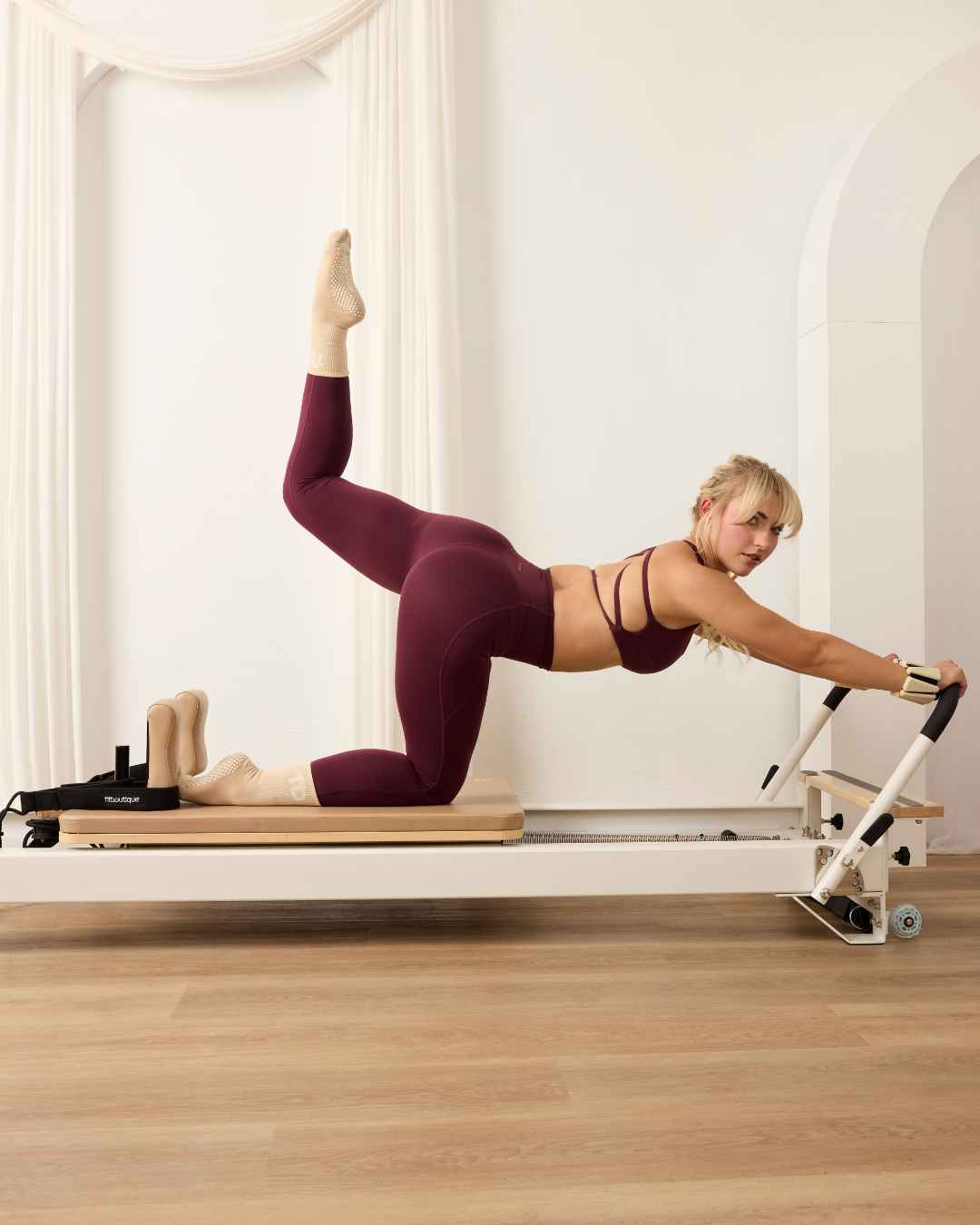
What that looks like at my end is that the conversation has changed. Three years ago the question was "is a reformer at home actually worth it". Now the question is "which one fits my room", which is a completely different question asked by someone who has already decided.
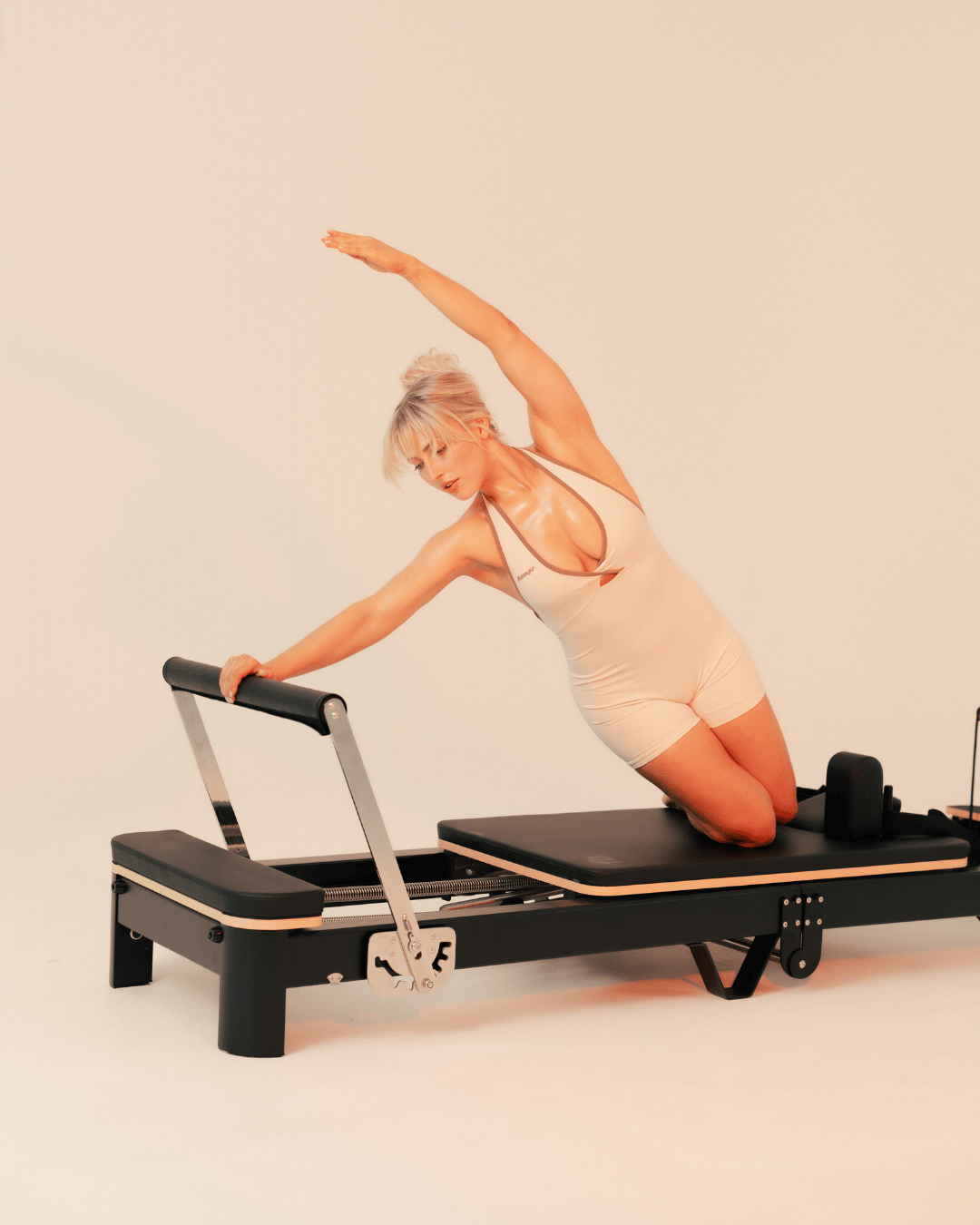
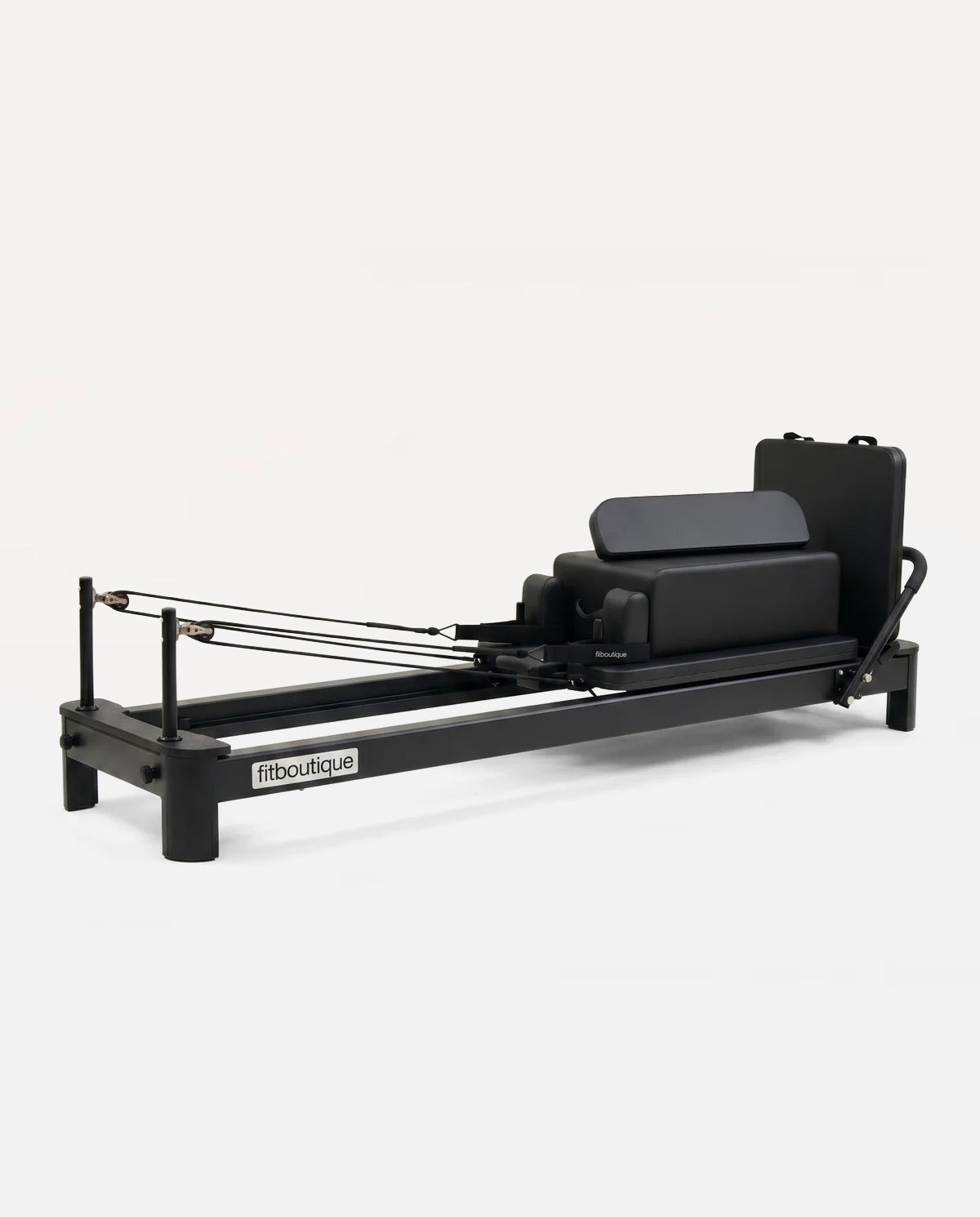
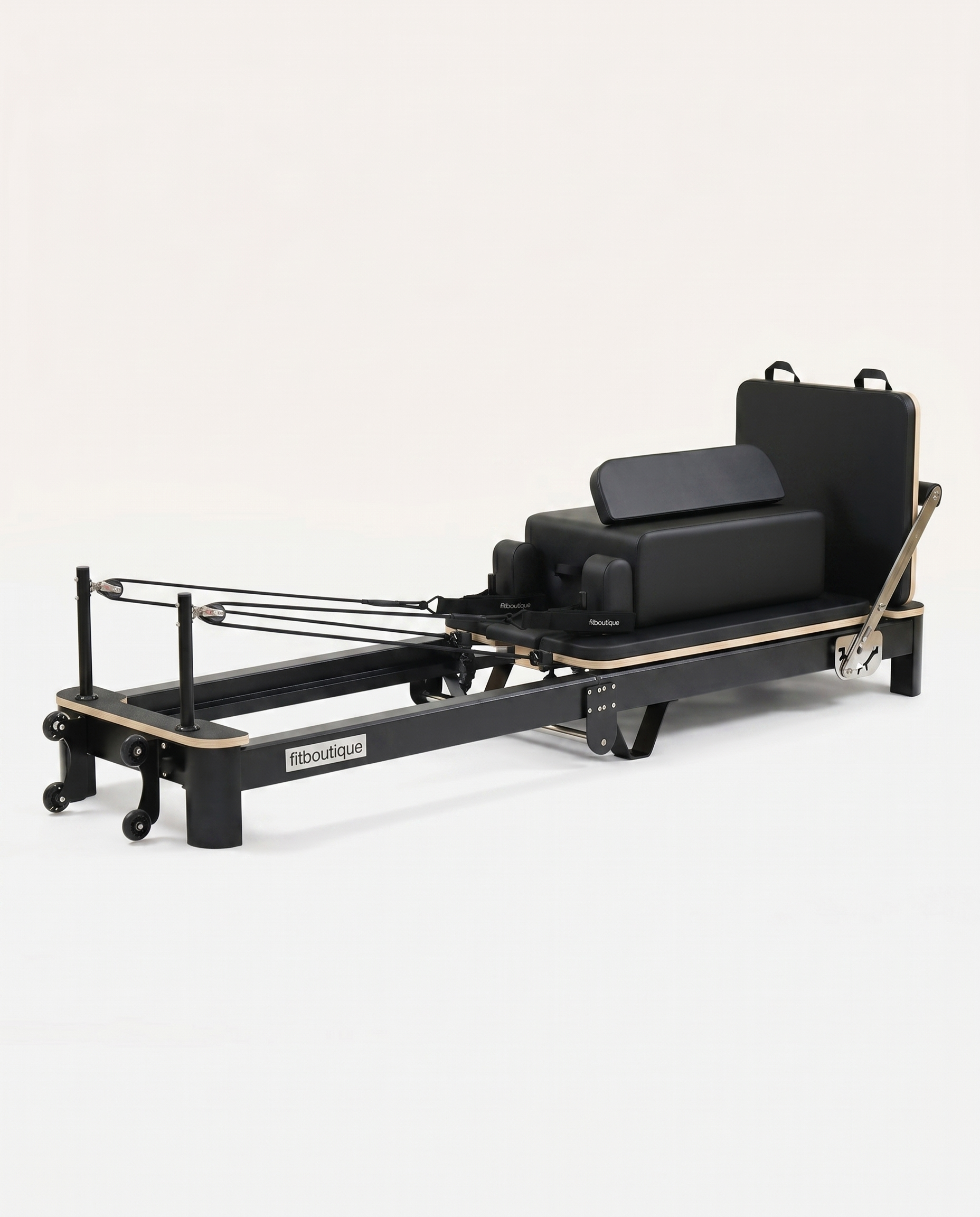
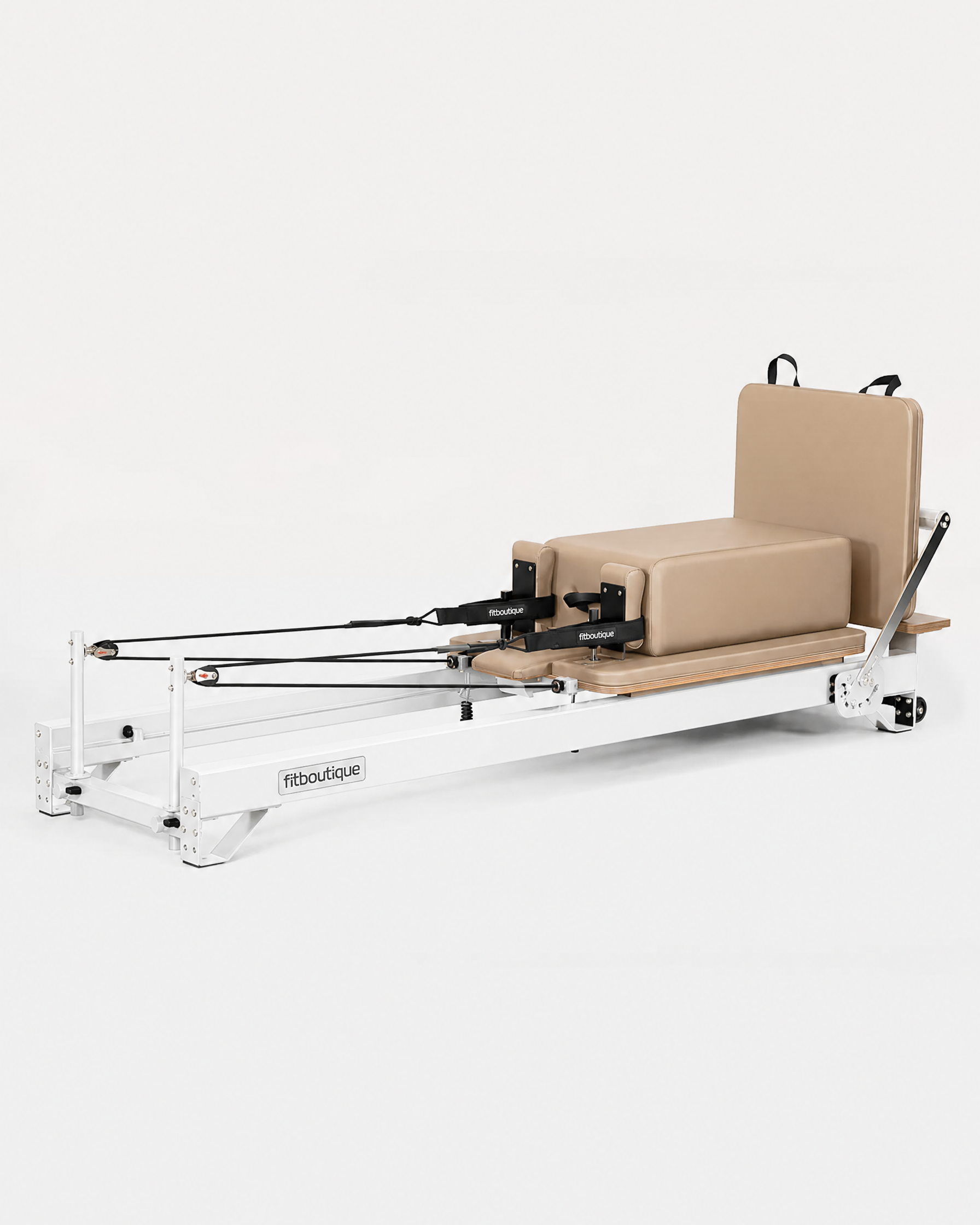
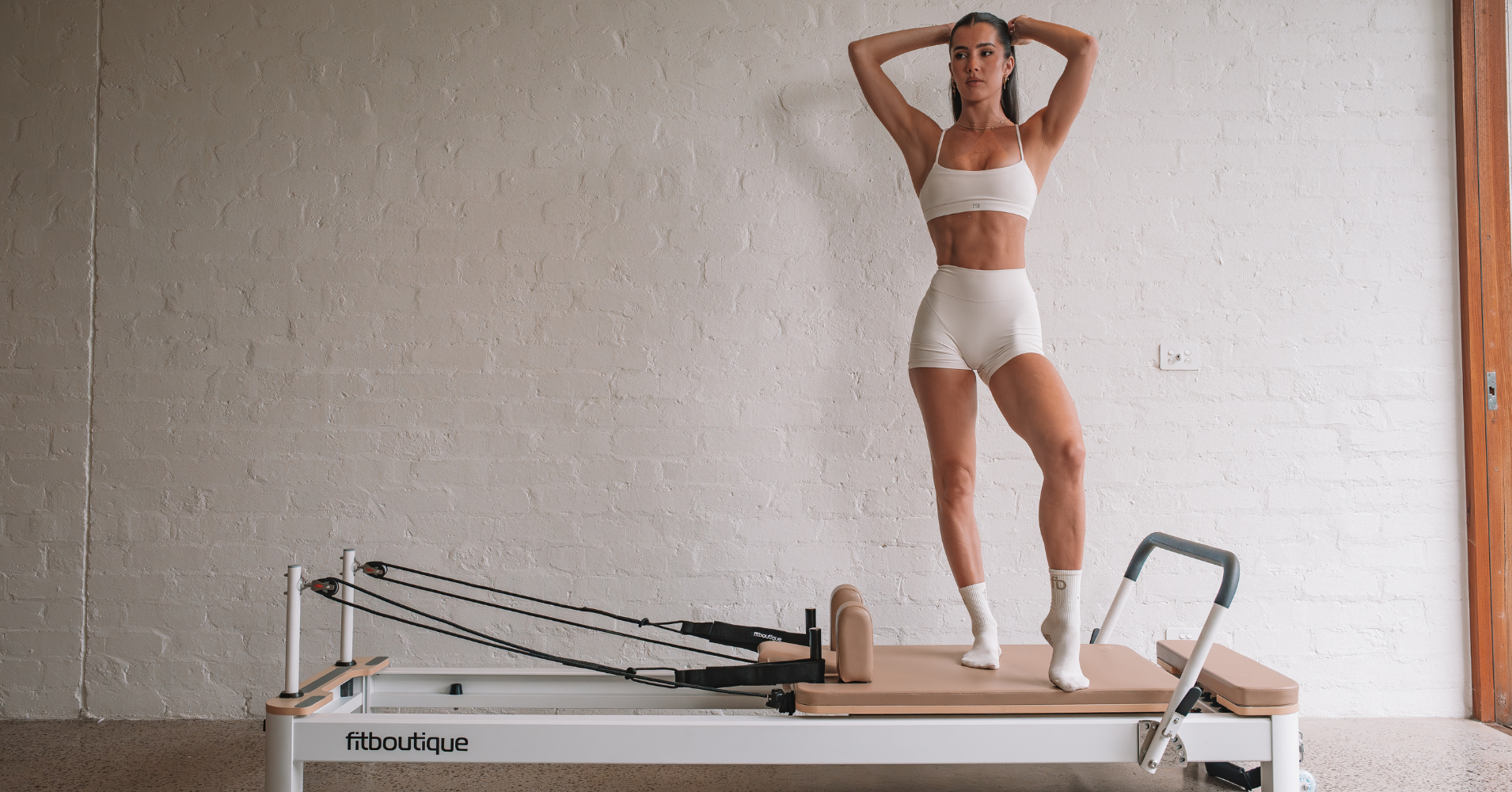
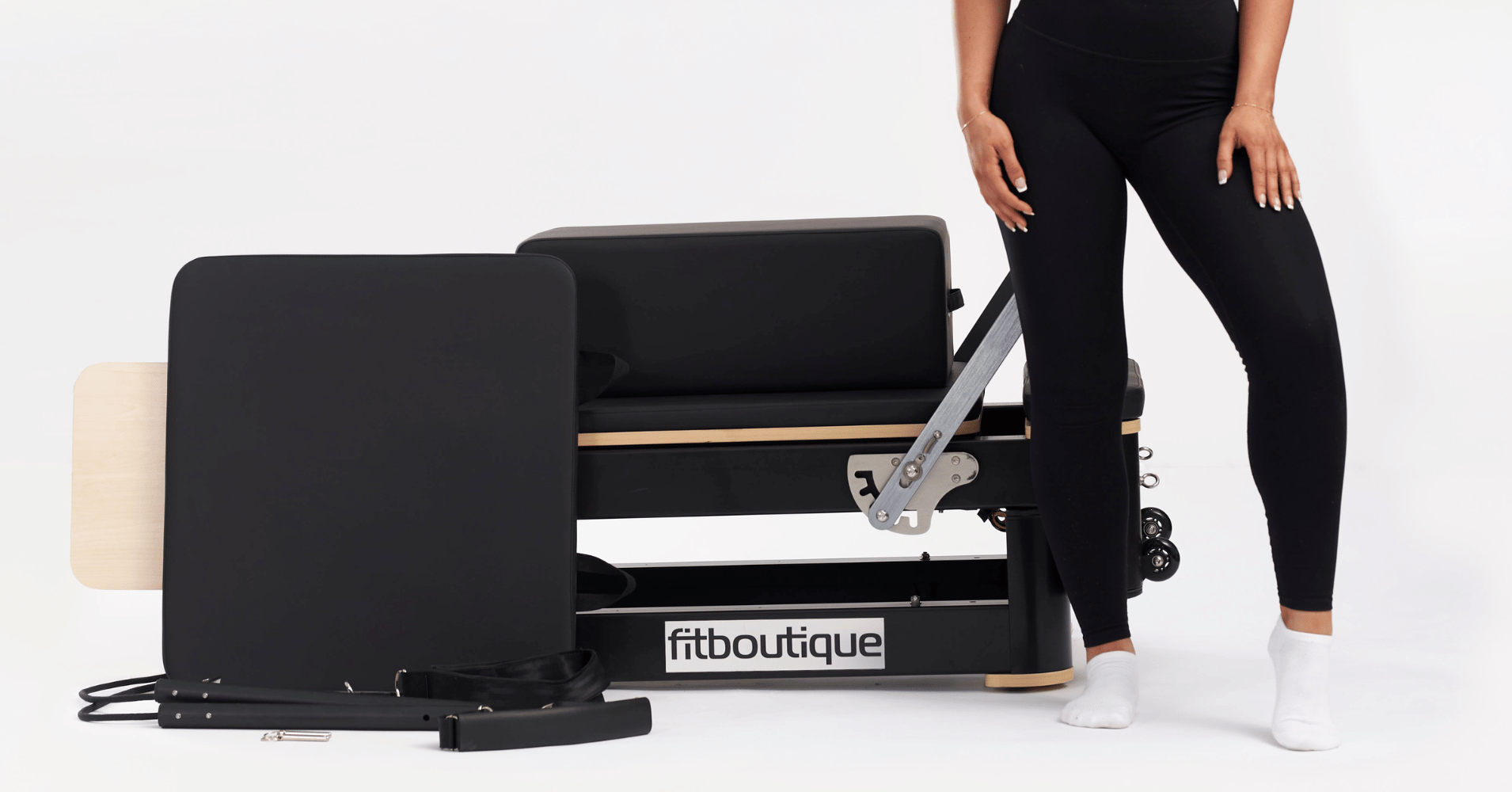
The format that made it possible is the foldable. A machine that stands upright on its wheels and takes up 130 centimetres when it is not in use is a machine that can live in a spare bedroom, a garage or the end of a lounge room. The Ivory Reformer at $2,499 and the Onyx Fold Reformer at the same price are the 2 that go out the door most often, and they are the same machine in 2 finishes.
People are buying a second piece of apparatus
This is the trend I did not see coming at all, and it is the one I would put money on continuing.
Joseph Pilates invented a dozen or so pieces of equipment, not one. For decades the reformer was the only one most people ever met, because it was the only one studios could justify buying. What is happening now is that people who have had a reformer at home for a year or 2 are adding a second piece, the way someone who buys a good pan eventually buys a second good pan.
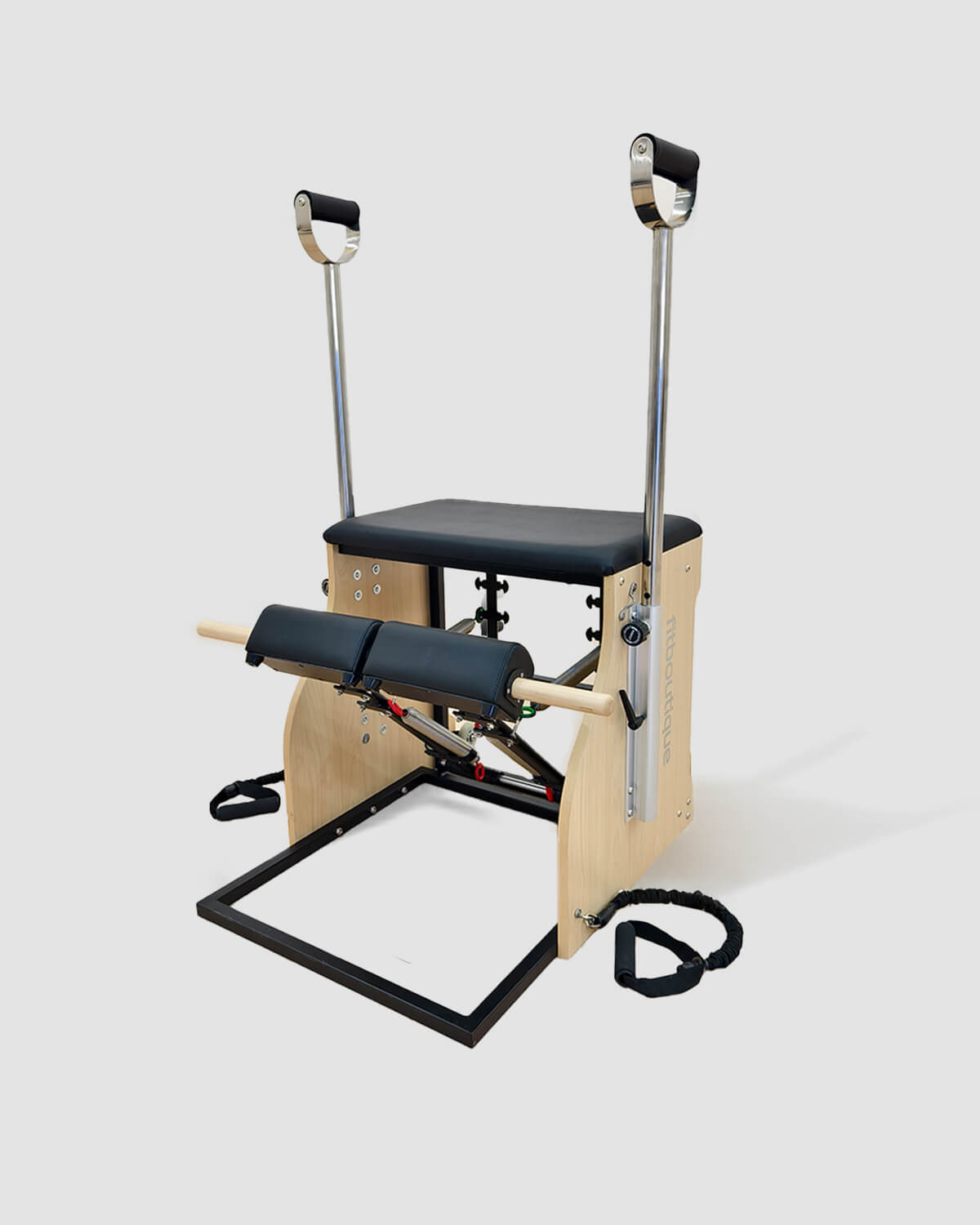
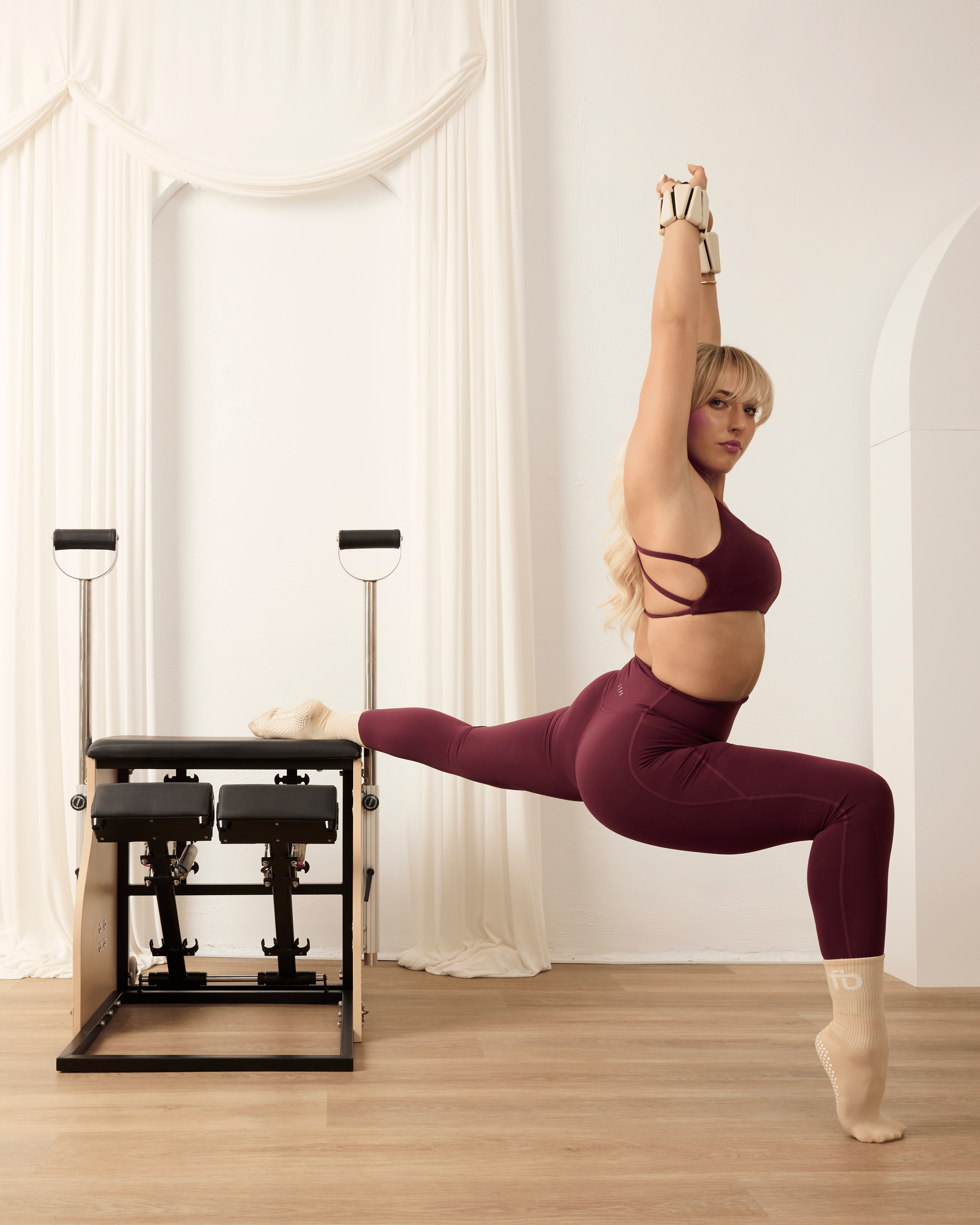
The Pilates Chair at $1,495 is the one driving this. It is maple timber with 4 commercial grade springs and adjustable handles, it takes up almost no floor space, and it does a category of work the reformer cannot: seated and standing pressing, single leg work, and a lot of the repertoire that makes you realise how much you rely on lying down.
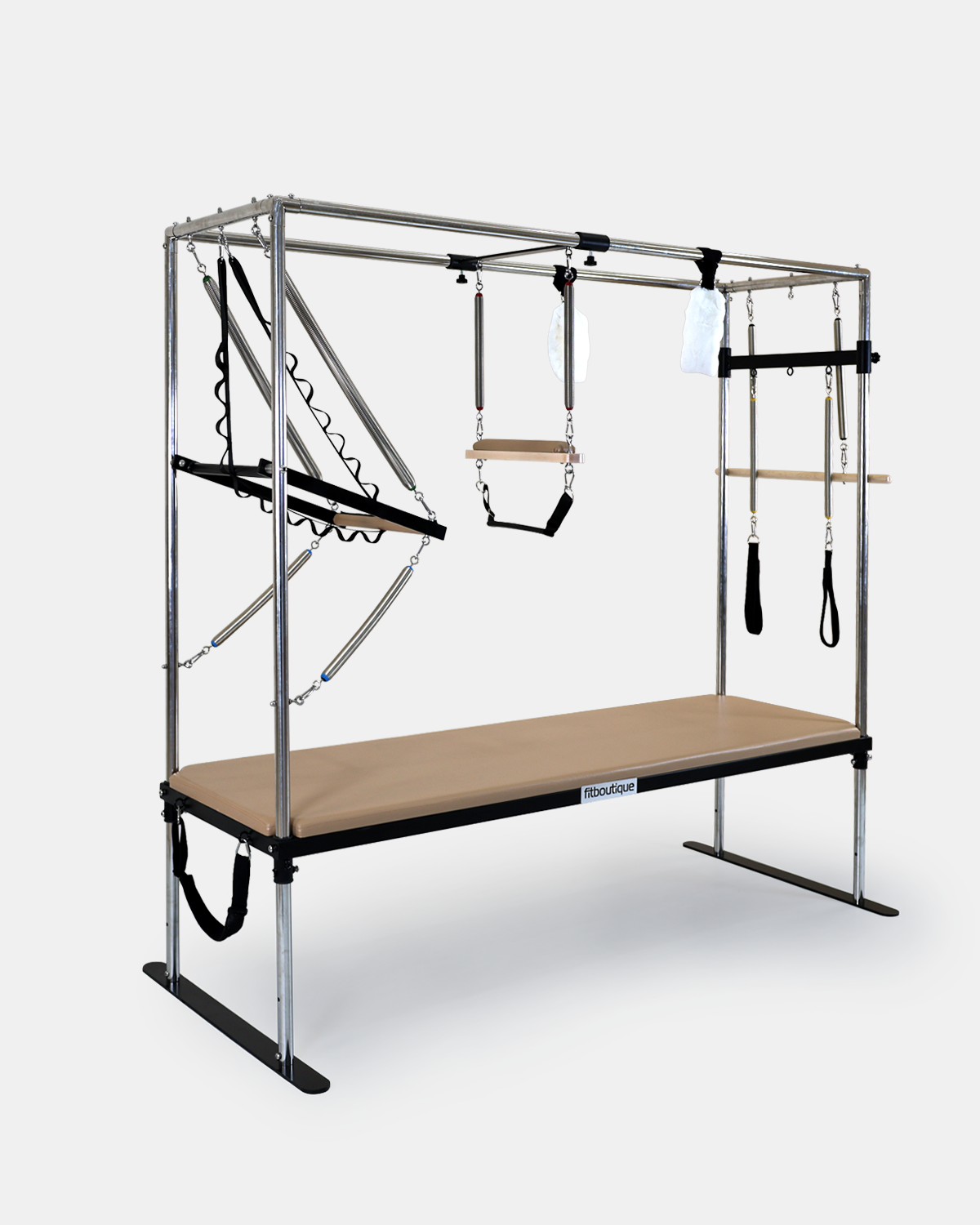
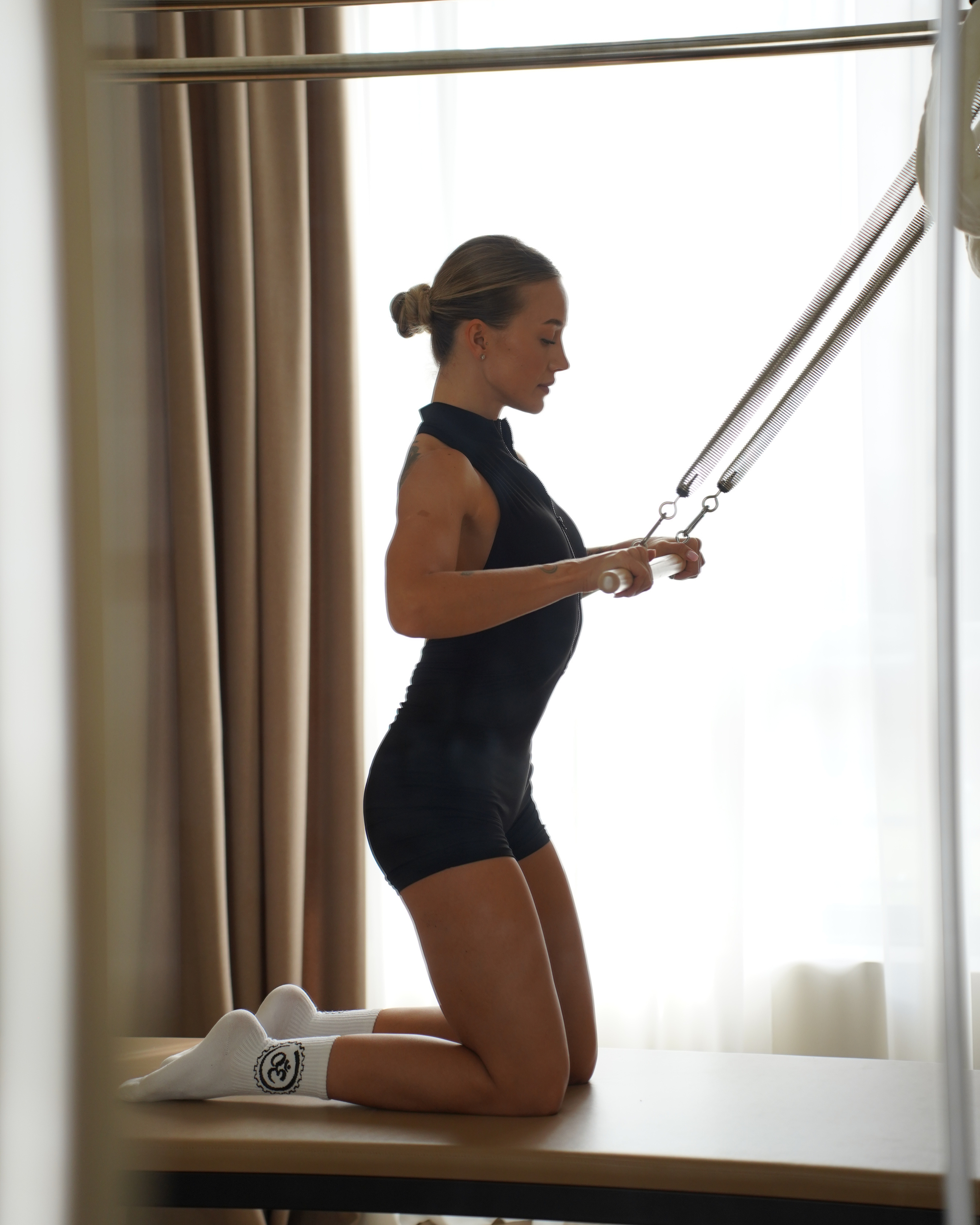
At the other end, the Cadillac at $3,995 is the full tower, which opens up several hundred exercises across sitting, standing and lying positions. That is a studio or a serious home practice piece rather than an impulse buy, but the enquiries are real and they were not there 2 years ago.
If you have been on a reformer for a while and it has started to feel predictable, this is probably the direction to look rather than a newer reformer.
Timber replaced clinical
The aesthetic has moved decisively, and it moved faster than I expected.
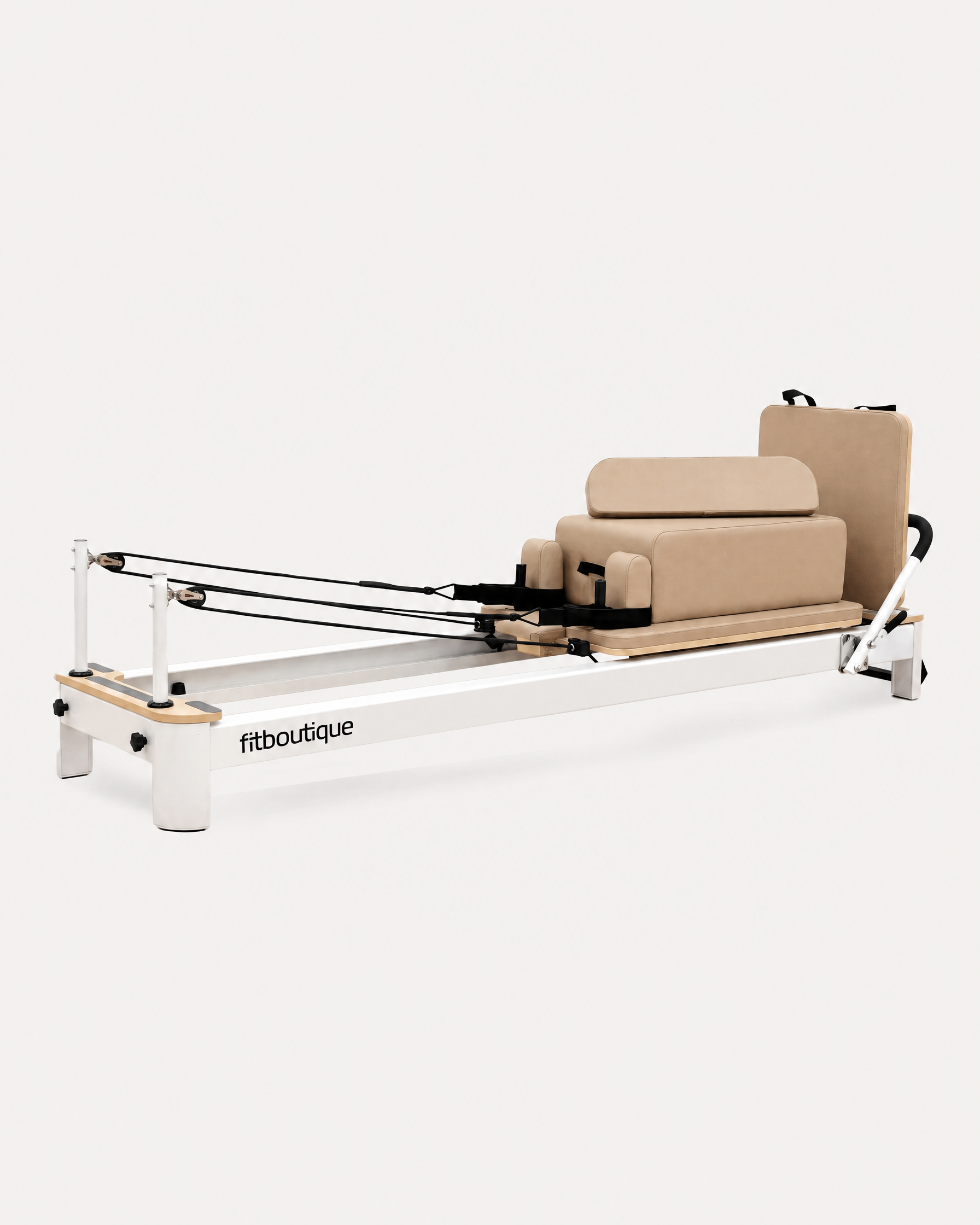
Five years ago a home reformer was black or white aluminium and it looked like gym equipment, which is fine if it lives in a garage. As the machine moved into rooms people actually sit in, that stopped working. What sells now is a machine that reads as furniture.
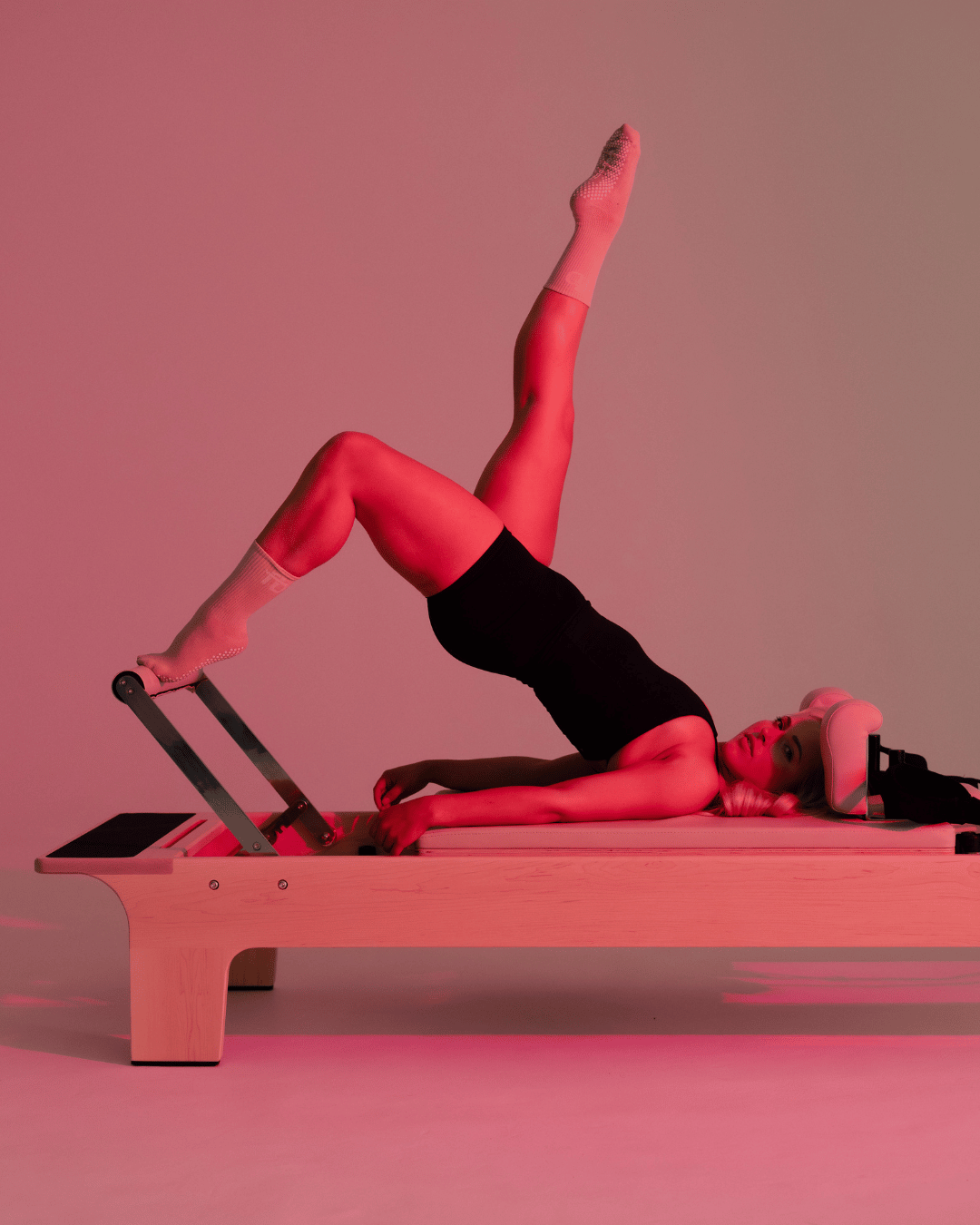
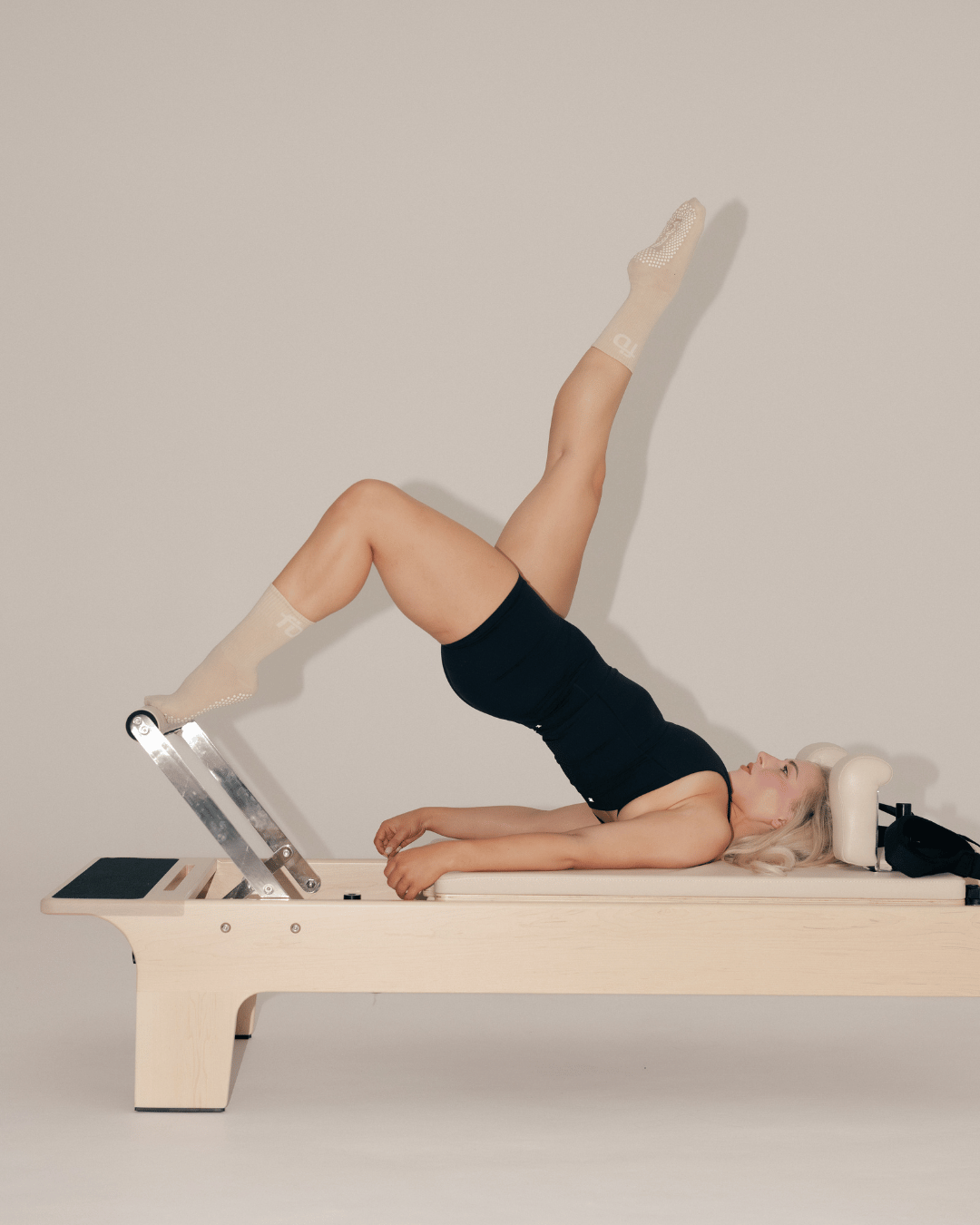
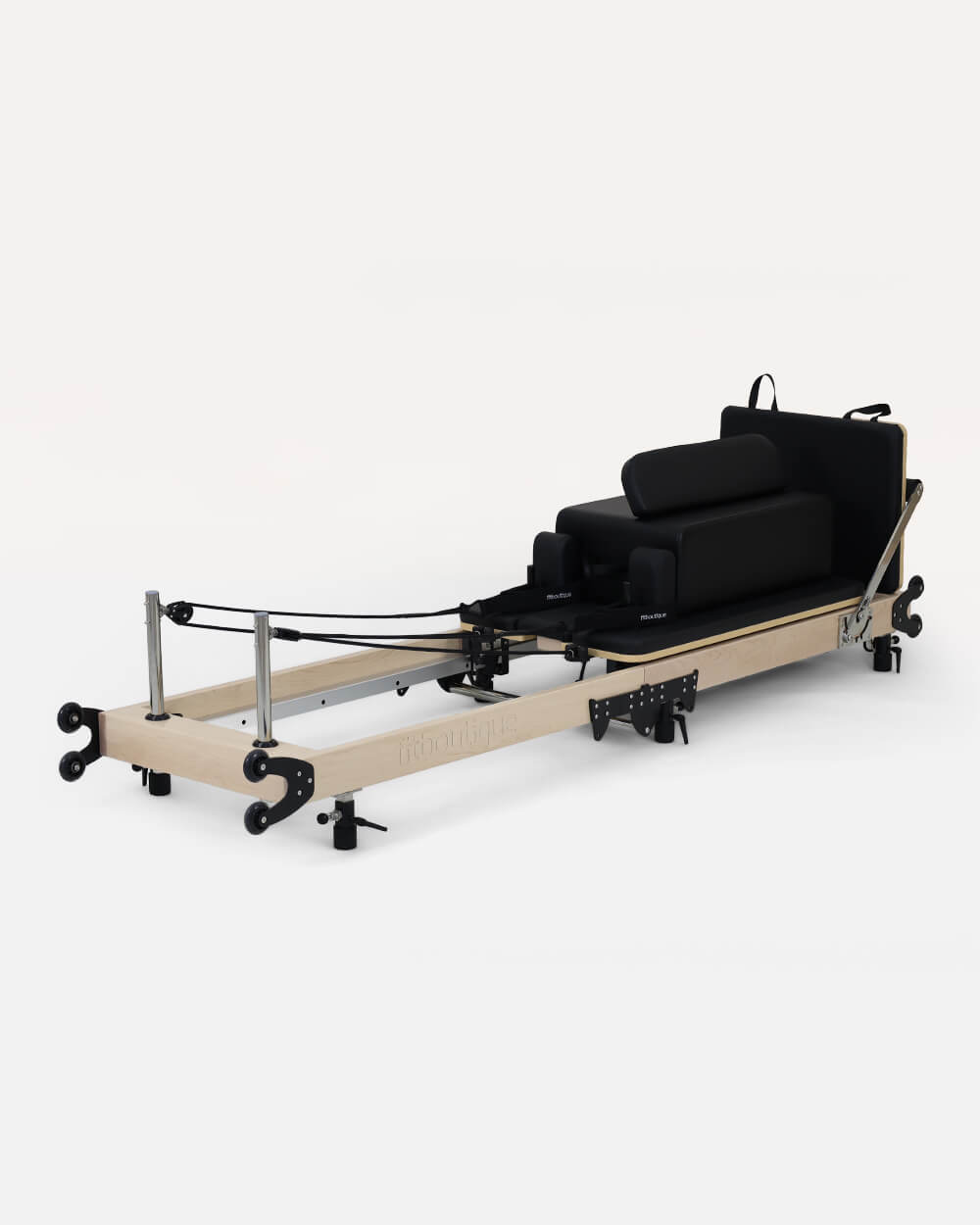
The Maple Crest Reformer at $2,199 is full maple timber, folds to 129 centimetres and is the cheapest machine we make, which continues to amuse me because visitors invariably assume it is the most expensive. The Perlino Reformer at $3,399 is our newest design, a full maple frame built around a spring system we developed specifically for it, and it is the most solid feeling machine in the range.
You can see the timber options together in the maple wood range. The honest trade off is maintenance: timber and light finishes are more work to keep looking good than a black frame, and if nobody is wiping the machine down it will show.

The app is the smart part, not the machine
Here is where I correct myself properly.
My January prediction was that reformers would get sensors. What has actually happened is that the intelligence moved off the machine entirely and onto the screen you already own, which in hindsight is obviously the right answer. A reformer is a mechanical device that should last 10 years. A screen gets replaced every 3. Building the software into the frame would be the worst of both.
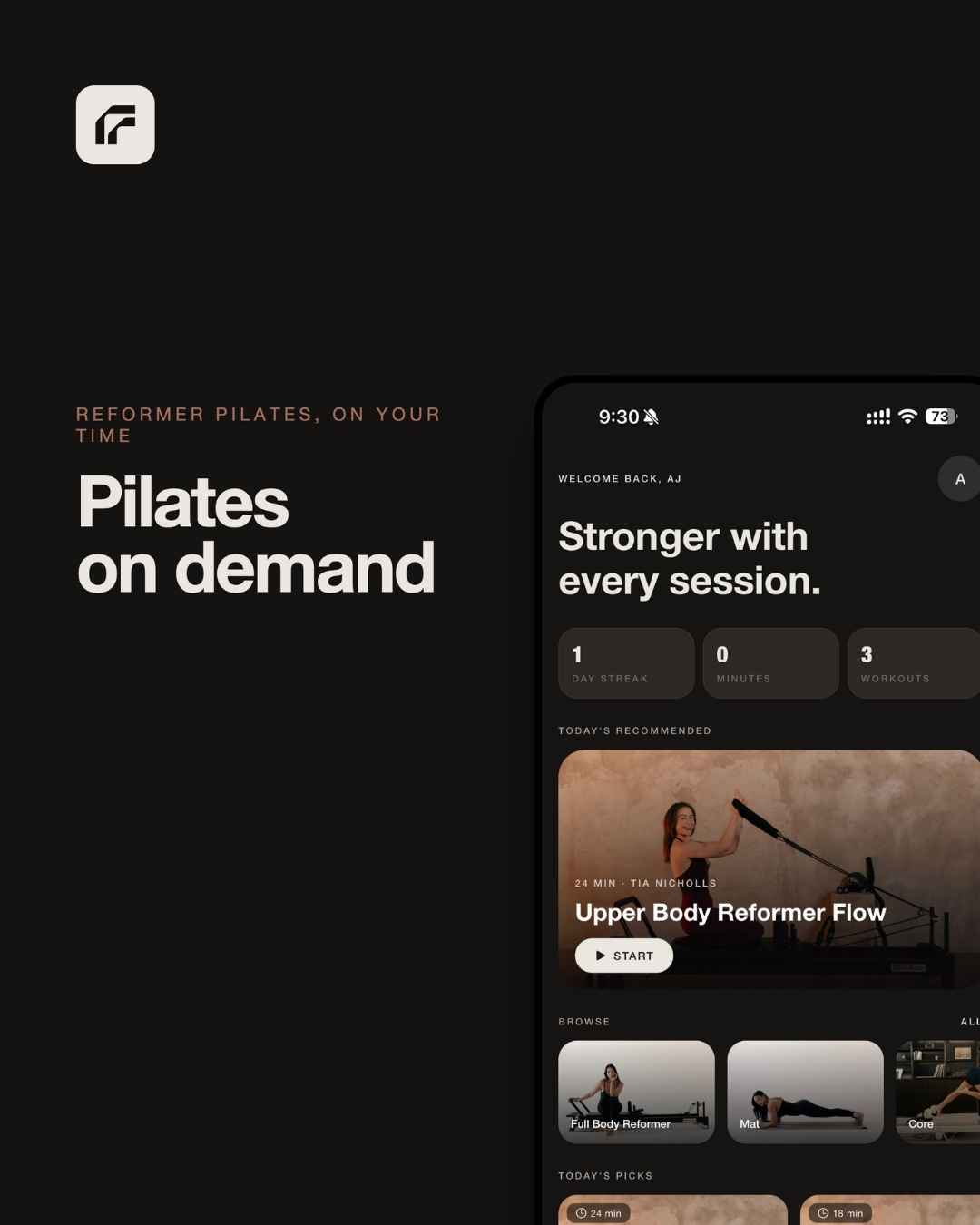
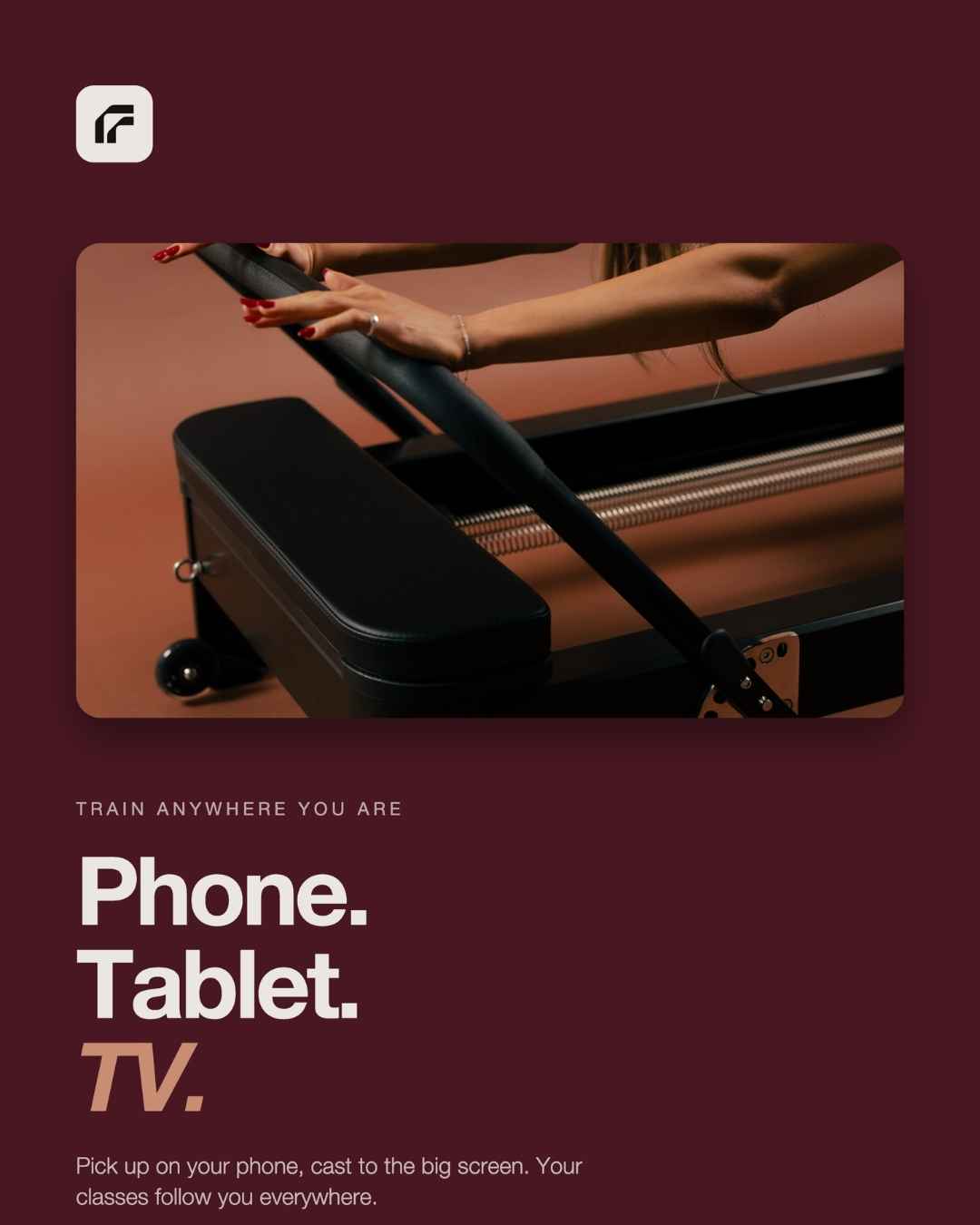
We built Fit by FitBoutique for exactly that reason, and it runs on iOS, Google Play and Apple TV. The Apple TV part is the one that surprised us. People do not want to squint at a phone propped against a wall, they want the class on the television in front of the machine, and once you have seen someone train that way the phone version looks like a compromise.
The broader trend is that guided at home classes have closed most of the gap with a studio for everything except one thing, which is somebody correcting your alignment in person. That gap is still real, and a handful of instructed sessions early is still worth more than any app.
Accessories that change what the machine can do
The other thing I did not predict is how much of the growth would come from small pieces rather than machines.
The Platform Extender at $199 is the clearest example. It drops over the existing platform and doubles the surface area at the foot end, matched to carriage height with a non slip surface. That sounds minor until you try kneeling, standing or lunging work on a standard platform and discover how much of the repertoire you have been quietly skipping because there is nowhere to put your other foot.
The jumpboard and box are the other 2, and they come included with every machine we sell rather than sold separately, which surprises people who have been quoted for them elsewhere. The jumpboard in particular turns a reformer into a low impact cardio option, which is the single most underused feature on most home machines.
If your reformer has started to feel narrow, the answer is usually an accessory rather than a new machine.
Reformer plus strength, not instead of
A few years ago the framing was reformer versus weights, as though you had to pick a side. That argument has largely died and good riddance.
What I see now is people running both. Two or 3 reformer sessions for control, stability and the deep muscles, plus loaded work for the things a spring cannot easily do, which is mostly heavy hip and leg work.
The Hip Thrust Machine at $499 is the piece that goes out with reformers most often, for exactly that reason. It loads the glutes in a way spring resistance does not, and the 2 together cover more ground than either alone. At the cheaper end, Power Bands at $29 do a surprising amount for travel and warm ups.
I would add that the research supports the combination rather than the competition. Reformer work is excellent for stability and control, and there is good evidence behind it, but it is not a large calorie burn and it does not replace heavy loading if that is your goal. I went through which muscles it actually trains in my piece on what muscles reformer Pilates works.
Machines built for taller bodies
A smaller trend but a real one, and it comes up constantly in emails.
Standard reformers are built around an average height, and if you are much over 185 centimetres you will run out of rail before you run out of range. The usual workaround is to shorten your own movement, which defeats the point.
The Mega XL Reformer at $11,499 is the answer to that, built in aluminium and steel with an 8 spring system and the longest rail we make. It is a studio or serious athlete purchase rather than a first machine, but for a studio that trains tall clients it solves a problem you would otherwise hear about every week.
What I think is overhyped
A trends article that only lists things you should buy is an advertisement. Here are 3 I would be careful with.
- Anything described as a portable reformer that packs into a bag. The parts of a reformer that matter are a rigid frame, a smooth carriage and consistent springs, and every one of those gets worse when you make it fold into luggage. A foldable full size machine is a reasonable compromise. A bag sized one is a different product wearing the name.
- Spring counts as a headline number. More springs is not better, it is just more range. What matters is the quality and consistency of the springs you have, because a set that loses tension unevenly makes the same exercise feel different week to week.
- Buying on finish before you have measured the room. I say this every time and it is still the most common expensive mistake. A machine you love the look of that does not leave you room to get on and off from the side is a machine you will stop using.
Which of these actually matter to you
Most of the above is context rather than instruction. If you want the short version.
Buying your first machine: the foldable versus fixed frame decision is the only one that really matters, and it is decided by your room rather than your budget. Everything else is finish.
Already have one: the interesting moves are an accessory, a second piece of apparatus, or a structured programme, in that order of cost. A newer reformer is usually the least useful upgrade.
Fitting out a studio: consistency across machines matters more than any individual feature, because clients on machine 4 need to feel what clients on machine 1 feel. I wrote that up properly in my guide to the best Pilates reformers for studios.
And whichever way you go, interest free payment plans are available at checkout and delivery is free Australia wide, which takes some of the sting out of the decision.
A Note From Ayrah
The question I get asked has changed, and I only noticed it because I went back through a year of emails looking for something else.
In 2024, almost every enquiry was some version of "will this actually work at home". People wanted reassurance that a machine in a spare room was not a waste of money. I spent a lot of that year persuading people that it was a real option.
This year barely anyone asks that. The enquiries are now "what else can I add", "does the chair work in a small room", "can I use the jumpboard on carpet". That is a completely different customer. They are not deciding whether to start, they are deciding how to go deeper.
Which tells me the actual trend of 2026 is not any single product. It is that a home Pilates practice stopped being an experiment and became a normal thing that normal people do, and once something becomes normal, people start asking how to do it properly.
I find that much more interesting than a machine with sensors in it.
Frequently Asked Questions
What are the biggest Pilates trends in 2026?
Home reformers becoming normal rather than unusual, people adding a second piece of apparatus such as a Pilates chair, timber finishes replacing clinical aluminium, guided classes moving to apps and televisions rather than into the machine, and accessories that extend what an existing reformer can do.
Are smart reformers with sensors and apps a real thing yet?
Not meaningfully. The intelligence has moved to the screen rather than the frame, which makes sense because a reformer should last 10 years and a screen gets replaced every 3. Guided app classes on a phone, tablet or television are where the development has actually gone.
Is Pilates still growing in Australia?
Yes. The Australian Sports Commission named Pilates among the fastest growing physical activities in the country in its November 2025 AusPlay release, covering 2024 to 2025 data.
What is the most popular reformer right now?
The foldables. The Ivory and the Onyx Fold are the same machine in 2 finishes and they leave here more often than anything else, because they suit a room that also has to be used for something other than Pilates.
Should I add a Pilates chair to my reformer?
If the reformer has started to feel predictable, yes, more so than buying a newer reformer. A chair takes almost no floor space and covers seated and standing work that a reformer cannot easily do, which is a genuine gap in most home practices.
Are timber reformers as durable as aluminium ones?
Structurally they are built to the same standard, and the springs and carriage components are the same. The difference is upkeep rather than strength, because timber and pale finishes show marks that a black frame hides. If nobody is wiping the machine down after sessions, choose a darker finish.
Are portable roll up reformers any good?
They are a different product using the same word. A rigid frame, a smooth carriage and consistent spring tension are what make a reformer work, and all 3 get worse when the machine has to pack into a bag. A full size foldable is the sensible compromise.
Do I need more springs?
Almost certainly not. More springs gives you more range at the top end, but the thing that affects every session is spring quality and consistency. A set that loses tension unevenly makes the same exercise feel different from one week to the next, which is far more disruptive than not having a seventh spring.
Start Where It Makes Sense
Every FitBoutique reformer arrives fully assembled with German made springs, a jumpboard and box included, free delivery Australia wide and a 5 year warranty.
Compare Every Reformer
Written by Ayrah Yuso
I'm part of the FitBoutique team and have a solid passion (and love) for all things exercise related, including Reformer Pilates

















Leave a comment