





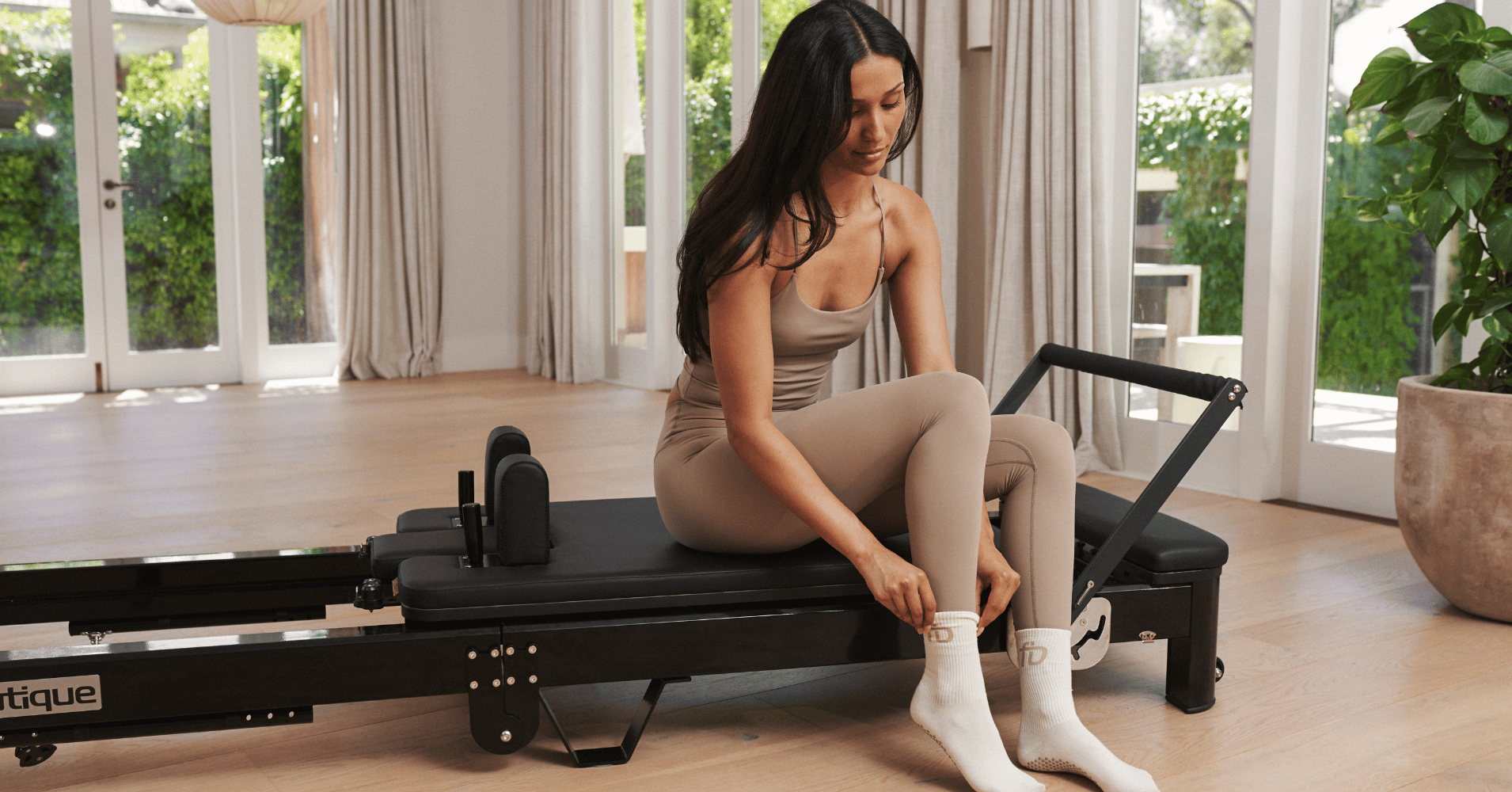
Postpartum Reformer Pilates
Almost every piece of advice about postpartum exercise is either far too cautious to be useful or far too confident to be safe. What people actually want to know is simpler. When can I start, what will it feel like, and what am I supposed to avoid.
Here is my honest answer, with one thing said clearly first. I am not a health professional, and postpartum return to exercise is one of the few areas where the clearance you get from your own doctor or a women's health physiotherapist genuinely outranks anything you will read online, including this.

In this article
When you can start
There is no single date, and anyone who gives you one without knowing your birth is guessing.
The usual structure is that you have a postnatal check somewhere around 6 weeks, and returning to structured exercise is a conversation at that appointment rather than an automatic green light. Some people are cleared then. Plenty are not, and the reasons are individual. A caesarean, a difficult birth, significant tearing, ongoing bleeding, or pelvic floor symptoms all change the answer.
What you can almost always do before then is breathing and gentle walking, and both matter more than they sound. Reconnecting your breath to your deep core is the foundation everything else is built on, and it is not a warm up for the real work, it is the work at that stage.
The one thing I would push back on is the idea that you have missed a window. You have not. People start reformer Pilates 6 months, 2 years and 10 years after having a baby and do beautifully.
Why the reformer suits this stage
Three reasons, and none of them are about intensity.
The springs can assist you. This is the part people misunderstand about a reformer. Springs do not only add resistance, they can also support a movement so you can do it properly before you can do it unaided. That is exactly what a rebuilding body needs.
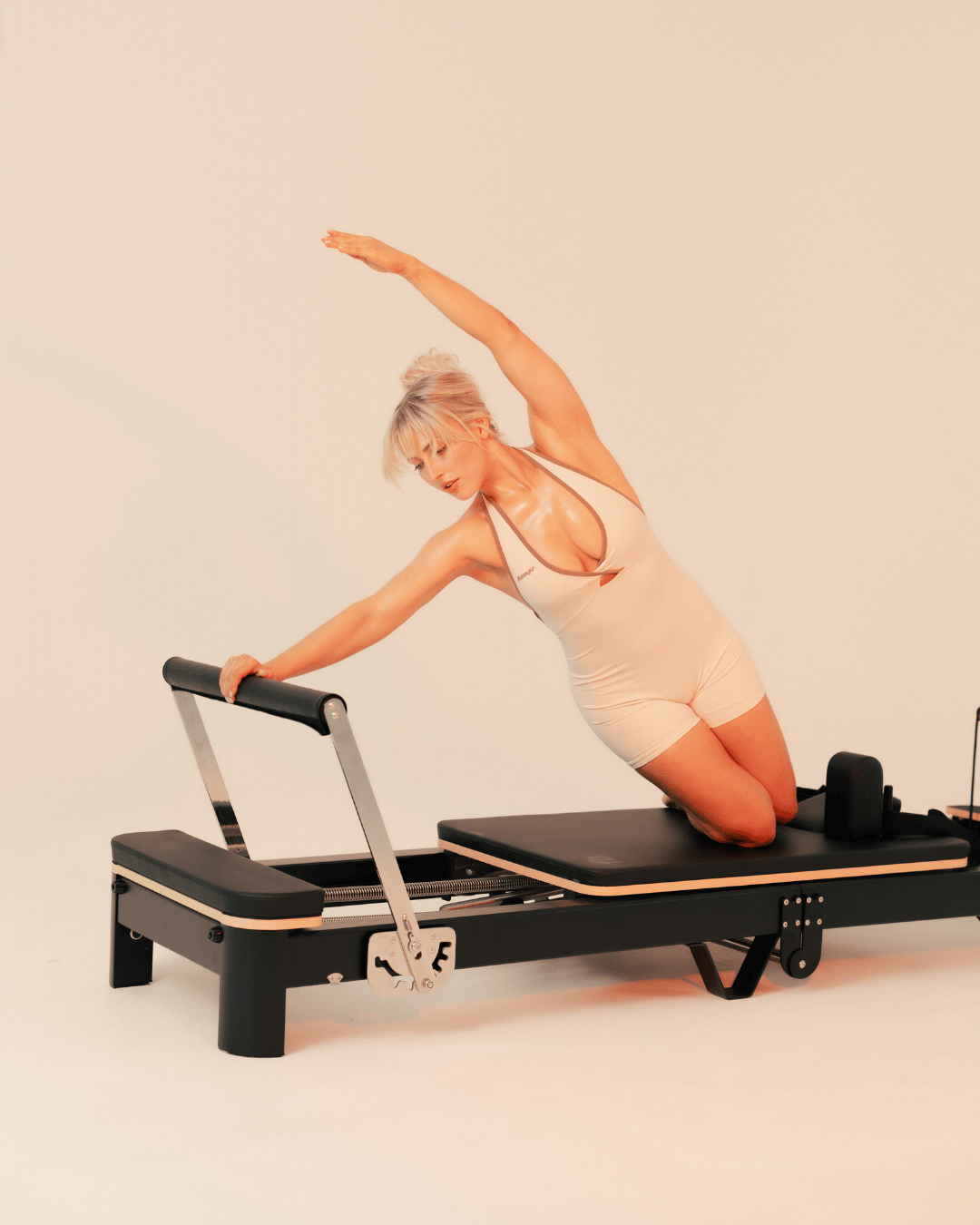
You are supported. Headrest, shoulder blocks, a footbar to push against. Compared with floor work, a reformer gives your body a frame to work within, which is why it shows up so often in clinical settings.
It is slow by design. Reformer Pilates is built on control rather than speed or impact. There is no jumping, no load dropping onto a pelvic floor that is not ready for it, and no momentum.
What it is not is a shortcut back to a body. I will not pretend otherwise, and the posts that do are the reason so many people feel like they are failing at this.
What to get checked first
Two things are worth having assessed by a women's health physiotherapist before you load anything, whatever your birth was.
Your pelvic floor. Not a self assessment. An actual assessment. It determines a great deal about what you should and should not be doing, and symptoms like leaking are common without being something you have to accept.
Abdominal separation. Some degree of separation is normal during pregnancy and often resolves on its own. Whether yours needs specific work, and what kind, is a question for someone who can examine you, not a question for the internet.
A single appointment will tell you more about what your first 3 months should look like than any article will, including this one. If you have had a caesarean specifically, I wrote about that separately in reformer Pilates after a caesarean.
What your first sessions look like
Much less than you expect, on purpose.
- Breathing, connected to your deep core. Lying on the carriage, nothing moving. This is not a warm up you rush through. For the first few sessions it may be most of what you do.
- Footwork on light springs. Slow, small range, with your ribs staying down. The goal is control, not resistance.
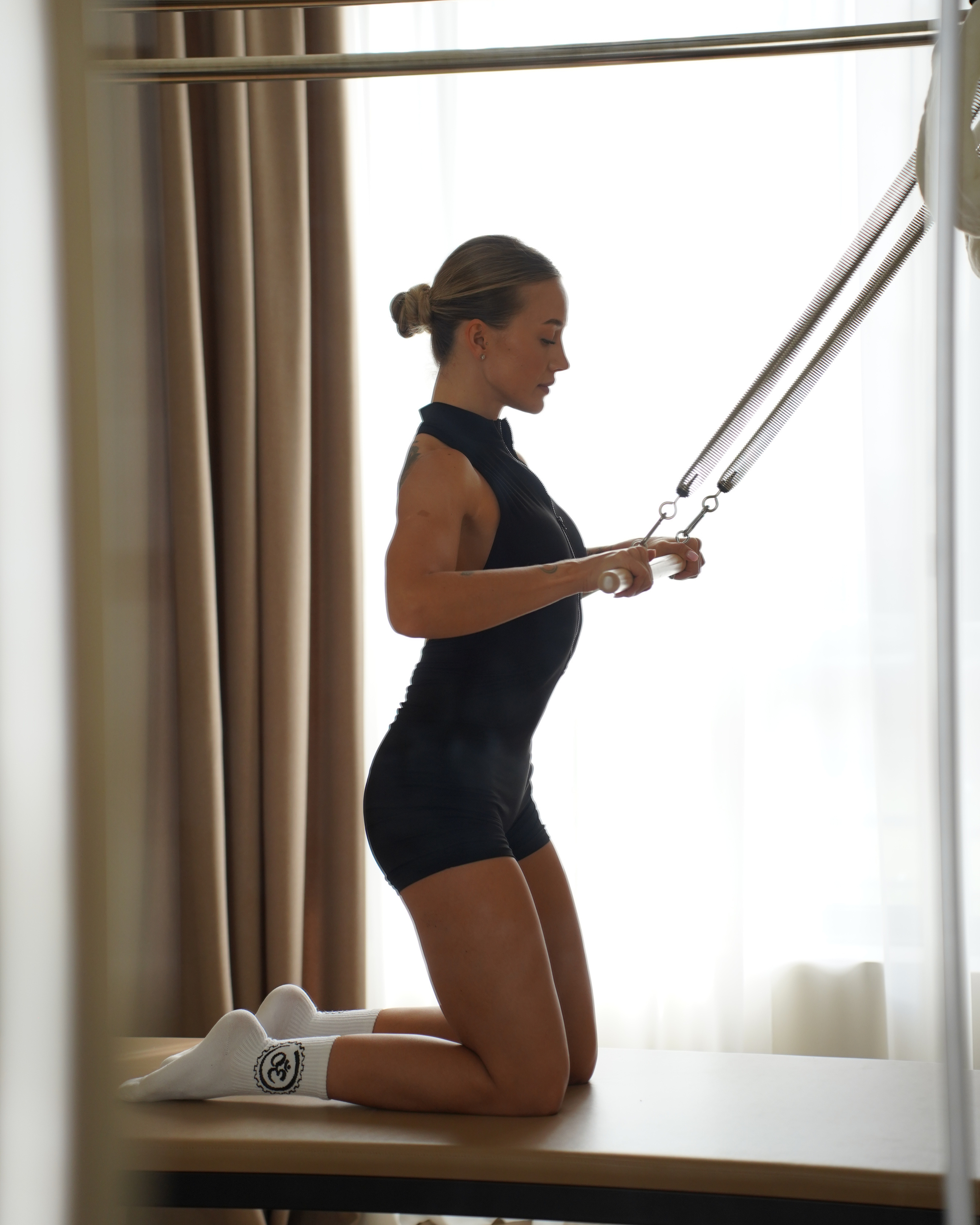
- Supported arm work through the straps. Light, seated or lying, keeping your shoulders out of your ears. This is where a lot of postpartum tension actually sits.
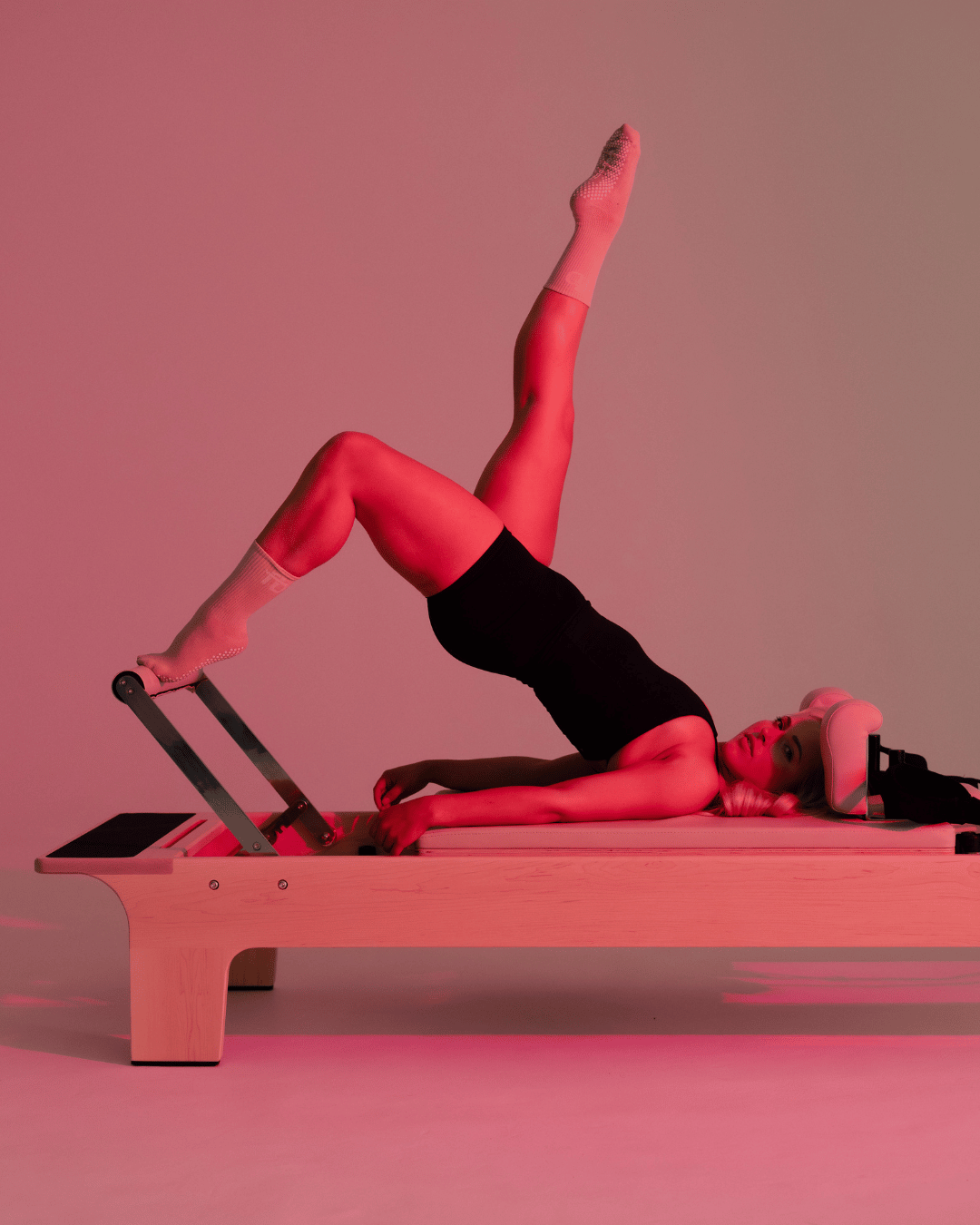
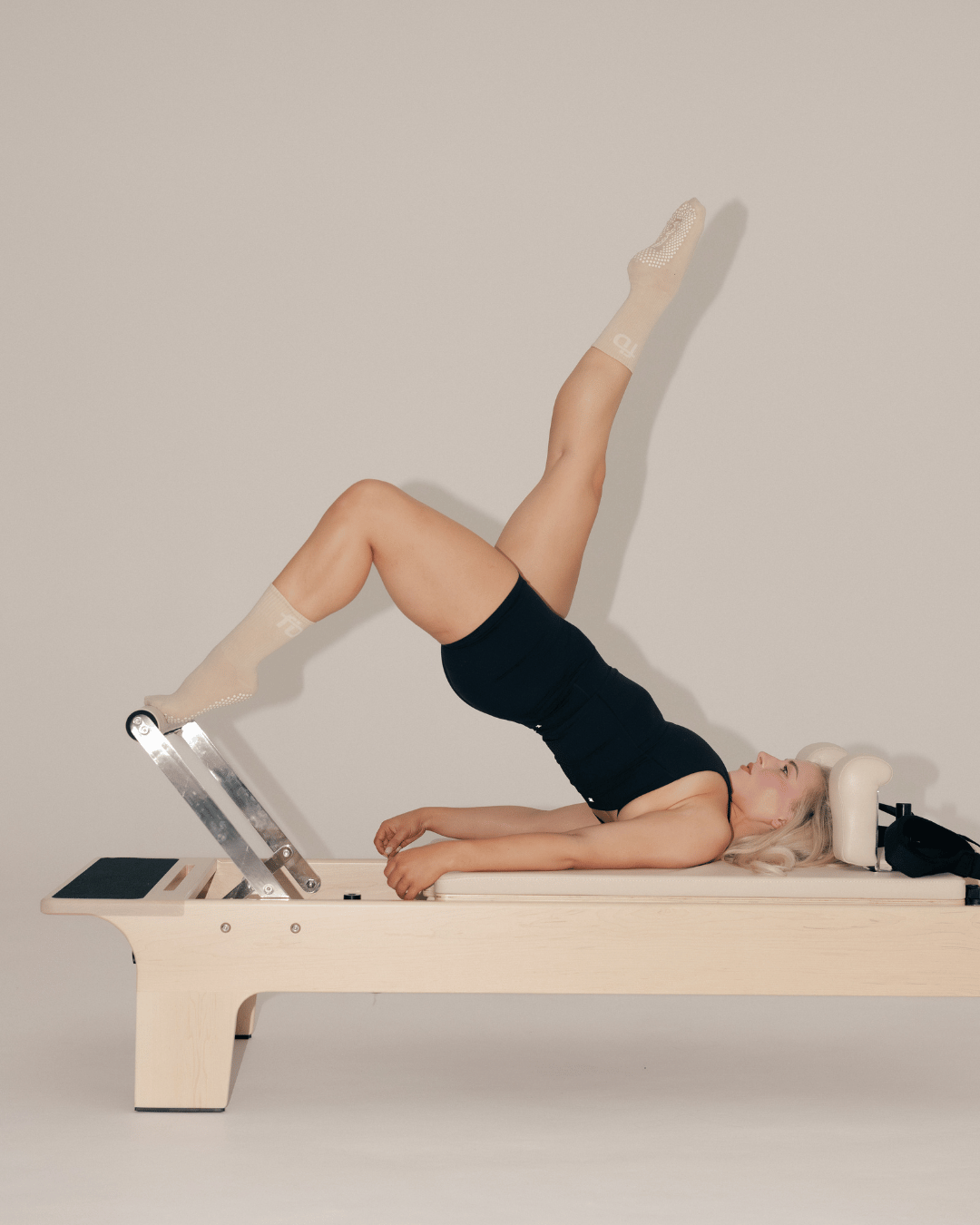
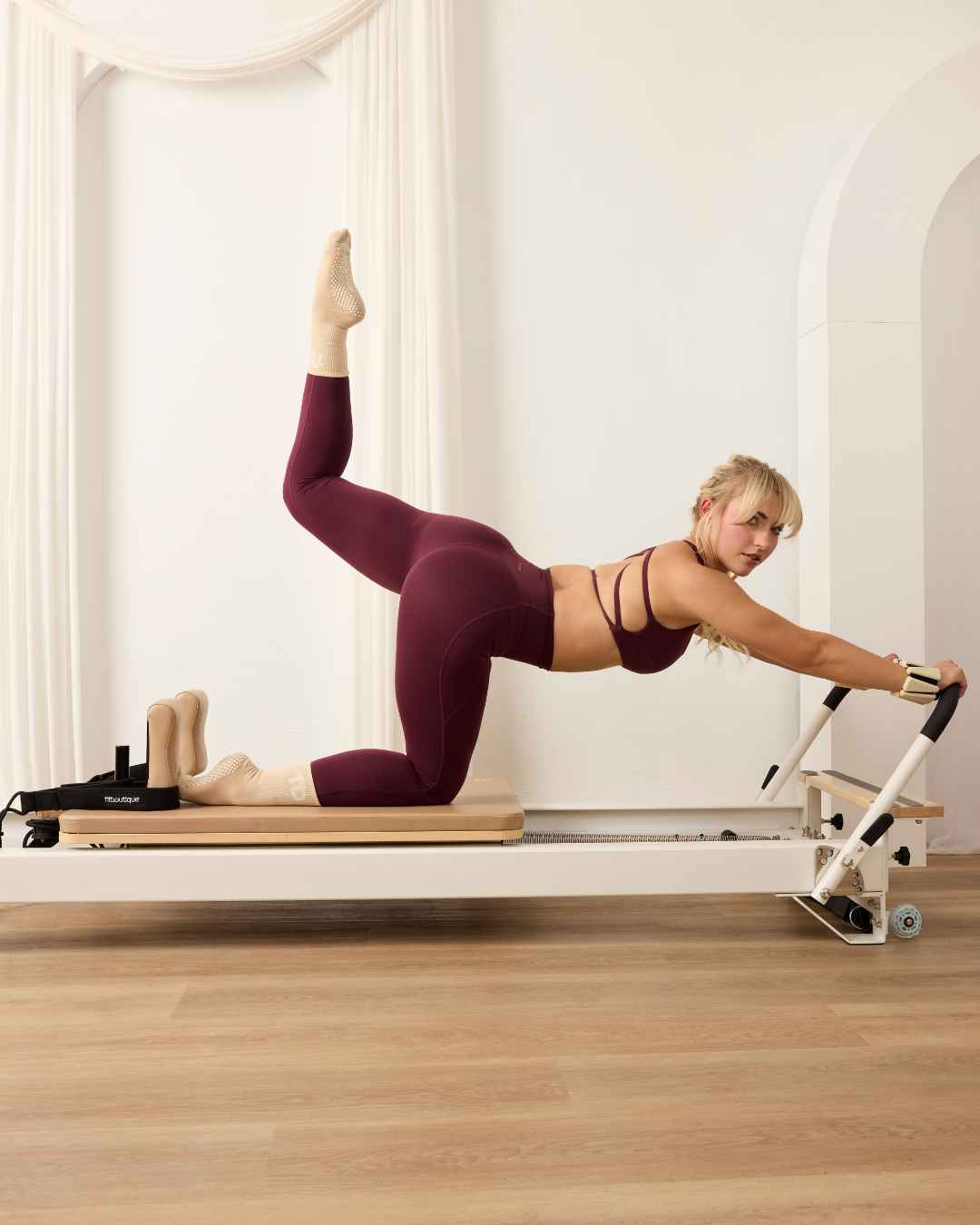
- Glute and hip work, unloaded. Bridging and side lying leg work. Your hips have carried a lot and they are usually ready before your core is.
- Twenty to 30 minutes, not 45. Two short sessions a week that leave you feeling better is a better starting point than one long session that takes 3 days to recover from.
Progress by adding range before you add load, and add load before you add speed. Speed comes last, and for a lot of people it does not need to come at all.

What to leave alone for now
Not forever. For now.
Anything that makes your abdomen dome or cone outward. That is the clearest visual signal that the load is more than your deep core can currently manage, and it applies to any exercise, not a specific list.
Full sit ups, roll ups and double leg lowers, until you have been cleared for them specifically. These are usually the last things to come back, not the first.
Jumpboard work and anything with impact, until your pelvic floor has been assessed and you have been told it is appropriate.
Heavy spring loads on anything that has you bracing and holding your breath. If you cannot breathe through it, it is too much for right now.
And planks, for most people, for longer than they expect. A plank is a large ask of a deep core that is still reconnecting.
Signs you have done too much
Your body is quite clear about this if you know what to look for.
Heaviness or dragging in your pelvis during or after a session. Leaking that was not happening before. A change in bleeding. Doming through your midline. Pain anywhere, but particularly low back or pelvic pain that arrives after training rather than before it.
None of these mean you have done damage. They mean the dose was wrong for today, so you reduce it and, if anything persists, you go back to your physiotherapist rather than pushing through it. Pushing through is a habit that serves people well in a lot of training contexts and serves them badly in this one.
Studio or home
Studio first if you can, at least for a handful of sessions, and specifically with an instructor who has postnatal training. Having someone watch your ribs and your midline while you move is worth a great deal at this stage.
Home is where the consistency actually happens, and consistency is the whole game here. The honest problem with a postnatal studio routine is not the training, it is the logistics. A class at a fixed time, a drive, and a baby who did not read the timetable. Most people I know who intended 3 sessions a week managed 1.
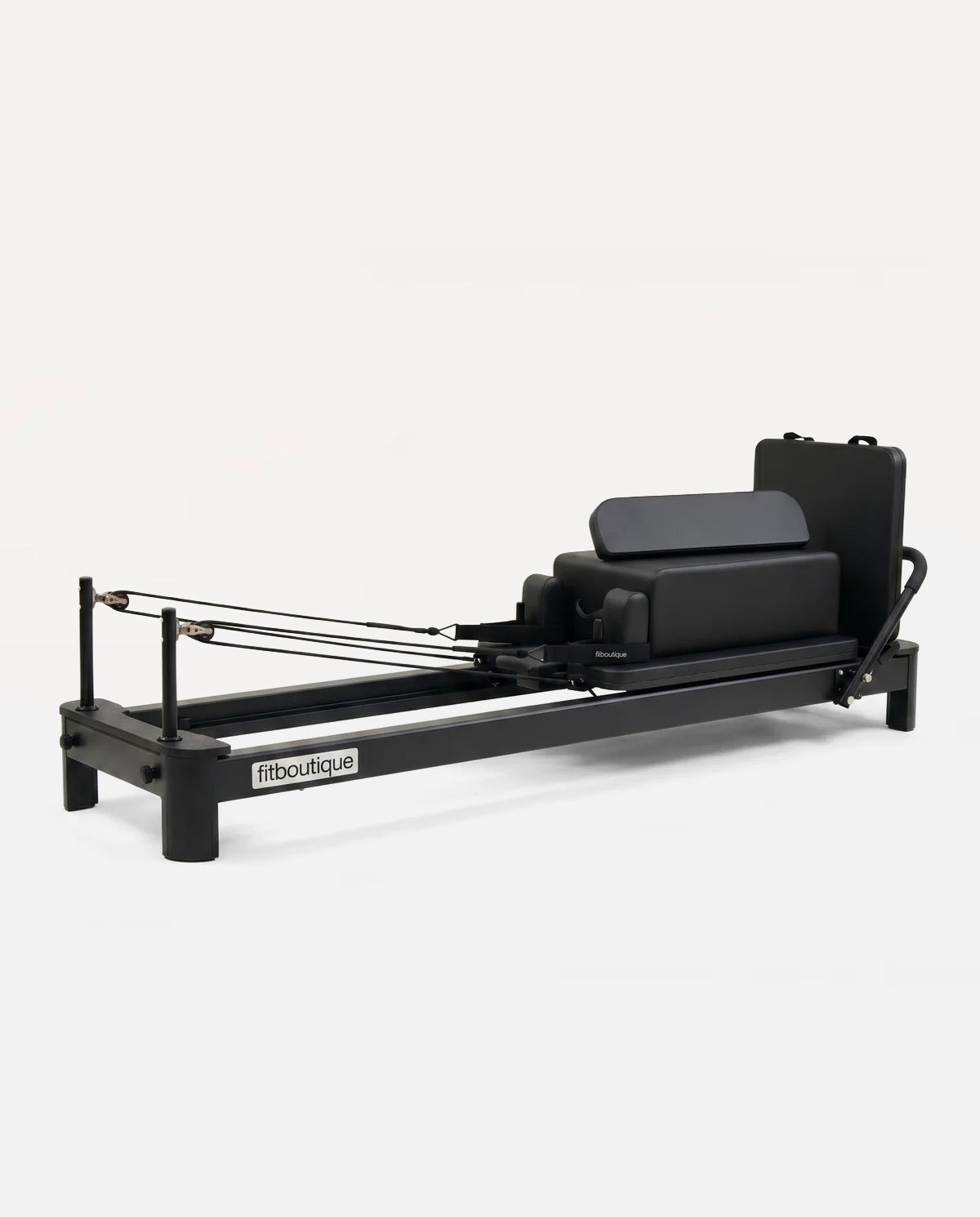
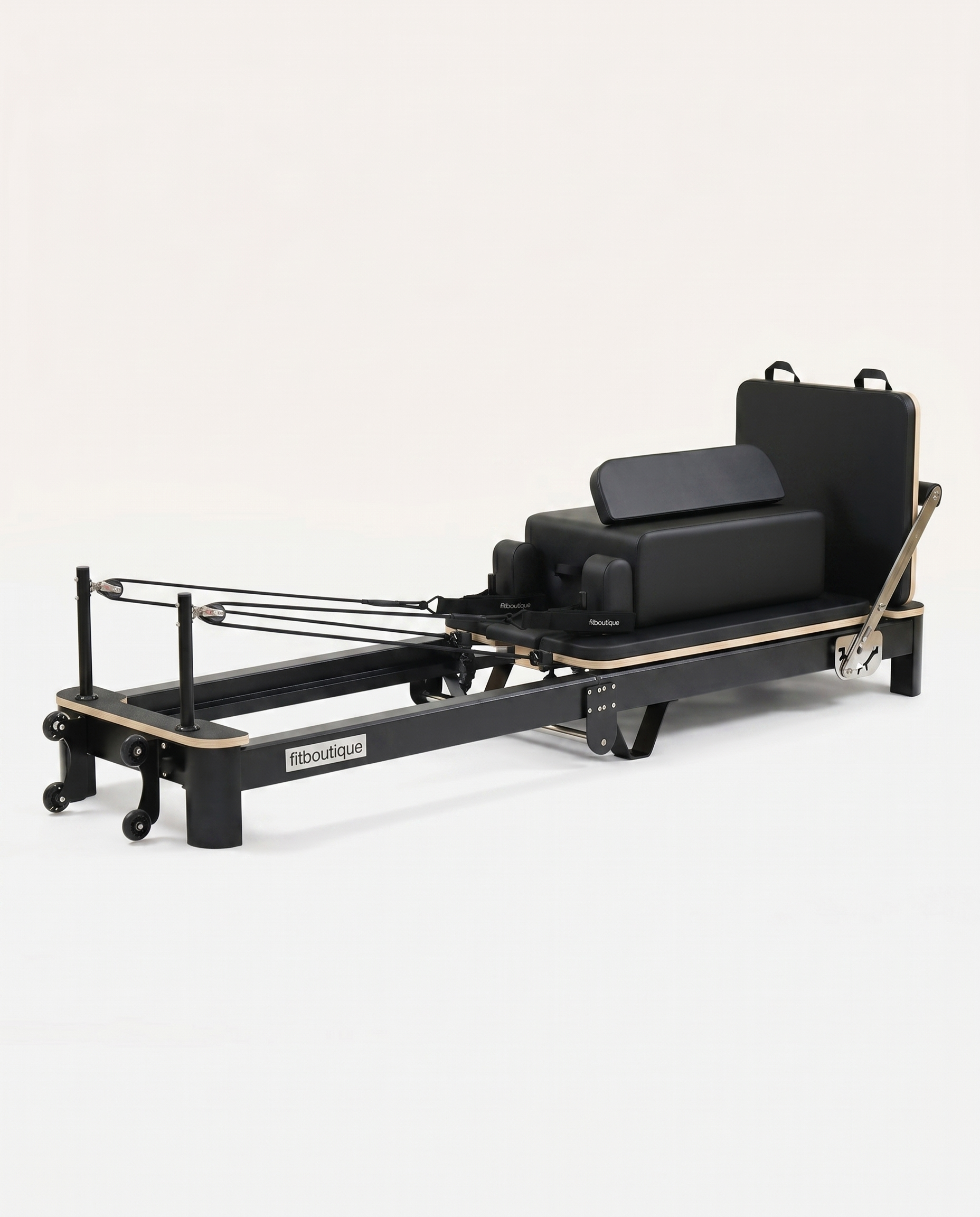
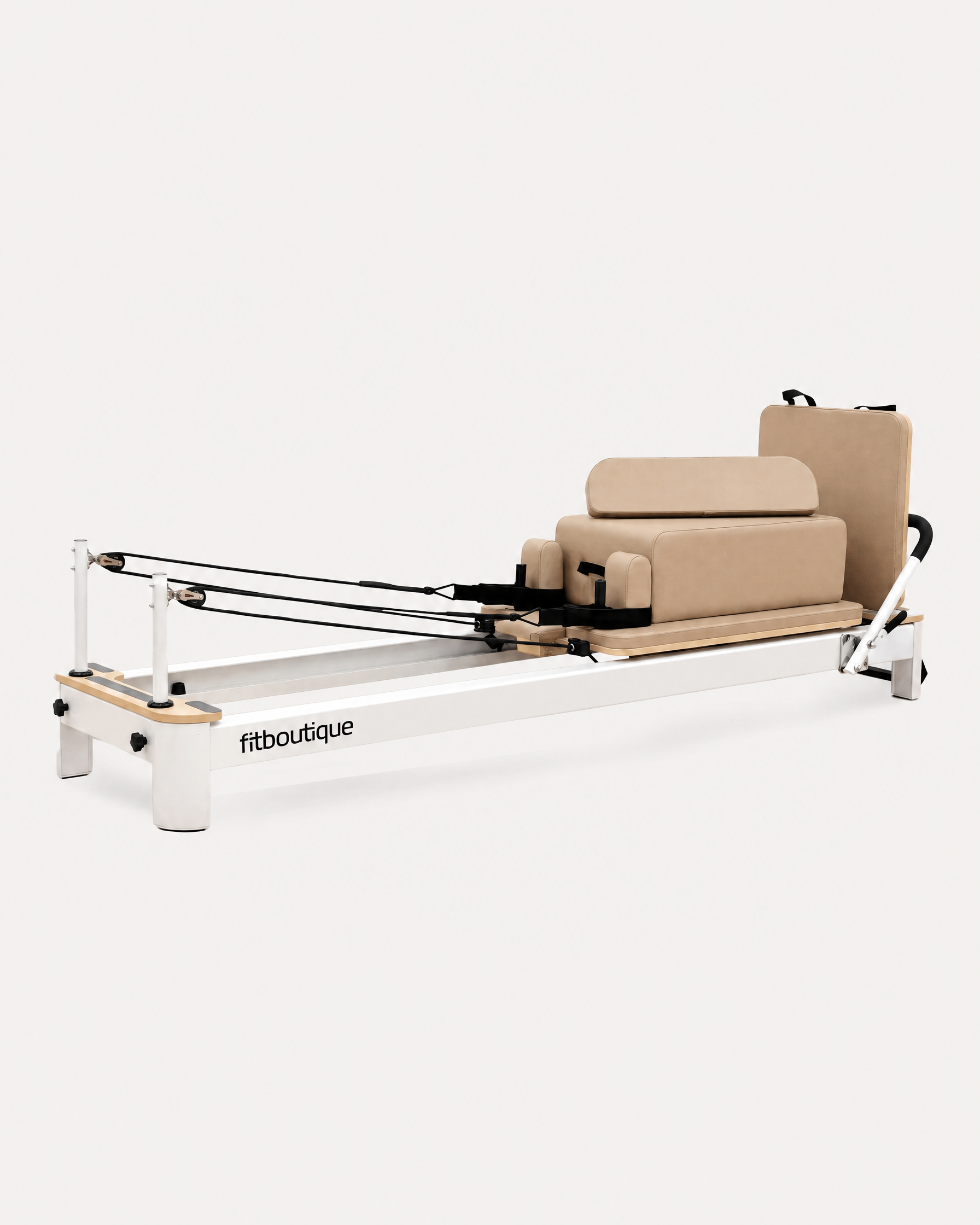
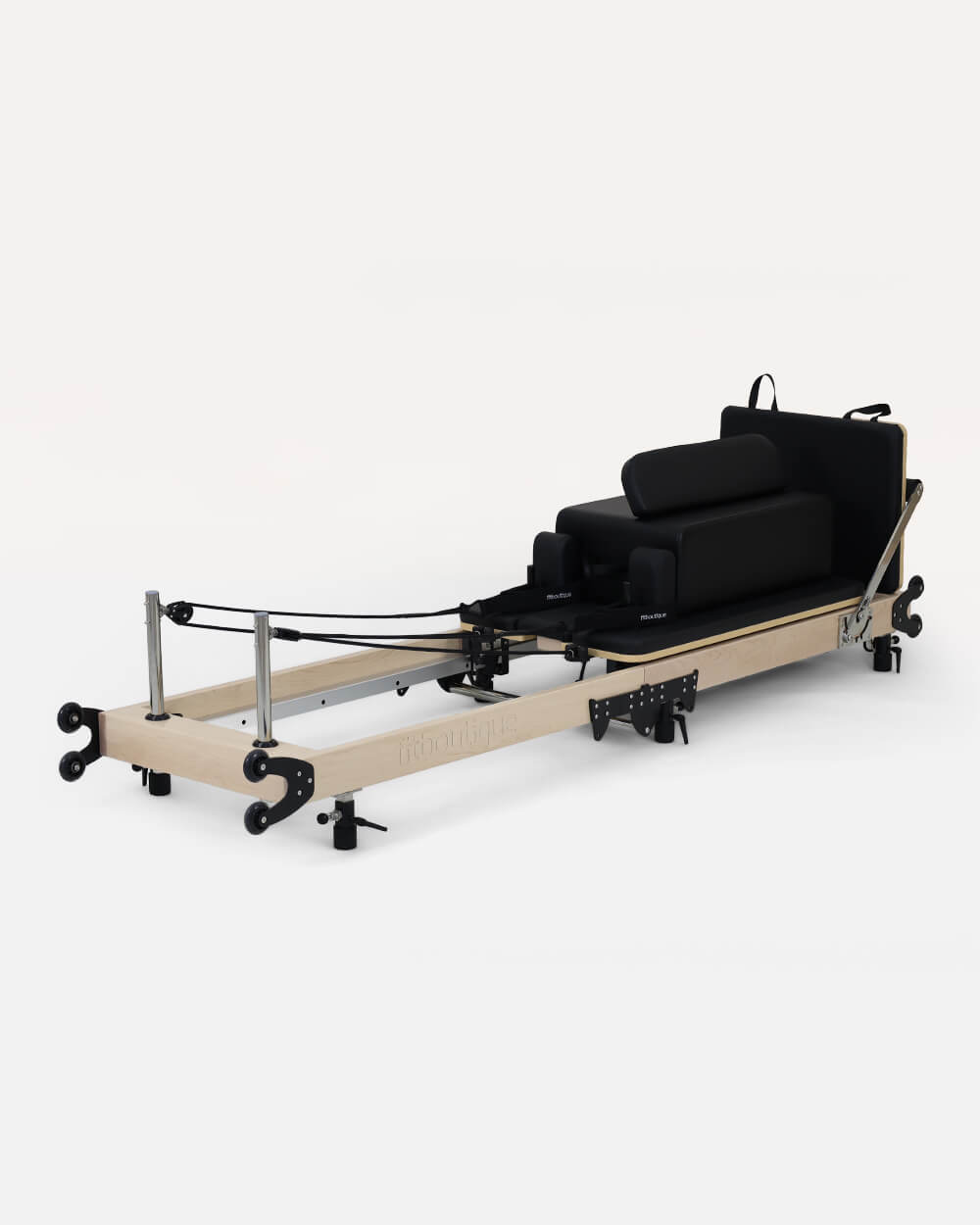
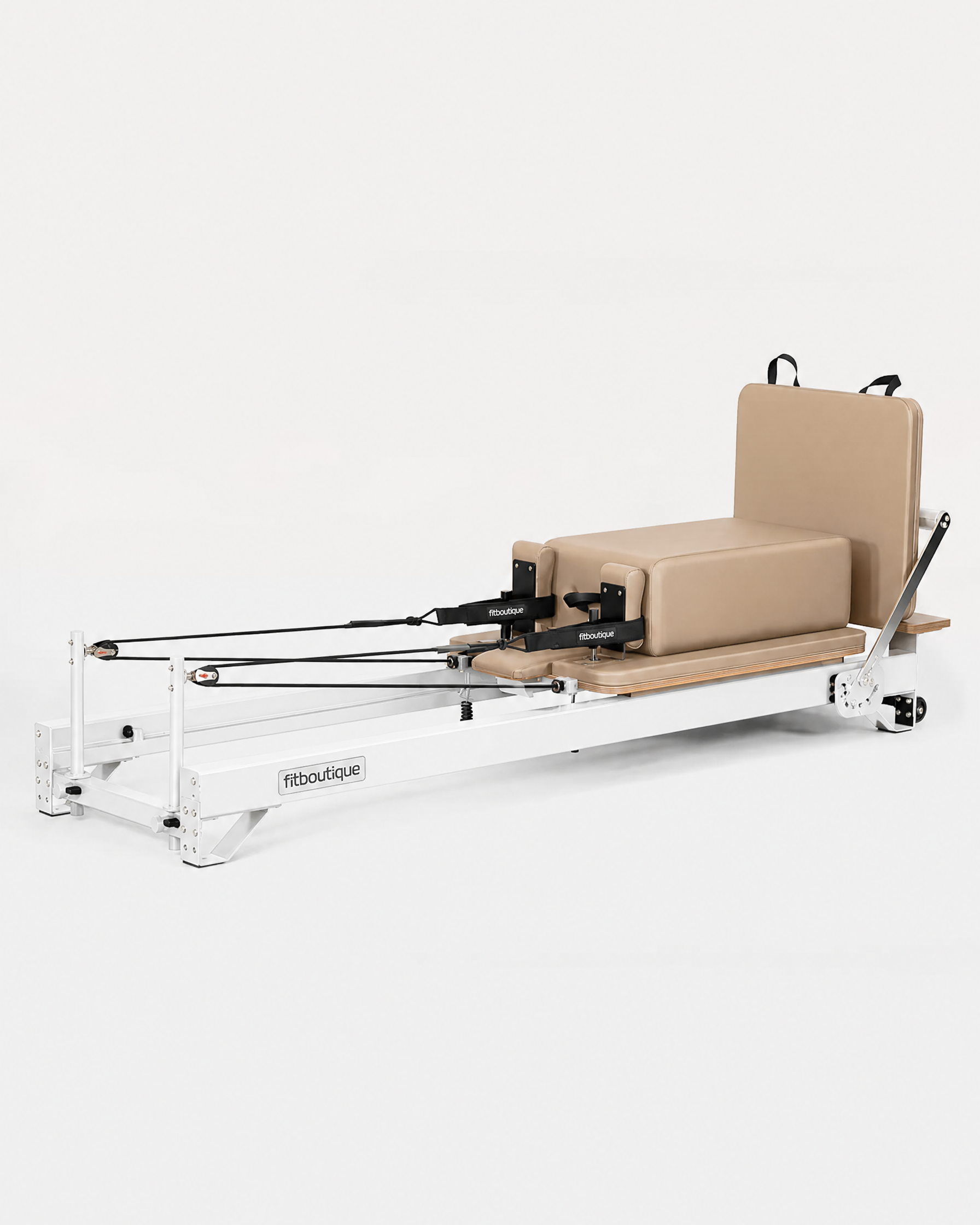
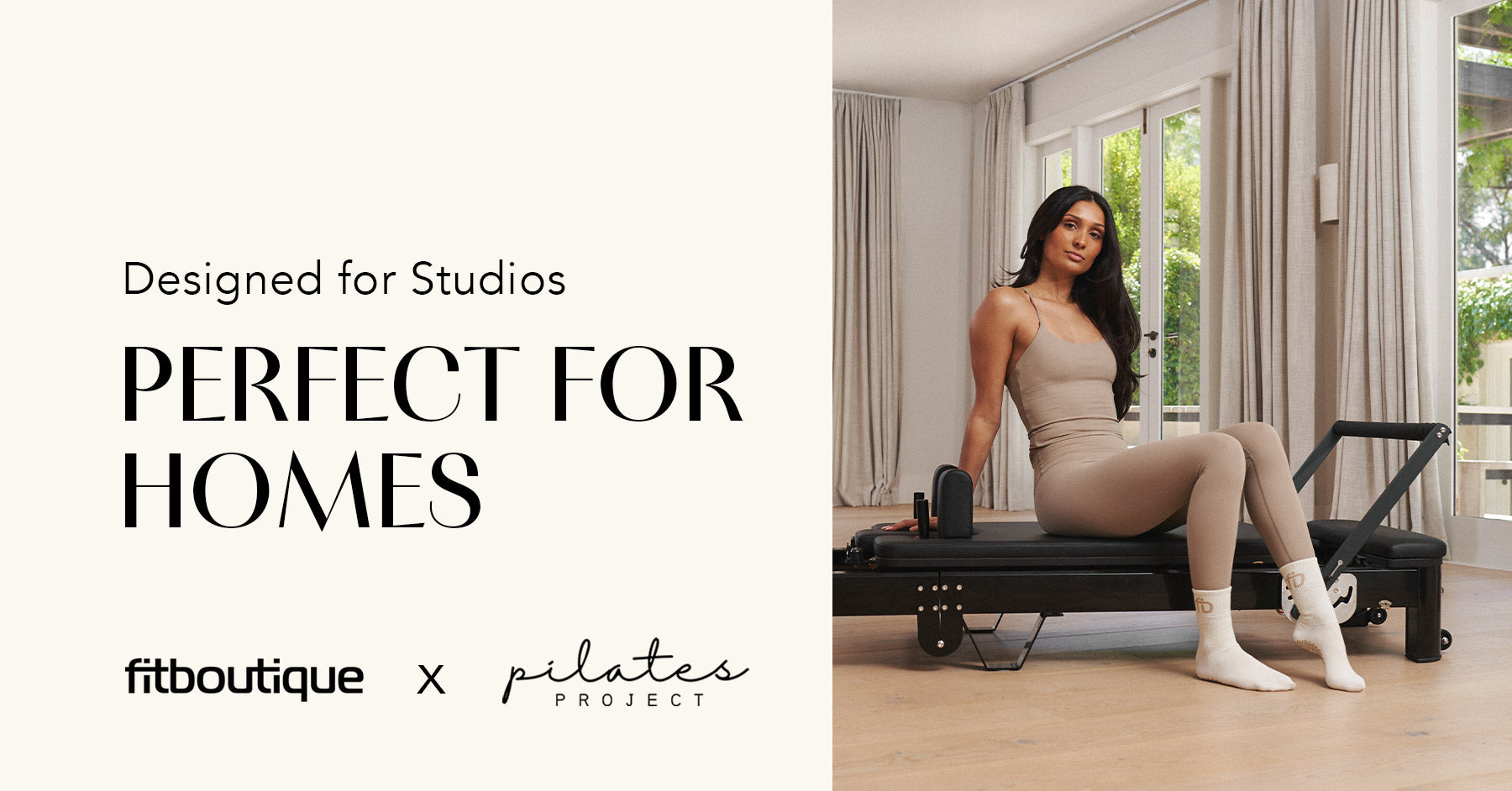
A machine at home removes all of that. You train in the 30 minutes that exist, not the 30 minutes the timetable offers. If the room has another job during the day, a folding model like the Onyx Fold Reformer gives the floor space back between sessions. If you have a room that can stay set up, the Maple Crest Reformer is the nicer machine to live with.
I compared the whole range against room size and budget in which reformer fits your space and budget. If you want help choosing, get in touch and I will give you a straight answer.
A Note From Ayrah
The advice that helped most was not about exercise at all. It was someone telling me to stop measuring this stage against the training I did before.
I spent my first 2 months comparing every session to what I used to be able to do, and every session lost. It made a period that was already hard feel like failure, which it was not.
What changed it was picking a different measure. Not springs, not repetitions. Whether I felt better at the end of the session than at the start. Some days that meant 30 minutes. Some days it meant lying on the carriage breathing for 10 minutes and getting up again.
The strength came back. It came back later than I wanted and faster than I feared, and the part that made it possible was that I had not hurt myself trying to get it back in week 7.
Frequently Asked Questions
When can I start postpartum reformer Pilates?
There is no single date. Returning to structured exercise is normally discussed at your postnatal check around 6 weeks, and clearance depends on your birth, your recovery, your pelvic floor and any ongoing symptoms. Before then, breathing work and gentle walking are usually appropriate and are genuinely valuable. Get clearance from your doctor or a women's health physiotherapist rather than working from a timeline online.
Is reformer Pilates good after having a baby?
It suits this stage well, because the springs can support a movement rather than only resist it, the machine gives your body a supported frame to work in, and the method is built on control rather than impact. It is not a fast route back to a previous body, and treating it as one is how people end up with symptoms.
What should I get checked before starting?
Your pelvic floor and any abdominal separation, both assessed by a women's health physiotherapist rather than self assessed. One appointment will tell you more about what your first 3 months should look like than any article can.
What should my first sessions include?
Breathing connected to your deep core, slow footwork on light springs, supported arm work through the straps, and unloaded glute and hip work. Twenty to 30 minutes, twice a week, is a better starting point than one long session. Add range before load, and load before speed.
What exercises should I avoid?
For now, anything that makes your abdomen dome outward, full sit ups and roll ups, double leg lowers, jumpboard and impact work, heavy springs that have you holding your breath, and planks. These come back later, in that rough order, once you have been cleared for them.
How do I know if I have done too much?
Heaviness or dragging in the pelvis, leaking that was not happening before, a change in bleeding, doming through the midline, or pain that arrives after a session. None of it means damage, it means the dose was wrong. Reduce it, and if anything persists, go back to your physiotherapist rather than pushing through.
Should I train at a studio or at home?
A handful of studio sessions with a postnatally trained instructor is worth a lot early on, because someone watching your midline while you move catches things you cannot. Home is where the consistency happens, since you can train in the 30 minutes that exist rather than the ones on a timetable.
Is it too late if my baby is not a baby anymore?
No. People start reformer Pilates 6 months, 2 years and 10 years after birth and do very well. There is no window you have missed.
Train In The Time You Actually Have
Every FitBoutique reformer arrives assembled with 6 German made springs, a jumpboard and box included, free delivery Australia wide and a 5 year warranty.
Compare Every ReformerWritten by Marie Lu
I'm part of the FitBoutique team and have a solid passion (and love) for all things exercise related, including Reformer Pilates


















Leave a comment