





Perimenopause Changed My Body. Here's Why I Turned to Reformer Pilates.
Perimenopause arrived without an invitation and rearranged the furniture. The training that used to work left me wrecked and inflamed, my sleep went sideways, and my body felt like it belonged to someone else. I needed something that worked with this stage rather than against it, and reformer Pilates turned out to be it. This is my honest experience, and one thing up front: it's general information and personal experience, not medical advice, so please make decisions about your health with your GP or a qualified professional.
In this article
Is reformer Pilates good during perimenopause and menopause?
For a lot of women it's a brilliant fit for this stage, which is why it comes up so often in midlife wellness conversations. It's low-impact yet genuinely strengthening, it supports core and pelvic floor work, it's kind to joints that have become more sensitive, and it has a calming quality that suits frazzled nervous systems. It's not a treatment and it won't fix everything, but as a sustainable way to move that meets a changing body where it is, it's hard to beat. As always, what's right for you is a conversation for your health professional.

What changed, and why I needed something different
The honest version: high-impact, high-intensity training started to cost me more than it gave. Recovery took longer, niggles lingered, and pushing harder, my old default, just made everything worse. At the same time, doing nothing wasn't an option, because strength and mobility matter more than ever at this stage. I needed a middle path: something challenging enough to keep me strong, gentle enough to recover from, and calming rather than depleting. That's a narrow brief, and the reformer quietly ticked every box.
Why low-impact and strength matter now
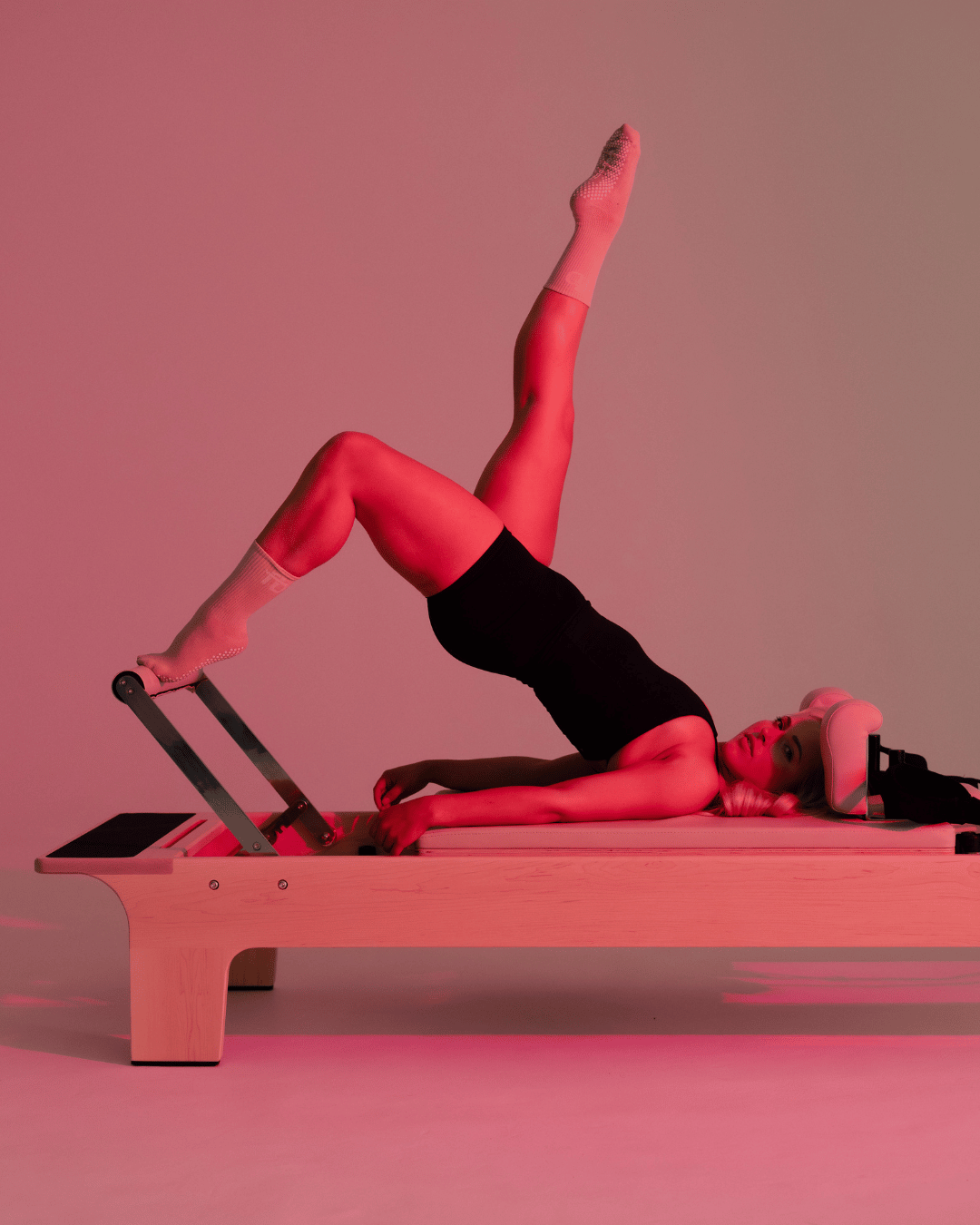
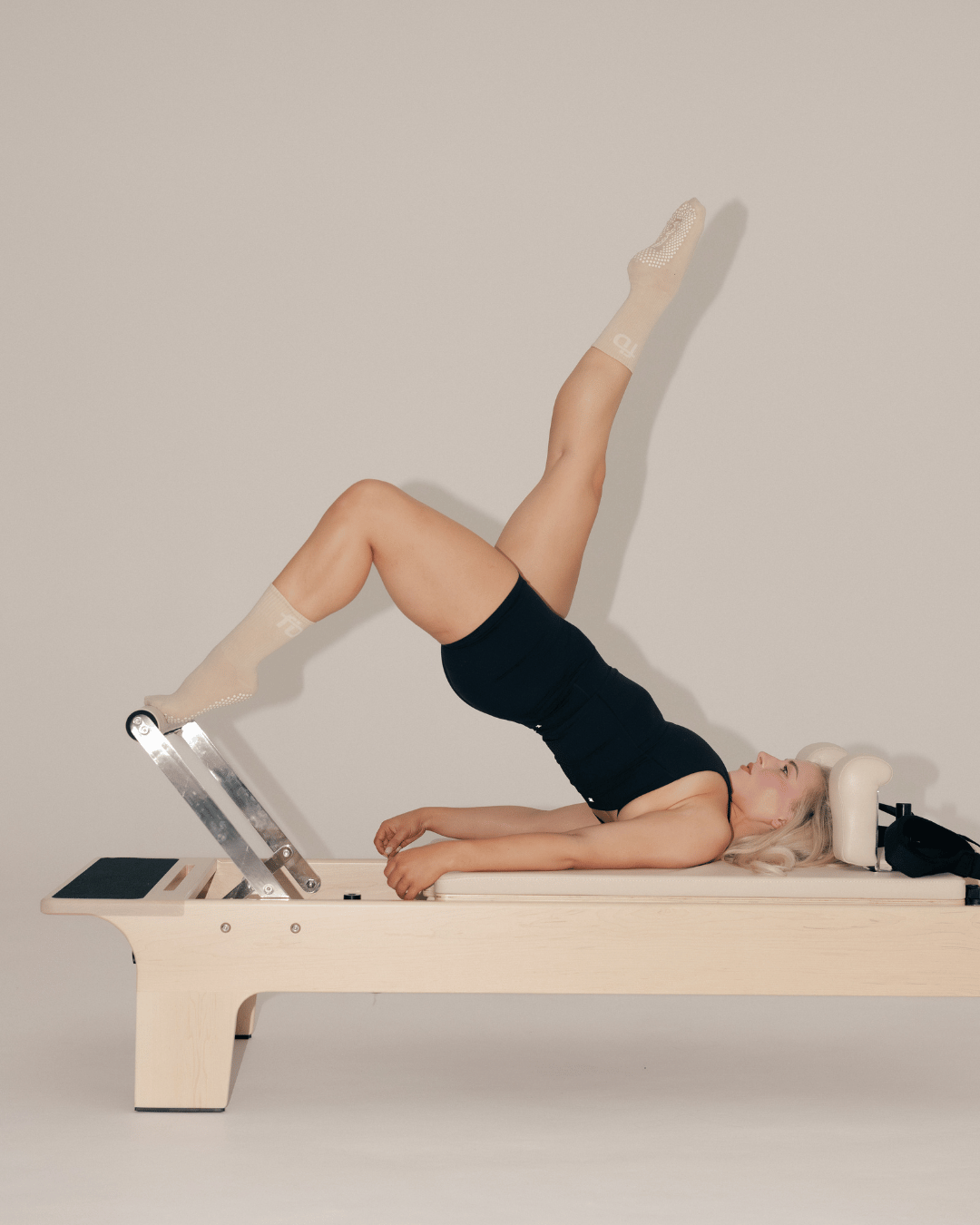
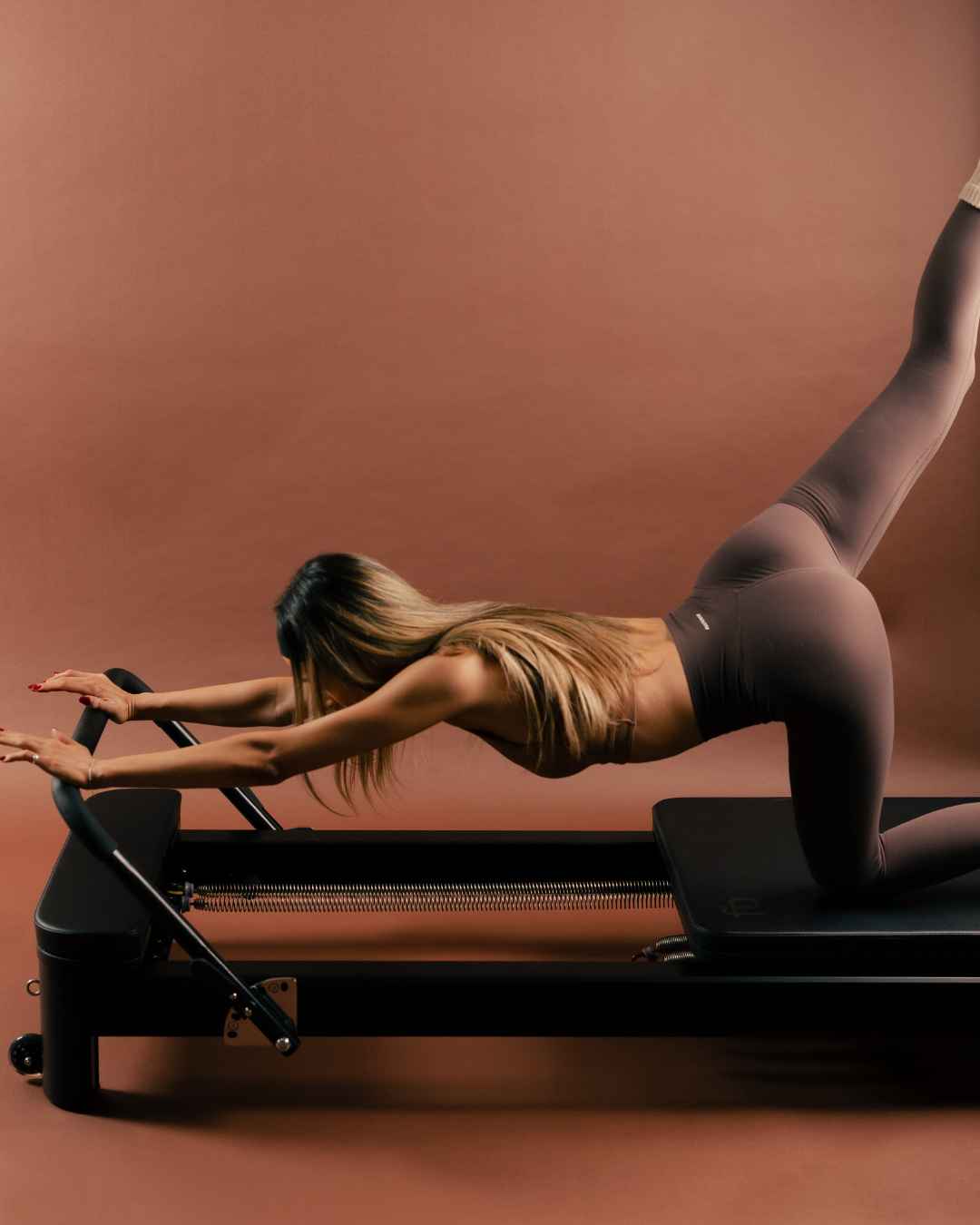
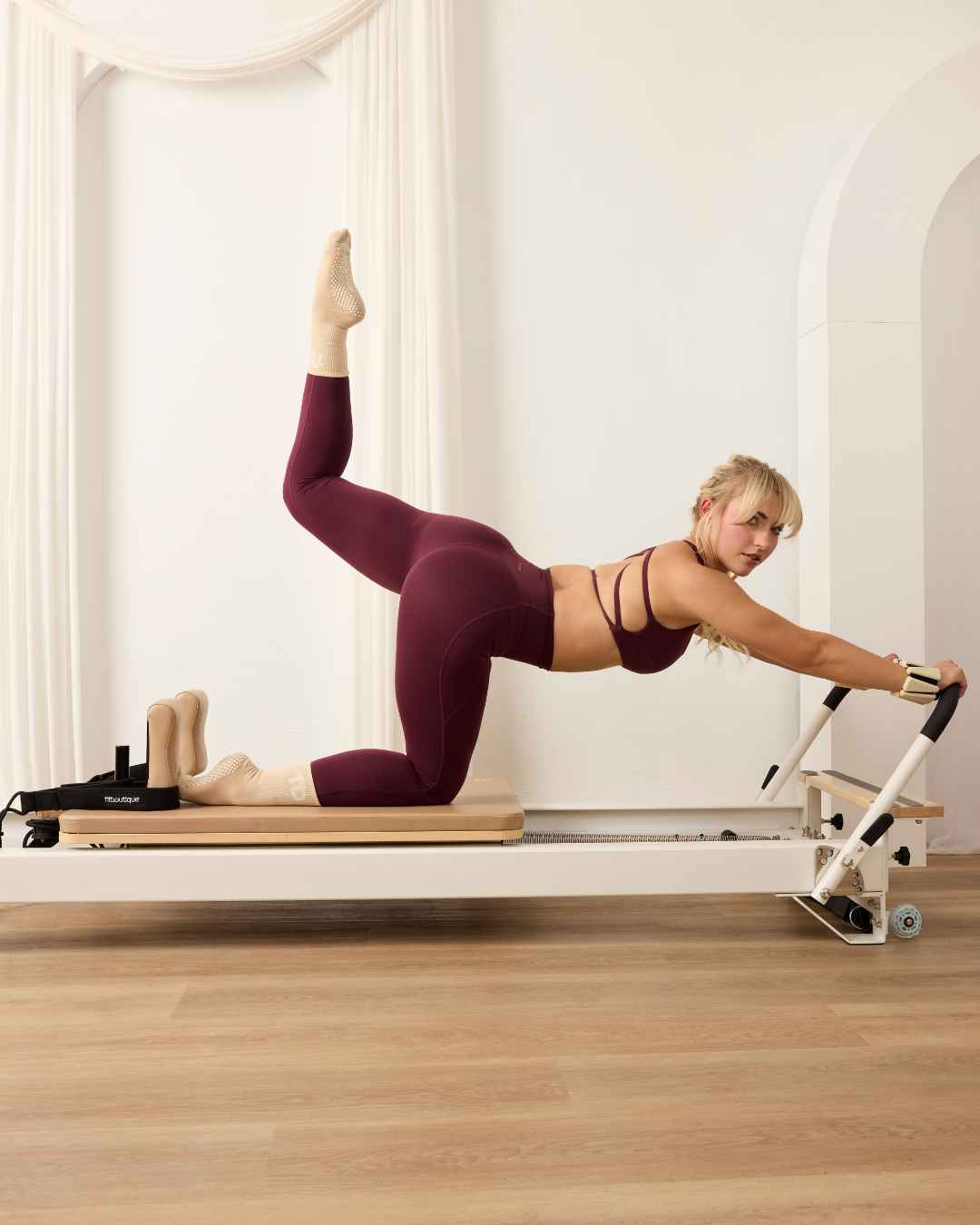
This is the practical heart of it. As oestrogen shifts, looking after muscle, bone and joints becomes a genuine priority, and resistance-based movement is one of the most recommended ways to support that. The reformer delivers real, scalable resistance through the springs, so I'm building and maintaining strength, without the jarring impact that my joints no longer thank me for. Low-impact and strengthening at the same time is exactly the combination this stage calls for, and very few types of training offer both.
The stress and sleep side of it
The bit I didn't expect to value so much. The slow, controlled, breath-led nature of reformer work is genuinely down-regulating, it leaves me calmer rather than wired, which matters enormously when your nervous system and sleep are already under pressure. On the days I couldn't face anything intense, a gentle reformer session still left me feeling better, more capable, more myself. That reliability, always leaving you better than it found you, is rare and precious in midlife.

Doing it on my terms at home
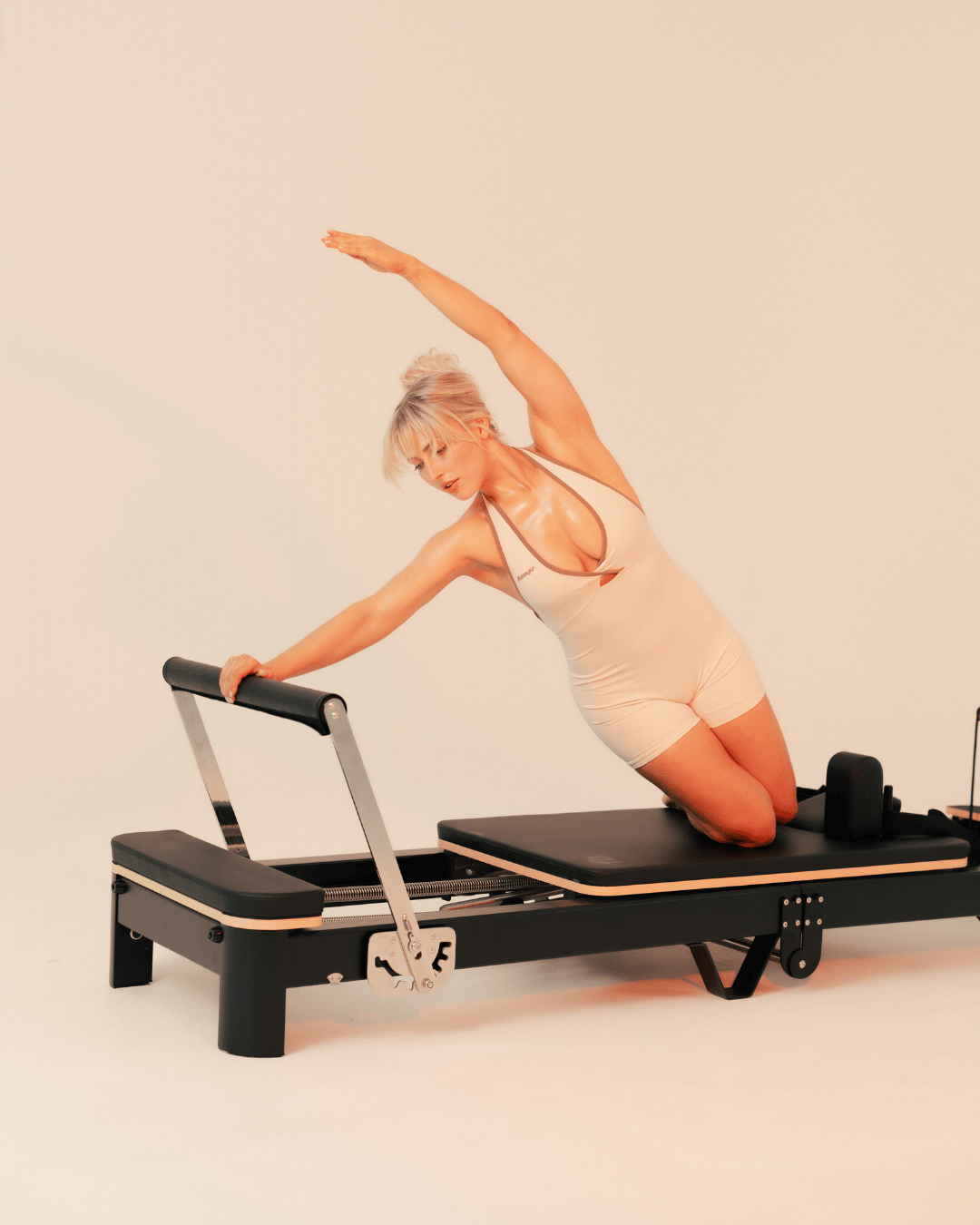
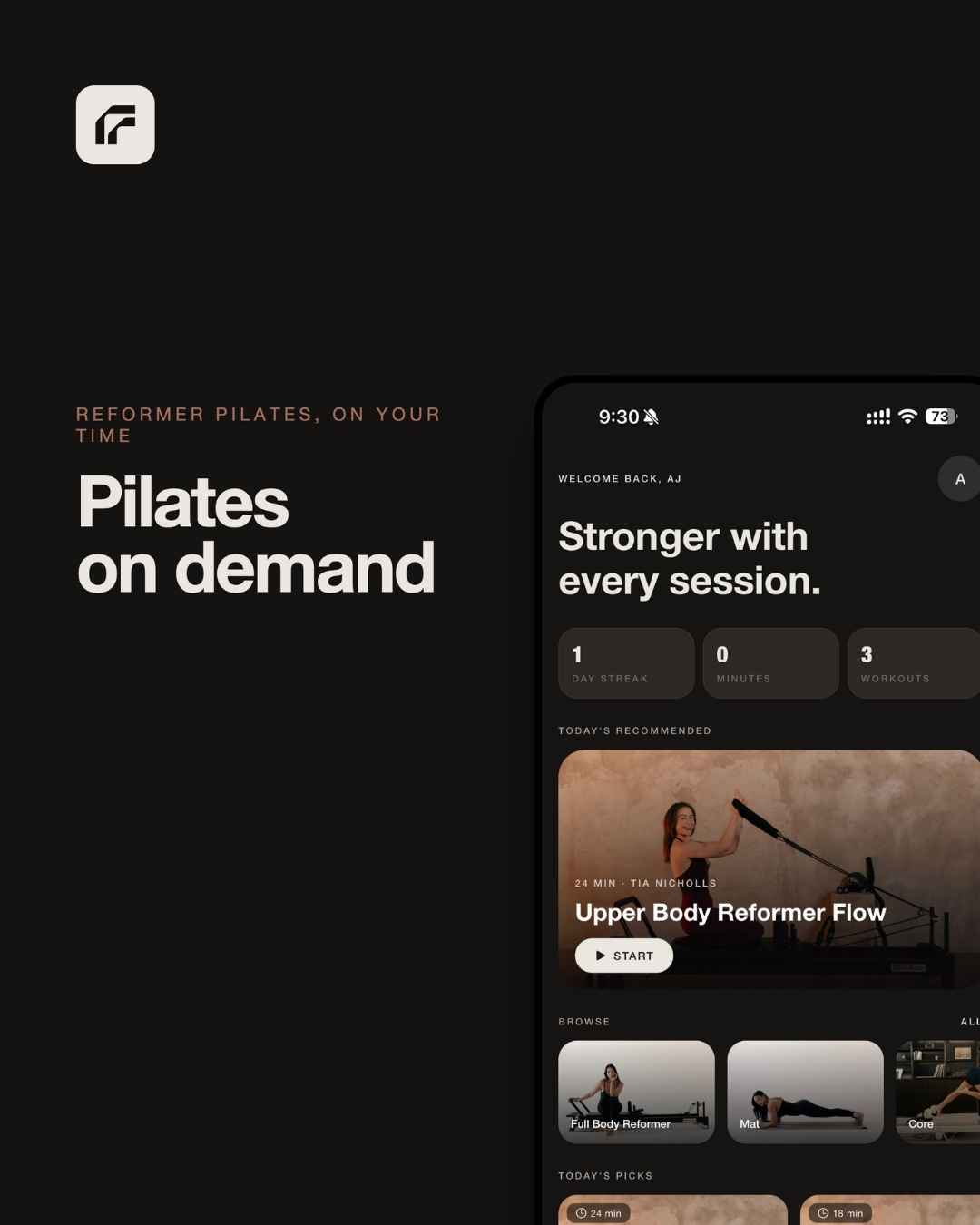
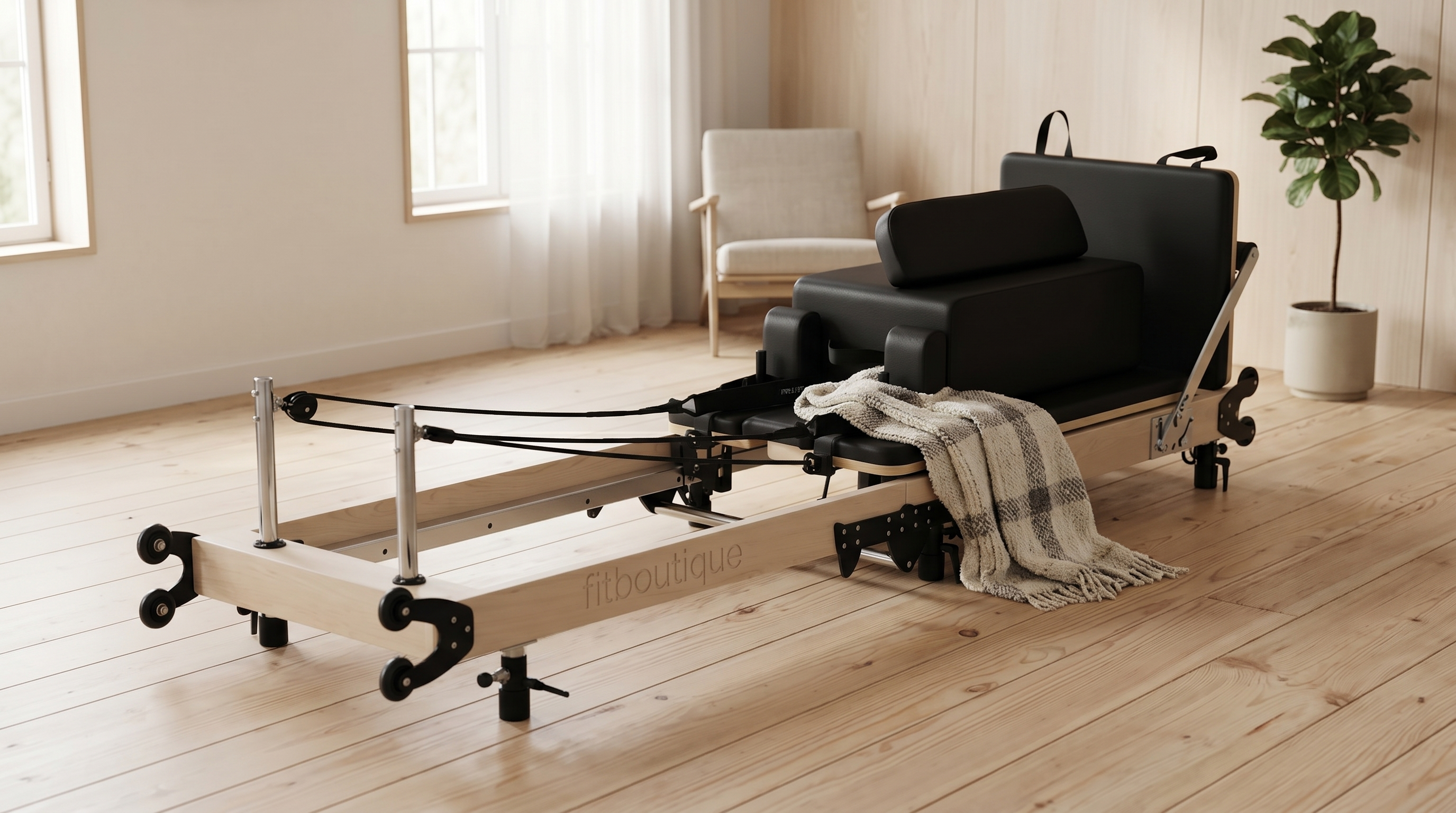
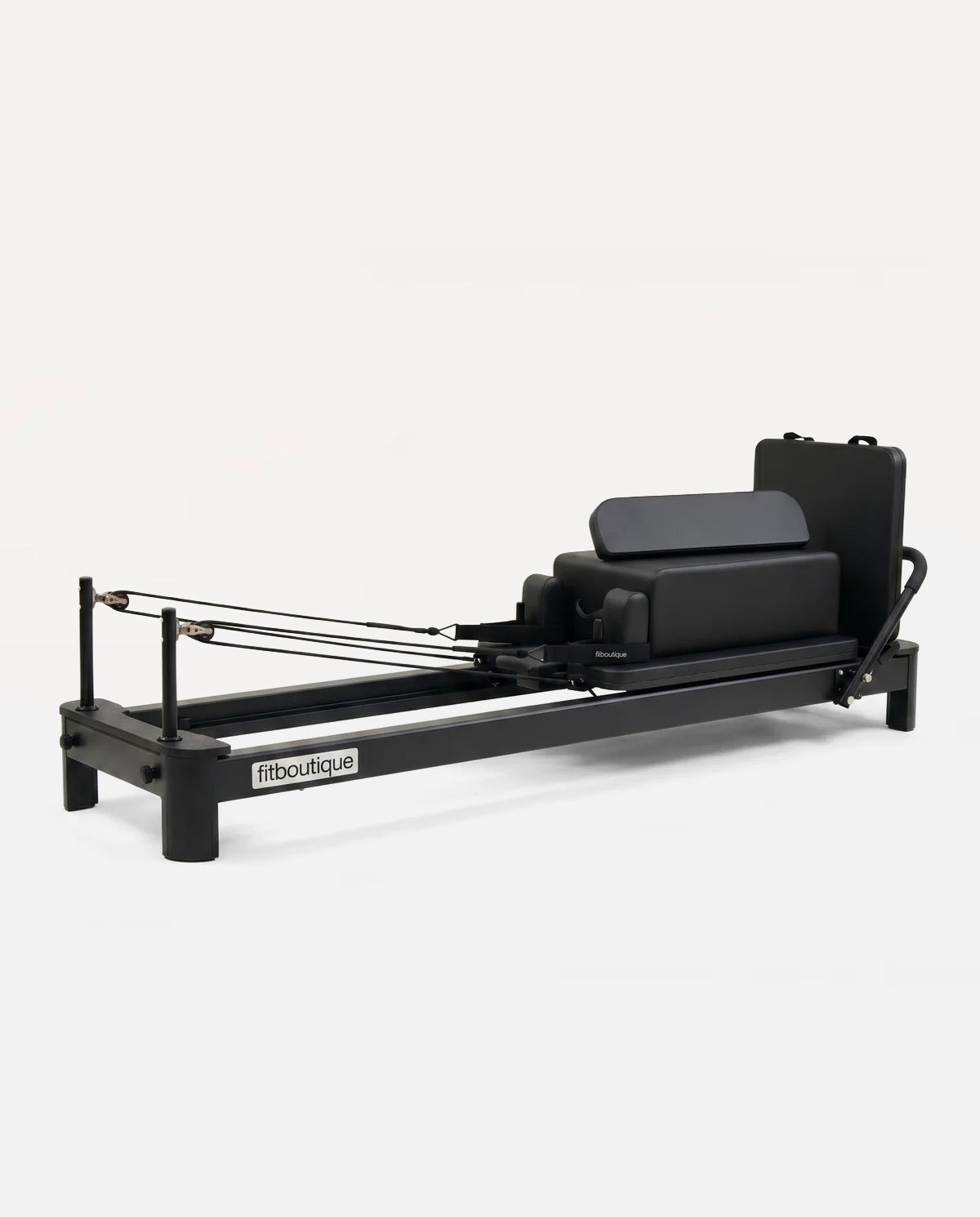
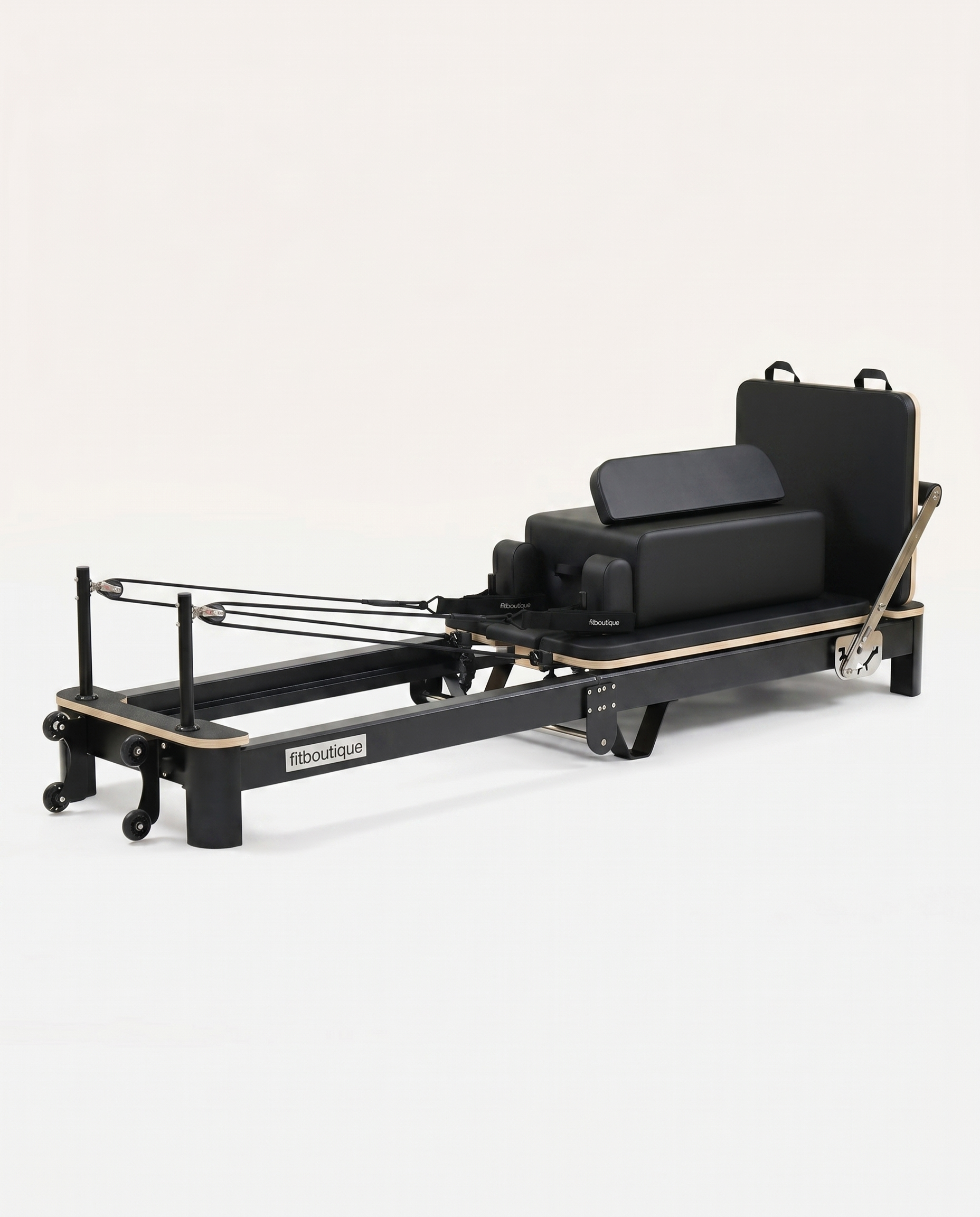
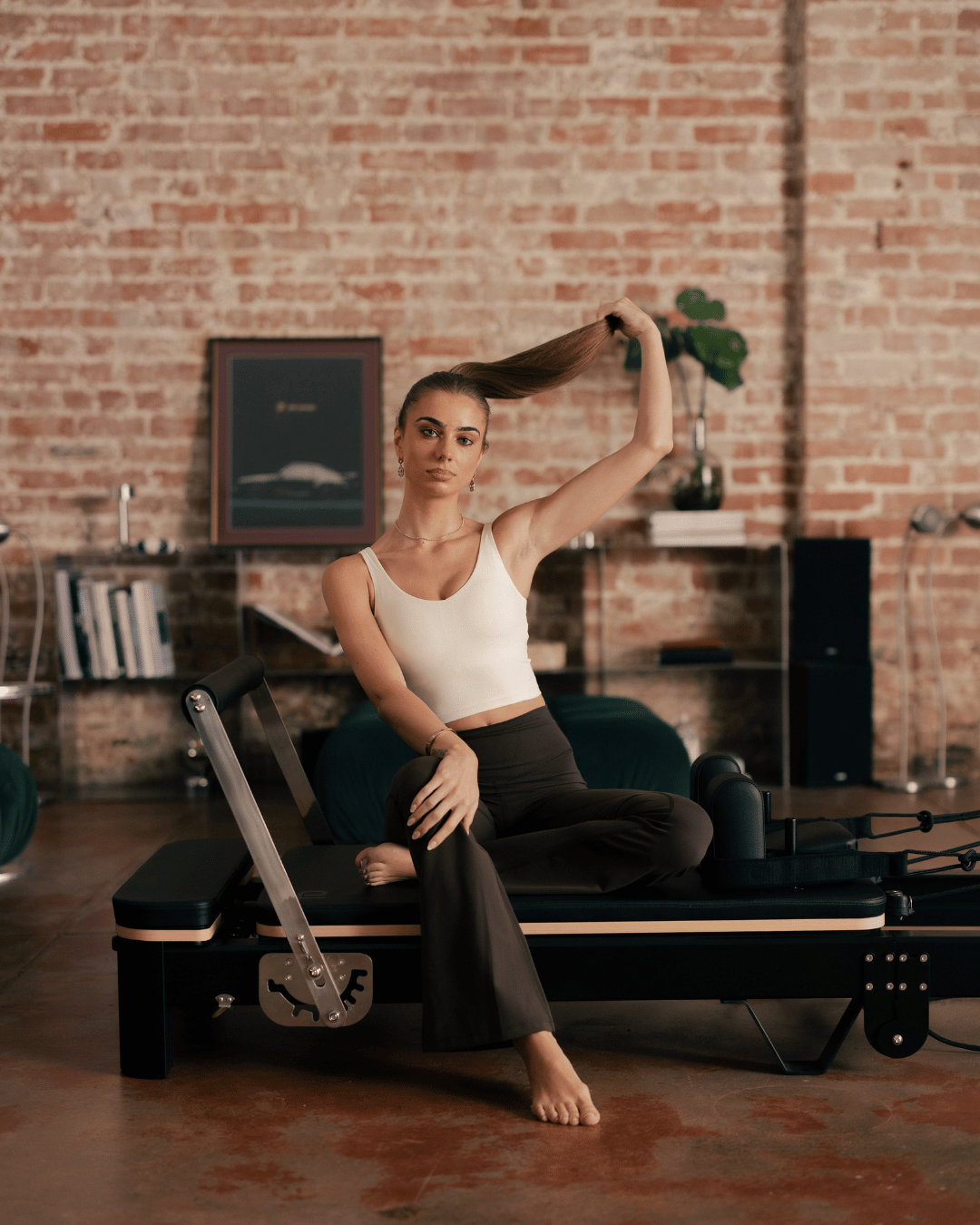
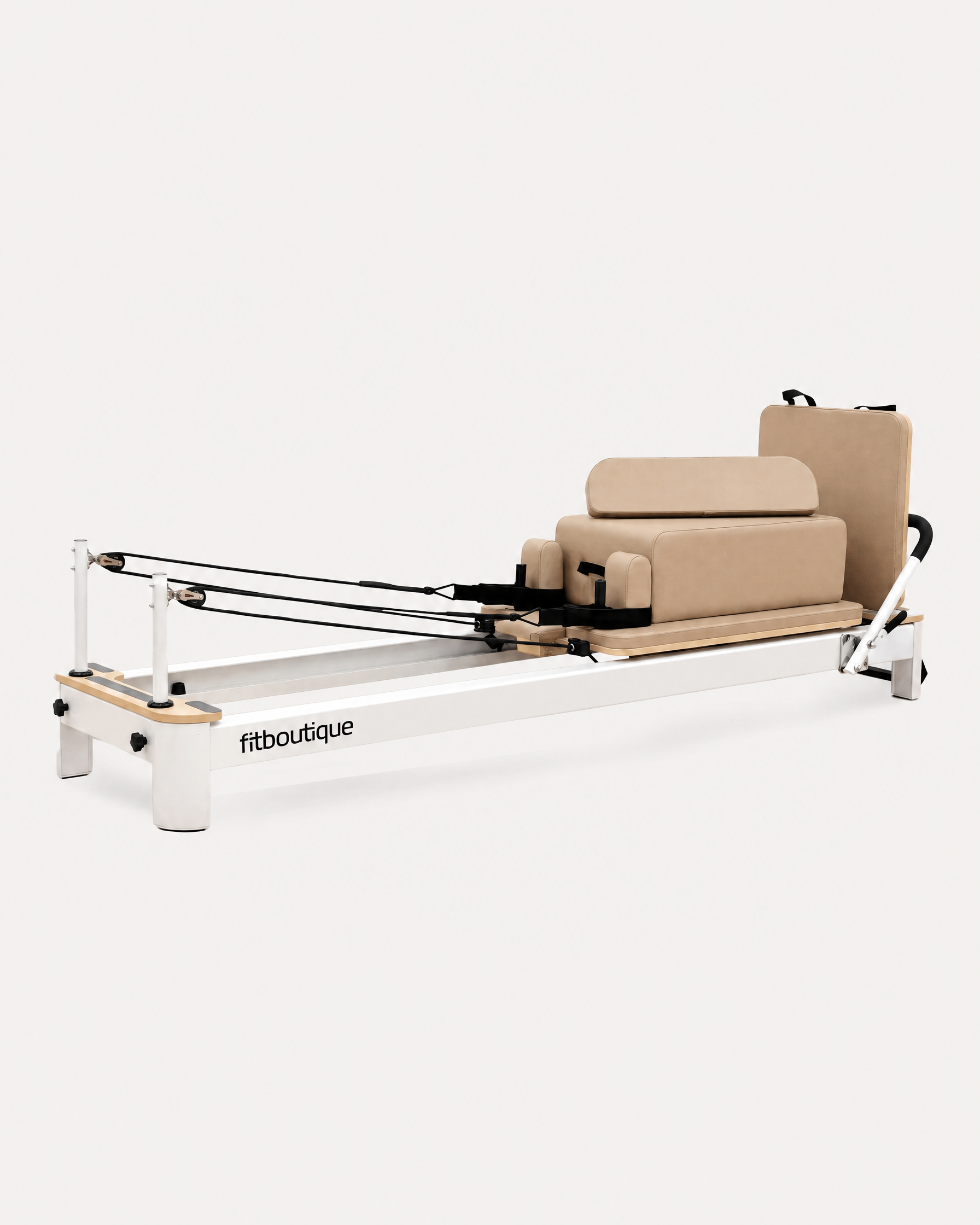
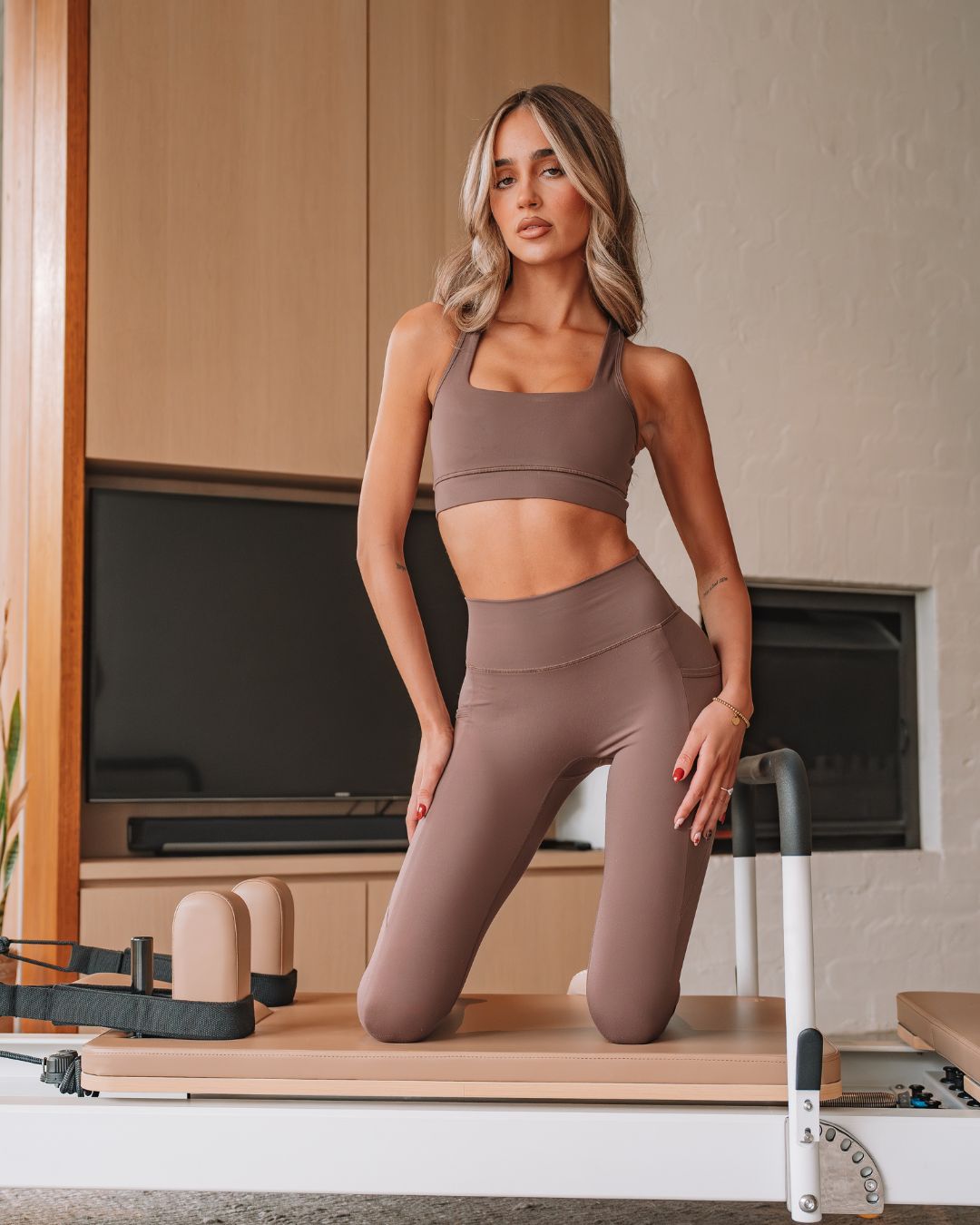
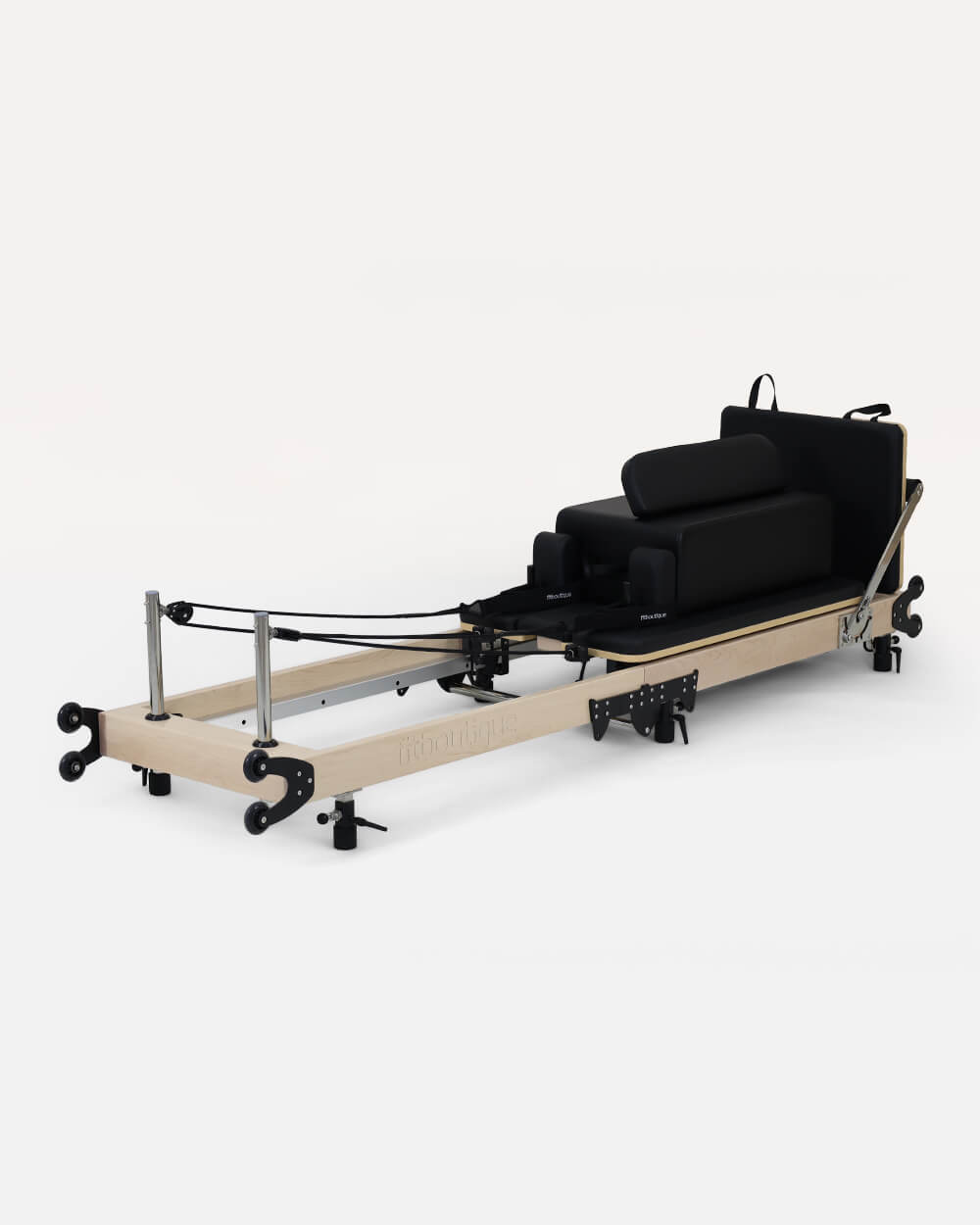
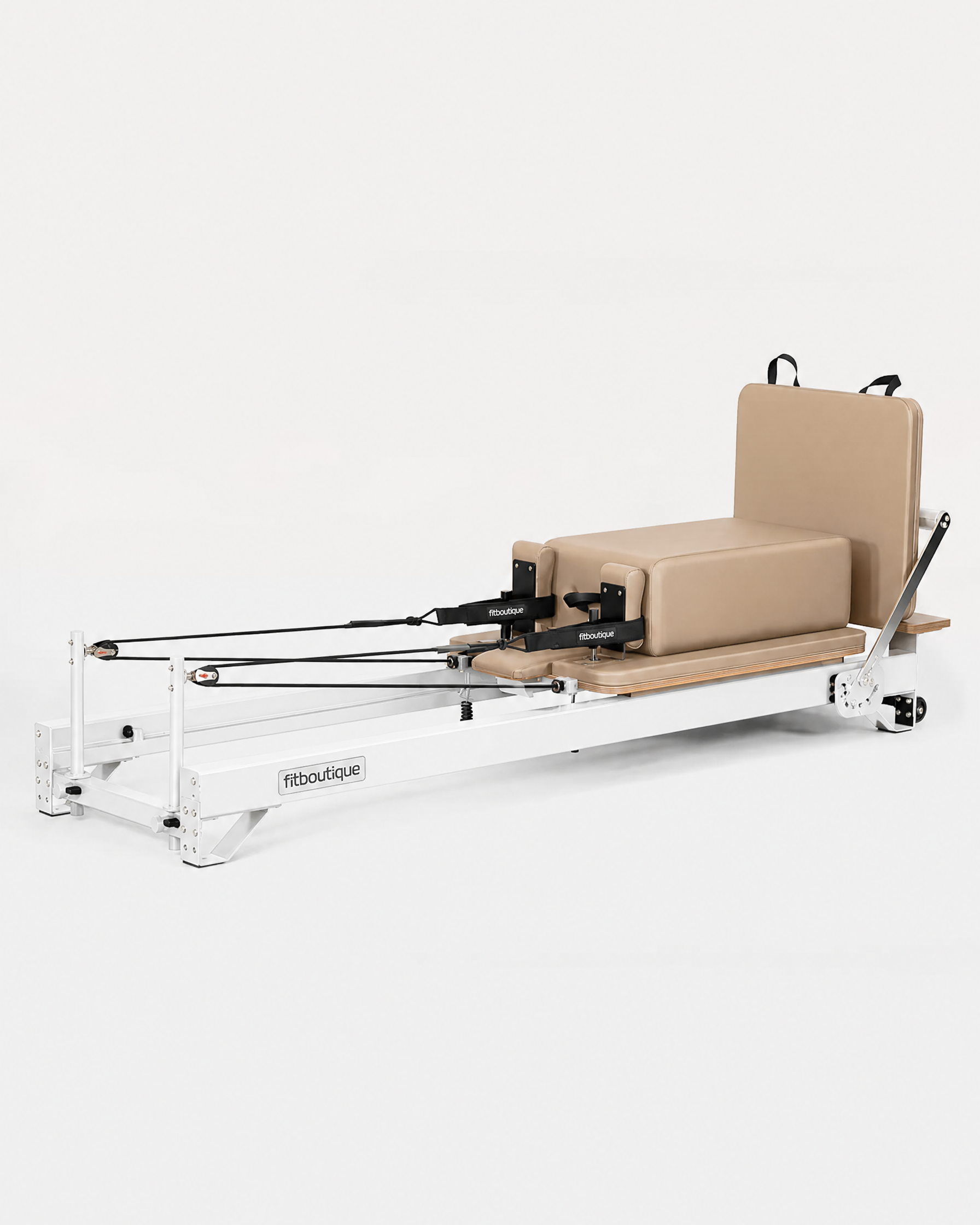
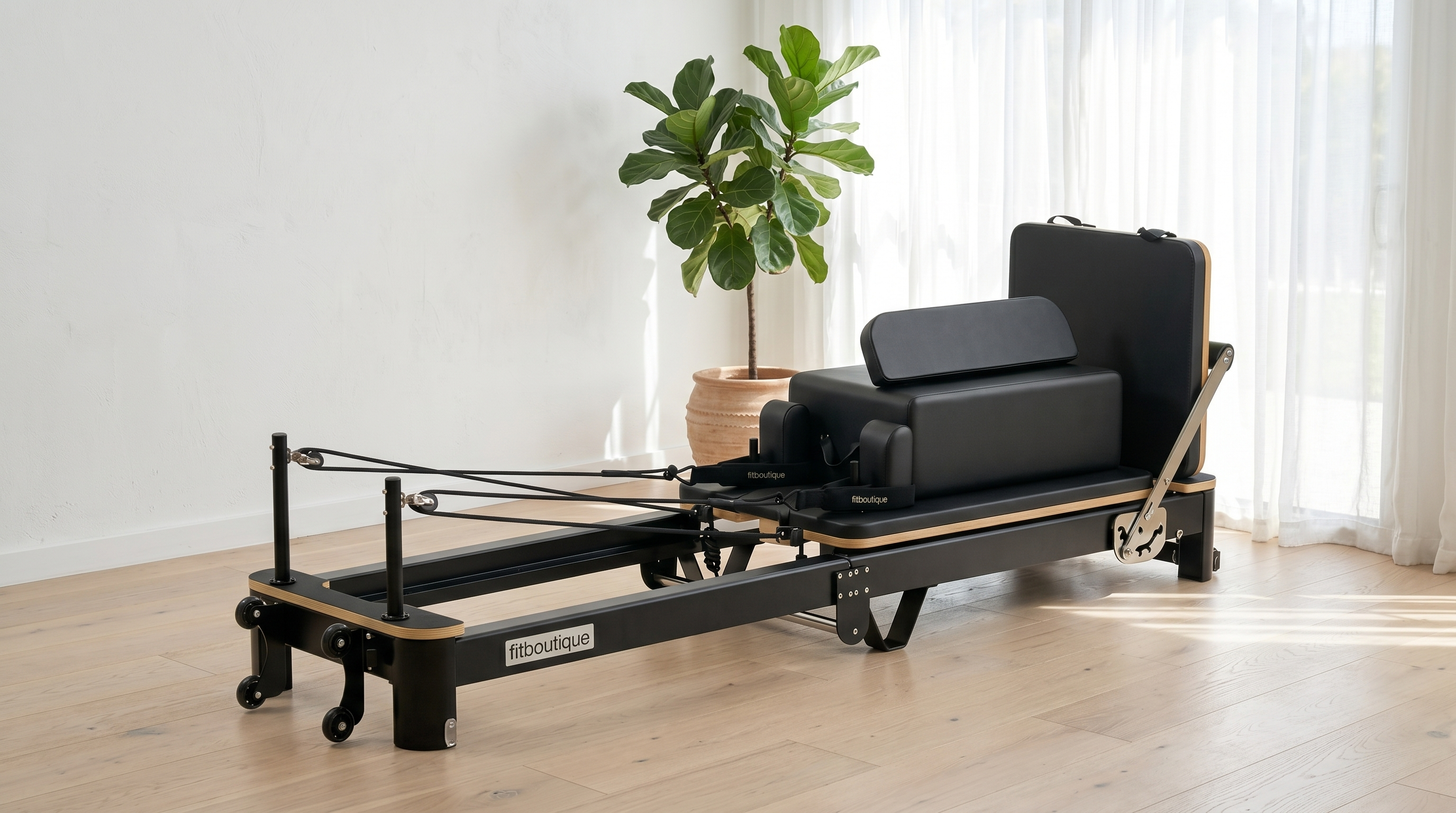
Having a reformer at home mattered more than I expected, because this stage is unpredictable. Some days I'm full of energy; some days a hot flush and a bad night mean I need to go gently, or train at an odd hour. A home machine lets me move on my own terms, no booking, no pressure, no audience. Every FitBoutique reformer arrives fully assembled with a jumpboard, box and yoga starter kit included, and a foldable model tucks away neatly. With beginner and gentle guided classes through our Fit by FitBoutique on-demand app (launching very soon), I can match the session to how I actually feel that day. That flexibility is the whole point.
Frequently Asked Questions
Is reformer Pilates good during perimenopause and menopause?
For many women it suits this stage well: it's low-impact yet strengthening, supports core and pelvic floor, is kind to sensitive joints, and has a calming quality. It's not a medical treatment, and what's right for you should be discussed with your GP or a qualified professional.
Why is strength training important in menopause?
As hormones shift, maintaining muscle, bone and joint health becomes a priority, and resistance-based movement is widely recommended to support it. The reformer provides scalable resistance through its springs without high impact.
Can reformer Pilates help with stress and sleep?
Many people find the slow, breath-led nature of reformer work calming and down-regulating, leaving them more relaxed rather than wired. It isn't a treatment for sleep issues, but a gentler form of movement can be easier to sustain during a demanding stage.
Is a home reformer worth it at this stage?
It can be, because midlife energy is unpredictable. Training at home lets you move on your own terms, gently or at odd hours, with no booking or pressure. Foldable models pack away and guided classes let you match the session to how you feel.
Movement That Meets You Where You Are
A low-impact, strengthening reformer for home, with free Australia-wide delivery and a 5-year warranty. Always train with your own professional guidance.
Shop the Reformer Range
Written by Ayrah Yuso
I'm part of the FitBoutique team and have a solid passion (and love) for all things exercise related, including Reformer Pilates

















Leave a comment